Introduction
medicinal herbs have been utilized for centuries to support health and wellness. These plants offer a natural alternative to conventional treatments, providing various benefits that modern medicine sometimes overlooks. Many people are now turning to herbal remedies as a way to promote overall well-being and address common ailments.
Creating a medicinal garden at home provides several advantages. First, it allows individuals to cultivate their own supply of healing plants. home gardening not only encourages a deeper connection with nature but also empowers individuals with the knowledge to take charge of their health. Organic gardening methods can help reduce chemical exposure, leading to healthier living.
growing herbs at home encourages a sustainable lifestyle. Fresh herbs can be harvested anytime, ensuring that they are available when needed. Some might even try their hand at indoor gardening, allowing them to access these plants year-round, regardless of climate. Freshly picked herbs can be transformed into essential oils or used in homeopathy, both of which offer natural healing properties.
The relationship between herbal medicine and natural healing is profound. Many believe that the body’s natural processes can be supported by the right plants. Various medicinal plants have unique properties that contribute to health. Learning about these properties can lead to effective strategies for everyday health concerns. With the right gardening tips, anyone can create a home garden that nourishes both body and mind.
Understanding medicinal herbs
Medicinal herbs play an essential role in natural healing. They are plants that possess properties used to improve health and treat ailments. Many cultures have relied on these plants for centuries. Today, they remain popular as people seek alternatives to conventional medicine.
Definition and Significance of Medicinal Herbs
Herbs with healing qualities can be defined as those actively used in herbal medicine. These plants contribute to well-being by providing various benefits. Their significance lies in their ability to support the body’s natural functions. Many people turn to them for relief from common conditions like colds, digestive issues, and stress.
List of Popular Medicinal Herbs and Their Uses
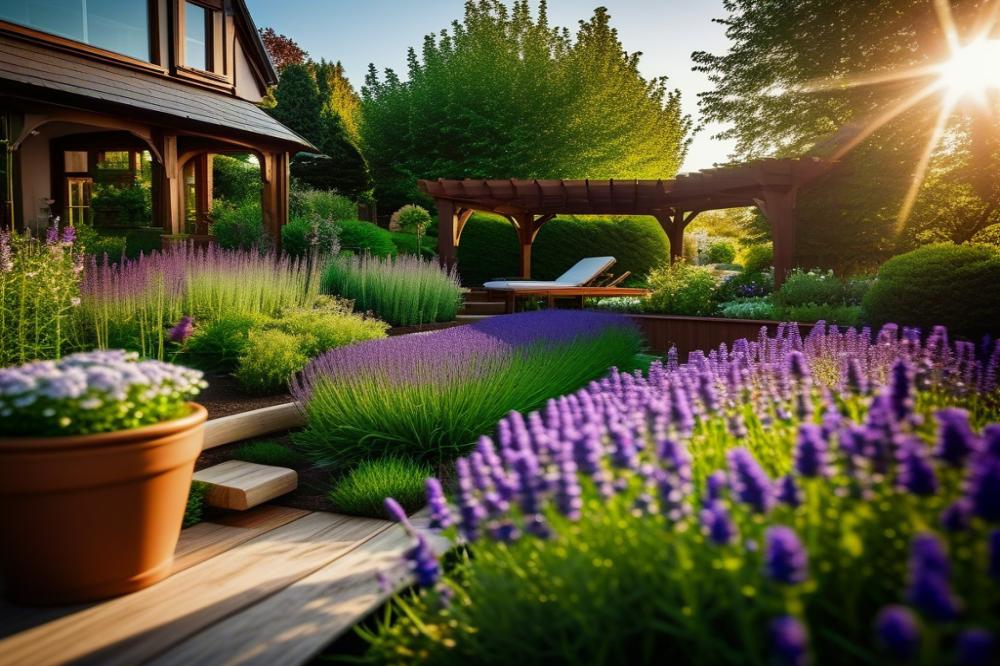
Several herbs stand out for their effectiveness. Chamomile is well-known for promoting relaxation and aiding sleep. Peppermint can soothe digestive discomfort. Lavender is celebrated for its calming aroma that helps alleviate anxiety. Echinacea is often used to boost the immune system. Ginger serves as a potent remedy for nausea and inflammation.
When growing herbs, it’s important to choose the right variety for your needs. Basil, for example, not only adds flavor to dishes but also has anti-inflammatory properties. Rosemary is another versatile herb, known for improving memory and aiding digestion. Incorporating these plants into your garden can lead to a healthier lifestyle.
Role of Medicinal Plants in Herbal Medicine
Medicinal plants form the foundation of herbal medicine practices. They offer alternatives to pharmaceuticals and are often viewed as safer options. Many people appreciate the holistic approach that herbal remedies provide. These remedies promote balance in the body, considering both physical and emotional aspects of health.
Essential oils, derived from these plants, are also important in many healing practices. They can be used in aromatherapy or topical applications, enhancing their effectiveness. Moreover, indoor gardening has become increasingly popular. It allows individuals to cultivate these plants in small spaces, making natural healing accessible to everyone.
Homeopathy often incorporates these herbs in creating personalized treatments. Organic gardening practices enhance the quality of these plants, ensuring they are free from harmful chemicals. This commitment to health fosters a deeper connection with what we consume and use for healing.
Growing Herbs: Planning Your Medicinal Garden
Choosing the Right Location and Environment for Your Garden
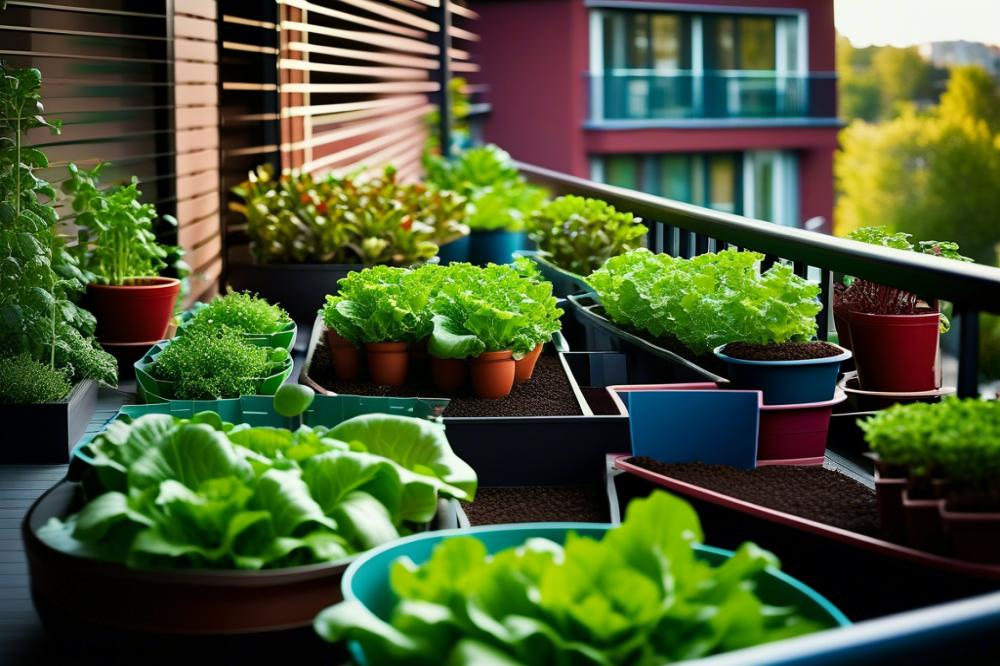
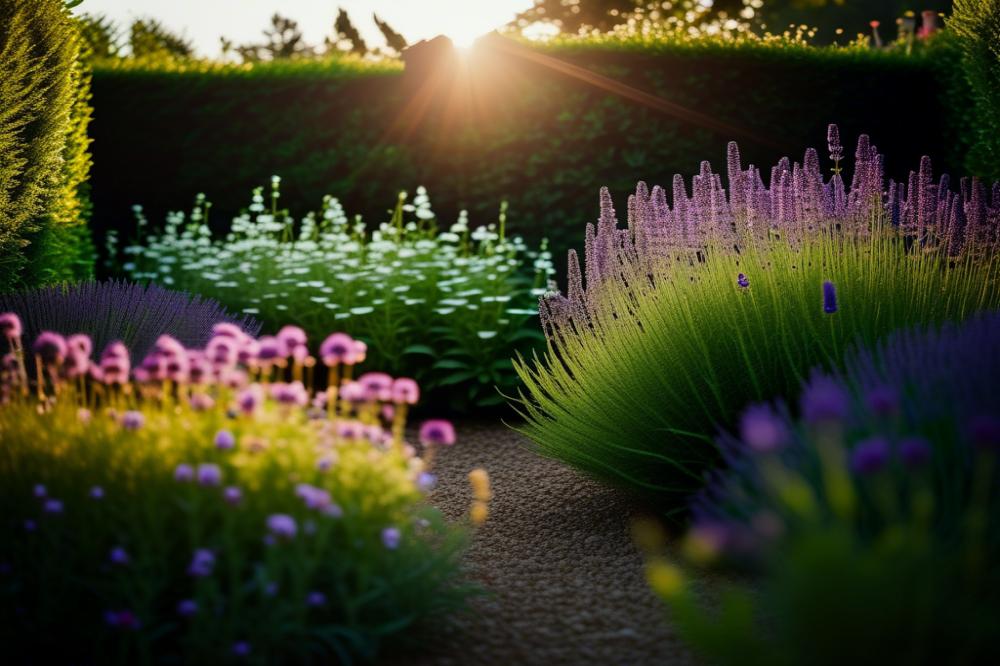
Finding the perfect spot for your garden is essential. Look for an area that receives at least six hours of sunlight each day. Good air circulation is also crucial, as it helps prevent plant diseases. Consider proximity to your kitchen, too. Having fresh herbs nearby makes it easier to incorporate them into your meals. If space is limited, don’t worry. Indoor gardening can be an excellent option. Just make sure your window has sufficient light to support growth.
Soil Preparation and Organic Gardening Tips
Healthy soil is vital for thriving plants. Begin by testing your soil’s pH level. Most herbs prefer slightly acidic to neutral soil (pH 6.0 to 7.0). Enrich your soil by adding organic matter, such as compost. This not only improves soil structure but also provides essential nutrients. Pest control can be achieved through natural methods. Companion planting, rotating crops, and using beneficial insects are effective gardening tips. Avoid synthetic fertilizers; they can disrupt the natural balance. Embrace organic gardening practices to promote environmental health.
Selecting the Best Herbs for Your Specific Needs
Your choices should reflect your health interests and culinary preferences. Popular options include basil, which can aid digestion and enhance flavor in meals. Lavender is known for its calming properties and can be used in herbal remedies and essential oils. For respiratory issues, consider growing thyme. It’s a versatile plant that can thrive in many conditions. Peppermint is another excellent addition, known for its soothing effects on the stomach. Think about incorporating herbs that you enjoy, as well as those that support various aspects of natural healing. Remember, each plant has unique benefits in herbal medicine and homeopathy, so choose a mix that suits your lifestyle.
Cultivation Techniques for Medicinal Herbs
Planting and Sowing Methods for Successful Growth
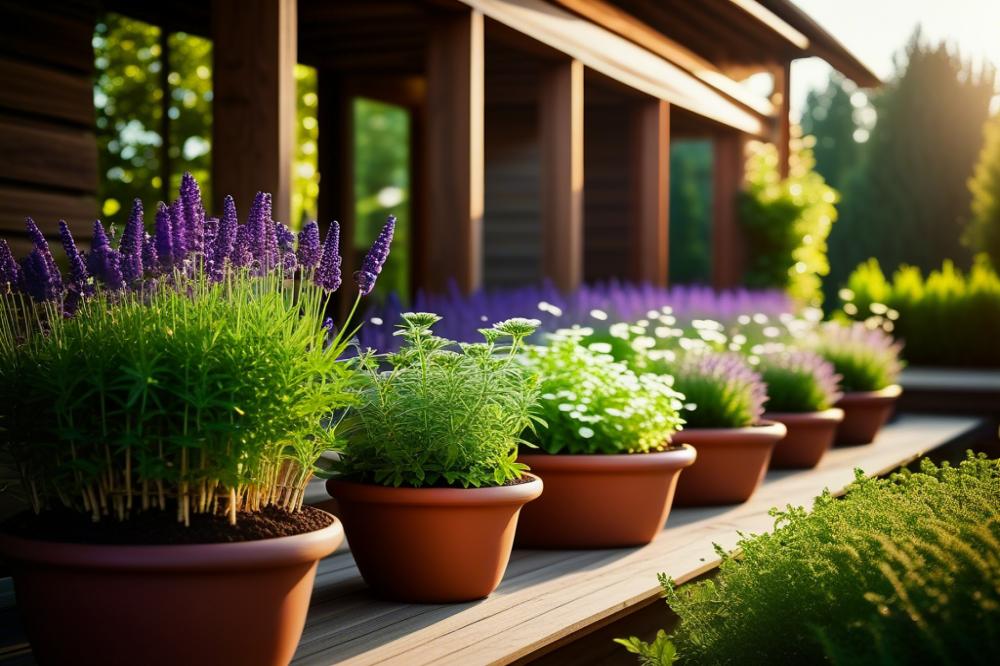
Growing herbs starts with selecting the right seeds or seedlings. Choose medicinal plants suited for your climate and space. Whether it’s basil, chamomile, or peppermint, proper placement matters. When planting seeds, follow the recommended spacing on the seed packet. This method allows each plant to thrive without competing for resources. Generally, sow seeds in nutrient-rich soil. For better results, consider starting seeds indoors. This technique provides a controlled environment, especially in colder months.
Watering and Maintaining Healthy Plants
Watering is crucial for healthy growth. In most cases, moisture levels should remain consistent. Overwatering can lead to root rot, while underwatering can stress the plants. Check the top inch of soil; if it feels dry, it’s time to water. Drip irrigation can be effective in a larger garden. It delivers moisture directly to the roots. Indoor gardening requires attention to humidity and temperature as well. Mist the leaves occasionally to create a friendly atmosphere for growth.
Pest Management and Organic Solutions
Pests can be a real problem, but many organic solutions exist. Start with preventive measures such as companion planting. Certain plants naturally repel harmful insects. When pests strike, consider using neem oil as an effective remedy. This natural oil acts as both a pesticide and fungicide. Another option is introducing beneficial insects like ladybugs. They help manage pests without harming your herbal remedies. Essential oils can also serve as a spray to deter unwanted visitors. Avoid harsh chemicals by sticking to organic gardening methods. Homeopathy can provide natural alternatives to keep plants healthy too.
Indoor Gardening for Medicinal Herbs
Benefits of growing herbs Indoors
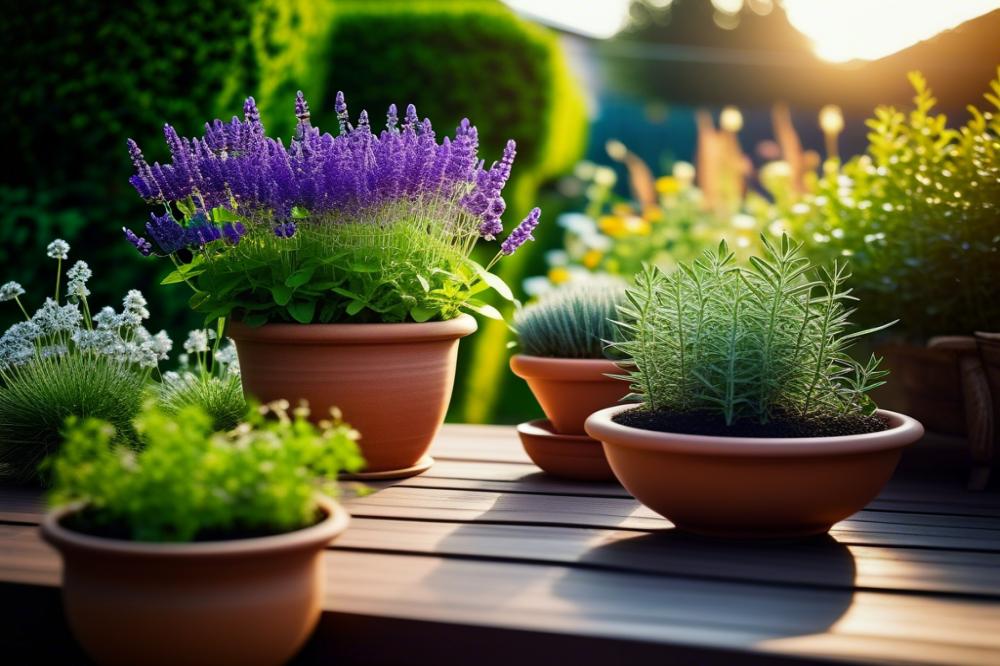
Growing herbs indoors offers numerous advantages. Fresh herbs are always within reach for cooking or crafting herbal remedies. They thrive in small spaces, bringing life to your kitchen or living room. Indoor gardening allows you to cultivate a variety of plants regardless of outdoor conditions. Moreover, this practice can purify the air, contributing to a healthier home environment. When you grow your own plants, you also have greater control over their care, reducing exposure to pesticides and chemicals. The joy of watching your herbs flourish adds to the experience of natural healing, bringing a sense of accomplishment.
Best Herbs for Indoor Gardening
Some of the best options for indoor gardening include basil, mint, and rosemary. Basil is not only great for culinary uses but also has properties associated with stress relief. Mint is easy to care for and can be used in various teas and digestive aids. Rosemary stands out for its aroma and potential memory-enhancing effects. Other notable choices are thyme and oregano, both of which enhance dishes and offer potential health benefits. Each of these herbs can thrive in pots on a sunny windowsill. Their versatility makes them excellent candidates for anyone interested in herbal medicine.
Tips for Optimizing Light and Space Indoors
Light is crucial for successful indoor gardening. Placing your herbs where they can receive at least six hours of sunlight daily is essential. A south-facing window is often ideal. If natural light is limited, consider using grow lights to supplement. This approach can mimic the sunlight that plants need. Choosing the right containers can maximize your space. Opt for pots that are not too large, allowing you to keep multiple varieties close together. Regularly rotating your pots can help all sides of the plants receive equal light. Implementing these gardening tips will foster a healthy and productive indoor garden rich in beneficial medicinal plants.
Harvesting and Using Medicinal Herbs
When and How to Harvest Herbs for Maximum Potency
Timing plays a crucial role in harvesting. The best time to collect herbs is in the morning after the dew has dried. This is when the essential oils, which give the herbs their healing properties, are at their peak. Picking leaves just before the plant flowers can also enhance their potency. Clipping the stems right above a leaf node encourages bushy growth. Always use clean scissors or shears to avoid harming the plant and to maintain hygiene.
Methods of Preserving Herbs
Once harvested, preserving herbs is vital for maintaining their benefits. Drying is one of the simplest techniques. Hang the herbs upside down in a cool, dark, and well-ventilated area. This method ensures that they retain their flavor and medicinal properties. Storing dried herbs in airtight containers keeps them fresh. Essential oils provide another avenue for preservation. Steeping herbs in a carrier oil or extracting oils via steam distillation captures their essence perfectly. These oils can be used in various applications, from cooking to aromatherapy.
Introduction to Homeopathy and Herbal Remedies Using Your Harvest
Homeopathy often incorporates plants for natural healing. Many herbal remedies can be made using your own harvest. For instance, dried chamomile can be brewed into a soothing tea for stress relief. Likewise, lavender oil can promote relaxation when diffused in your living space. Understanding the properties of each plant helps in effective usage. Adding fresh herbs to meals not only enhances flavor but also boosts health. With indoor gardening, it’s possible to bring these healing plants right into your home. Organic gardening practices can also improve the quality of your herbs. Utilize these plants to create a unique blend of remedies tailored to your family’s needs.
Final Thoughts
Creating a garden filled with beneficial plants brings many rewards. Not only can homegrown herbs provide natural solutions for ailments, but they also enhance overall wellness. Tending to a garden yields a sense of accomplishment and connection to nature.
Starting your own space for growing herbs is more achievable than you might think. You don’t need a large yard; even a few pots on a balcony can suffice. Begin with easy-to-grow varieties like peppermint or basil. These choices will help you gain confidence before trying more specialized plants.
The positive impacts of gardening extend far beyond personal health. Engaging with the Earth fosters mindfulness and reduces stress. Sustainability becomes a natural byproduct of home gardening. By cultivating your own herbal remedies, you diminish reliance on store-bought products that often contain chemicals and additives.
Consider this your invitation to begin your herbal journey. A medicinal garden awaits your touch. Embrace the opportunity to create something that nourishes both body and mind while supporting a healthier planet. Your gardening adventure could lead to a more rewarding lifestyle and a deeper appreciation for the earth’s bounty.