

Introduction
The Caspian Sea stands as the world’s largest inland body of water, a vast expanse that stretches across five countries: Azerbaijan, Iran, Kazakhstan, Russia, and Turkmenistan. This remarkable body of water is not just notable for its size, but also for its rich biodiversity and complex marine ecosystems. Local communities rely on its resources for their livelihoods, making the condition of this water source crucial.
water quality directly impacts the health of these ecosystems. pollution threatens the delicate balance of life that thrives within its depths. Ecosystems are at risk, and the ripple effects can be devastating for those who depend on the sea for fishing, tourism, and other economic activities. As contaminants seep into the water, it poses serious challenges to environmental protection and sustainable development.
To combat this pressing issue, the Caspian Sea water quality Project has emerged. It aims to address pollution through concerted conservation efforts and effective water management practices. This initiative highlights the importance of international cooperation to tackle a problem that transcends national borders. By working together, countries can share knowledge and resources to create solutions that benefit both the environment and the communities relying on it.
The effects of climate change further complicate these issues. With rising temperatures and shifting weather patterns, the stress on the marine ecosystem increases. Protecting the Caspian Sea’s water quality is not just about preserving biodiversity; it is also about ensuring a sustainable future for all who depend on this unique resource.
Caspian Sea: Addressing Pollution Challenges
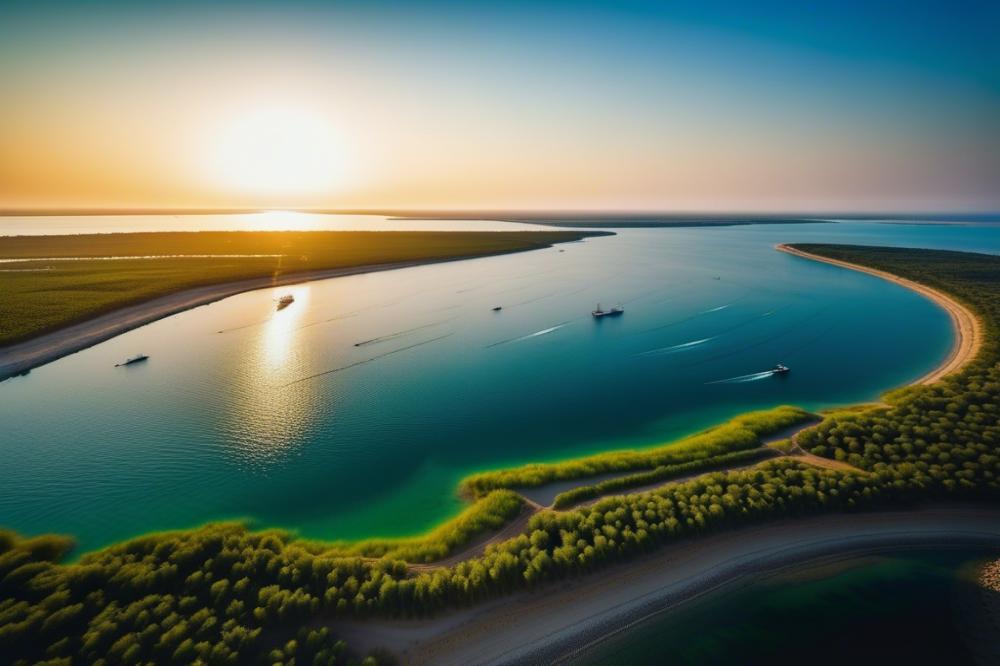
Current conditions in the Caspian Sea are alarming. Pollution poses a serious threat to this vast inland water body. Waste from industries, agriculture, and urban areas finds its way into the water, causing significant harm. Oil spills have been particularly devastating, harming not only the water itself but also surrounding habitats. Each year, the levels of contaminants increase, disrupting the delicate balance of the marine ecosystem.
Sources of Pollution Affecting the Marine Ecosystem
A variety of factors contribute to the pollution problems in this region. Industrial activities release toxic substances that contaminate both water and sediment. Agricultural runoff brings chemicals into the sea, which can kill aquatic life and impact water quality. Additionally, urban waste often lacks effective treatment, leading to high levels of bacteria and other pollutants. Ships and oil drilling also contribute to the degradation, further straining conservation efforts.
Impact of Pollution on Biodiversity and Human Health
The effects of pollution reach far beyond the water itself. Biodiversity in the region is suffering. Many aquatic species are declining, which can lead to imbalanced ecosystems. Moreover, the health of local communities is at risk. Contaminated water can cause serious illnesses, affecting families’ daily lives. Unsustainable water management strategies only exacerbate these challenges. Scientific studies highlight that the climate impact is an added concern, further complicating efforts for environmental protection.
International cooperation is vital for addressing these issues. Countries around the Caspian Sea need to work together on sustainable development initiatives and effective water management plans. Awareness about pollution’s serious consequences encourages communities to take action. By focusing on conservation and improvement of water quality, it is possible to protect the marine ecosystem for future generations. Education on these topics is essential for creating a healthier environment.
Environmental Protection Initiatives
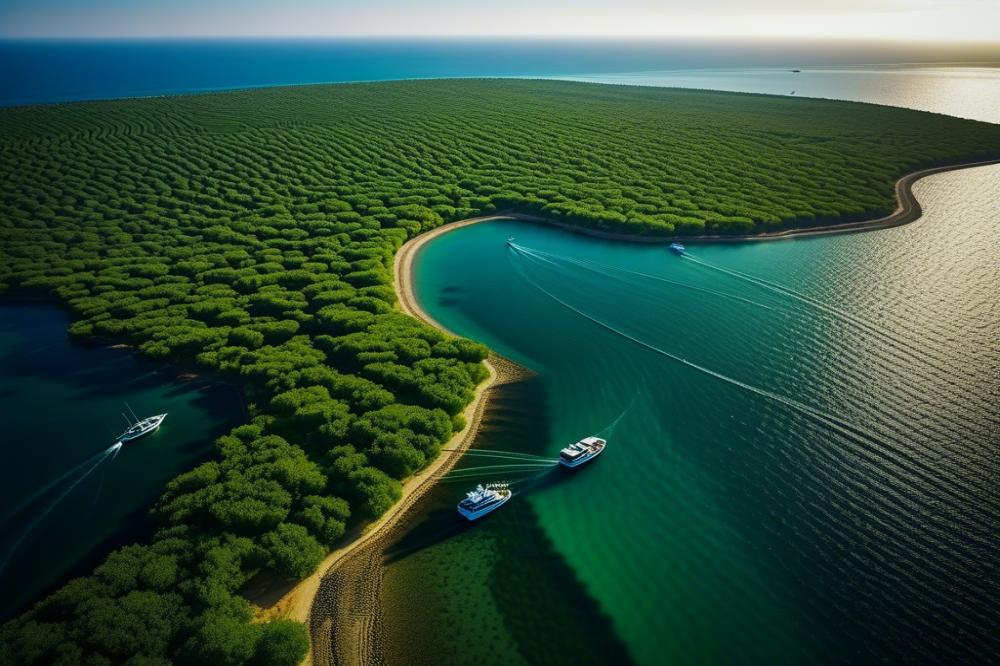
The region surrounding the Caspian Sea has faced serious challenges due to pollution. In response, multiple conservation efforts have emerged. Local governments and international bodies work together to address the issues that threaten the marine ecosystem. Their focus is on preserving biodiversity and natural resources. Pollution control measures have become essential for the survival of unique species.
Policies and Regulations Aimed at Reducing Pollution
Countries bordering this inland water body have begun to enact stricter policies. Regulations target industries that heavily pollute nearby waters. Laws now require better waste management practices. Furthermore, these policies emphasize sustainable development. By promoting cleaner technologies, they aim to reduce harmful emissions. Public awareness campaigns also play a key role in changing habits and behaviors.
The Role of Local and International Organizations in Environmental Protection
International cooperation is crucial for effective environmental protection. Organizations such as the United Nations and various NGOs actively engage with local authorities. Their mission includes developing practices that adapt to climate impact. Workshops and training sessions equip community members with knowledge about sustainable water management. Collaboration not only helps to fight pollution but also fosters a sense of shared responsibility.
Each group contributes to the larger goal of a cleaner and healthier marine environment. Scientists, activists, and policymakers regularly meet to share insights. Together, they discuss the best strategies for addressing pollution challenges. These efforts highlight the commitment to preserve the natural beauty and diversity of the region. Effective management can create a sustainable future for all who depend on these waters.
Sustainable Development and Water Management
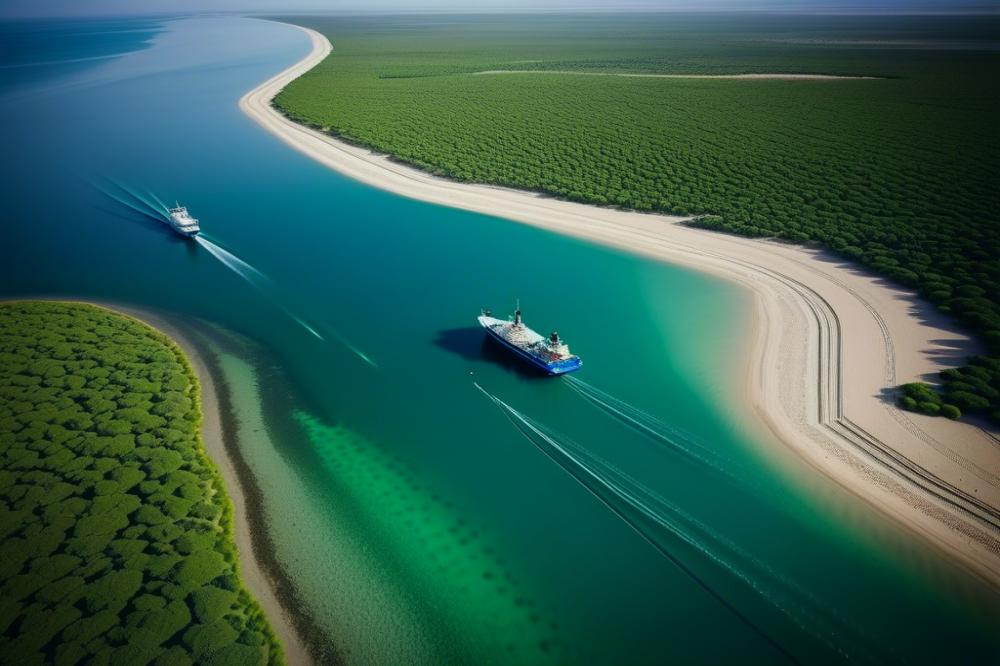
Strategies promoting sustainable development around this vast inland water body are essential. Local communities, governments, and businesses need to work together. Pollution continues to threaten the marine ecosystem. Therefore, projects must focus on reducing waste and managing resources wisely.
Effective water management practices play a vital role in protecting biodiversity. Healthy waterways support various species of fish, birds, and plants. These ecosystems provide food and livelihood for many people. Conservation efforts can help restore damaged areas. Enhancing local habitats leads to stronger populations of both wildlife and plants.
International cooperation is crucial for tackling pollution that affects surrounding nations. Countries bordering the Caspian Sea must unite for better results. By sharing knowledge and strategies, they can address shared challenges. This collaboration enhances overall environmental protection and fosters economic growth.
Climate impact also has to be considered. Rising temperatures and changing weather patterns will affect the area’s water quality. Sustainable practices must adapt to these changes. Implementing methods that conserve water is important for ensuring future supplies.
Balancing development with environmental concerns is key. Investing in clean technologies will promote a healthier ecosystem while also stimulating local economies. Achieving sustainable development requires commitment from everyone involved. Awareness campaigns can help educate communities on the importance of maintaining their natural resources.
International Cooperation for a Cleaner Caspian Sea
Collaboration between Caspian Sea bordering countries
Countries bordering the Caspian Sea face significant challenges with pollution. Each nation has its own unique environmental issues. However, they all recognize the need for joint efforts. Regional collaboration has become crucial in addressing the deteriorating conditions. Diplomacy plays an essential role in fostering communication between these nations. By sharing information and resources, they can create a united front against ecological degradation. Joint initiatives often lead to more effective solutions. Together, they work toward preserving the marine ecosystem and ensuring a healthier future for all.
Role of international treaties and agreements in pollution control
International treaties have been instrumental in shaping pollution control measures. Agreements like the Framework Convention for the Protection of the Marine Environment of the Caspian Sea focus on reducing pollution. These treaties promote environmental protection, establishing guidelines that countries must follow. Legal frameworks encourage responsible water management practices among member states. Compliance with these treaties supports sustainable development goals. As nations commit to these agreements, they express their dedication to preserving biodiversity. Stronger laws can lead to tangible improvements in water quality.
Case studies of successful international cooperation in water quality improvement
Several success stories illustrate the power of teamwork in tackling water quality issues. One notable case involved joint monitoring programs across borders. Scientists from different countries collaborated to gather data on pollution levels. This shared information helped identify major sources of contamination. Another example includes cooperative conservation efforts, which aimed to restore unique habitats. Success in these initiatives often stems from a mutual understanding of climate impacts on the region. They highlight how working together can yield significant benefits for both people and the environment. The exchange of best practices enhances the overall effectiveness of these cooperation projects. By learning from each other, nations can develop strategies that protect their precious waters.
Climate Impact on Caspian Sea Water Quality
Climate change poses serious risks to the marine ecosystem of the Caspian Sea. Rising temperatures could alter water temperatures and affect fish populations. Changes in precipitation patterns may also contribute to increased pollution. As freshwater inflows vary, they might dilute contaminants or, conversely, concentrate them in certain areas. The delicate balance of this inland water body is under threat.
Effects of Climate Change on the Caspian Sea Ecosystem
These shifts dramatically impact biodiversity. Some species may struggle to survive in warmer waters while others could thrive. Additionally, along the coastlines, habitats like wetlands are vulnerable to changing climates. As these crucial areas erode or diminish, the species that depend on them face uncertainty. Frequent changes in weather patterns could hinder fish spawning and migration.
Adaptation Strategies to Mitigate Climate Impact on Water Quality
Effective water management is essential for combating pollution. Monitoring programs can help track changes in water quality over time. Implementing better land-use practices can minimize runoff from agriculture and industry. Moreover, international cooperation stands as a pillar in these efforts. Countries surrounding the Caspian Sea must collaborate to establish conservation efforts that address these emerging challenges.
Importance of Resilience in Conservation Efforts
Building resilience against climate impacts is vital for sustainable development. Healthy ecosystems better adapt to changes and maintain their functions. Conservation efforts can help restore damaged habitats and protect critical areas. Educating communities plays a key role in fostering a sense of ownership over local resources. Protecting biodiversity not only aids in recovery but also promotes a thriving environment for future generations.
Final Thoughts on the Caspian Sea Water Quality Project
The Caspian Sea Water Quality Project represents a critical initiative aimed at combating pollution in one of the world’s largest inland bodies of water. This project highlights the importance of addressing environmental issues that affect both local communities and wildlife. Through collaborative efforts and scientific research, the endeavor seeks to restore and maintain the health of this vital ecosystem.
Its significance cannot be understated. The challenges faced by this body of water are not merely local; they affect entire regions economically and ecologically. Ongoing monitoring and improvement of water quality are essential. Engaging communities in this project fosters awareness and responsibility towards their environment. Thus, it is crucial for individuals, organizations, and governments to continue prioritizing pollution reduction and conservation efforts.
International cooperation must remain a cornerstone of these initiatives. The interconnected nature of ecosystems means that what happens in one area can impact others across borders. Partners from different nations need to work together closely, sharing knowledge and resources. Strengthening these bonds will contribute greatly to restoring the natural state of the Caspian Sea.
Everyone has a role to play in safeguarding such precious resources. Awareness campaigns, educational programs, and active participation in local clean-up efforts can make a real difference. By coming together, we can support the goals of this project and protect the environment for generations to come.


