
Introduction
environmental engineering plays a critical role in shaping a sustainable future. This field focuses on the protection of natural resources and the quality of our planet. It addresses vital issues such as climate change, water resources, air quality, and waste management. Professionals in this area work to design solutions that help communities thrive while safeguarding the environment.
Education and research are essential to tackling global challenges. Through robust Educational programs, students learn the necessary skills to innovate and lead in this vital field. They need to grasp complex issues and develop practical solutions. Therefore, their training must include a strong foundation in both science and engineering principles.
Current trends highlight the growing need for interdisciplinary studies. Environmental issues are interconnected, and solutions often require collaboration across various disciplines. For example, integrating green technologies into traditional engineering practices can significantly enhance sustainability. Moreover, life-long professional development ensures that practitioners stay updated with the latest research innovations.
As we look toward the future, it is clear that curriculum development must be responsive to changing environmental demands. Programs should incorporate emerging topics that reflect the pressing challenges of our time. Students must be equipped not just with technical knowledge but also with a holistic understanding of ecological and social systems.
Challenges like climate change are urgent. Professionals must be prepared to respond to these crises through innovative solutions. By focusing on education and research, we can harness the creativity and talent of the next generation. Together, we can work toward a healthier planet for all.
environmental engineering: Current Trends and Future Directions

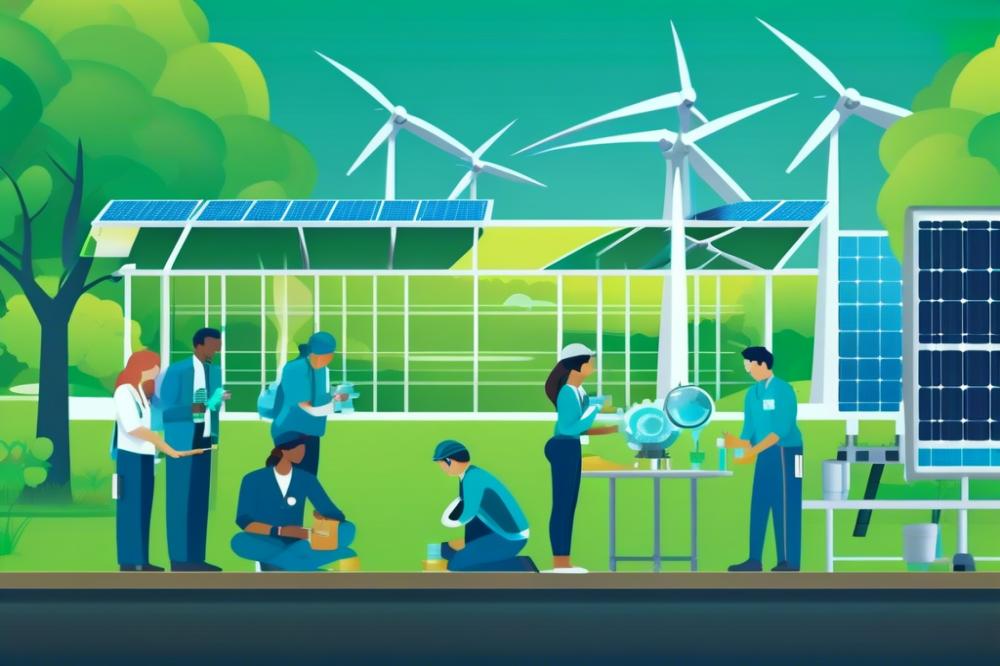
Technological advancements in green technologies play a crucial role in shaping how we address environmental challenges. Innovations such as renewable energy systems, advanced water purification methods, and smart waste management solutions are becoming more accessible. These developments are not just theoretical; they impact real-world practices. Professionals are now integrating these tools into their projects more than ever.
An emerging focus on sustainability practices is transforming many sectors. Schools and universities emphasize the importance of building a sustainable future. This shift influences curriculum development. Courses now incorporate topics related to sustainable design and resource management. Young people are learning how to apply these concepts in practical settings.
Climate change has become a significant factor affecting research priorities. Scientists and engineers are racing to address urgent issues like water resources and air quality. This urgency pushes for innovative research solutions. Interdisciplinary studies are increasingly popular. They combine insights from various fields to tackle complex environmental problems.
Waste management continues to be a critical area of focus. New methods are needed to reduce landfill contributions and improve recycling rates. Schools are fostering this innovation through hands-on projects and community involvement. Students actively learn about the impacts of their actions on the environment.
Professional development is essential for those in this field. Continuous learning allows engineers to stay updated with the latest practices and technologies. Workshops, conferences, and online courses provide valuable insights. Engaging with peers is as important as the learning itself. Collaboration often leads to unique solutions that would not emerge in isolation.
As these trends evolve, one can envision a future where environmental engineers work at the forefront of change. Their efforts will likely lead to healthier ecosystems and improved quality of life. The integration of green technologies and sustainable practices will define the landscape of the industry moving forward. Encouraging curiosity and fostering knowledge will be instrumental for those looking to make an impact.
Curriculum Development for Future Environmental Engineers
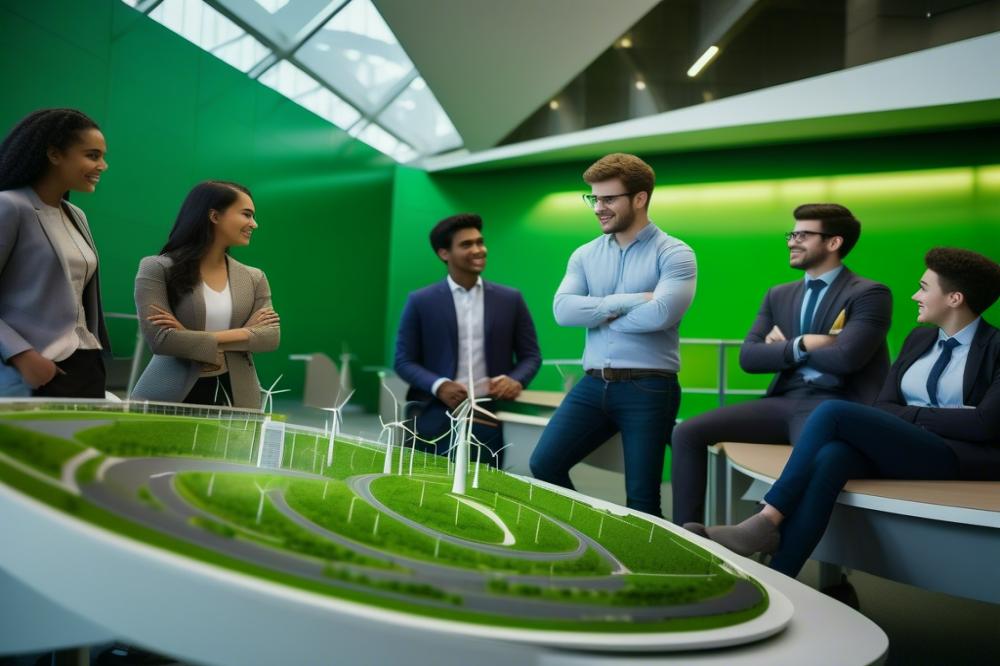
Integrating interdisciplinary studies into environmental engineering programs is essential. Students should learn from diverse fields like biology, chemistry, and social sciences. This broad knowledge prepares them for complex problems. Understanding various subjects fosters innovative thinking. It also helps in tackling issues such as climate change and water resources.
Incorporating sustainability and climate change into curricula is critical. These topics need to be woven into every aspect of the program. Students should analyze strategies for waste management and air quality. Learning about green technologies can inspire future engineers to create effective solutions. Discussing real-world cases helps students connect theory to practice.
Emphasizing hands-on experience and practical skills is vital for their professional development. Internships and lab work provide invaluable learning opportunities. Applying what they’ve learned in real settings builds confidence. Students gain a clearer understanding of research innovation when they engage in projects. Collaboration on community initiatives can be an eye-opening experience.
Today’s challenges require a new generation of engineers equipped with a holistic perspective. Fostering teamwork and communication skills is equally important. Future professionals will succeed only if they can work well with others. A well-rounded education is key, including soft skills alongside technical knowledge.
Moving forward, the curriculum must adapt to changing environmental needs. Curriculum development should reflect global challenges and local issues alike. It is crucial for educational institutions to remain relevant in a fast-paced world. Engaging multiple disciplines can only expand students’ views and readiness. They will be better prepared to create sustainable solutions for tomorrow.
Research Innovation in Environmental Engineering
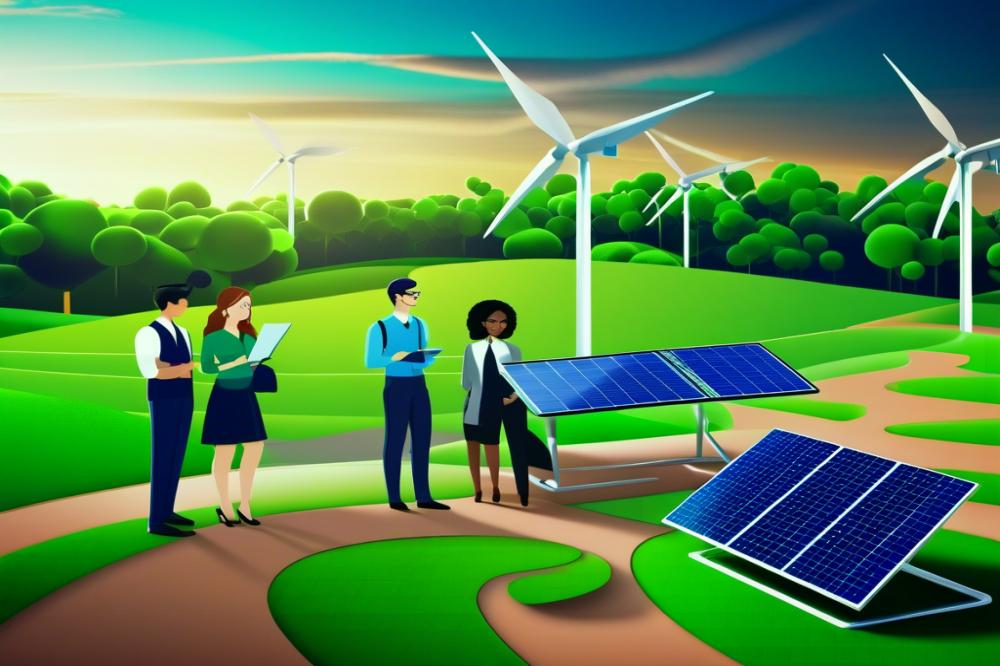
Interdisciplinary collaboration plays a crucial role in addressing complex environmental challenges. Different fields come together to create effective solutions. When engineers work with scientists, economists, and urban planners, they share unique perspectives. This blend fosters creativity and leads to innovative research projects.
Water resources management requires fresh ideas, especially as climate change alters our ecosystems. New methods in data collection and analysis allow for better decision-making. Technologies like remote sensing provide valuable insights into water usage. These tools help develop sustainable practices for agriculture and urban areas. Enhanced efficiency can significantly reduce waste and improve conservation efforts.
Air quality management also benefits from innovative research approaches. Advances in monitoring technology provide real-time data. This information is vital for understanding pollution sources and impacts on public health. Developing green technologies, such as air filtration systems, can further mitigate harmful emissions. Integration of these solutions into everyday practices can improve urban environments.
Research in waste management has taken a transformative turn. By utilizing circular economy principles, we can minimize waste generation. This shift encourages recycling and the repurposing of materials. Innovative processing technologies can convert organic waste into renewable energy. These developments contribute to both sustainability and professional development in the field.
Integrating these research innovations into curriculum development is essential. Educational programs must adapt to prepare future leaders. Emphasizing interdisciplinary studies equips students with the skills to tackle environmental issues. Graduates will enter the workforce ready to make an impact on our planet.
Professional Development and Lifelong Learning
The field of environmental science is rapidly changing. New challenges, like climate change, require fresh ideas and solutions. Therefore, professionals must engage in continuous education. Understanding the latest developments in sustainability, water resources, and waste management is vital. Staying updated helps engineers meet the demands of their jobs effectively.
Opportunities for professional certification and training are plentiful. Certifications can enhance one’s skills and make a resume more attractive. Options include courses on air quality management and the use of green technologies. Participating in workshops and conferences can also boost knowledge and expertise. Many organizations offer specialized training that aligns with current research innovations.
Networking and collaboration among professionals play a crucial role in growth. Connecting with others in the field can lead to exciting projects and initiatives. Sharing insights helps everyone improve their practices. Working together across disciplines, such as biology and engineering, fosters new perspectives. These connections can sometimes lead to breakthroughs in curriculum development, ensuring future engineers are well-prepared.
Ultimately, embracing lifelong learning benefits the individual and the community. By continuing to develop professionally, engineers can adapt to the demands of a changing world. Engaging with peers and participating in educational opportunities positions them to tackle pressing issues. With delivery in interdisciplinary studies, they can contribute to solutions that elevate air quality and promote sustainable practices. This ongoing journey of learning and collaboration adds immense value to the engineering profession.
The Role of Policy and Regulation in Shaping Education and Research
Environmental policies significantly impact academic programs. Regulations guide institutions in what knowledge and skills students must acquire. Think about climate change initiatives; these create a demand for updated curricula that emphasize sustainability. Without policies, education might lag behind real-world challenges, especially in areas like water resources and air quality.
Collaboration between academia and industry plays a crucial role in securing research funding. Universities often seek partnerships with businesses focused on green technologies. Such collaborations can benefit both parties. They provide students with hands-on experiences and help companies with research innovation. This mutual relationship encourages professional development and enhances learning opportunities.
Balancing regulation with innovation is vital in developing environmental technology. Strict rules can sometimes stifle creativity. Academic programs need enough freedom to explore new ideas. For instance, students and researchers should be able to test innovative waste management solutions without excessive bureaucratic hurdles. Finding this balance is essential for advancing effective methods to combat environmental issues.
Interdisciplinary studies are becoming increasingly important in shaping future engineers. This approach fosters a richer educational experience. Students who learn from different fields can tackle complex problems more effectively. For example, a course blending biology, chemistry, and engineering might create better strategies for improving air quality. This richer perspective is necessary as challenges become more interconnected.
Final Thoughts on the Future of Environmental Engineering Education and Research
Summary of Key Points
Education in environmental engineering plays a crucial role in preparing future leaders. New technologies and methods are emerging every day. Research guides how we tackle pressing environmental issues. Collaboration among universities, industries, and governments is vital for progress. A skilled workforce is necessary to promote sustainability and respond to global changes.
Future Outlook
Looking ahead, the landscape of education in this field will continue to evolve. Online learning and hands-on experiences will blend more than ever. Students will benefit from real-world challenges presented in the classroom. Research innovation will drive new solutions to complex problems. The urgency of climate change demands creative thinking and quick adaptation.
Call to Action for Stakeholders
It is essential for stakeholders to take action now. Universities should invest in upgrading their programs. Companies must support educational initiatives and internships. Government entities need to provide funding for research projects. We all have a role to play in shaping the future. Encouraging young minds today will pay off tomorrow. Together, we can create a better environment for future generations. Let’s prioritize education and innovation in our efforts for a sustainable world.


