
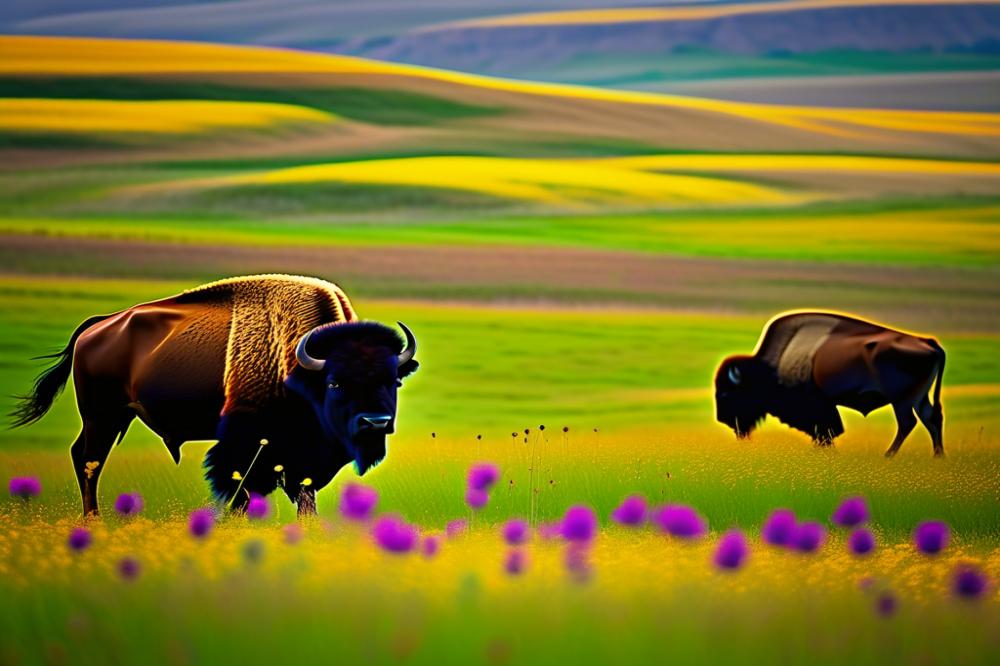
The North American prairie restoration: Rebuilding grasslands for Bison and pollinators
prairie restoration is the process of returning grasslands to their natural state. This endeavor is vital for numerous reasons. Once abundant, prairies now stand threatened due to urban development, industrial agriculture, and climate change. The loss of these ecosystems has been significant, resulting in dramatic declines in both species diversity and ecological health.
Historically, North America’s grasslands covered vast territories, stretching from the plains of Texas to the prairies of Canada. Today, however, much of that land has been altered or destroyed. Agricultural expansion has taken over millions of acres, leading to habitat fragmentation. The consequences of this loss include diminished biodiversity and reduced areas where wildlife can thrive.
Grasslands play a crucial role in supporting various life forms. Their diverse plant communities provide essential resources for pollinators such as bees and butterflies. Likewise, these habitats serve as crucial wildlife refuges, offering shelter for numerous species, including deer, birds, and of course, bison. Conservation efforts aimed at restoring these ecosystems not only benefit the wildlife that inhabit them but also enhance climate resilience.
Rebuilding grasslands is not just about bringing back native plants; it’s a holistic approach to improving biodiversity as a whole. By reintroducing native flora, we support both pollinators and other wildlife. Such efforts also promote sustainable agriculture practices, allowing farming to coexist with nature. Environmental education initiatives raise public awareness about the importance of these ecosystems, fostering a culture of stewardship and ecological responsibility. Through collaborative strategies, including bison conservation, we can pave the way for healthier, more vibrant prairie ecosystems.
Understanding North American Prairies

Prairie ecosystems are often defined by wide-open spaces, dominated by grasses and wildflowers. These grasslands support a vast array of life. Many species depend on them for survival, making these areas critical for the health of our environment.
Native plants play an essential role in forming a robust wildlife habitat. They provide the food and shelter various animals need to thrive. Additionally, these plants are adapted to local conditions, meaning they require fewer resources from humans. Conservation efforts often focus on restoring these native landscapes to support biodiversity.
Grasslands are vital for pollinators, like bees and butterflies. Pollinators help many plants reproduce, which is crucial for maintaining healthy ecosystems. A thriving pollinator population can boost food production, benefitting sustainable agriculture. Without these small creatures, many flowering plants would struggle to propagate.
As climate change continues to affect our natural environments, preserving prairie land becomes even more important. Restoring these ecosystems can enhance climate resilience. It creates a habitat where diverse species can cope with changing conditions. Healthy prairies also serve as outdoor classrooms, encouraging environmental education among communities.
In summary, understanding prairie ecosystems lays the groundwork for successful conservation. Protecting native plants and supporting wildlife not only benefits the environment but also helps to sustain our agricultural practices. Advancing these efforts will foster stronger connections to the earth and its resources.
Challenges to Prairie Ecosystems
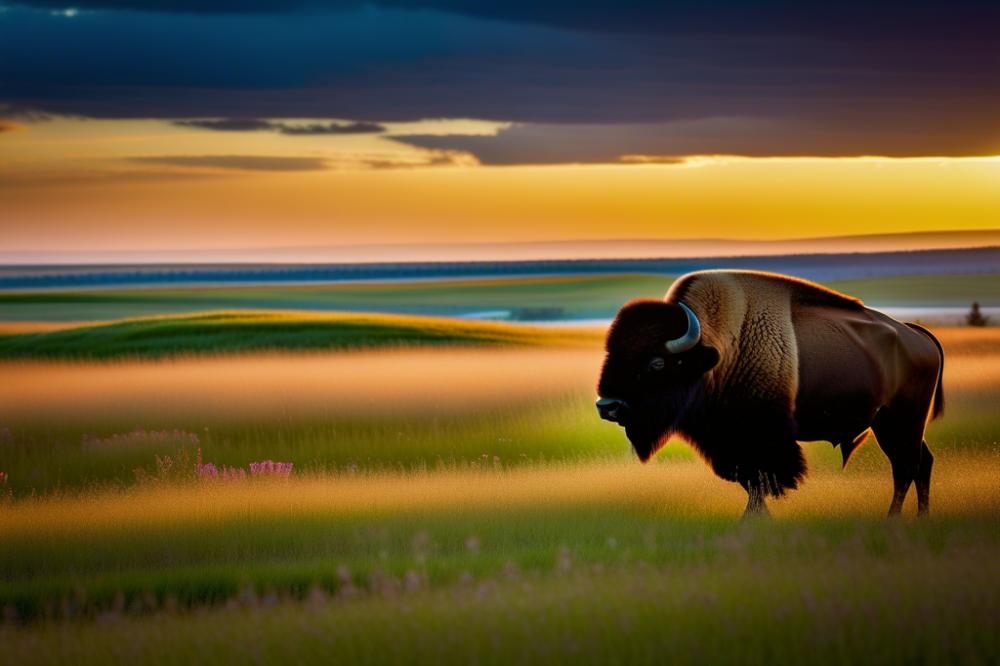
Prairie ecosystems face numerous challenges that threaten their survival. Agriculture and land development have transformed large areas of grasslands into farmland and urban space. This change disrupts the natural habitats necessary for countless species. Wildlife habitat loss contributes to declining populations of native plants and wildlife.
Invasive species pose another serious threat. When non-native plants are introduced, they often outcompete the native flora for resources. This shift leads to a decrease in biodiversity, which is critical for healthy ecosystems. Pollinators, like bees and butterflies, are affected as their food sources dwindle. The imbalance can ripple through the entire ecosystem.
Climate change brings additional challenges. Rising temperatures and altered precipitation patterns can stress prairie ecosystems. Native plants may struggle to adapt, while some invasive species thrive under these new conditions. These shifts threaten the resilience of these ecosystems. Conservation efforts must address both immediate concerns and long-term impacts caused by climate change.
Sustainable agriculture practices can help mitigate some of these challenges. By focusing on farming methods that support grassland restoration, we can create a more balanced environment. Environmental education plays a crucial role in raising awareness about these issues. Understanding the importance of biodiversity can lead communities to take action. Engaging citizens helps foster a commitment to protecting and enhancing these vital ecosystems.
Conservation Efforts in Prairie Restoration

Across North America, various groups focus on reviving grasslands. Organizations like The Nature Conservancy and the Prairie Restoration Network lead many initiatives. They work together to recover native plants and expand wildlife habitats. Local communities often join these efforts, showing that teamwork is essential.
Successful Case Studies
One notable project happened in the Flint Hills of Kansas. Here, ranchers adopted sustainable agriculture methods in their practices. They started by planting native grasses, which improved soil health. This change welcomed bison back to the region, which in turn supported diverse wildlife. In another case, the Chicago Wilderness collaborative restored a series of prairies around the city. Using native plants, they turned vacant land into vibrant spaces for pollinators like bees and butterflies.
The Role of Community and Education
Community involvement proves vital in these restoration projects. Local volunteers often participate in planting days. This engagement deepens people’s connection to their environment and encourages ecological stewardship. Educational programs help teach the importance of biodiversity. They raise awareness about the role of pollinators and the need for eco-friendly farming practices. Through workshops and nature walks, individuals can learn how to promote climate resilience in their own backyards.
These conservation efforts highlight a collective responsibility. When communities invest in local ecosystems, everyone benefits from healthier environments. Collaboration between organizations, volunteers, and educators creates a brighter future for North America’s prairies.
Ecosystem Restoration Techniques
Methods for Restoring Native Grasslands
Restoring grasslands involves several effective methods. One common approach is using native plants to replace invasive species. Planting local flora helps create a resilient environment. These native plants are adapted to local soil and climate conditions, making them crucial in restoring the landscape. Furthermore, seed banks play a vital role. They help in gathering and distributing seeds for crucial species over larger areas. Combining these methods increases the chances of success in rebuilding these ecosystems.
Importance of Sustainable Agriculture Practices in Prairie Regions
Adopting sustainable agriculture is essential in prairie regions. This practice not only supports farmers but also benefits wildlife habitat. Crop rotation and reduced herbicide use improve soil health. Healthier soil can better support the growth of native plants. Farmers who engage in conservation efforts help maintain local ecosystems. Their actions create a balance between agricultural needs and environmental health. It’s crucial for communities to encourage these practices for long-term climate resilience.
Techniques for Enhancing Biodiversity and Pollinator Habitats
Enhancing biodiversity focuses on creating diverse environments that support a variety of species. Planting a mixture of flowers and grasses provides food and shelter for pollinators. These creatures are vital for the reproduction of many plants and for food production. Additionally, creating buffer zones around agricultural fields can protect wildlife. Such zones offer safe havens for numerous species, promoting a thriving ecosystem. Environmental education fosters awareness among the public about the importance of protecting these habitats. Engaging communities in restoration activities can lead to greater support for preserving our natural ecosystems.
The Future of Prairie Restoration
The effects of prairie restoration extend beyond the immediate environment. Enhancing climate resilience is one of the key benefits of revitalizing grasslands. Restored ecosystems can capture more carbon dioxide, helping to combat climate change. This process not only aids our planet but also fosters a healthier environment for all forms of life.
Grasslands hold significant potential for supporting sustainable agriculture. By integrating native plants, farmers can enrich soil quality and reduce the need for chemical fertilizers. This practice allows crops to thrive while simultaneously creating a supportive wildlife habitat. Furthermore, fields designed with pollinators in mind boost their populations, which is crucial for ecosystems. Farmers benefit from healthier crops that require less intervention.
Creating Connections
A vision exists for connecting restored prairies to broader ecological networks. Establishing corridors between these areas promotes biodiversity and wildlife movement. Such connections are essential for the survival of various species, particularly those that rely on specific habitats. Efforts towards ecosystem restoration not only improve the resilience of the landscape but also help maintain essential ecological processes.
Environmental education plays a significant role in these initiatives. Engaging communities fosters awareness of the importance of biodiversity and conservation efforts. As people learn, they become advocates for protecting their local ecosystems. This deepens their connection to the land and inspires future generations to prioritize sustainability.
A Path Forward for Grasslands and Wildlife
Restoring prairies holds significant importance for the ecosystem. Healthy grasslands support not only bison but also a variety of wildlife, including essential pollinators. These majestic open spaces create balanced habitats, allowing plants and animals to thrive. When grasslands flourish, they improve air and soil quality, helping to combat climate change.
It’s clear that preserving these unique ecosystems requires collective effort. Everyone can play a role, whether by volunteering for local restoration projects or advocating for conservation policies. Continued support is crucial. Commitment from individuals and organizations alike can make a difference. When communities unite for a common cause, impactful changes occur.
Everyone benefits from vibrant prairies. Healthy grasslands provide food and resources for wildlife while enhancing outdoor spaces for people. They offer recreational areas, improve water quality, and even support agriculture. The interconnectedness of nature and human life shows that we all share this responsibility. Protecting our environment leads to a better quality of life for current and future generations.
Engagement in conservation efforts is not just for the environment; it’s for everyone. By recognizing the value of prairies and participating in their restoration, we can nurture the ecosystems that sustain us. The time to act is now. Together, let’s protect these essential grasslands and the wildlife that depend on them.


