
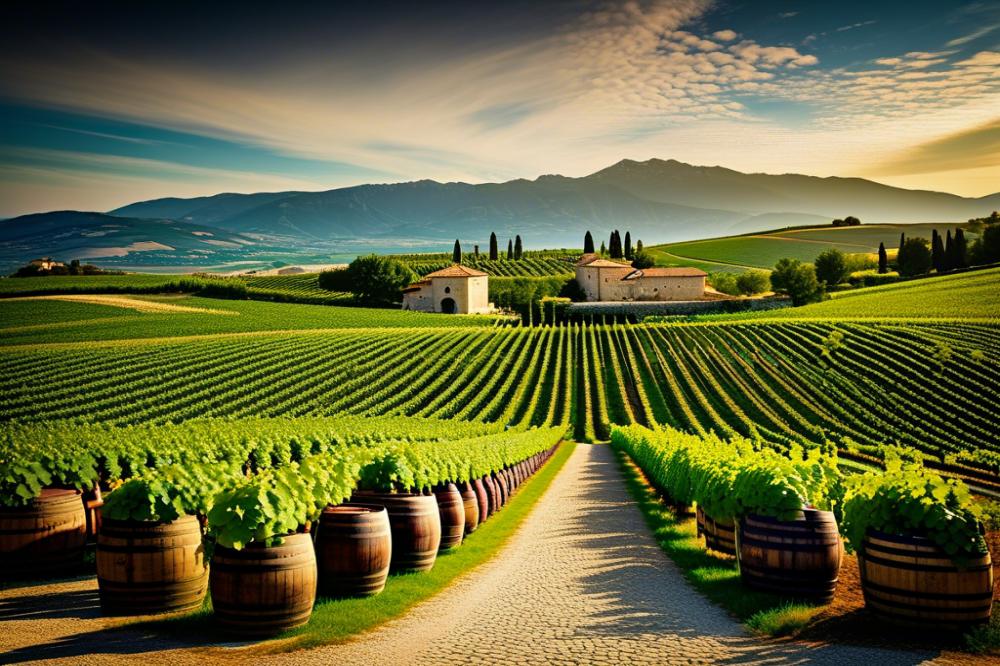
The Rhone Valley’s Vineyards: Savoring the Finest French Wines
The Rhone Valley is a celebrated gem among wine destinations worldwide. This region in southeastern France has earned a reputation for producing some of the finest wines, drawing oenophiles from all corners of the globe. Various wine regions within the Valley showcase exceptional varietals, including iconic grapes like Syrah and Grenache. For American travelers and wine enthusiasts, exploring the Rhone Valley offers a unique opportunity to experience the rich flavors and traditions of French vineyards.
A visit to this valley is not merely about sipping red and white wine. It’s an immersion into a tapestry of history and culture. The diversity found in this area speaks volumes about its terroir, influencing each vintage’s character and taste. The Côtes du Rhône, for example, is a prime example where blends of these grapes come together in harmonious expression. wine tasting experiences here become memorable journeys through the various nuances of flavor that reflect the land.
The history of wine production in the Rhone Valley stretches back thousands of years. Ancient Romans cultivated vines in this fertile area, setting the stage for the thriving winemaking practices we see today. Over the centuries, local vintners have perfected their craft, embracing innovative techniques while respecting traditional methods. The result is a rich selection of wines that cater to different palates, ranging from robust reds to crisp whites.
Wine enthusiasts should make this destination a priority. The region not only offers remarkable beverages but also a chance to connect with passionate winemakers. Whether it’s through vineyard tours or intimate tastings, visitors gain insight into the art of winemaking. The allure of Rhone Valley wines lies in their ability to tell a story—each glass reflects the hard work and dedication behind its creation.
Rhone Valley wines: A Unique Terroir
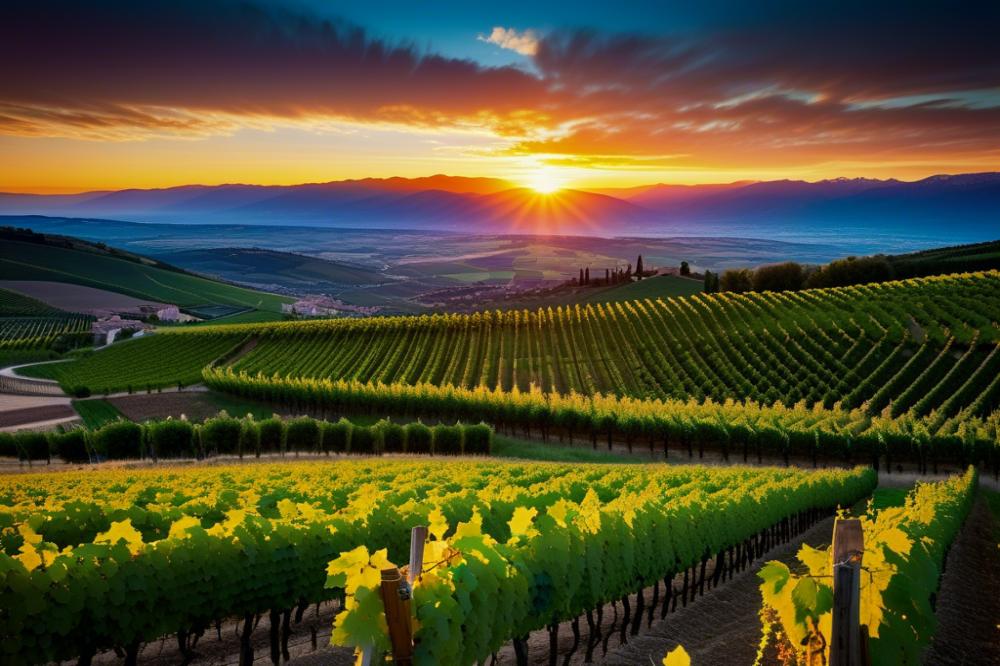
Terroir is a term often used in the wine world. It refers to the geographic and environmental factors that shape the characteristics of wine. In the Rhône Valley, this concept plays a crucial role in crafting exceptional vintages. The interaction between the climate, soil, and local traditions forms the foundation of the wines produced here.
The region is not uniform; rather, it boasts diverse climates and soil types. Northern Rhône experiences a continental climate with warm summers and cold winters. This environment is perfect for growing Syrah, a grape that thrives in such conditions. In contrast, the Southern Rhône is warmer and Mediterranean. Here, Grenache flourishes, producing vibrant, fruity wines that appeal to many palates.
Soil composition varies widely across the Rhône Valley. In the north, steep, granite slopes provide excellent drainage. This contributes to the concentrated flavors found in Syrah-based wines. Meanwhile, the south features clay and limestone, which support Grenache vines. These contrasting soils lead to distinct flavor profiles in the wines.
A wine tasting in this region offers insight into how terroir influences different grape varieties. Syrah produces bold, dark-fruit flavors with hints of pepper and smoke. These wines often display a deep, full-bodied richness, making them ideal for red wine lovers. Conversely, Grenache presents lighter, fruit-forward notes with softer tannins, showcasing its adaptability to the Southern Rhône’s climate.
The concept of terroir underscores the artistry of oenology. Each bottle of Rhône Valley wine tells a story of its origins. Wine regions like Côtes du Rhône exemplify this narrative. They highlight the intricacies and nuances imparted by the land and climate. As a result, enthusiasts can appreciate the depth and complexity of these wines.
Discovering the Main Wine Regions
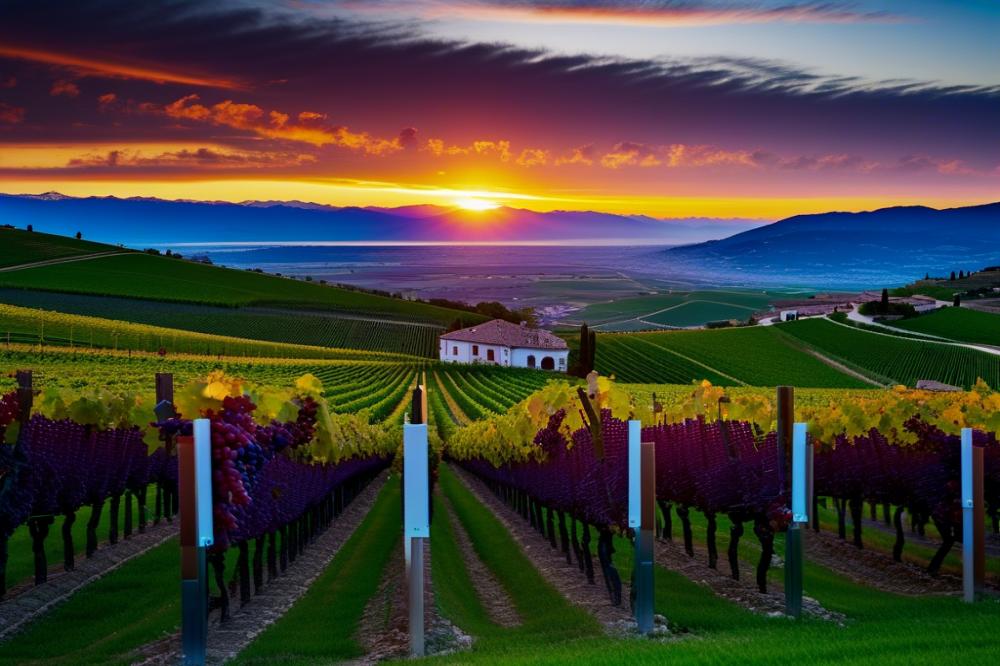
The Rhone Valley in France is home to several notable wine regions. Each area produces distinct varieties of wine. A closer look reveals popular regions like Côtes du Rhône, Côtes du Rhône Villages, and Gigondas.
Côtes du Rhône
Côtes du Rhône is perhaps the most recognized name in the valley. This region consistently delivers a mix of quality and accessibility. Red wine here typically showcases blends of Grenache and Syrah. These grapes thrive in the sunny Mediterranean climate, which contributes to their robust flavors and aromas. The wines often feature notes of dark fruits, spice, and herbs.
Côtes du Rhône Villages
Côtes du Rhône Villages represents a step up in quality from its neighboring regions. This area is known for stricter regulations regarding the grapes used in vinification. Wineries often leverage the unique terroir to elevate their offerings. The reds from this region, while still Grenache-dominant, often include Mourvèdre and Cinsault. Depth and complexity characterize these bottles, making them a favorite for wine tasting events.
Gigondas
Gigondas stands as one of the gems of the Southern Rhone. Known for its powerful reds, this village emphasizes traditional grape varieties. Wines here are primarily produced from Grenache and Syrah, focusing on full-bodied expressions. This region’s vintages can age remarkably well, developing intricate flavors over time. The beautiful surrounding landscape contributes to diverse microclimates, enhancing the wine’s profile.
Comparative Analysis of Red and White Wine Production
Red wine dominates the Rhone Valley, making up the majority of production. However, white wine is also gaining attention, featuring grapes like Viognier, Roussanne, and Marsanne. The balance between red and white varies greatly from region to region. Côtes du Rhône produces a significant amount of both types. White wines from this area tend to be fresh and aromatic, providing an excellent contrast to its reds.
In Gigondas, red wine reigns supreme, while whites remain in the background. Some producers are experimenting with blending and creating unique whites, yet the red offerings still capture the most attention. Oenology practices evolve constantly, drawing wine enthusiasts eager to explore the different expressions. Overall, the Rhone Valley’s regions provide a diverse and rich experience for both novice and seasoned wine drinkers alike.
Wine Tasting Experiences
Wine tasting is essential for anyone wanting to appreciate the diverse offerings of the Rhone Valley. Engaging with different vintages allows visitors to experience the full spectrum of flavors and aromas. Each sip reveals something new, reflecting the region’s unique terroir. Taste differences exist due to various factors such as soil, climate, and winemaking techniques. Understanding these nuances deepens the appreciation for this renowned wine region.
Recommended Vineyards and Wineries for Tasting Experiences
Several vineyards in the Côtes du Rhône stand out for their exceptional tasting experiences. One such winery is Domaine de Marcoux, known for its organic practices and rich Grenache wines. Another excellent option is Domaine Paul Jaboulet Aîné, where guests can explore a variety of Syrah wines. Its prestigious history enhances the tasting experience. Moreover, Château La Nerthe offers not only remarkable red and white wines but also scenic views and educational tours. Visitors can immerse themselves in oenology while savoring their favorite selections.
Advice on Pairing Syrah and Grenache Wines with Local Cuisine
Pairing wines with local dishes can elevate any meal. A full-bodied Syrah from the Rhone pairs beautifully with grilled meats or spicy stews. Traditional lamb dishes complement its bold flavors well. Alternatively, Grenache’s softer profile matches nicely with tomato-based dishes or roasted vegetables. Local specialties, such as ratatouille or coq au vin, can enhance the tasting experience while in the valley. When exploring these pairings, consider the balance between the dish and the wine. Proper harmony can lead to a delightful gastronomic experience.
Understanding Vintages and Oenology
In the world of wine, a vintage represents the year grapes are harvested. This timing can greatly influence the wine’s character and quality. Weather conditions during the growing season can vary immensely, impacting the grapes’ flavor. For instance, a rainy spring might lead to lower yields, while a hot summer can concentrate sugars.
Vintages are often discussed among wine lovers. They serve as a snapshot of a particular year in a wine region. In the Rhône Valley, both Syrah and Grenache thrive, producing red wine with complex flavors. As a wine ages, its profile develops, and certain vintages become more sought after than others, enhancing their value.
Introduction to Oenology
Oenology is the science and art of winemaking. It involves more than just fermentation; it requires a deep understanding of the vineyard’s terroir. Terroir refers to the unique environmental conditions affecting the grapes. Each area in the Rhône Valley has distinct characteristics that contribute to the final product.
Winemaking in this famous wine region showcases traditional techniques blended with modern practices. Knowledgeable winemakers closely monitor their vineyards for changes, adapting as needed. This adaptability is crucial as climate change affects growing seasons. Some adjust irrigation methods, while others focus on sustainable practices to preserve their land.
Adapting to Change
The best winemakers embrace change and use it to their advantage. They trial various grape varieties to find those that thrive in current conditions. In the Rhône Valley, innovation meets tradition. Techniques passed down through generations coexist with new technologies.
Wine tasting experiences often highlight these complexities. Guests can explore a range of white and red wine styles. The interplay between Syrah and Grenache creates intriguing blends. Knowledgeable guides lead tastings, offering insights into how specific vintages reflect each year’s climate and challenges faced by vintners.
Exploring the Rhône Valley’s incredible wine regions gives wine enthusiasts a chance to appreciate these intricate processes. From vineyard to glass, every bottle tells a story steeped in history and adaptation. Educated choices can enhance personal enjoyment, whether one prefers bold reds or light whites.
Planning Your Visit to the Rhone Valley
Tips for American travelers to plan their wine-focused itinerary
Traveling to the Rhone Valley can be an exciting venture for wine lovers. Begin by researching the best vineyards in the region, especially those known for their Syrah and Grenache. Check which wineries offer tours and tastings, and make reservations in advance. Many places appreciate prior notice. Learning a few basic terms of oenology can also enhance your experience. Knowing about terroir and vintages can spark interesting conversations with local winemakers.
Best times of year to visit for vineyard tours and tastings
The ideal time to explore this wine region is during the harvest season, which typically runs from late September to early October. The picturesque landscape, filled with colorful grapevines, peaks at this time. Autumn also offers a chance to sample new red and white wine releases. Spring, between April and June, is another lovely time. Warming weather brings blooms and outdoor tastings. Summer can be hot, but many vineyards host events such as wine picnics.
Transportation and accommodation options in the region
Getting around the Rhone Valley requires a bit of planning. Renting a car provides the most flexibility, allowing easy access to rural vineyards. Alternatively, consider guided wine tours that include transportation. These can be a smart choice for those who prefer not to drive after tasting. Public transport options exist but can be limited, especially in remote areas.
For accommodations, visitors have a range of options. Charming bed and breakfasts dot the landscape, often within close proximity to vineyards. Some travelers may opt for hotels in nearby towns. Booking in advance is wise, especially during the harvest season. Many places offer wine-themed stays, allowing guests to immerse themselves in the local culture and flavors.
Whichever method you choose, remember to savor every moment in this famed French region.
Reflecting on the Rhone Valley Experience
The allure of the Rhone Valley’s vineyards is hard to put into words. Picture rolling hills covered in vines and the warm sun casting golden light across the grapes. This region is not just a place but a journey through flavors and aromas. Each sip of wine tells a story, blending the land’s history with the craft of local winemakers. Enthusiasts and novices alike will find something to love here. The richness of the local varieties, including the famed Syrah, showcases the unique characteristics that make these wines so celebrated.
Visitors are encouraged to dive into the vibrant wine culture. Engaging with local producers can transform a simple visit into a memorable adventure. Consider booking a wine tasting to experience firsthand the different styles from this stunning region. Each vineyard has its own personality, waiting for guests to explore its offerings. Meeting the passionate people behind these wines adds a personal touch to the experience. Such connections often lead to lasting memories and deeper appreciation for the craft.
As one walks through the vineyards, every moment is filled with potential. Discovering a new favorite wine or enjoying a delightful conversation can linger long after the visit ends. The beauty of the Rhone Valley lies in its ability to forge connections—not just with its wines, but with the landscapes and the people. This region is a treasure trove waiting for those ready to savor its offerings. Creating these memories and enjoying this exploration will resonate long after the journey concludes.


