The Secret Life of leaves: photosynthesis and Beyond
Understanding the Role of leaves in Plant Biology
Leaves are more than just green structures on plants. They serve crucial functions in the survival and growth of these organisms. Center to plant biology, leaves facilitate vital processes that sustain life. One of the most significant roles they play involves transforming sunlight into energy. This process allows plants to produce their food and supports the broader ecosystem.
Sunlight acts as the primary energy source for leaves, captured by a pigment known as chlorophyll. This pigment gives leaves their vibrant green color and allows them to soak up light efficiently. During daylight hours, leaves absorb sunlight and use it to convert carbon dioxide from the air and water absorbed by the roots into glucose. This process not only produces energy for the plant but also releases oxygen, which is essential for many living organisms.
The structure of a leaf is finely tuned to optimize these functions. It consists of various layers, including the epidermis, mesophyll, and veins. Each layer plays a role in capturing sunlight and facilitating gas exchange. Water travels through specialized channels, further supporting the plant’s energy production. Furthermore, leaves are integral in maintaining ecological balance. They provide food and habitat for countless organisms while also contributing to atmospheric stability.
Understanding how leaves operate opens up appreciation for their role beyond mere decoration in nature. Exploring this fascinating aspect of biology underscores the interconnectedness of life on Earth. The energy produced through this remarkable process directly impacts ecosystems, feeding plants, animals, and ultimately, humanity itself.
The Process of photosynthesis
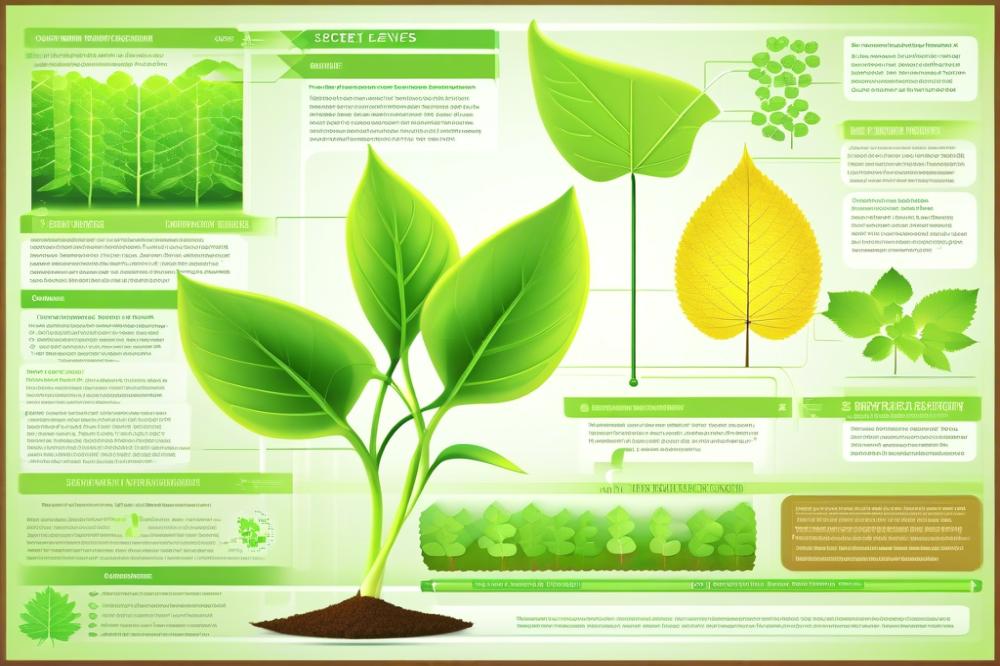
Plants have a remarkable ability to convert sunlight into energy through a process involving two main sets of reactions. These reactions are known as light-dependent and light-independent processes. Each plays a crucial role in how plants produce food and contribute to their environment.
chlorophyll, the green pigment found in leaves, is vital for capturing sunlight. This pigment absorbs specific wavelengths of light, mostly in the blue and red portions of the spectrum. When chlorophyll absorbs sunlight, it becomes energized and initiates a series of chemical reactions.
Inputs are essential for this energy conversion. Carbon dioxide enters the leaf through small openings called stomata. Water, absorbed by the plant’s roots, travels up to the leaves. Together, these elements work with sunlight to fuel the entire process.
The outputs of this fascinating procedure are equally important. Plants produce glucose, a simple sugar that serves as food and energy. Oxygen is another byproduct, released back into the atmosphere, vital for respiration in many living organisms. As you can see, plants play a significant role not just in their own survival, but also in supporting life throughout various ecosystems.
The anatomy of a leaf supports its functions. Each leaf is structured to maximize light absorption and gas exchange. The intricate design ensures that water and carbon dioxide can enter efficiently while allowing oxygen to exit freely. This leaf structure ultimately helps plants thrive in their environments.
Energy production leads to growth and development. Through this process, plants convert light into chemical energy, which fuels their growth and reproduction. This transformation highlights the interconnected nature of plant biology with other life forms. Energy flows in ecosystems, supporting all types of organisms, from the smallest insects to the largest mammals.
Leaf Structure and Function
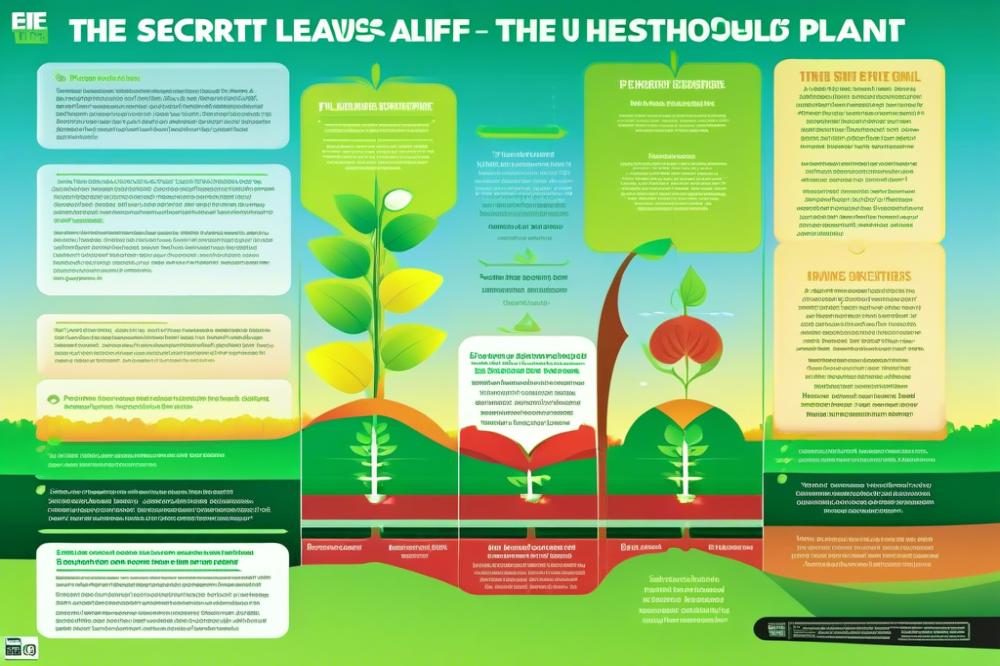
Anatomy of a Leaf: Layers and Components
Leaves are fascinating organs in the plant kingdom. They come in various shapes and sizes, all with specific functions. The outermost layer is called the epidermis. This protective skin helps guard against water loss and pests. Beneath it lies the mesophyll, where most of the action occurs. Here, chlorophyll is found, the green pigment essential for capturing sunlight. These cells are packed with chloroplasts, the tiny factories of energy. Understanding leaf structure gives insight into plant biology.
Role of Stomata in Gas Exchange
Stomata play a crucial role in a leaf’s function. These tiny openings are primarily located on the underside of leaves. They allow carbon dioxide to enter and oxygen to exit. This gas exchange is vital for respiration. Stomata can open and close to regulate water loss. This adjustment helps the plant adapt to changing environmental conditions.
Importance of Vascular Tissue in Nutrient Transport
Vascular tissue is essential for transporting nutrients. It consists of xylem and phloem. Xylem carries water from the roots to the leaves. Phloem, on the other hand, distributes glucose produced during photosynthesis throughout the plant. This distribution is crucial for energy production that supports growth and development. Without a functioning vascular system, plants would struggle to thrive.
Adaptations of Leaves for Efficient Photosynthesis
Leaves have adapted in various ways to maximize efficiency. Some possess a broad surface area, allowing for more sunlight capture. Others have a waxy coating to reduce water loss. In arid climates, leaves may be needle-like to retain moisture. In contrast, tropical plants may have large, flat leaves to collect as much light as possible. These adaptations help plants survive in diverse ecosystems.
Energy Production in Plants

Plants engage in an incredible process that transforms light into life. Chlorophyll, the green pigment found in leaves, plays a central role. It absorbs sunlight and uses that energy to combine carbon dioxide and water. The product of this complex reaction is glucose, a crucial sugar that serves as a building block for energy.
This glucose generated during the light-dependent processes is fundamental for plant survival. Initially, plants utilize this sugar for immediate energy needs. This energy is essential for growing, repairing tissues, and conducting metabolic activities. In a sense, glucose acts like a natural battery, powering the plant’s cellular functions.
The Connection Between Photosynthesis and Respiration
Linking energy creation directly is respiration. During this process, plants convert glucose back into energy. Through a series of biochemical steps, they break down this sugar to release energy that fuels growth and reproduction. Thus, energy production and respiration form a cycle, ensuring that plants not only produce their own energy but also utilize it efficiently.
Even at night, plants continue to perform respiration. They take in oxygen and release carbon dioxide. This cycle plays a significant role in maintaining ecosystem balance. While plants are not known for being active during the dark hours, their energy requirements remain constant.
Energy Storage and Transfer Within Plant Systems
Storage of energy is also vital for plants. Excess glucose is transformed into starch, which plants can hold within their tissues for later use. This starch can then be converted back into glucose when energy demands rise, especially in conditions like winter when sunlight is scarce.
Furthermore, energy transfer extends beyond the individual plant. When animals consume these plants, they obtain much of the stored energy. This exchange is critical for sustaining various ecosystems. The intricate web of energy flow makes plants foundational players in supporting life.
Plant biology showcases various means of energy management. Leaf structure varies according to climate and species, impacting how effectively photosynthesis occurs. Plants adapt over time to optimize their energy production and storage capabilities, illustrating their resilience in the face of environmental changes.
Ultimately, the entire system of energy production and utilization within plants emphasizes their importance. A world without plants would be dramatically different, lacking the foundational energy sources that support countless life forms.
Photosynthesis and Ecosystems

The process of photosynthesis plays a crucial role in food chains and entire ecosystems. Plants are the primary producers, transforming sunlight into chemical energy. They use chlorophyll to absorb light. This unique pigment captures photons from sunlight and drives the conversion of carbon dioxide and water into glucose. Glucose serves as an energy source for plants, facilitating growth and reproduction.
In addition to providing energy, plants are essential for carbon cycling. They absorb carbon dioxide, a greenhouse gas, from the atmosphere. By doing so, vegetation helps to regulate climate and maintain balance in the environment. Beyond carbon absorption, plants release oxygen during the energy production process. This oxygen is vital for the respiration of nearly all living organisms.
Healthy ecosystems depend heavily on plants for sustenance. Herbivores eat these green organisms, and then carnivores feed on herbivores. This interconnected web supports a varied life forms on our planet. Without plants, life as we know it would struggle to survive.
Environmental factors greatly influence photosynthesis rates. Sunlight intensity, water availability, and temperatures all play significant roles. In high light conditions, beneficial reactions may increase rapidly. If water is scarce, plants may be unable to perform photosynthesis efficiently. Leaf structure also affects a plant’s ability to capture light and manage water loss through tiny openings called stomata.
Changes in climate can disrupt these processes. Fluctuating weather patterns and extremes, like droughts or excessive rain, can hinder plant growth. In addition, increased CO2 levels can lead to changes in how plants function. The implications of these changes ripple through ecosystems, impacting everything from soil quality to animal behavior.
Plant biology reveals much about how life flourishes. The intertwining relationships within ecosystems illustrate the importance of each organism. From soil microbes to towering trees, all contribute to the synergy of life. Understanding the complexities of these interactions helps highlight the importance of preserving natural habitats.
Beyond Photosynthesis: Other Functions of Leaves
Role of Leaves in Transpiration and Water Regulation
Leaves play a crucial role in the process of transpiration. This happens when water evaporates from small openings called stomata. Through this evaporation, plants regulate their internal water balance. As water leaves the leaf structure, it creates a pull that helps draw more water from the roots. Sunlight and chlorophyll are essential in this process, as they facilitate energy production needed for the plant to function. Moreover, transpiration helps cool the plant, preventing overheating. When conditions become dry, leaves can close their stomata to conserve water, showcasing their adaptability in diverse environments.
Secondary Metabolites and Their Ecological Roles
Plants produce various secondary metabolites that serve important functions beyond basic survival. These compounds can deter herbivores or attract pollinators. For instance, many leaves are rich in alkaloids or tannins that protect against pests. Certain aromas from leaf tissues tempt beneficial insects, supporting the ecosystem. Some metabolites even play roles in human medicine, offering potential health benefits. Understanding these compounds reveals the deep connections plants have with their environment and the variety of interactions within ecosystems.
Contribution to Biodiversity and Habitat
Leaves enhance biodiversity in many ways. They provide essential habitats for countless organisms. Insects often find food and shelter among the foliage. Birds may nest in leaves, finding protection from predators and harsh weather conditions. Many species depend on the leaves for survival. The variety of shapes, sizes, and colors contributes to the overall beauty of ecosystems. By observing how plants interact with their surroundings, one can appreciate how vital these structures are. Leaves truly contribute to the rich tapestry of life found on Earth, demonstrating the remarkable interconnections within nature.
Reflection on the Secrets of Leaf Functions
Understanding the process within leaves is crucial for recognizing how plants thrive and support entire ecosystems. Plants use sunlight to create energy, a process that allows them to grow and perform vital functions. This energy production is fundamental not just for the plant itself, but also for the myriad organisms relying on it for food and shelter.
The role of leaves extends beyond mere energy conversion. They contribute to air quality, help regulate temperatures, and provide habitats for countless species. By cleaning the atmosphere and supporting biodiversity, plants play a significant part in maintaining balance in our environment.
Future research on plant biology holds promise for addressing pressing global challenges. Scientists are exploring ways to enhance photosynthesis efficiency. Innovations in this area could lead to improved crop yields, which may be essential as the world faces population growth and climate change. Understanding chlorophyll and its mechanics could open doors to new agricultural practices while preserving our ecosystems.
Comprehending leaf functions is not just an academic pursuit. It is a pathway toward fostering environmental sustainability. Engaging with plant science can inspire new generations to care for our planet. As humanity navigates various environmental issues, knowledge about plant life becomes increasingly important.
In closing, recognizing the intricate life of leaves inspires appreciation for nature’s design. The more we understand plants and their processes, the better equipped we become to safeguard our planet for future generations. It all begins with a single leaf soaking up sunlight and performing its extraordinary function.