
Introduction
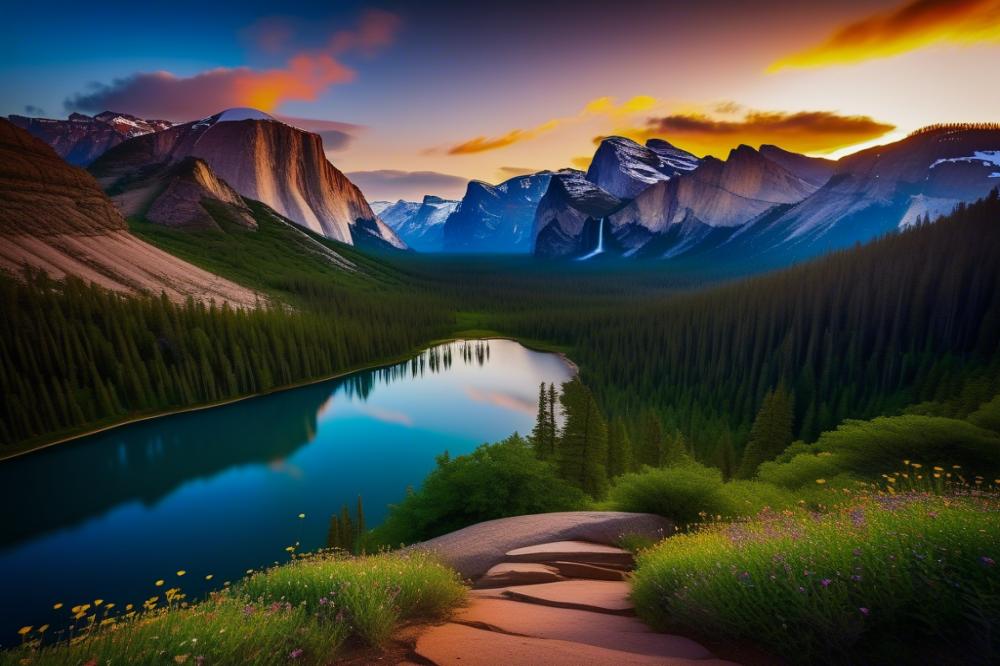
The Grand Trek concept invites adventurers to immerse themselves in the beauty of America’s vast wilderness. Imagine a journey that spans several parks, where each path reveals unique landscapes, diverse wildlife, and stunning vistas. This multi-park Hiking Adventure allows enthusiasts to traverse nature trails that tell the story of our planet’s history. While soaring peaks and lush forests beckon, participants can partake in outdoor exploration that refreshes both body and spirit.
National Parks play a crucial role in preserving the essence of natural beauty for future generations. They offer spaces not just for recreation, but also for conservation awareness. Each visit can spark a deeper appreciation for the environment and the efforts needed to protect it. As travelers navigate through these protected areas, they engage with ecosystems that flourish in ways rarely seen elsewhere.
A multi-park journey enhances the experience by combining several landscapes and climates into one trip. Hiking through different terrains not only offers scenic views, but also creates opportunities for wildlife spotting and learning about various habitats. Each park holds its own treasures, and together they form an adventure that few forget. Those considering this trek should take note of essential travel tips to maximize enjoyment and safety. Proper adventure planning allows for a smooth and enriching experience.
In the end, this Grand Trek encapsulates the spirit of adventure. It promises unforgettable memories forged between friends, new and old. Those who set out on this thrilling Hiking Adventure will find themselves not only challenged but also deeply connected to the great outdoors.
The Experience of National Parks
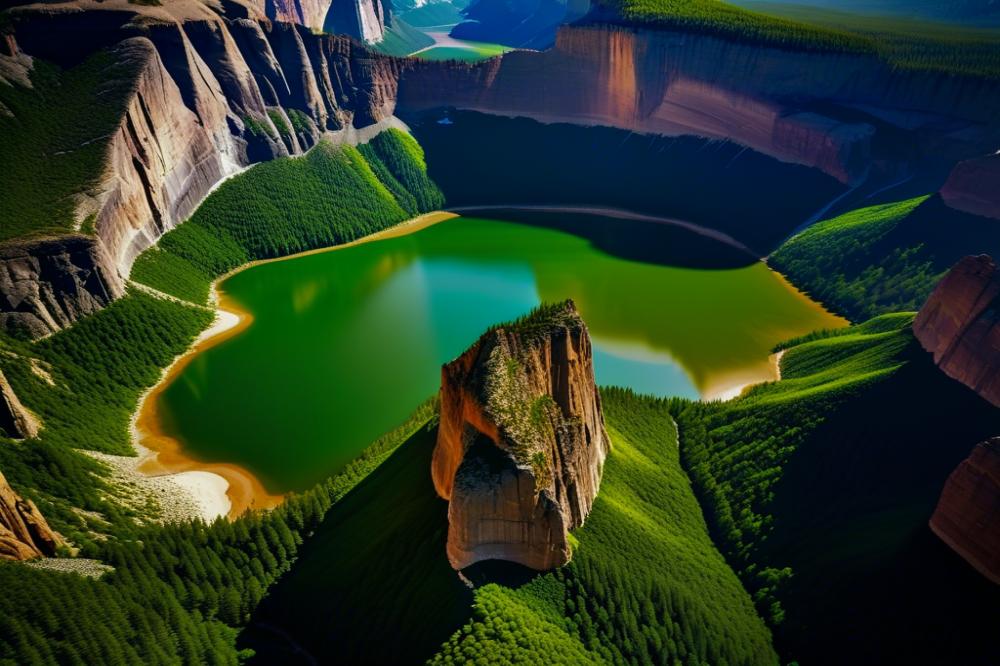
Across the United States, the landscapes found in these parks are remarkably diverse. From sweeping deserts to towering mountain ranges, each park boasts its own charm. One can hike through dense forests, marvel at vast canyons, or walk along crystal-clear lakes. These varying ecosystems create perfect settings for outdoor exploration.
Each stop along the Grand Trek offers different adventures. Some parks are known for their towering waterfalls, while others highlight unique rock formations. Nature trails lead visitors through serene environments that feel untouched. At every turn, a new experience awaits, keeping even the most seasoned backpacker intrigued.
Notable Trails and Landmarks
When planning your journey, consider the iconic trails in each area. For instance, the Bright Angel Trail in the Grand Canyon offers stunning vistas and a real sense of accomplishment. Meanwhile, the Half Dome hike in Yosemite attracts thrill-seekers with its challenging ascent. Each trail, whether flat or steep, brings its own set of rewards.
Wildlife spotting can also make a trip memorable. In Yellowstone, bison roam freely, while in the Everglades, alligators lie sunbathing near the water. Observing these creatures in their natural habitats is exhilarating. It’s essential to maintain a respectful distance from animals to keep both visitors and wildlife safe.
Scenic views are abundant across the parks. At sunset, colors dance across the sky, illuminating the landscape in breathtaking ways. Early risers often find that mornings hold a soft stillness, perfect for reflection. Travel tips shared among adventurers recommend capturing these moments through photography. Full days filled with exploration often lead to unforgettable memories.
Supporting conservation efforts is vital while exploring these areas. Many parks have educational programs that emphasize the importance of protecting our environment. Visitors can learn ways to reduce their footprint and leave no trace behind. Adventure planning should include researching the rules and regulations of each park to help preserve the beauty for future generations.
Ultimately, a multi-park journey invites you to discover the best of nature. With each park displaying its special essence, there’s little chance of boredom. From tranquil lakes to rugged mountains, the Great Trek encourages everyone to immerse themselves in the great outdoors.
Adventure Planning for the Grand Trek
Choosing the Right Parks for a Multi-Park Itinerary
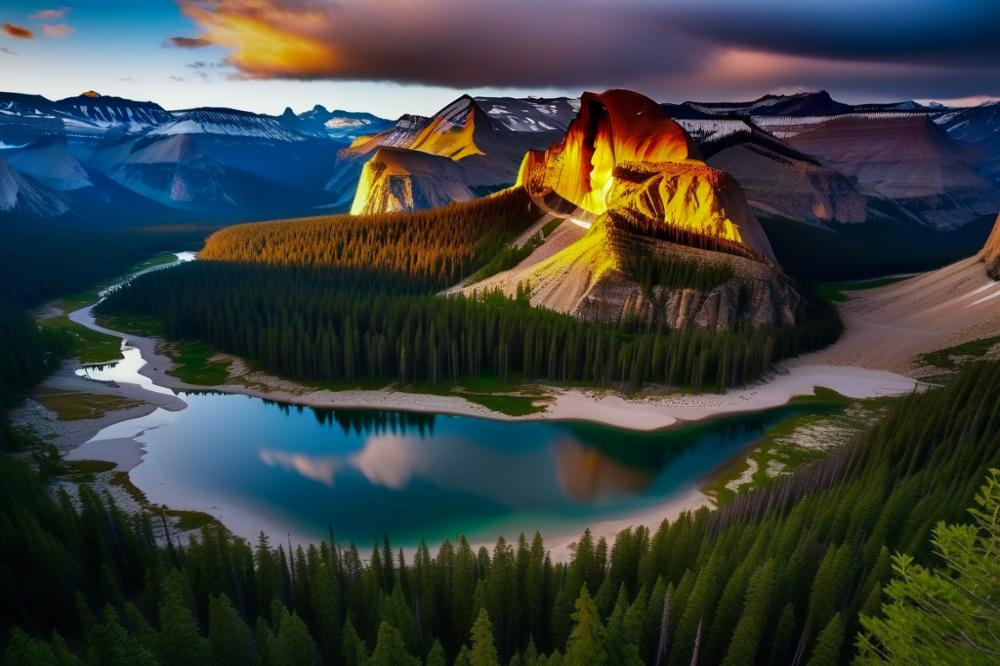
Selecting parks for your Grand Trek is an important first step. Consider attractions like stunning waterfalls, rugged mountains, and expansive deserts. Each park has its own distinct character, and these differences can shape your adventure. Research popular trails and attractions in each location. Some parks might offer wildlife spotting while others are famed for their scenic views. Think about the kind of experience you want. Determine whether you prefer a more peaceful setting or a bustling location with many visitors. Creating an itinerary that reflects your interests is key.
Essential Gear for Outdoor Exploration and Backpacking
Packing correctly for a multi-park journey makes all the difference. Comfort and safety are paramount when exploring nature trails. Sturdy hiking boots are crucial for rough terrains. A durable backpack helps carry essentials like water, snacks, and first-aid items. Lightweight camping gear can also enhance your experience. Consider a tent, sleeping bag, and cooking equipment if you plan on staying overnight. Don’t forget about clothing suitable for varying weather conditions. Layering outfits can be effective against sudden changes in temperature.
Best Times to Visit and Weather Considerations
Timing your visit to the selected parks is essential for enjoying the adventure. Each park experiences different weather patterns throughout the year. Spring and fall often provide milder temperatures and fewer crowds. Summer attracts many visitors but can bring intense heat in some regions. Winter can transform parks into beautiful snowy landscapes, perfect for those ready for cold-weather hiking. Always check forecasted conditions before your trip. Prepare for rain, snow, or sunshine based on your schedule. Proper planning helps you maximize your exploration and ensure a memorable experience.
Nature Trails and Scenic Views
The Grand Trek invites adventurers to explore some of the best trails across various parks. These nature trails offer a chance to connect intimately with the environment. Each park presents a unique landscape, catering to all types of hikers.
Popular Hiking Trails in Different National Parks
In Yosemite, the Mist Trail is famous for its stunning views of waterfalls. Hiking this trail, one can experience the power of nature firsthand. Zion National Park features the iconic Angel’s Landing, a challenging trail that rewards hikers with panoramic vistas. For something gentler, the Emerald Lake Trail in Rocky Mountain National Park offers an easy stroll with beautiful lake reflections.
Spots for Breathtaking Views and Photography
Photography enthusiasts will find numerous viewpoints along their journey. Dead Horse Point in Utah provides a breathtaking overlook of the Colorado River, perfect for sunset shots. Meanwhile, Glacier National Park boasts the scenic Going-to-the-Sun Road, known for its high vantage points. Each of these locations showcases stunning natural beauty that captivates the eye.
Tips for Maximizing Scenic Experiences
Adventure planning should include specific travel tips to enhance outdoor exploration. Start early to catch those magical morning light and avoid crowded trails. Bring a good camera to capture wildlife spotting and extraordinary landscapes. Carry plenty of water and snacks to recharge during long hikes. Lastly, respect the environment and practice conservation principles at every park.
Wildlife Spotting and Conservation Efforts
When embarking on the Grand Trek, hikers can look forward to a variety of wildlife encounters. Many parks are home to fascinating animals like deer, bears, and eagles. Along the nature trails, you might spot a fox darting through the bushes or a herd of bison grazing peacefully in the fields. Such experiences can create lasting memories during your outdoor exploration. However, it’s essential to remember that these are wild animals. Keeping a safe distance is crucial to both your safety and the animals’ well-being.
Conservation plays a vital role in maintaining the ecosystems within these protected areas. Parks strive to preserve natural beauty and support diverse wildlife populations. Protecting habitats ensures that future generations can enjoy the same scenic views and outdoor adventures. As visitors, understanding our impact on the environment is important. Practicing responsible travel helps maintain the parks for years to come. Always stick to designated paths. Littering can harm animals and their habitats, so pack out what you pack in.
Travel tips can enhance your experience and contribute to park preservation. Bring binoculars for wildlife spotting; this helps you observe without disturbing the animals. Educating yourself about the local ecology and animal behavior can deepen your appreciation. Donating to park foundations is another way to help. Many organizations work tirelessly to improve conservation efforts and maintain landscapes for backpacking and hiking. You can also volunteer to clear trails or support educational programs that raise awareness about wildlife conservation.
Every little action counts. Respecting park regulations, such as food storage guidelines, can prevent bears and other animals from becoming too comfortable around humans. This keeps both the wildlife and visitors safe. Engaging with park rangers can provide additional insights. They often share stories about species that you might not encounter on your own. Overall, each visitor can play a part in safeguarding these incredible environments while enjoying the beauty they offer.
Travel Tips for a Successful Adventure
Logistics and Transportation Between Parks
Getting from one park to another can require careful planning. Renting a car is often the best choice. It gives you the freedom to explore at your own pace. Some parks are further apart than they may seem on a map. Research the distances and travel times between stops on your Grand Trek. Consider staying in nearby towns if you don’t want to camp every night. Public transportation is limited in many areas, so your options might be sparse. If you can, travel during the week to avoid larger crowds.
Packing Essentials and Food Planning for Hikes
Packing the right gear is crucial for a multi-park hiking adventure. Start with a comfortable backpack, sturdy boots, and weather-appropriate clothing. Don’t forget to include a first aid kit and navigation tools like maps or a GPS. When it comes to food, plan your meals around your hike schedule. Lightweight snacks such as trail mix and energy bars are easy to carry. For longer excursions, bring a portable stove for hot meals. Make sure to store food properly to avoid attracting wildlife. Meal prepping can help you save time on the trail.
Safety Tips for Outdoor Exploration
Safety should always come first when heading into nature trails. Inform someone of your itinerary before you set out each day. Understand your limits and choose hikes that match your skill level. Take note of any park regulations on wildlife spotting and conservation. Carry plenty of water to stay hydrated, especially in warm weather. Always check the weather forecast to avoid being caught in storms. In case of emergencies, know basic first aid and carry a whistle for signaling. Familiarize yourself with the local wildlife and how to react if you encounter them. Staying alert can help you enjoy the scenic views safely.
Your Adventure Awaits
Experiencing the beauty of America’s natural landscapes is vital for personal growth and well-being. These protected spaces offer a chance to connect with the earth, away from the noise of everyday life. The varied ecosystems and breathtaking views remind us of nature’s power. By immersing ourselves in these environments, we can develop a deeper appreciation for the world around us.
Consider embarking on your own Grand Trek. A multi-park journey allows for exploration across different regions, each with its own charm. Start small, choose a park that sparks your interest, and gradually expand your adventure. Planning an excursion might seem daunting, but with the right approach, you can create lasting memories. Enjoy the process, and remember to embrace the unexpected along the way.
Nature exploration is not just about the destination; it’s also about the journey. Bring friends or family to share these experiences, or venture solo to discover your inner self. As you hike, pause to soak in your surroundings. Every vista, sound, and smell contributes to a unique adventure. Our beautiful landscapes deserve time and attention.
The call of adventure lies not just within the trails, but in the stories waiting to unfold. Each step contains the potential for discovery. Continuing the tradition of exploration unites us across generations. Let’s all take the opportunity to step outside and appreciate the wonders that await.


