
Introduction
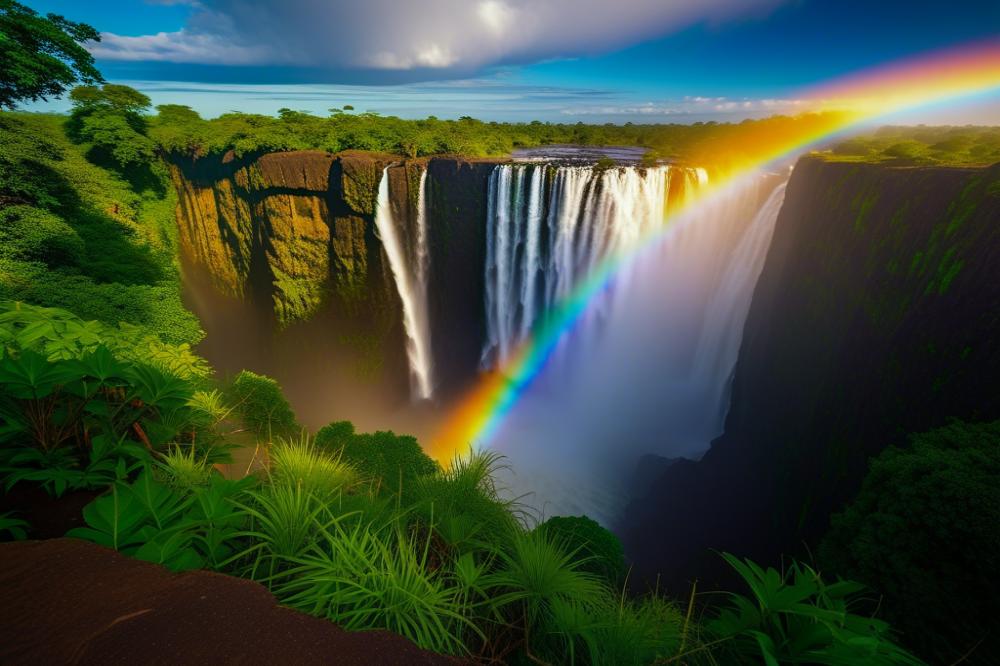
Victoria Falls stands as one of Africa‘s most spectacular natural wonders. Known for its breathtaking beauty and immense power, it draws visitors from all over the world. This waterfall system is not just a tourist attraction; it represents a vital part of the continent’s cultural and natural heritage. Protecting such an iconic site is essential, and the surrounding ecosystem plays a crucial role in its preservation.
Conservation efforts in the region are increasingly important. The health of the ecosystem surrounding Victoria Falls is pivotal for biodiversity. Many species depend on this habitat for survival. However, the region faces numerous threats. Climate change is altering weather patterns, impacting rainfall and river flow. Rising temperatures can lead to droughts that threaten the very existence of this majestic waterfall and its surrounding environment.
Tourism contributes significantly to the local economy. Millions travel to marvel at the falls, seeking adventure and natural beauty. Unfortunately, increased human activity can put pressure on the area. Pollution, litter, and the demand for resources can harm the delicate balance of nature. Effective water management strategies are needed to minimize these impacts. Sustainable practices can help limit the negative effects of tourism while still allowing people to enjoy this remarkable site.
In light of these challenges, the Victoria Falls watershed conservation Project aims to address the pressing issues surrounding this treasure. This initiative seeks to protect not only the waterfall but also the surrounding ecosystems. By promoting awareness and implementing strategies for environmental protection, the project hopes to ensure that this natural wonder remains for future generations. Without these efforts, the future of the waterfall and its surrounding environment may be at risk, making effective conservation an absolute necessity.
Understanding the Victoria Falls Watershed
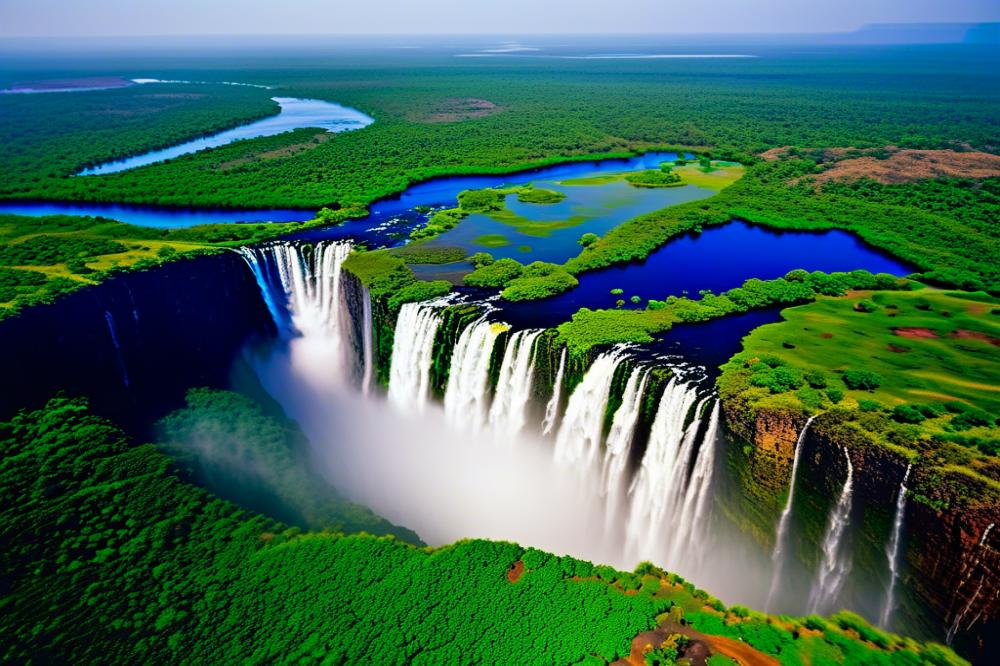
The geographical area surrounding this famous waterfall system is rich and diverse. It spans parts of Zambia and Zimbabwe, covering a variety of landscapes. The watershed includes savannahs, forests, and river systems, all interconnected in supporting life. This region is a vital source of water, not only for the falls but also for surrounding communities.
Flora and fauna thrive in this unique environment. The watershed supports numerous plant species, from towering trees to delicate flowers. These plants play crucial roles, helping to maintain soil health and prevent erosion. wildlife also flourishes here. Many animals, including elephants and various birds, depend on this habitat. Each species contributes to the overall ecosystem, making biodiversity essential for the area’s health.
Water management practices have become increasingly important in this region. Sustainable techniques can help balance the needs of human populations and the natural environment. Proper management means protecting the water sources that feed into the falls. Tourists flock to see the majesty of the waterfall system, and maintaining that beauty is key to local economies.
Climate change poses serious threats to both the watershed and the waterfall itself. Altered weather patterns can affect rainfall and river flow. Water conservation methods can reduce stress on these vital resources. Implementing practices that promote environmental protection aids not only in conservation efforts but also ensures future generations can enjoy this natural wonder.
This conservation project focuses on preserving the entire watershed. Community involvement is crucial, as local residents are often the best stewards of their environment. Educating people about the importance of biodiversity encourages protective measures. Everyone can play a role in supporting the area’s ecosystems, from individual actions to larger initiatives.
The Victoria Falls watershed conservation Project
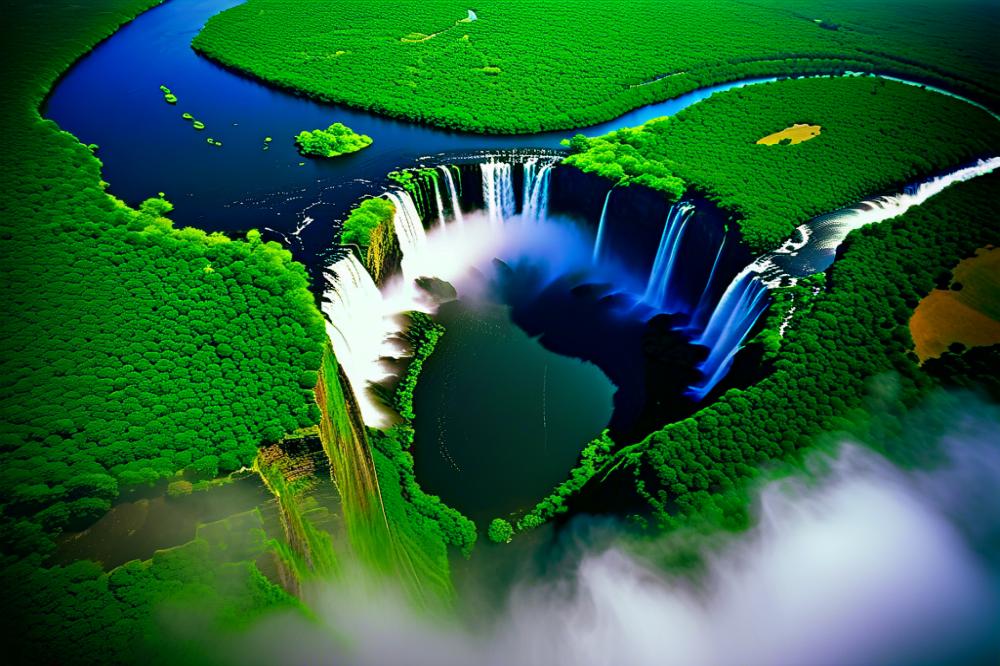
The main goal of the Victoria Falls Watershed Conservation Project is to protect and manage the delicate ecosystem surrounding this stunning waterfall. This initiative aims to promote biodiversity while addressing the challenges brought by climate change and human activity. Several clear objectives guide the project, such as restoring habitats, conserving water resources, and fostering sustainable tourism.
Strategies Employed in the Project
One important strategy is habitat restoration. This involves planting native trees and plants to support local wildlife. Enhancing the natural environment helps in maintaining the balance of local ecosystems. Environmental protection measures are also critical. These measures include creating buffer zones around sensitive areas to reduce pollution and protect water quality. Keeping water sources clean is essential for wildlife and human communities alike.
Community involvement plays a key role. Residents participate in education programs that focus on the benefits of conservation. Workshops help locals understand sustainable practices that can benefit both their livelihoods and the environment. Additionally, local people are encouraged to engage in eco-tourism, which brings economic benefits.
The Role of Local Communities
Local communities have a significant responsibility in managing the ecosystem. Traditional knowledge helps define how best to care for the land. Their participation ensures that conservation efforts reflect the needs and values of the people who live there. Engaging locals fosters a sense of ownership and pride in protecting their heritage.
Tourism is another aspect where communities can thrive. Well-planned eco-tourism attracts visitors while minimizing negative environmental impacts. The presence of tourists can provide job opportunities and promote local crafts. Ultimately, this can lead to the sustainable development of the area.
In summary, the project combines habitat restoration, environmental protection measures, and community engagement. These strategies are designed to create a balanced approach to conservation. Each element contributes to a stronger and more resilient ecosystem around Africa’s iconic waterfall system.
Impact of Climate Change on Victoria Falls
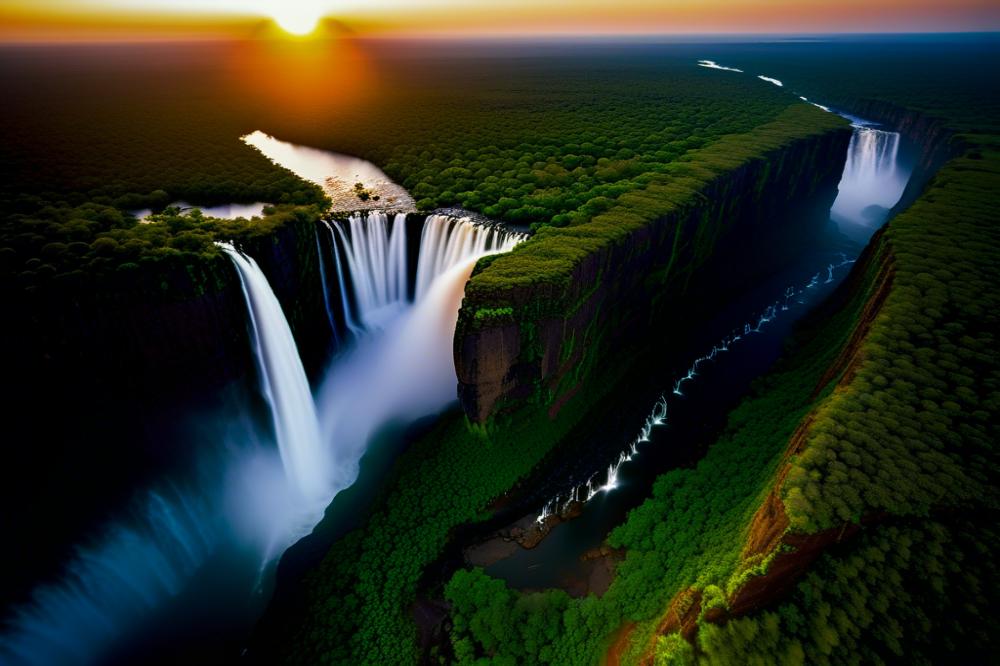
Climate change poses serious threats to this iconic waterfall system. Changes in weather patterns lead to droughts and reduced rainfall. These alterations affect the water flow significantly, leading to lower water levels. A weaker flow can diminish the stunning visual spectacle that attracts countless visitors. The surrounding ecosystem suffers too, struggling to adapt to these new conditions.
Wildlife in the area relies on abundant water for survival. As streams and rivers shrink, so does their habitat. Biodiversity is at risk as some species may not survive the changes. Tourism is a major part of the region’s economy, and fewer visitors may impact local businesses. Tour guides and vendors heavily depend on a vibrant natural environment for their livelihood.
The conservation project aims to tackle the challenges that climate change presents. Water management is a crucial area of focus. Innovative strategies are being implemented to store and distribute water more efficiently. This helps maintain a steady flow, even during dry periods. By doing this, it supports both the waterfall and the local ecosystems.
In addition, efforts to promote sustainability are underway. These initiatives include restoring native vegetation that helps retain moisture in the soil. Healthy plant life prevents soil erosion and supports various animal species. The project seeks to create resilience within the ecosystem, allowing it to better adapt to changes over time.
Community engagement remains vital for effective conservation. Locals are educated about the importance of environmental protection. By raising awareness, the project fosters a collective responsibility towards the surrounding nature. Healthy ecosystems support all life forms, reinforcing the need for strong cooperation among diverse groups.
Biodiversity and Tourism: A Sustainable Balance
Investigating the connection between biodiversity conservation and tourism around Victoria Falls reveals a complex relationship. Conservation efforts often face challenges from the increasing number of visitors who wish to experience this natural wonder. Balancing tourism with environmental protection is crucial for maintaining the local ecosystem.
To promote sustainable tourism practices, the project has launched various initiatives. These strategies aim to minimize the ecological footprint of visitors while maximizing benefits for local communities. Guided eco-tours educate tourists about the importance of preserving biodiversity. Such awareness fosters respect and encourages responsible behavior in natural areas.
Additionally, local businesses benefit directly from eco-tourism. Money spent by tourists on lodging, food, and activities can uplift entire communities. This financial support helps fund essential conservation efforts. By focusing on sustainable practices, the project promotes a healthy environment and boosts the local economy.
Climate change poses a significant threat to ecosystems in Africa. Water management becomes vital in mitigating its effects on biodiversity. The project addresses these challenges while involving local communities in conservation activities. Training programs educate residents on sustainable practices and environmental stewardship.
Together, these efforts create a symbiotic relationship between tourism and conservation. High visitation rates provide revenue that can be reinvested into protecting the region’s natural beauty. The dual focus on preserving the environment and encouraging visitor engagement sets the stage for a sustainable future. In this way, everyone can enjoy the majesty of this iconic waterfall system, while also committing to its preservation.
Success Stories and Challenges
The Victoria Falls Watershed Conservation Project has made notable strides in protecting this iconic ecosystem. Restored habitats have become a safe haven for numerous species. Through dedicated efforts, local wildlife has seen a rebound, leading to increased biodiversity. Animals that were once at risk can now thrive in safer environments. Birds, mammals, and unique plant species are flourishing thanks to this initiative.
Tourism also benefits from these improvements. Visitors come to appreciate both the breathtaking scenery and the rich wildlife. Local communities find economic opportunities through eco-tourism, which supports sustainable practices. These new ventures can help reduce reliance on destructive practices that harm the environment. Tourism is not only a revenue source; it also raises awareness about the importance of environmental protection.
Challenges remain a significant part of this conservation project. Continued funding is crucial for long-term success, but securing financial resources can be difficult. Local and international support can often waver due to various economic factors. Political backing is another hurdle that must be addressed. Stability in governance plays a vital role in sustaining conservation efforts.
External threats constantly loom, such as climate change and human encroachment. These issues disrupt water management and pose risks to the delicate ecosystem. Invasive species also threaten native flora and fauna. Each of these challenges requires ongoing attention and innovative solutions. Community engagement is vital to foster a sense of shared responsibility and awareness.
Ultimately, the balance between tourism, biodiversity, and sustainability hinges on continuous collaboration among all stakeholders. Engaging local communities enhances the impact of the conservation project. A collective effort can lead to stronger outcomes for both nature and people. Many successes have been achieved, yet the journey towards effective waterfall conservation is far from complete.
Protecting Our Natural Heritage for Future Generations
The importance of safeguarding the watershed surrounding this magnificent waterfall system cannot be overstated. Clean water, diverse wildlife, and lush vegetation all thrive in this special area. For many, it is a source of inspiration and a symbol of Africa’s natural beauty. Future generations deserve to experience these wonders just as we have. Ensuring the health of these ecosystems is vital. We must remember that every action today can impact the environment for years to come.
Support for ongoing conservation initiatives plays a critical role in this effort. Local communities, governments, and tourists must come together to protect this ecosystem. Awareness is the first step towards meaningful involvement. Engaging in conservation activities can take many forms, from volunteering at local organizations to participating in educational programs. Each small contribution matters and can lead to significant change.
The time to act is now. By taking part in these efforts, we acknowledge the value of our natural landscape. Together, we can promote waterfall conservation and foster a sustainable environment. Let’s inspire others to join us in this vital cause. Protecting the watershed is not just a responsibility; it is a shared legacy for everyone. We can create a lasting positive impact if we unite for this cause.


