

urban foraging 101
As cities grow, a fascinating trend is emerging: the practice of gathering food from nature right in our backyards. urban foraging taps into the natural resources available within metropolitan areas. It helps people connect with their local environment while discovering the wild edibles that often thrive among the concrete.
Many urban areas boast impressive local biodiversity. Parks, gardens, and even sidewalks can host a variety of plants that serve not only as habitats for wildlife but also as sources of nutritious food. Embracing this diversity is crucial for food security, especially as communities seek alternatives to industrial agriculture. By knowing what to look for, individuals can supplement their diets with foraged items.
The benefits of scavenging for food go beyond nutrition. Engaging in this practice encourages sustainability. It promotes the idea of using what’s already available rather than relying on store-bought goods. Collecting food in such a manner fosters a deep connection to nature in cities, reminding us of the environment that often gets overlooked amid urban life.
foraging tips can be found in various resources. An understanding of the local ecosystem empowers people to gather safely. Certain wild plants also provide herbal remedies, adding health benefits to the act of foraging. As urban agriculture continues to grow, more inhabitants are discovering the joy of connecting with the greenery around them. It’s a valuable skill that can enhance understanding of local ecosystems while offering a fun and interactive way to spend time outdoors.
Understanding Urban Foraging

Urban foraging has gained popularity as a way for people to connect with their environment. This practice allows city dwellers to gather wild edibles right from their neighborhoods. Historically, humans relied on foraging before agriculture took hold. Today, foraging revitalizes that ancient tradition in modern cities, fostering a deeper connection to local ecosystems.
Distinguishing between wild edibles and cultivated plants is essential. Wild edibles grow spontaneously in nature, often without direct care from humans. Common examples include dandelions and purse lane. In contrast, cultivated plants are grown in gardens or farms, typically with human intervention. In urban settings, both have value, but wild plants can often provide unexpected food sources.
Foraging fits neatly into the larger framework of city gardening and urban agriculture. Many individuals are transforming empty lots or backyards into thriving spaces for food production. These activities promote sustainability by reducing reliance on store-bought food. When communities embrace foraging, they enhance local biodiversity and food security. Natural elements can thrive alongside buildings, creating vibrant landscapes.
foraging tips from experienced gatherers can aid beginners. Start by learning about common edible plants in your area. Resources like field guides or local foraging groups can offer support. It’s wise to wear gloves and avoid areas near roads to minimize pollution risk. Safety is paramount; always positively identify plants before consuming them. Some may have look-alikes that are harmful.
Herbal remedies also play a role in this urban movement. Many wild plants, like nettles or chickweed, have properties that support health and well-being. People searching for natural solutions are discovering that nature in cities holds many secrets. Connecting with the land in this way fosters a sense of community and resilience. By sharing knowledge, urban foragers can empower each other.
Common edible plants in US Cities
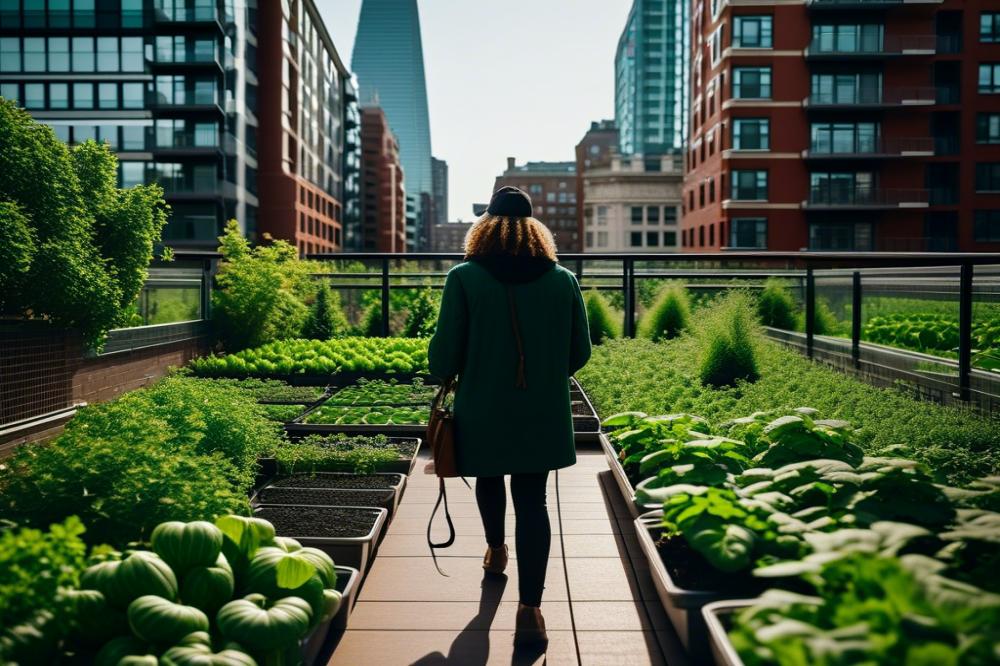
Urban foraging offers a glimpse into the wild edibles thriving right in our backyards. Many cities across the United States are home to a variety of edible plants. These plants are not just free food; they also connect us to nature in cities and enhance local biodiversity. Below are some common edible plants you can find while exploring urban landscapes.
Dandelion
Dandelions are often seen as pesky weeds. However, they are packed with nutrients. Both the leaves and flowers are edible. Young leaves can be eaten raw in salads or cooked like spinach. Their roots can be roasted to make a caffeine-free coffee substitute. Foraging tips include using dandelions as a tonic for liver health and promoting overall wellness through herbal remedies.
Chickweed
Chickweed is a tender green that delights many foragers. It features small, star-like flowers and grows low to the ground. This plant has a mild taste, making it perfect for salads or sandwiches. High in vitamins A and C, chickweed is an excellent addition to a healthy diet. It has also been used in herbal remedies for soothing skin irritations.
Purslane
Purslane is often overlooked but is packed with omega-3 fatty acids. This succulent plant has a tangy flavor that complements dishes like salads and stir-fries. Many gardeners find it easy to cultivate in urban agriculture. It can be sautéed, added to soups, or enjoyed fresh. This nutrient-rich plant helps enhance food security in urban environments.
Lamb’s Quarters
Lamb’s quarters is a wild green often found in gardens and vacant lots. Its leaves resemble spinach and are highly nutritious. It can be used in any dish that calls for greens. Cooking tips include adding it to omelets or stews. Rich in vitamins and minerals, it serves as a wonderful substitute for conventional greens.
Wild Garlic
Wild garlic offers a delightful and pungent flavor to meals. This plant has long, slender leaves and a strong aroma. It can be used the same way you would use regular garlic—both raw and cooked. Try chopping it into salads or adding it to pasta dishes. As an herbal remedy, it’s known for promoting heart health and boosting the immune system.
Nettles
Nettles may sting when touched, but they are highly nutritious when cooked. Once boiled or steeped in hot water, their sting disappears. These greens can be blended into soups, sauces, or even pesto. They are also rich in iron and vitamins. Foraging safety is crucial; always wear gloves when harvesting them to avoid the sting!
Foraging Tips for Beginners
Foraging can be an exciting adventure. However, new foragers need to approach this exploration with care. Accurate plant identification is crucial for safety. Some wild edibles can have toxic look-alikes that pose serious health risks. Always research plants before consuming them. Using a field guide or foraging app can help distinguish between the safe and harmful varieties.
Essential tools make foraging easier. A good knife is handy for cutting herbs and vegetables. A basket or cloth bag helps gather your finds without bruising them. Consider carrying a small notebook to jot down notes about your discoveries. A camera can assist in documenting your foraged plants for later identification or sharing with friends.
When foraging in urban environments, know local regulations. Some cities have specific rules about harvesting plants in public spaces. Respecting these laws helps protect local biodiversity. Before picking anything, check if it’s permitted. This practice not only avoids fines but also supports sustainable habits.
Ethical harvesting is another important aspect. Take only what you need and leave plenty behind for others and for wildlife. This approach promotes a healthy ecosystem. Remember, plants play a vital role in creating nature in cities, supporting urban agriculture and city gardening initiatives.
Engaging with your community can enhance your foraging experience, too. Joining local foraging groups lets you learn from more experienced gatherers. Sharing tips and locations of herbs and fruits fosters food security in urban areas. As you venture out, pay attention to your surroundings. Look out for signs of pollution or chemicals that can affect the safety of your finds.
Wild edibles can also be used for herbal remedies. Many common plants have healing properties that go unnoticed. Familiarize yourself with these plants to expand your knowledge and use them responsibly. Overall, enjoy your foraging journey and respect the environment. By practicing safe and ethical foraging techniques, you can contribute to a more sustainable future while enjoying the gifts that nature provides.
Foraging Safety and Sustainability
Foraging in urban environments can be exciting, but safety should always come first. Identifying edible plants correctly is crucial. Many wild edibles have toxic look-alikes. Therefore, it is important to study local flora before venturing out. Carry a reliable plant guide or download an app for identification. Familiarize yourself with common edible and poisonous plants in your area.
Maintaining sustainability while foraging is equally important. Harvesting small amounts is a good practice. Taking only what you need allows local biodiversity to thrive. Over-harvesting can threaten plant populations. Responsible foraging supports healthy ecosystems and ensures food security.
Be mindful of where you forage. Urban gardens and parks may be treated with pesticides or chemicals. Avoid collecting plants near busy roads or polluted areas. Pesticides can linger on leaves, making them unsafe to eat. Always wash any collected plants thoroughly before consumption.
Engaging with nature in cities can be a wonderful experience. Urban agriculture and community gardens often offer a variety of edible plants. Connecting with local gardening groups may also provide insights on safe foraging and city gardening. Additionally, local workshops can educate people on making herbal remedies from wild plants.
When you forage, respect your surroundings. This means leaving no trace behind and not damaging habitats. Each plant plays a role in the local ecosystem. By foraging sustainably, you contribute positively to your environment. Encourage awareness about pollution and sustainability among fellow foragers. Together, it’s possible to enjoy nature in cities without causing harm.
The Role of Urban Foraging in Food Security
Food security is a pressing issue in many urban environments. Foraging in cities can help strengthen local food networks. Residents can find wild edibles in parks, along sidewalks, and in neglected lots. This practice taps into existing plant life, offering fresh and nutritious options. More people can connect with their surroundings through this activity.
Food deserts, areas with limited access to affordable and nutritious food, often impact lower-income communities. In such neighborhoods, foraging presents a chance to fill that gap. Individuals can gather fruits, herbs, and greens right from their landscape. This not only diversifies diets but also reduces reliance on expensive grocery stores. Learning foraging tips leads to a deeper understanding of what grows naturally nearby.
Community foraging initiatives are popping up across the country. These programs bring neighbors together to explore local nature in cities. They encourage people to share knowledge about wild plants and prepare herbal remedies. Each gathering builds relationships and fosters cooperation. This contributes to local resilience, making communities more self-sufficient.
Urban agriculture often goes hand in hand with foraging. City gardeners can grow their own food while supplementing their harvest with wild finds. This blend boosts local biodiversity. Various plants coexist and thrive in urban spaces, enhancing overall ecology. It highlights the importance of sustainability in our food systems.
Safety is a top priority when foraging. Knowing what is safe to eat is essential to avoid harmful plants. Proper education on foraging safety can empower individuals to harvest wisely. Engaging in this practice promotes environmental awareness and a sense of stewardship. Together, communities can reshape their food landscapes and improve food security.
Embracing Nature in the City
Urban foraging offers a fresh perspective on city living. It connects residents to their natural surroundings, revealing the abundance of wild edibles often overlooked. Engaging in this practice can enhance a sense of community and encourage people to work together. By sharing foraging tips, friends and neighbors can learn from one another, creating bonds over shared experiences and knowledge.
Environmental awareness is vital today. Cities can be green spaces when residents recognize the edible plants living among them. This practice helps sustain local biodiversity. A diverse ecosystem not only enhances beauty but also supports various forms of wildlife, ultimately benefiting the community as a whole.
Health is another significant advantage of foraging. Many edible plants are nutritious and can improve diets. Fresh, home-gathered food is often more flavorful than store-bought produce. Encouraging individuals to explore their surroundings promotes a more sustainable lifestyle, reducing dependence on commercially sourced food.
Cities should not only be concrete jungles. They can also be places where residents reconnect with nature. Every corner, park, or sidewalk might hide a treasure trove of edible plants waiting to be discovered. Curiosity and a willingness to learn can transform everyday walks into exciting adventures.
So, step outside. Go beyond the ordinary and engage with what’s around you. Discover the culinary delights that are often merely a few steps away. This not only nourishes the body but uplifts the spirit. By embracing foraging, you contribute to a healthier community and a greener planet.


