

Urban survival foods: Identifying edible weeds and Plants in US Cities
Survival foods can play a critical role in both emergencies and everyday life. The need for local food sources is becoming more apparent, especially in bustling city environments. As urban landscapes continue to grow, so does the interest in finding food that grows naturally among us. It’s both resourceful and practical to explore what’s available right outside our doors.
Recently, more people are leaning toward foraging. Identifying wild plants offers many benefits. Not only does this practice help individuals connect with nature, but it also encourages sustainable living. Residents in metropolitan areas are discovering that they can supplement their diets with something as simple as a leafy green or a fragrant herb growing on a sidewalk. City gardening has expanded beyond traditional methods to include these wild edibles, turning concrete jungles into urban edible landscapes.
The nutrition from weeds often surprises many. These plants can be just as nutritious as common garden vegetables. For example, dandelions and chickweed are both packed with vitamins and minerals. Many people may not realize that these foraged items can be incorporated into meals. Understanding how to identify these edible plants is key for anyone interested in urban foraging. With a little practice, anyone can learn a few foraging tips and enjoy the bounty of their environment.
Herbal medicine, derived from nature, has gained traction too. Individuals are seeking ways to tap into the healing properties of local wild plants. This growing interest in natural remedies indicates a shift toward a more holistic lifestyle. As cities become more crowded, this knowledge encourages people to look beyond grocery stores and embrace what their surroundings provide.
In conclusion, embracing urban survival foods is not just a trend; it’s a movement towards sustainability. By recognizing and utilizing wild plants, we not only nourish ourselves but also foster a deeper appreciation for our natural world. In the following sections, we will dive deeper into various edible weeds and plants available in cities across the United States, helping everyone become more informed foragers.
Edible Weeds: The Hidden Nutrition in Urban Areas
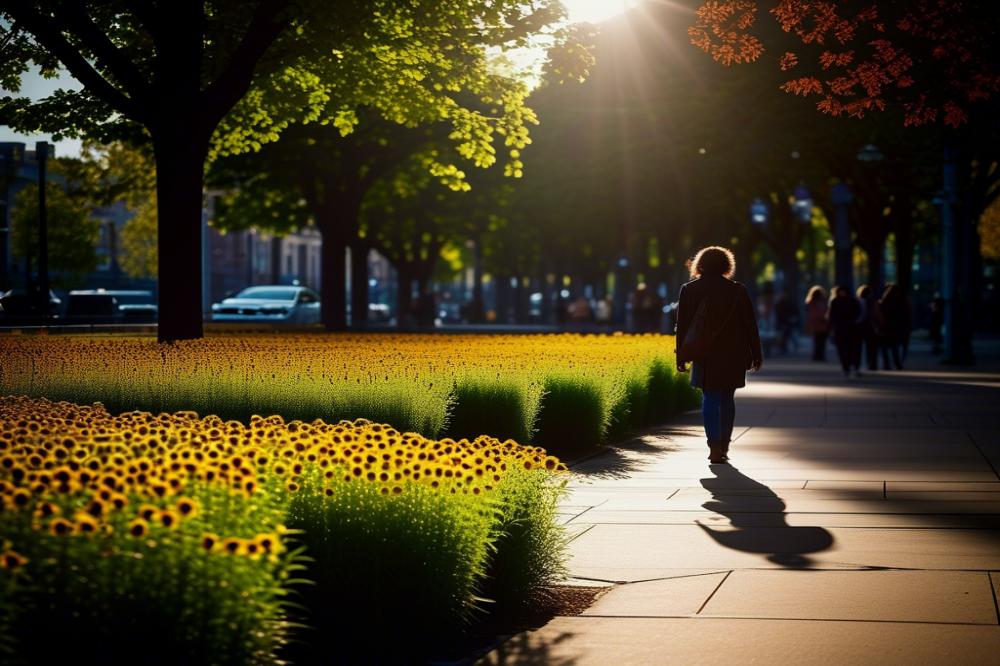
In every urban environment, a treasure trove of wild plants grows unnoticed. These often-overlooked species are not just nuisances; they are survival foods packed with nutrients. Common examples include dandelions, purslane, and lamb’s quarters. Each of these plants is easy to identify and can often be found in parks, empty lots, and even sidewalks.
Consuming these weeds provides a variety of nutritional benefits. Many of them are rich in vitamins A and C, along with essential minerals like iron and calcium. Incorporating them into meals can boost daily intake of these nutrients without spending much money. Foraged greens can also aid in digestive health and improve overall well-being.
Practicing city gardening can make urban living more sustainable. By incorporating wild plants into our diets, individuals can reduce reliance on store-bought produce. This shift contributes to a more eco-friendly approach by minimizing food miles and supporting local ecosystems. Gardening with these plants allows people to actively participate in sustainable living.
Local food sources are vital for community resilience. When neighborhoods start to recognize the value of these wild plants, they foster a culture of foraging and sharing. Urban edible landscapes become more common, allowing people to learn essential plant identification and foraging tips. Sharing knowledge about these nutritious plants can empower citizens and build stronger connections within communities.
Identifying Wild Plants in Urban Environments

Techniques for Plant Identification
Recognizing wild plants begins with basic observation. Focus on the shape, size, and color of leaves. Flowers are also key indicators. Photographs can be very helpful for later comparison. Many useful apps help in identifying species. Books and online resources provide guides with pictures. Learning to differentiate between similar-looking plants is vital. Engaging in community workshops or foraging groups can enhance skills as well.
Common Edible Weeds Found in U.S. Cities
In various urban settings, some common wild edibles might surprise you. Dandelions, for example, thrive in neglected spaces. Their leaves are nutritious and can be added to salads. Purslane is another favorite, often growing in sidewalks and gardens. This succulent plant offers omega-3 fatty acids and adds a crunchy texture. Chickweed, with its mild flavor, can often be found in gardens. It is an excellent addition to sandwiches and salads. Lamb’s quarters is another contender; it resembles spinach and is packed with vitamins.
Seasonal Availability and Foraging Tips
Finding these wild plants can depend largely on the seasons. Spring offers a bounty, with blooming dandelions and tender shoots. In summer, herbs and leafy greens like purslane are plentiful. Fall can yield seeds that can be collected and stored. Plan your foraging trips after rain; moisture helps plants thrive. Always forage in public spaces or your garden to avoid trespassing. Carry a field guide during foraging trips. This will help identify wild plants accurately.
Cautionary Advice on Foraging
Proper identification is crucial when gathering wild plants. Some edible species have toxic look-alikes. Always double-check before consuming anything. Pollution is a concern; avoid foraging near roadsides or industrial areas. Chemicals can leach into plants, making them unsafe to eat. It’s also wise to wash any wild plants thoroughly before use. Choosing locations away from heavy foot traffic can enhance safety. Lastly, remember to forage sustainably. Picking only what you need helps preserve local food sources for others.
City Gardening: Cultivating Edible Plants
Urban gardening is an exciting trend catching on in cities across the United States. Residents are transforming their small balconies, rooftops, and backyards into green spaces teeming with life. This practice not only beautifies the environment but also provides fresh produce. Gardeners can grow a variety of edible plants, such as tomatoes, peppers, and herbs, in limited spaces. The movement encourages sustainable living while reconnecting people with nature.
Incorporating Wild Plants into Urban Gardens
Adding wild plants to city gardens can enhance both biodiversity and utility. Many neighborhoods house wild species that are nutritious and flavorful. By understanding plant identification, city dwellers can create dynamic gardens featuring both cultivated crops and native species. Some common wild plants, like dandelion and purslane, are often overlooked but can serve as survival foods. Including these options enriches the garden while boosting the local ecosystem.
Benefits of Growing Edible Weeds at Home
Growing food at home comes with numerous advantages. First, it lowers grocery costs and reduces dependence on commercial food systems. Nutrition from weeds can be surprisingly high, offering essential vitamins and minerals. Furthermore, cultivating plants for culinary and medicinal purposes encourages self-sufficiency. People interested in herbal medicine find that growing these plants at home makes it easier to access fresh ingredients.
Tips for Creating an Urban Edible Landscape
Designing an urban edible landscape requires thoughtful planning. Start by assessing the available space; even the smallest patio can host containers for herbs and leafy greens. Consider vertical gardening to maximize limited room. Use reclaimed materials for raised beds or plant pots to promote sustainability. Research local food sources to find native species suited for the climate. Many community organizations offer foraging tips, helping beginners identify the right plants quickly. Lastly, engage with neighbors to share tips and resources that can enhance the gardening experience.
Herbal Medicine: Utilizing Edible Weeds for Health
Many urban dwellers overlook the benefits of wild plants that thrive in their surroundings. These plants are more than just weeds; they can offer significant health benefits. Various species found in streets and parks provide essential nutrition and medicinal properties. Forgetting about them is a missed opportunity for sustainable living and a chance to supplement diets with local food sources.
Overview of Medicinal Properties of Common Edible Weeds
Dandelion is one of the most common plants you can find. This bright yellow flower is packed with vitamins A, C, and K. The leaves are often used in salads or teas. Another useful plant is chickweed. It can be soothing and is known for its anti-inflammatory properties. Foraging tips include looking for these plants in your backyard or nearby parks.
Plantain is another wild plant that grows readily in urban areas. It works well for treating minor cuts and insect bites due to its healing properties. Nettle is often ignored but is rich in iron and vitamin C. Many people have discovered its benefits by incorporating it into soups or teas. Gardens don’t have to be limited to cultivated varieties. City gardening can include these beneficial plants easily.
Recipes and Applications for Herbal Remedies
Making herbal remedies can be simple. A dandelion infusion is one way to start. Boil dandelion leaves in water for a soothing tea. Another recipe involves chickweed as a poultice. Mix fresh leaves with a little water and apply them to sore areas for relief. Nettle can be prepared in soup. Just add the leaves to vegetable broth, and simmer until tender.
Pine-infused oil is another interesting project. Gather young pine needles and steep them in olive oil for a few weeks. This oil is ideal for massage and skin applications. These easy recipes encourage people to get hands-on with herbal medicine.
Integrating Herbal Medicine into Daily Wellness
Making wild plants part of your routine is easier than it seems. Start small by adding fresh dandelion leaves to your salads. A tea with chickweed can be a great afternoon pick-me-up. Consider incorporating plantain poultice into your first-aid kit for minor injuries. The nutrition from weeds can enhance wellness and enrich daily meals.
Finding ways to use these plants encourages not only healthy habits but also connects individuals with their environment. Identifying these plants in your neighborhood promotes a sense of community and awareness of the urban edible landscape. Engaging with local flora can lead to a healthier lifestyle and greater appreciation for your surroundings.
Final Thoughts on urban foraging
Urban areas often hide a treasure trove of edible plants that can enhance both our diets and our connection to nature. Recognizing the value of these wild plants can be crucial, especially in a time when food security is becoming a more pressing issue. For many city dwellers, incorporating these survival foods into daily life can transform how they view their city, turning neglected spaces into foraging grounds.
Exploring local parks, sidewalks, and even backyards can reveal a variety of nutritious options. Identifying and experimenting with these plants can lead to exciting culinary adventures. Besides, fostering this knowledge promotes an appreciation for the environment and encourages a desire to protect it. Nature’s bounty is closer than you might think.
Making the choice to forage or garden brings more than just sustenance; it lays the groundwork for sustainable living. While you navigate urban landscapes, remember to respect local ecosystems. This respectful approach not only conserves nature but also encourages biodiversity.
So, why not take the first step today? Step outside, look around, and start your journey toward blending survival strategies with everyday life. The next time you stroll through your neighborhood, keep an eye out for those hidden nuggets of nourishment. Transforming your relationship with your urban space might be just around the corner.


