weatherproofing Your Backyard vegetable garden
backyard gardening can be a rewarding experience. However, weather conditions often pose challenges to growing healthy plants. Hot sun, heavy rain, or unexpected frost can threaten your crops. By taking steps to protect your garden, you invest time and effort wisely. weatherproofing your garden leads to better yields and healthier plants.
A well-protected vegetable garden provides numerous benefits. First, you can extend your growing season. Using items like frost cloth or garden covers helps shield plants from low temperatures. This simple step can make a big difference in your harvest. Additionally, effective drainage solutions can keep roots safe from standing water. Healthy roots mean robust plants.
Wind can also take a toll on your garden. Creating windbreaks can protect fragile seedlings from harsh gusts. Alternatively, raised beds provide elevation, helping with airflow while minimizing waterlogging. Similarly, mulch retains moisture and suppresses weeds, making maintenance easier. Many gardeners choose organic gardening methods, promoting sustainability along with resilience.
Lastly, effective irrigation systems guarantee that your plants receive adequate moisture. A consistent supply of water is crucial, especially during hot spells. With the right precautions and strategies, your backyard vegetable garden can thrive regardless of Mother Nature’s whims. Taking these steps not only ensures plant protection but also fosters a flourishing environment.
Understanding Weatherproofing Your Backyard Vegetable Garden
Weatherproofing is a term that encompasses the strategies and techniques used to protect your garden from harsh weather conditions. In the context of backyard gardening, it means taking steps to safeguard plants from damage caused by rain, frost, strong winds, and too much sun. Each of these weather factors can impact the health and growth of your vegetables. Understanding these elements is crucial for any gardener aiming for a successful yield.
Key Weather Factors Affecting Gardens
Excessive rain can lead to waterlogged soil, which harms root systems. Using drainage solutions helps to direct excess water away from your garden beds. It protects plants during heavy downpours, allowing them to thrive instead of drowning.
Frost poses another significant threat. Overnight temperatures may dip unexpectedly, damaging tender plants. One effective approach is to use frost cloth to cover your vegetable beds. This barrier traps warmth and shields your crops from icy conditions.
Wind can severely impact delicate plants. It may uproot seedlings or break branches. Consider adding windbreaks like fences or tall shrubs to create shelter. These barriers can buffer harsh gusts and create a more stable environment for growth.
Sunlight is essential for photosynthesis, but too much of it can scorch leaves. Mulch acts as a protective layer for soil, reducing evaporation and keeping the temperature steady. Additionally, raised beds can help in managing sun exposure. They allow for better drainage and can be designed to face the sun, optimizing growth conditions.
Irrigation systems can also help combat dry spells. Consistent watering is key in maintaining healthy plants, especially during hot summer months. Effective plant protection becomes vital when unpredictable weather patterns arise. Each factor plays a role in the overall health of your backyard garden. Planning for these weather-related challenges is an integral part of organic gardening.
Plant Protection Strategies
Plant protection is key to successful backyard gardening. Various techniques can safeguard your crops from harsh weather elements. Understanding these options can help you maintain a healthy garden throughout the seasons.
Using Garden Covers for Shelter
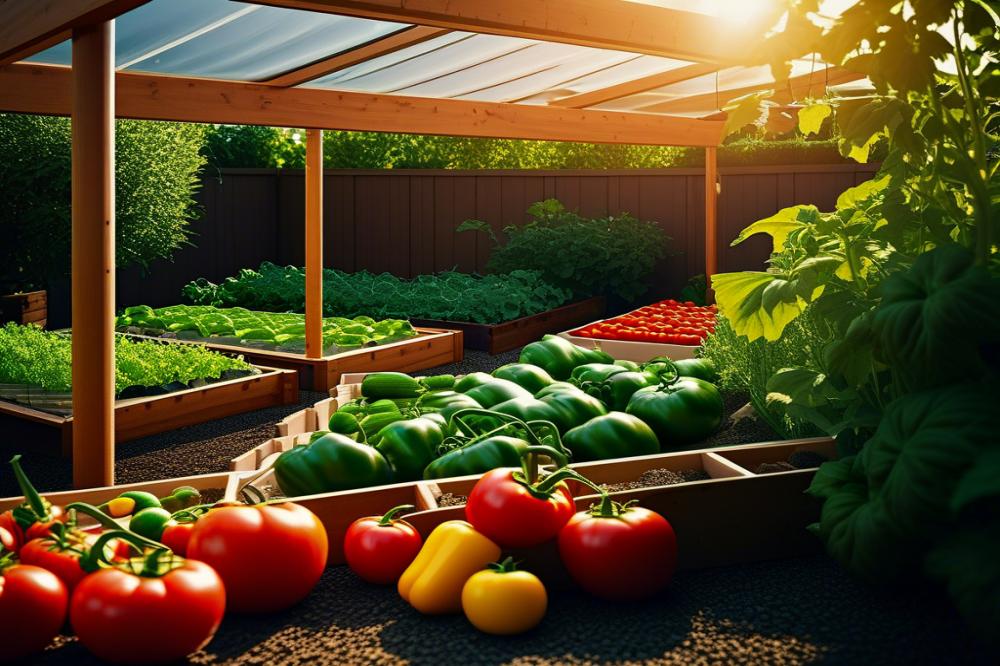
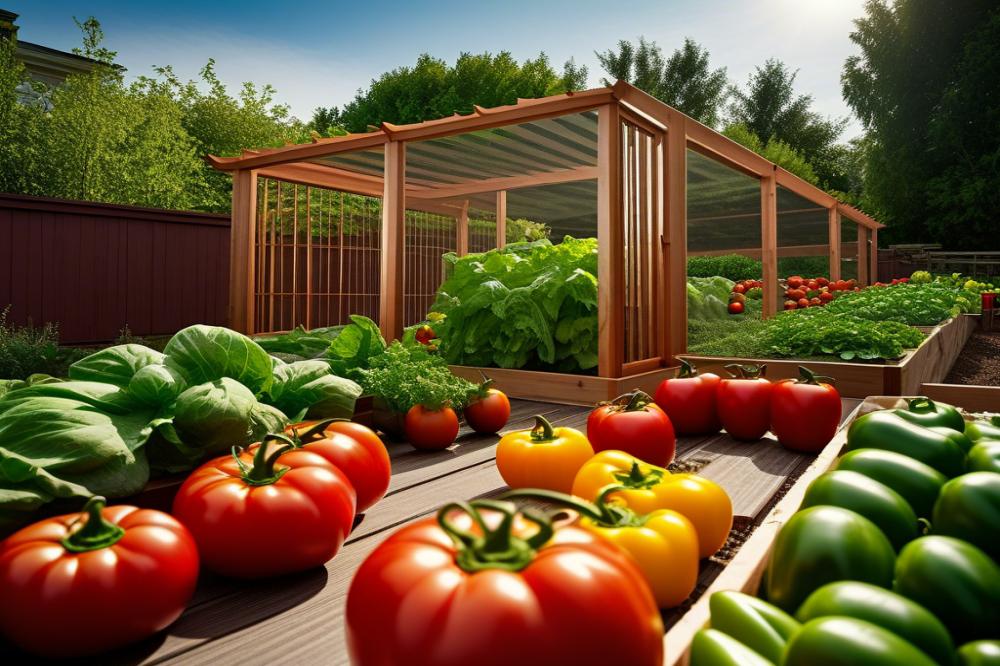
Garden covers provide a reliable layer of defense for your plants. They come in many forms, including plastic sheets and fabric canopies. These covers act as a barrier against strong winds, heavy rain, and even intense sunlight. A simple cover can shield delicate seedlings and mature plants alike.
Many gardeners find these products easy to set up and take down as needed. For instance, fabric row covers let light and moisture in while blocking pests. This is a practical solution for those who want to protect plants without using harsh chemicals. Besides, garden covers can promote better growth in your plants by creating a more stable environment.
Advantages of Frost Cloth for Cold Protection
Frost cloth is a popular choice when temperatures dip. This unique material offers a lightweight yet effective layer to combat frost. Using frost cloth over sensitive plants can prevent damage during unseasonably cold nights. It helps retain warmth around your crops, providing crucial protection when conditions turn chilly.
Notably, this type of fabric is breathable, allowing air to circulate. That means plants won’t suffocate under the cover. Additionally, frost cloth can be reused season after season, making it a cost-effective option. Gardeners appreciate the ease of installation; just drape it over and secure the edges. When spring arrives, these covers can be quickly removed, ready for the next season of organic gardening.
Remember to consider drainage solutions when using heavy covers. Proper drainage prevents water from pooling and potentially damaging roots. As for wind protection, think about sturdy windbreaks, like shrubs or fences, to shield your garden from harsh gales. Incorporating a layer of mulch around your plants can also help retain soil moisture and regulate temperature, creating a more hospitable environment for your crops.
Raised beds offer another effective strategy for plant protection. Elevating plants can improve drainage and reduce the risk of frost damage. Additionally, thoughtful irrigation systems can work alongside these protection measures to keep moisture levels just right. All of these strategies combined lead to a resilient and thriving vegetable garden.
Drainage Solutions
Proper drainage is crucial for the health of any vegetable garden. Excess water can drown roots and lead to diseases. When backyard gardening, paying attention to how water moves in your space can make all the difference. By preventing soggy soil, plants flourish and yield better crops.
Many techniques can help enhance drainage in a vegetable garden. Trenching is one option. This involves digging ditches to redirect water away from garden beds. Additionally, using raised beds can significantly improve drainage. They allow excess water to flow away and create a warmer environment for roots.
Implementing effective irrigation systems is equally important. Drip irrigation reduces water wastage while delivering moisture directly to the roots. This method is especially beneficial during hot, dry spells. It reduces the chance of standing water, which can harm plants. Using mulch can further support this by retaining moisture while improving soil quality.
Windbreaks are another useful feature. They protect against strong gusts that may disturb young plants. Additionally, garden covers and frost cloth can shield vulnerable crops from harsh weather. Together, these drainage solutions and protective measures create a resilient environment for growing healthy vegetables.
Windbreaks and Shields
Strong winds can be a serious threat to backyard gardening. Exposure to relentless gusts can damage plants, uproot young seedlings, and dry out the soil. When winds whip through your garden, they don’t just cause physical harm; they can also stress plants, affecting their health and productivity. To combat these issues, it’s important to consider windbreaks and shields.
Building natural windbreaks with shrubs and trees creates a protective barrier. Tall evergreens or dense hedges effectively soften the wind’s force, helping to maintain a stable environment for growing vegetables. Planting these around the perimeter of your garden provides a shield that can keep plants safe from strong breezes. Particularly low-growing plants may flourish better with some wind protection.
Utilizing structures can also serve as effective wind shields. Fences or trellises offer more than just a decorative touch; they block wind while also supporting climbing plants. You can even create garden covers to shelter delicate crops during stormy weather. It’s wise to think creatively about how your existing structures can serve multiple purposes. Raised beds not only improve soil drainage but also contribute slightly to reducing wind impact.
For additional plant protection, consider using frost cloth during colder months. Such covers can help guard against chill winds as well as frost. Meanwhile, applying mulch can stabilize soil temperature and retain moisture, further benefitting your backyard ecosystem. Additionally, implementing proper irrigation systems ensures that plants receive enough water despite any drying winds.
Establishing a thoughtful arrangement of living and built elements can transform your garden into a more resilient space. With careful planning, you can shield your plants from the elements while enhancing the beauty and functionality of your garden. A healthy mix of organic gardening techniques paired with smart windbreak strategies will lead to thriving vegetable crops.
Soil and Mulch Management
Mulch plays a crucial role in weatherproofing gardens. It helps retain moisture in the soil, keeping plants hydrated during dry spells. A good layer of mulch can also regulate soil temperature, which is essential for healthy growth. During heavy rains, it prevents soil erosion, protecting plant roots from exposure.
Choosing the Right Mulch Types for Organic Gardening
Several options exist for mulch in organic gardening. Straw, wood chips, and grass clippings can serve as effective choices. Each type brings its own benefits. For example, straw becomes a habitat for beneficial insects. Wood chips last longer and provide excellent ground cover. Grass clippings add nitrogen back into the soil, which plants require. Consider your local climate and the specific needs of your backyard gardening when selecting mulch materials.
Benefits of Maintaining Healthy Soil for Plant Resilience
Healthy soil is vital for strong plant protection. Nutrient-rich soil fosters deep root systems, which help plants withstand harsh weather conditions. Using raised beds can improve drainage solutions, allowing excess water to flow away during storms. Additionally, incorporating compost builds soil structure and boosts fertility. By regularly testing soil pH, gardeners can keep nutrients balanced for optimal plant health.
Irrigation systems can complement mulch and soil management efforts. By ensuring a steady water supply, plants become more resilient against temperature fluctuations. Windbreaks can also minimize damage by reducing wind speed. Employing these techniques in combination leads to a more robust garden environment.
Adapting to Climate Changes
Extreme weather patterns are becoming more common. This makes planning for backyard gardening essential. Start by recognizing the types of weather you may face. Intense heat, heavy rain, and even frost can harm your plants. Strategies for adjusting to these challenges can help you maintain a thriving garden.
Plant protection is vital when dealing with varying conditions. For heavy rains, consider drainage solutions to prevent waterlogging. Raised beds are effective for improving drainage and can keep roots safe. During hot spells, a layer of mulch can help retain moisture and keep soil cool. It’s a simple step, but it makes a big difference.
Frost can be just as damaging. Using frost cloth can shield delicate seedlings from unexpected chilling. Garden covers also provide insulation during cold nights. These tools are easy to set up and can protect crops when temperatures drop unexpectedly.
Importance of Crop Rotation and Diversity
Cultivating a diverse vegetable patch can be beneficial. Different crops have unique strengths and weaknesses against pests and diseases. Rotating your plant varieties helps avoid soil depletion. It minimizes the impact of pests because they won’t find the same host each year. This practice fits well into organic gardening principles.
Incorporating a variety of plants can attract helpful insects too. Beneficial bugs can help keep harmful pests in check. Such diversity creates a healthier garden ecosystem, which can withstand extreme conditions better than a uniform one.
Weatherproofing for Different Seasons
Each season brings its own set of challenges. Spring might present sudden cold snaps, while summer often sees intense heat. Adapting your gardening techniques to each season is crucial. For example, during spring, using windbreaks can protect young plants from harsh winds. These barriers can be as simple as tall bushes or specially designed structures.
During the summer, implementing automatic irrigation systems can save time and water. Regular watering promotes healthy, strong plants. As autumn approaches, it’s time to think about preparing for winter. Planting cover crops is a smart strategy. These crops can protect the soil and provide organic matter, enriching the ground for spring planting.
Wrapping Up Your Weatherproofing Efforts
In summary, protecting your vegetable garden from the extremes of weather is essential for a thriving harvest. Each strategy discussed contributes to a healthier, more resilient garden. Using row covers can shield plants from frost and pests. Mulching retains moisture and regulates soil temperature. These techniques serve to create a more favorable environment for your vegetables.
Gardeners should feel empowered to take these steps. Implementing these methods can lead to long-term success in your backyard gardening endeavors. Experimentation is key. Every garden is unique, and what works for one may not work for another. So don’t be afraid to adapt and modify your approach based on your specific conditions.
Protected gardens yield numerous benefits. They not only sustain plants through harsh conditions but also reduce the stress on gardeners striving for that perfect crop. When you invest in plant protection, you are investing in both your food supply and your overall gardening enjoyment. A well-cared-for garden can bring joy, nourishment, and a deep connection with nature. So go ahead and start weatherproofing your garden today—you’ll be glad you did!