Why xylem and phloem Are Vital for Plants
Definition and Overview of xylem and phloem
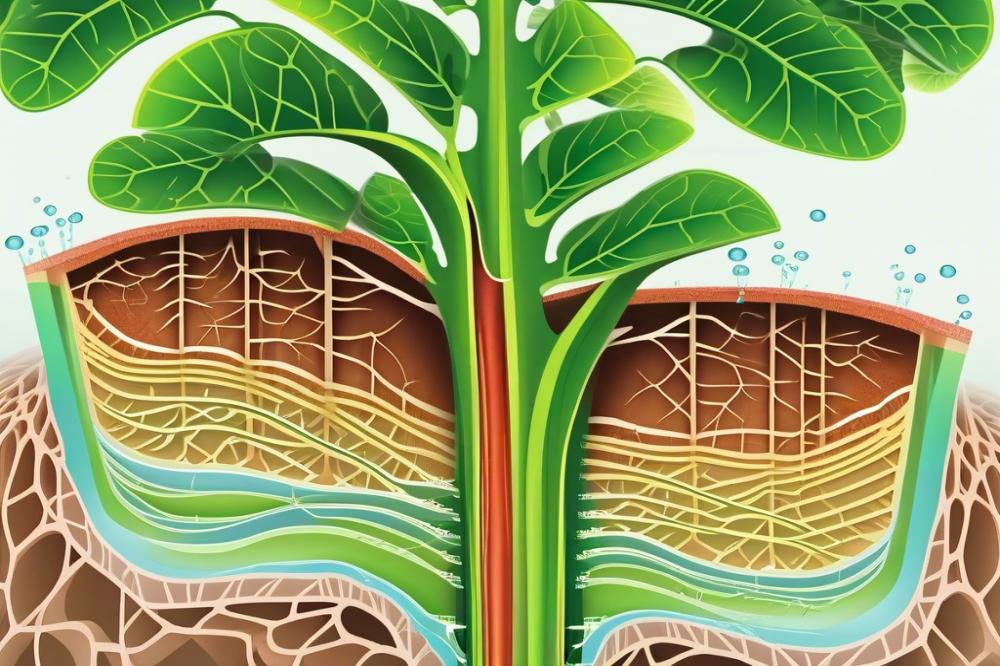
The terms xylem and phloem are fundamental in plant biology. These structures are types of vascular tissue that play a crucial role in a plant’s life. Xylem transports water and minerals absorbed by the roots to the leaves and other parts. This journey is essential for maintaining plant health. On the other hand, phloem is responsible for transporting sugars and nutrients created during photosynthesis from the leaves to different parts of the plant. Each type of tissue has a unique role, but they work together seamlessly.
Understanding the structure of these tissues is important in studying plant anatomy. They are often grouped into bundles that form a network throughout the plant. This network allows for efficient movement of vital substances. The root system serves as the foundation, drawing in water and minerals from the soil. Without this intricate system, plants would not survive.
When examining plant physiology, the roles of xylem and phloem cannot be overstated. They are more than just transport systems; they are lifelines. Disruptions in their functions can lead to stunted growth or even death in plants. Consequently, knowing how they work helps us appreciate the complexity of life in the plant kingdom. Understanding these processes opens a window into the intricate relationship between plants and their environments.
The Role of Xylem in Water Transport
Mechanism of Water Transport through Xylem
Water transport in vascular plants begins in the roots. The root system absorbs water from the soil. Once absorbed, water travels through a system of tubes. These tubes, composed of specialized cells, help guide water upwards. This process is mainly driven by transpiration. When plants lose water through tiny pores in the leaves, a vacuum is created. This suction pulls water up from the roots through the tubes. This method is efficient, allowing plants to maintain hydration.
Relationship Between Structure and Function
A close look at plant anatomy reveals why this transport is effective. The cells that make up the tubes are hollow and elongated. These characteristics allow for the easy movement of water. Additionally, the walls of the cells are thickened and often reinforced. This feature prevents the tubes from collapsing under pressure. Their structure is perfectly designed to carry water under various conditions. Such design enhances the efficiency of water flow throughout the plant.
Impact of Water Transport on Plant Health and Physiology
Water transport plays a crucial role in plant health. It not only hydrates the plant, but also aids in nutrient transport. Nutrients dissolved in water are moved to different parts of the plant, supporting growth and development. During photosynthesis, water is essential. It contributes to the formation of glucose, which plants use for energy. Without proper water transport, a plant’s ability to photosynthesize diminishes. Consequently, this affects overall growth and vitality. Ultimately, efficient water movement through these vascular tissues is vital for plant physiology.
Phloem and Nutrient Transport

In the world of plant biology, phloem serves an essential role. This type of vascular tissue is specifically responsible for transporting sugars, produced during photosynthesis, throughout the plant. Unlike xylem, which primarily handles water transport, phloem manages nutrient transport. Sugars made in the leaves are sent to other plant parts where they are needed for energy and growth.
Phloem helps to support plant growth and development in many ways. When carbohydrates move from the leaves to the roots, they fuel various functions. Roots use these sugars to drive cell division, allowing the plant to strengthen its structure. This relationship is crucial. Without adequate sugar supply, a plant’s health could decline rapidly.
The interaction between xylem and phloem is vital for nutrient distribution. Water and minerals absorbed by the root system travel upward through xylem. Once those resources reach the leaves, photosynthesis occurs, and sugars are created. Then, the phloem picks up these sugars and redistributes them. In this collaborative effort, both types of vascular tissue ensure that each part of the plant receives what it needs. Such coordination is key to maintaining robust plant physiology.
Overall, this interconnected system highlights the complexity of plant anatomy. Through their respective functions, phloem and its counterpart play an integral role in the overall vitality of vascular plants. Understanding how they work together sheds light on the essential processes that sustain not just plants, but entire ecosystems.
Vascular Tissue: The Core of Plant Biology
Vascular tissue is an essential component of plant biology. It serves as a transportation network within the plant. This system consists of specialized cells that facilitate both water and nutrient transport. Without it, plants could not thrive in their environments. Simply put, vascular tissue is vital for maintaining plant health.
Definition and Function of Vascular Tissue
Vascular tissue includes two main types: xylem and phloem. While xylem handles the movement of water from roots to leaves, phloem transports nutrients produced through photosynthesis. These nutrients are carried from the leaves to other parts of the plant. This coordinated movement is crucial for plant physiology. Each type of tissue has a unique role that supports the entire plant structure.
Comparison of Xylem and Phloem Within Vascular Plants
When considering xylem and phloem, it is clear they have distinct functions. One focuses exclusively on water transport, while the other is responsible for nutrient movement. Their structural differences also illustrate their roles. Xylem cells are often made of thick-walled vessels that provide support, whereas phloem contains living cells that facilitate active transport. This differentiation showcases how vascular plants manage internal resources efficiently.
The Significance of Vascular Tissue in Overall Plant Function
The root system relies heavily on vascular tissue for effective operation. Water and nutrients absorbed from the soil make their way up the plant through these tissues. As a result, healthy vascular networks contribute to robust growth. Vascular tissue plays a role in photosynthesis by delivering necessary materials to leaves. In summary, without this specialized tissue, plants would struggle to survive and flourish in their ecosystems.
Photosynthesis and Its Dependency on Xylem and Phloem
Connection between Photosynthesis and the Transport Systems
Photosynthesis is a crucial process for plants. It transforms sunlight into energy, using carbon dioxide and water. However, this process cannot happen without the plant’s vascular systems. The xylem is responsible for transporting water from the roots to the leaves. On the other hand, phloem takes on the essential task of distributing various nutrients, including glucose, throughout the plant. Understanding these connections helps highlight the importance of both tissues in sustaining plant life.
Role of Xylem in Supplying Water Necessary for Photosynthesis
Water transport is fundamental in photosynthesis. Plants absorb water through their root systems. This moisture travels up through the xylem to reach the leaves. As chlorophyll absorbs sunlight, water molecules play a significant role in creating sugars. In fact, without an adequate water supply, photosynthesis would slow down or even stop altogether. This underlines the importance of healthy xylem for plant health. Every drop of water matters, fueling the life processes of vascular plants.
How Phloem Redistributes the Products of Photosynthesis
After photosynthesis occurs, plants produce glucose and other valuable compounds. This is where the phloem becomes crucial. It transports these products from the leaves to other parts of the plant, including the roots and stems. Nutrient transport is vital for growth and energy. By ensuring that all tissues receive their share of nutrients, the phloem supports overall plant physiology. In essence, without this movement of sugars, plants would struggle to thrive. They depend on a reliable flow of energy to survive and flourish.
Root System and Its Relationship with Xylem
The root system plays a vital role in how plants absorb water. It serves as the foundation for the entire plant. Roots delve deep into the soil, searching for moisture and nutrients that are essential for growth. The vascular tissue within these roots is crucial for transporting water. Roots interact closely with this tissue to draw in necessary resources from the environment.
How Roots Interact with Xylem to Facilitate Water Uptake
Roots are equipped with tiny root hairs. These structures increase the surface area for absorption. When water is available in the soil, these hairs take it in efficiently. Once the water is absorbed, it travels upward through the vascular system of the plant. Xylem cells play a key role in this upward movement. They work like tubes, allowing water to flow from the roots to the leaves, where photosynthesis occurs.
Importance of Root Architecture in Effective Water Transport
The design of a plant’s root system can greatly influence its ability to take up water. Shallow roots might struggle in dry soil, while deep ones can access hidden moisture. A complex network of roots can capture more water, promoting better growth. More branches also mean more root hairs. This benefits the overall water transport system. Healthy roots with a strong architecture can support the plant’s needs during dry spells.
Impact of Root Health on Overall Plant Vitality
Plant health greatly relies on the status of its roots. Damaged or diseased roots can hinder water absorption. This often leads to stress and reduced growth. Healthy roots not only gather water but also help in nutrient transport. Without strong roots, a plant cannot thrive. Overall plant vitality depends on a well-functioning root system. Ensuring that roots remain healthy is essential for robust plant physiology.
Plant Physiology and the Integration of Xylem and Phloem
How xylem and phloem work in tandem for plant homeostasis
Vascular tissue plays a critical role in maintaining balance within plants. Xylem transports water and minerals from the roots to various parts of the plant. Meanwhile, phloem carries the products of photosynthesis, mainly sugars, from the leaves to areas needing energy. This connection is vital for plant health. In times of stress, like drought, both tissues adjust their functions. Roots may absorb less water, signaling changes in water transport, while other parts of the plant manage energy use efficiently.
The influence of environmental factors on vascular functions
Weather changes can greatly affect plant biology. For instance, in dry conditions, water transport through xylem can slow down. As a result, plants may close their stomata to prevent water loss. Leaf temperature and humidity also impact transpiration rates. This process significantly contributes to the efficiency of nutrient transport through the phloem. Additionally, light intensity alters photosynthesis. When it dims, the production of sugars decreases. Plants must adapt to these changes to survive and thrive.
Adaptations in xylem and phloem across different plant species
Different species of vascular plants show unique adaptations in their transport systems. In some cases, thicker xylem walls offer extra support in areas with high wind or heavy rainfall. Others may have more extensive phloem networks to support rapid growth. These variations highlight how plant anatomy can reflect environmental needs. For instance, desert plants often have narrower xylem vessels to minimize water loss. Conversely, tropical species might exhibit larger vessels to accommodate high moisture levels. Understanding these adaptations helps clarify the complexities of plant physiology and their survival strategies in various ecosystems.
Final Thoughts on Vascular Systems in Plant Biology
Summary of the Vital Roles of Xylem and Phloem
Xylem and phloem play crucial roles in the survival of plants. These specialized types of vascular tissue work together to transport essential nutrients and water throughout the organism. The first ensures that every part of the plant receives the hydration needed for growth. Meanwhile, the second distributes sugars and other organic compounds produced during photosynthesis. This dual action supports not just the plant’s health, but also its ability to thrive in various environments.
Understanding these two systems is fundamental for grasping how plants function. They are more than just structures; they are lifelines that maintain the balance of life within a plant. A healthy ecosystem depends on plants, which rely on these vascular systems to grow and reproduce. Without them, plants would struggle to survive, affecting the entire food web.
Awareness of vascular systems enhances our appreciation for plant biology. It helps us recognize the complexities of life that occur even in the simplest green beings. As we continue to study these systems, we can unlock new insights into how to protect and cultivate plants effectively. Knowledge can lead to better conservation efforts as well as improved agricultural practices. By understanding xylem and phloem, we step closer to grasping the intricate dance of life on Earth.