Backyard Bounty on a Trellis: The Most Productive climbing crops for Home Gardeners
Vertical gardening has become a popular approach among home gardeners looking to maximize their available space. Using a garden trellis, you can create an inviting green landscape while growing more food in a limited area. Instead of sprawling plants that take up valuable ground, you can train productive plants to climb. This not only adds beauty to your garden but also opens up the possibility for robust harvests.
climbing crops offer several advantages in a vegetable garden. Firstly, they improve air circulation around the plants, helping to reduce disease and pests. Furthermore, these vertical growers can receive better light exposure, which is crucial for healthy development. Many gardeners also find that harvesting from elevated plants is easier on the back. Among the most popular choices are beans, peas, cucumbers, and tomatoes, each with its own unique features and care requirements.
This article will explore the world of trellis gardening, focusing on the most productive climbing varieties available. You will discover which plants thrive vertically and how to set up your own garden trellis system for maximum yield. By the end, you’ll be ready to transform your garden into a vertical paradise. Discover the joy of growing food efficiently and beautifully in your backyard!
Understanding Climbing Crops
Definition of Climbing Crops
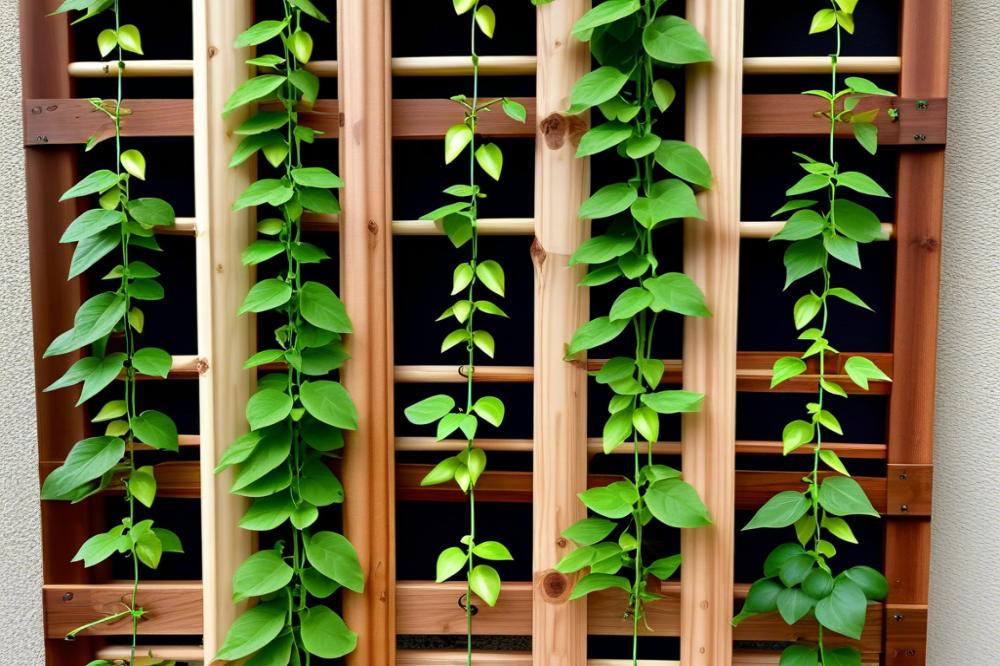
Climbing crops are plants that grow upward rather than outward. These plants take advantage of vertical structures like a garden trellis. They include popular favorites like beans, peas, cucumbers, and tomatoes. Home gardeners often choose these crops due to their ability to thrive in smaller spaces.
How Climbing Plants Utilize Vertical Space
By growing vertically, these plants maximize available area. This approach allows more room for other plants to flourish in a vegetable garden. Climbing plants often use tendrils or vines to attach themselves to structures. These features enable them to reach sunlight without spreading out too much on the ground. Using a trellis can lead to impressive yields, even in limited square footage.
Benefits of Growing Climbing Crops in Small Gardens
Space-saving gardening offers unique advantages for home gardeners. Growing upward can lead to healthier plants with better air circulation. Additionally, vertical gardening can reduce the risk of diseases that often flourish in dense plantings. More light reaches the leaves, which may promote faster growth. Harvesting becomes easier, too. Beans and peas can be reached without bending down. Tomato plants, when staked or trellised, are less prone to rot from ground contact. Ultimately, this method provides a more abundant harvest in tight spaces.
Top Productive Climbing Crops for Home Gardeners
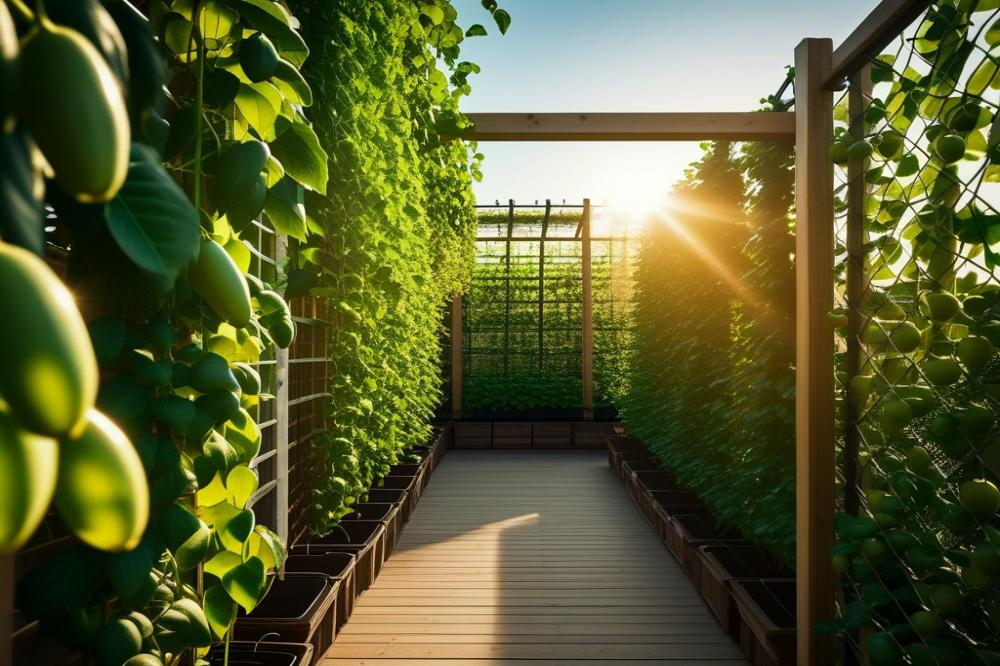
For home gardeners interested in maximizing their yields, choosing the right crops can make all the difference. Climbing crops are an excellent choice for those who want to save space while enjoying a bounty of fresh produce. A garden trellis can support these plants, allowing them to grow upwards instead of sprawling across the ground. Here’s an overview of some of the most productive options for your vegetable garden.
Beans: Types, Growing Conditions, and Yield
Beans are among the easiest and most rewarding crops to grow. They thrive in warm weather and prefer well-drained soil. Two popular types are pole beans and bush beans. Pole beans are especially suited for vertical gardening, reaching heights of six feet or more when supported by a trellis. Expect a good yield, often producing several pounds per plant. Always select varieties that match your growing zone for the best results.
Peas: Best Varieties for Vertical Growth
When it comes to peas, several varieties perform well when grown vertically. Snap peas and snow peas are favorites. These varieties not only save space but also yield delicious edible pods. Most peas prefer cool weather, so planting early in the spring is advisable. A sturdy trellis will help support these delicate plants as they climb. Remember to water consistently for optimal growth.
Cucumbers: Tips for Successful Trellising
Cucumbers also benefit from vertical gardening techniques. This fruit grows well in warm temperatures and likes rich, moisture-retentive soil. When trellised, cucumbers receive better air circulation and sunlight, leading to healthier plants and higher yields. Select varieties like ‘Boston Pickling’ or ‘Marketmore’ for their climbing abilities. Using strong twine or netting can help guide their growth and keep fruit off the ground.
Tomatoes: Best Practices for Climbing Varieties
Tomatoes can be tricky, but climbing varieties can yield excellent results. Look for indeterminate types, which continue growing throughout the season. They require sturdy supports, such as tall cages or trellises, to reach their full potential. Regular pruning and staking help manage their growth and improve airflow. By following these best practices, home gardeners can enjoy a hefty harvest of fresh tomatoes.
Creating an Effective Garden Trellis
A sturdy trellis is essential in any vegetable garden aimed at maximizing space. Plants like beans, peas, cucumbers, and tomatoes thrive when given proper support. Without a solid structure, climbing crops can become tangled or fall over, reducing yield. Home gardeners should choose designs that not only fit their gardens but also cater to the growing habits of different crops.
Design Ideas for Garden Trellises
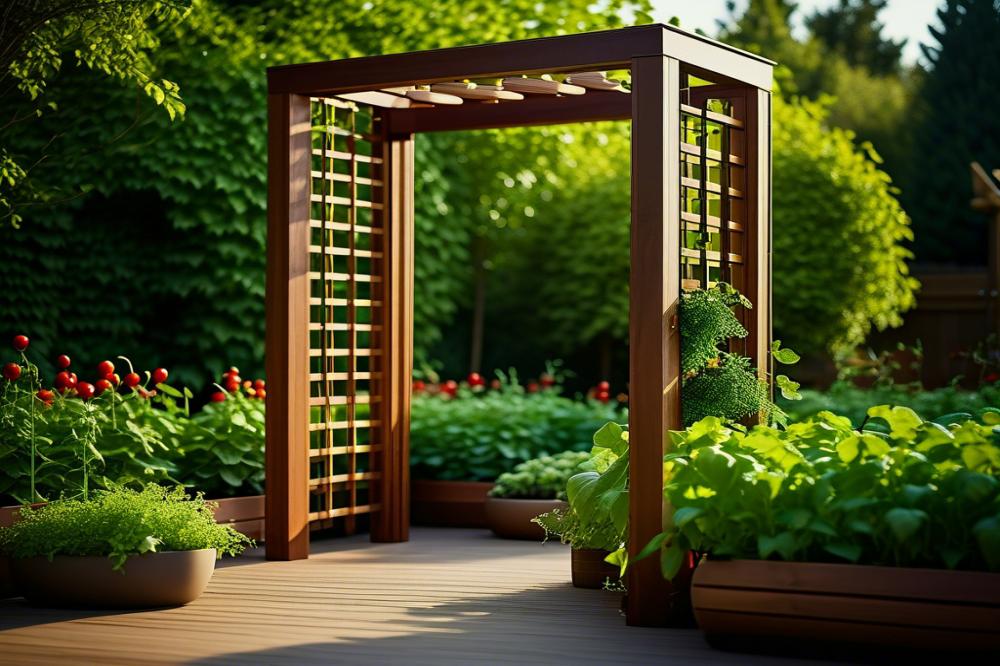
When it comes to trellis design, creativity can go a long way. A classic A-frame trellis adds a charming touch while providing ample support. For a space-saving gardening approach, consider a vertical ladder trellis. This style allows plants to climb on both sides, making the most of every inch. Arched trellises work beautifully for an added aesthetic appeal, creating a canopy effect in garden paths.
Materials to Use for Building Trellises
Selecting the right materials is critical for durability and effectiveness. Wooden posts, preferably treated with weather-resistant sealers, can last for years. Metal piping offers a modern look and is often quite strong. Wire fencing is another economical option; just make sure it is robust enough to withstand wind and support heavy crops. A combination of materials can also yield an interesting trellis that fits well into the overall garden design.
Maximizing Space with Vertical Gardening Techniques
Designing a space-saving gardening layout
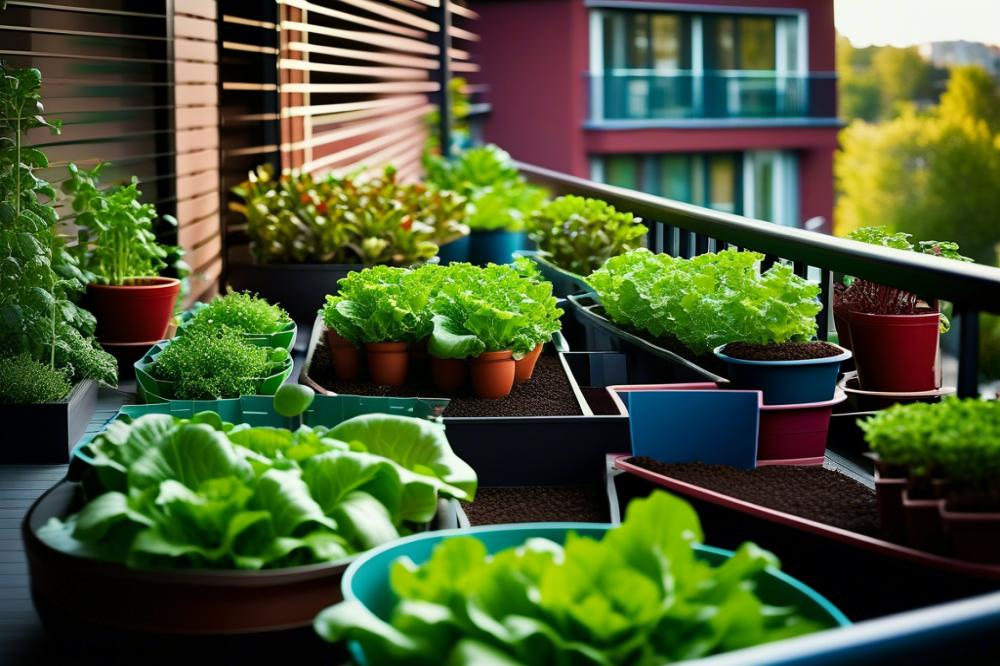
Home gardeners often struggle with limited room. Vertical gardening offers a clever solution. By using structures like a garden trellis, one can elevate productive plants. Placing pots and containers in vertical arrangements also helps maximize space. Consider utilizing corner areas or fences to set up climbing supports. This method not only looks fantastic, but it also increases yield. When creating your layout, think about sunlight exposure. Choose a sunny spot for optimal growth.
Companion planting with climbing crops
Companion planting can enhance any vegetable garden. Certain plants thrive better when grown together. For instance, beans and peas benefit from climbing next to corn. The taller corn provides essential support. Tomatoes also work well with various herbs. Basil is often known for boosting tomato flavor while repelling pests. Make sure to plan these pairings carefully to minimize competition for nutrients.
Seasonal considerations for vertical gardening
Timing is crucial for success in vertical gardening. Planting should align with seasonal changes. Warm-season crops like cucumbers can flourish in spring and summer. Peas and beans, on the other hand, prefer cooler weather. Staggering planting times allows gardeners to take full advantage of their trellis space. Transitioning with the seasons also helps maintain a steady harvest. Be mindful of frost dates and shifts in weather. Adapting your approach ensures continuous productivity while maximizing garden space.
Caring for Your Climbing Crops
Watering plays a crucial role in the life of any plant. Climbing veggies like beans and peas prefer consistent moisture, so deep watering once a week works well. During dry spells, check the soil moisture. Watering early in the day helps prevent fungal diseases.
Fertilization is another vital consideration. Adding compost or a balanced fertilizer can boost growth significantly. Productive plants often need feeding about every month during their active growth phase. Remember, too much of a good thing can harm your garden. Monitor plants closely to avoid nutrient burn.
Pest Management for Vertical Gardens
Keeping pests at bay is necessary for healthy plants. Regularly inspect the leaves and stems of your climbing crops. Aphids and spider mites are common culprits that could damage your greens. If you spot them, washing the plants with water can dislodge many pests. For stubborn infestations, consider organic insecticidal soaps as an option.
Utilizing companion planting is another smart strategy. Some plants naturally repel pests. For example, marigolds deter aphids and attract beneficial insects. By planting these alongside your vegetable garden, you create a safer environment for your climbing crops.
Pruning and Supporting Plants for Optimal Growth
Support is essential for climbing plants. A sturdy garden trellis keeps plants off the ground, which promotes airflow and sunlight access. Using the right materials ensures your trellis withstands seasonal changes. A well-constructed support system also prevents bending and breaking from heavy fruit.
Pruning helps maintain health and productivity. Remove yellowing or dead leaves to improve airflow. Pinching back tips encourages bushier growth in plants like tomatoes and cucumbers. Regularly check for excessive growth and trim accordingly. This practice not only boosts harvests but also strengthens the plant.
Space-saving gardening techniques permit more variety in smaller areas. Encourage your climbing plants to reach higher, maximizing limited ground space. Utilizing vertical gardening methods can open avenues previously thought restrictive. With care and attention, your garden can flourish.
Final Thoughts on Maximizing Your Backyard Bounty
Growing plants on trellises offers many advantages for home gardeners. Space-saving solutions enhance productivity, especially in smaller areas. A vegetable garden filled with climbing plants can yield more produce than a traditional layout. These crops also benefit from increased airflow, reducing the risk of diseases. With lots of sun exposure, they often produce healthier fruits and vegetables.
Experimentation is key when starting with vertical gardening. Different plants will respond uniquely to trellis support. Consider trying beans, peas, cucumbers, or even tomatoes. Each of these options can transform your garden into a thriving green oasis. Mixing varieties allows for diversity and may lead to surprising results.
Maximizing your yield with trellises is not just about being productive. It’s also about finding joy in your gardening experience. Watching plants climb and grow can be satisfying. With limited space, a well-designed structure can turn your backyard into a lush haven. So, why wait? Start planning your vertical garden today and discover the rewards that await.