Introduction
Overview of olive oil plantation
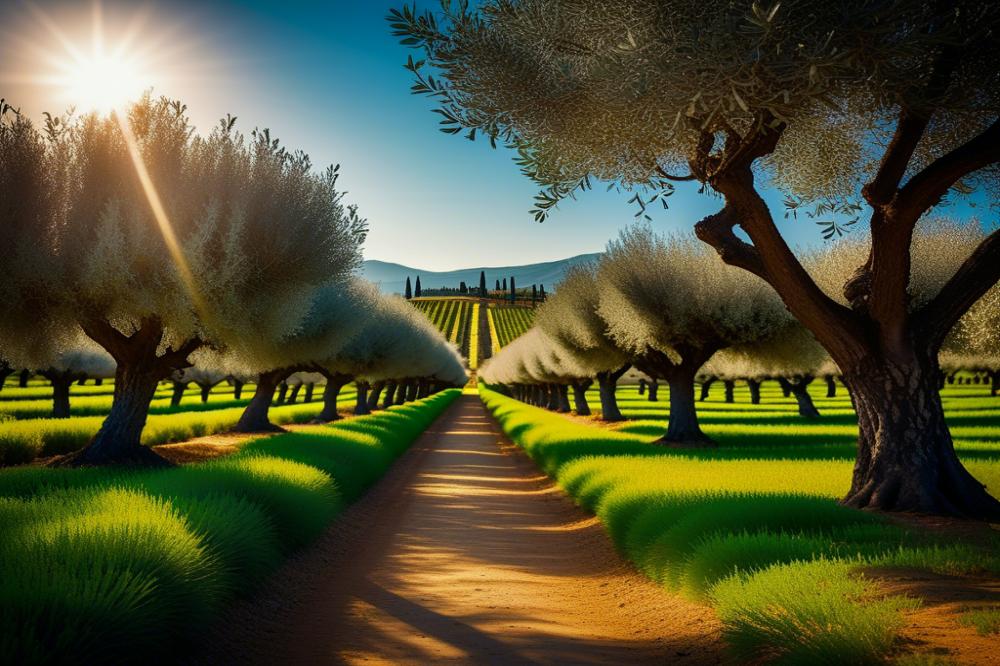
Starting an olive oil plantation in the US presents a chance for both agricultural enthusiasts and aspiring small business owners. This endeavor goes beyond just planting trees; it requires careful planning and attention to detail. olive farming can provide a high-quality product that is loved in many kitchens. Such a venture can be both rewarding and challenging.
Importance of Understanding Costs
When considering this type of investment, it’s crucial to grasp the starting costs involved. Land preparation comes first and often takes considerable time and resources. Seedlings, an essential part of the process, must be chosen wisely, as they determine future harvest quality. Ensure that every aspect—from irrigation systems to labor costs—is accounted for in a well-thought-out business plan. This knowledge helps prevent unwelcome surprises down the road.
Brief Benefits of olive farming
Growing olives extends benefits beyond just profits. Aside from potentially high yields, olive trees are resilient and can thrive in less-than-ideal soil conditions. Long-term maintenance is usually lower than that of other crops, which offers an extra layer of peace of mind. Additionally, the popularity of quality olive oil continues to rise, leading to a favorable market. Understanding these advantages supports a solid foundation for newcomers in this field.
Initial investment Overview
Starting an olive oil plantation can be an exciting venture, but it requires significant financial planning. Prospective farmers must grasp the total investment requirements involved in this agricultural journey. Expenses begin far before the first olive is harvested. You need to consider land preparation, which can be costly and time-consuming. Additionally, the choice of seedlings plays an important role in establishing a productive farm.
Understanding Total Investment Requirements
Investment in olive farming is multifaceted. Initial costs include purchasing land and preparing it for planting. Soil testing may also be needed to ensure proper conditions for growth. Aside from land, you should also budget for seedlings, which can vary in price based on the variety. Establishing a reliable irrigation system is crucial. This involves both installation of equipment and ongoing water costs, which can fluctuate.
Key Financial Considerations
Labor costs are another component that can significantly affect the budget. Hiring skilled workers can lead to better yields, but it also raises upfront expenses. Furthermore, it’s vital to factor in equipment needed for planting and maintenance. Tractors, pruners, and other tools may require a substantial initial outlay. Any investment in machinery should be well thought out to prevent overspending.
Long-Term vs Short-Term Costs
Initial costs do not tell the whole story. Long-term expenses must also be accounted for, as maintenance is a continuous needs in olive farming. Regular care includes pruning, pest control, and fertilization. Market analysis is key to planning for the future. Understanding market demands can help in developing a solid business plan. By assessing costs against potential revenue, you can make informed decisions about your olive oil venture.
Land Preparation Costs
Assessing Suitable Land for Olive Farming
Finding the right piece of land is vital for starting an olive farm. Not every plot is suitable for this type of crop. Factors like climate, soil type, and water availability play key roles in the selection process. Conducting a thorough market analysis can help you locate areas with potential. Make sure to choose land that meets the specific requirements for planting olive trees.
Cost of Land Acquisition
Acquiring land for an olive plantation can require significant investment. Prices vary widely depending on location and size. Land in California might be more expensive compared to other states like Texas or Georgia. Buyers should expect to negotiate and possibly deal with additional fees like closing costs. Be prepared for the financial commitment, as owning land is a vital step toward future success.
Soil Testing and Amendments
Once you’ve secured your land, soil testing is essential. Testing offers insights into nutrient levels and pH balance. If the soil isn’t optimal, amendments may be necessary. This can include adding organic material or fertilizers to boost fertility. These actions can enhance growth and contribute to a successful harvest. If the soil conditions are poor, it’s crucial to invest in improvements before planting seedlings.
Clearing and Preparing Land
Clearing the land is the next major task. This can involve removing bushes, trees, and rocks, which sometimes requires heavy equipment. Hiring labor to assist in clearing could add to the overall cost. After the land is cleared, proper preparation is needed. This may include tilling the soil or installing irrigation systems. Each of these steps is important to establish a thriving olive farm.
Investing in equipment for the land preparation phase is also important. Costs can accumulate quickly, so budgeting accurately is essential. Maintenance will be a long-term consideration, too. Always keep in mind that every step in land preparation can impact the future success of your farm. A well-thought-out business plan should encompass all these aspects to maximize your chances of success.
Seedlings and Planting Costs
Choosing the Right Olive Varieties
Selecting the proper olive varieties is crucial for any olive farming venture. Different types thrive better in certain climates and soil types. Research the varieties that do well in your specific region. Some popular choices include Arbequina, Koroneiki, and Mission olives. Each variety has distinct characteristics in flavor and yield. A well-thought-out selection can significantly impact your overall investment.
Cost of Seedlings
The next step is acquiring seedlings. Depending on the variety, prices can range from $5 to $15 per seedling. Ordering in bulk often leads to lower prices. If your land preparation is complete, you can plant as soon as they arrive. Keep in mind that healthy seedlings are vital. They set the foundation for a successful olive plantation. Always source from reputable nurseries to avoid disease and poor-quality plants.
Spacing and Planting Costs
Space between trees affects growth and maintenance. Experts recommend a spacing of 14 to 20 feet between each olive tree. This distance allows good sunlight penetration and airflow. Labor costs will also factor into your budget. You may need additional help for planting and irrigation setup. Equipment such as shovels, hoes, and irrigation systems will be necessary. Calculate these expenses in your business plan for better planning.
Consider ongoing maintenance too. Once established, trees require regular pruning and care. Budget for irrigation setups, which can add to initial costs. Moreover, running a market analysis is essential to maximize your returns. Understanding local demand can shape your planting strategy.
Making these decisions carefully will pave the way for your venture into olive farming. Early planning and calculated investments can yield rewarding returns in the long run.
Irrigation System Installation
Irrigation plays a crucial role in olive farming. Water is essential for healthy trees and high-quality olives. Adequate moisture helps the plants thrive, especially during dry seasons. Without a proper irrigation system, farmers might face poor yields and stressed trees.
Types of Irrigation Systems
Various irrigation systems can be used for an olive plantation. Drip irrigation is popular for its efficiency. It delivers water directly to the roots, minimizing waste. Another option is sprinkler systems, which can cover larger areas. These systems can be automated, but they may require more water.
Surface irrigation is another choice. It involves flooding the fields, but this method can lead to water loss through evaporation. Each type has its own pros and cons that need consideration based on local climate and soil conditions.
Detailed Cost Breakdown for Irrigation Setup
The costs associated with setting up an irrigation system can vary widely. Initial investment includes land preparation, which may cost between $500 and $1,000 per acre. Seedlings will also need funding, averaging about $2 to $5 each. Labor costs for installation can add up quickly, averaging around $2,000 to $4,000.
When evaluating equipment, expect expenses around $1,500 to $3,500, depending on the system chosen. Materials such as pipes, hoses, and fittings, might total between $500 and $1,000. Don’t forget about ongoing maintenance costs. These can range from $200 to $500 annually, depending on the system’s complexity.
It’s wise to conduct a thorough market analysis before starting. A well-developed business plan will help gauge the total investment required. By understanding these factors, potential olive farmers can make informed decisions about their irrigation needs.
Labor Costs
Labor requirements play a significant role in the success of an olive farming venture. Starting an operation involves various tasks. From land preparation to planting seedlings, each step needs the right amount of manpower. Hiring skilled labor can lead to better results but costs more upfront. On the other hand, unskilled labor might save money initially but could slow down progress and reduce quality.
Hiring Skilled vs Unskilled Labor
Skilled labor brings expertise in planting, irrigation, and maintenance. Hiring knowledgeable workers may require a larger budget, but their efficiency often pays off. Unskilled labor is cheaper and could work well for tasks that don’t need specialized training. Nonetheless, relying solely on unskilled help could lead to mistakes that affect productivity and crop quality.
Estimating Annual Labor Costs
Estimating annual labor costs is essential when planning your investment. Take into account the number of employees needed and their hourly wages. Additionally, consider seasonal fluctuations in labor demand. For example, harvest time might require more workers than other periods. Equipment operation and maintenance also need skilled individuals and this adds to overall expenses.
Business plans should include a detailed market analysis to project labor costs accurately. This analysis can help in understanding local wage rates and availability of workers. Monitoring these figures regularly will aid in adjusting budgets and managing cash flow effectively. With careful planning, labor costs can be controlled while ensuring a successful farming operation.
Equipment Purchases
Necessary equipment for olive farming
Starting an olive farm requires a range of essential machinery and tools. Harvesting olives is labor-intensive, so investing in a good harvester is crucial. Handheld harvesters work well for smaller plantations, while larger farms may need tractor-mounted options. Olive trees also require careful pruning. Therefore, chainsaws and pruning shears are important. Soil preparation is another key aspect. Plowing and tilling equipment like tractors or rotary tillers play a crucial role.
Irrigation equipment is needed as well. Drip irrigation systems are often the best choice, as they conserve water while delivering it directly to the roots. Water pumps might also be necessary, depending on your water source. Depending on the size of the plantation, costs can vary widely. Start by creating a list of required machinery and tools.
Cost of essential machinery and tools
The initial investment in equipment can be significant. For small to medium-scale operations, purchasing a good-quality harvester can cost between $15,000 and $50,000. Other items like tractors can range from $20,000 to $100,000. Don’t overlook the expense of hand tools, which can add up to several hundred dollars.
Seedlings must be sourced, and their cost varies based on the variety and quality. It’s crucial to budget for these initial costs. Additionally, consider that many farmers opt to buy used equipment. This choice can significantly reduce upfront expenses. Check local auctions or classified ads for good deals.
Maintenance and replacement considerations
Ongoing maintenance is a necessary part of olive farming. Machinery will require regular checks to function efficiently. Oil changes, filter replacements, and general servicing are all part of keeping equipment in shape. Labor costs will also factor into this equation. Hiring skilled workers to manage equipment upkeep can add to your budget.
After several years, certain machinery may need replacement. Budgeting for repairs and replacements helps avoid larger unexpected expenses. A well-prepared business plan should account for maintenance and potential upgrades. Conducting market analysis lets you understand expected returns. This analysis aids in ensuring your investment remains sustainable in the long term.
Planning for the future of your olive farm involves a careful balance of costs and potential gains. Each piece of equipment plays a role in overall success. Making informed decisions now can lead to healthier trees and better yields later.
Ongoing Maintenance Costs
Regular care is essential for healthy olive trees. Olive farming involves continual attention to ensure trees thrive. Maintenance methods include fertilization, pruning, and pest management. Each of these aspects plays a crucial role in the overall health of the plantation.
Fertilization is necessary to provide nutrients. Typically, nitrogen, phosphorus, and potassium are key ingredients. The exact needs depend on soil conditions. Conducting a soil test helps determine the right mix. On average, annual fertilization can cost between $100 to $300 per acre.
Pruning is another vital task. This process helps shape the trees and promote better fruit production. It’s recommended to prune in late winter or early spring. Depending on the size of the grove, labor costs for pruning can range from $200 to $600 annually. Proper tools are needed; investing in good pruning shears and saws is wise. Equipment costs should be factored into the budget.
Pest management cannot be overlooked. Olive trees can face threats from various pests, including the olive fruit fly and scale insects. Applying organic or chemical treatments is often necessary. An annual budget of around $400 to $800 is reasonable for pest management. Monitoring and scouting for insects can prevent larger problems later.
Irrigation is another key element in maintaining an olive plantation. Roots need sufficient water, especially during dry seasons. Many farmers rely on drip irrigation systems, which can be costly to install. However, they save money over time by using less water. Maintenance of the irrigation system will also require attention and potential repairs.
Labor costs are a significant part of ongoing care. Employing skilled workers for tasks like fertilization and pruning is essential. Depending on local wages, plan for a budget that can exceed $1,000 annually for labor alone.
Lastly, a comprehensive business plan should factor in ongoing maintenance costs. Market analysis can help identify the best strategies for success. This plan will guide the investment needed for the initial setup and long-term maintenance of the plantation.
Understanding these costs is crucial for anyone starting an olive venture. Each expense contributes to the overall sustainability and productivity of the trees. Proper attention to maintenance ensures a fruitful return in the future.
Market Analysis and Sales Revenue
Understanding the Olive Oil Market
The olive oil market has seen significant growth in recent years. Consumers are increasingly seeking high-quality products, making this a promising time for olive farming. Organic and locally sourced oils are especially popular among health-conscious shoppers. Awareness about the benefits of olive oil is rising, contributing to its demand. Many people now recognize it as a staple in their diets.
Moreover, the U.S. imports a vast majority of its olive oil, leaving room for local producers. This reliance creates an opportunity for new enterprising farmers. Establishing a plantation can fill this gap and cater to the rising local demand. An in-depth market analysis will reveal additional insights about consumer preferences and competitive pricing.
Identifying Potential Buyers and Distribution Channels
Finding buyers is crucial to the success of any new business. Grocery stores and specialty shops could be key retailers. Restaurants that focus on Mediterranean or healthy cuisine may also be interested in sourcing local oils. Building relationships with these distributors will enhance visibility and sales prospects.
Moreover, direct-to-consumer sales can also be advantageous. Farmers’ markets and online storefronts allow producers to reach customers without middlemen. Crafting a solid business plan focused on various sales channels is essential. Consideration of distribution logistics is equally important. Developing partnerships with local businesses could increase distribution efficiency.
Estimating Potential Revenue and Profitability
Estimating revenue will rely on various factors such as yield per acre and market prices. Initial investment costs involve land preparation, seedlings, and irrigation systems. Labor costs and equipment for harvesting are also significant. Ongoing maintenance will require further financial resources.
Once established, an olive oil plantation may yield profits after just a few years. Profits will depend on the quality of the oil and how effectively it is marketed. Gross margins can vary, but premium products often fetch higher prices. Evaluating projected revenue against costs will give a clearer picture of profitability.
In conclusion, understanding the market dynamics is crucial for long-term success. Knowledge of customer preferences and distribution methods is vital. Aligning production goals with market realities will support growth in this competitive industry.
Creating a Business Plan
Importance of a Structured Business Plan
A business plan is crucial when starting any venture. It serves as a roadmap for your olive farming project. Without clear direction, investments may become scattered and unfocused. Goals and objectives become easier to track with a solid plan in place. Having a structured approach helps potential investors understand your vision. It can clarify your ideas and give you a better overview of your financial expectations.
Key Components to Include in the Business Plan
Several essential elements should be part of your business plan. Begin with an executive summary outlining your project. Provide details about land preparation, cultivation methods, and seedlings. Include strategies for irrigation and labor costs, as these are significant factors. Another important section is the market analysis. Understanding the current demand for olive oil can guide your production levels. Equipment needs must also be detailed, highlighting both initial investment and long-term maintenance. This section can illustrate how your business will operate.
Financial Projections and Funding Sources
Financial projections are a vital aspect of your business plan. They should include expected costs and revenue over a few years. Estimating labor costs and equipment purchases will help determine total investment needs. Identify potential funding sources as well. This can include personal savings, loans, or grants. A thorough analysis will show where your money will come from and how it will be spent. Accurate projections instill confidence in potential investors and help secure necessary funds.
Final Thoughts on Starting Your Olive Oil Journey
Starting an olive oil plantation involves various cost components that every prospective farmer should understand. Land acquisition and preparation take a significant chunk out of the initial investment. Seedlings, irrigation, and equipment fees add up quickly. Labor costs, which include planting, maintaining, and harvesting, are another major expense. Packaging and marketing cannot be overlooked if you want to sell your product effectively. Each of these elements plays a crucial role in getting your operation off to a solid start.
Thorough planning is vital for success. A well-thought-out budget helps to avoid unexpected expenses that could derail your efforts. Knowing your costs ahead of time allows you to allocate resources wisely. Creating a solid business plan can make the difference between thriving and merely surviving in this industry. Taking the time to research local markets can also guide your decisions, from choosing the right olive varieties to identifying your target customers.
If you have been considering olive farming, now is the time to dive in. Such a venture can be rewarding both financially and personally. While the road may be bumpy at times, persistence often pays off. Remember, every successful business starts with a dream and careful planning. Your journey into olive oil production could not only provide a sustainable livelihood but also contribute to the rich tapestry of American agriculture.