

Desert Delicacies: Edible Native Plants That Thrive in America’s Arid Landscapes
In the vast expanses of America’s arid landscapes, life finds a way to thrive against the odds. Among the resilient inhabitants of these harsh environments are various Native edible plants. These plants not only provide essential nutrition but also highlight the deep connection between people and the ecosystems in which they live. cactuses, mesquite, and prickly pear are just a few examples of the remarkable food sources that can be found in the desert. Many of these plants have sustained indigenous cultures for centuries, serving as a testament to the foraging skills that have been passed down through generations.
Arid landscapes may seem barren at first glance, but they hold hidden treasures waiting to be discovered. The unique adaptations of desert flora allow them to survive with minimal water, making them crucial in a world where sustainability is increasingly important. Understanding the value of these plants can help to reshape our perspective on environmental harmony and food security. By recognizing these resources, we can appreciate the diversity of flavors they bring to our diets.
The purpose of this article is to explore these desert delicacies in greater detail. We will delve into the nutritional benefits and culinary uses of wild herbs, cactuses, and other plants that thrive in dry regions. Foraging for these edible treasures can connect us to the land and teach essential survival skills. Whether you’re an adventurous eater or simply curious about local ecosystems, there’s much to learn about the gifts the desert offers. Join us as we uncover the flavors of nature in this seemingly unyielding environment.
Native edible plants in Arid Landscapes
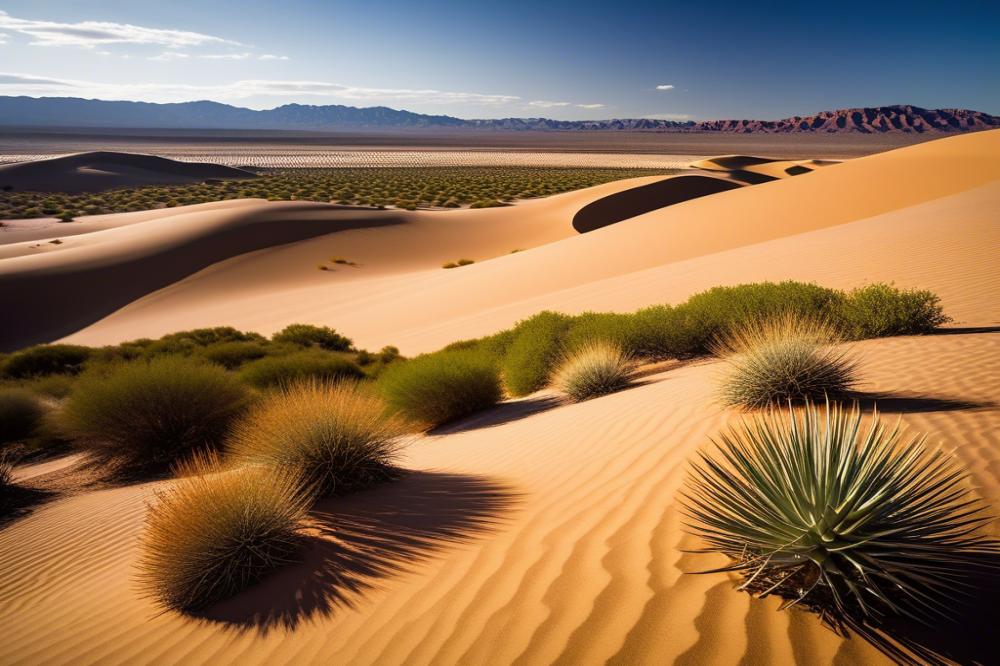
Native edible plants are species that grow naturally in a particular region and can be consumed as food. These plants have adapted to the conditions of their environment over generations. In arid landscapes, where water is scarce and temperatures can soar, they display remarkable resilience.
Characteristics of plants thriving in these areas include deep root systems and the ability to store water. Many have thick skins or waxy coatings to minimize moisture loss. Cactuses are a prime example of this adaptation. They offer a source of water and can be consumed in various ways. For instance, prickly pear pads and fruits are not only edible but also flavorful, providing a taste of the desert.
Mesquite trees also contribute to the food web. Their pods can be ground into flour, offering a nutritious ingredient for cooking. Furthermore, wild herbs like lamb’s quarters and purslane grow abundantly in these harsh conditions. Foraging for such plants connects people with local ecosystems and their history.
The role of biodiversity cannot be overstated. A diverse ecosystem supports multiple species, which in turn helps maintain balance. Sustainability is crucial when harvesting these plants. Taking only what you need allows these species to continue thriving and providing food for future generations. Nutrition is enhanced by integrating these native foods into diets. They offer unique flavors and health benefits found nowhere else.
Survival skills are essential when exploring arid terrains. Learning about native plants can empower individuals to navigate the landscape confidently. Not every plant is safe to eat, so knowledge is vital. Understanding the signs of edible species fosters a deeper relationship with nature.
Adopting a mindset that values these natural resources promotes awareness of our environment. Embracing native edible plants is not merely about sustenance; it’s a step toward appreciating the beauty and complexity of our natural world. As we explore these deserts, let’s remember the food that has sustained countless generations.
Cactuses: Nature’s Survival Food

In the heart of America’s arid landscapes, cactuses thrive where few plants can. These resilient plants offer more than just a striking appearance; many are edible and provide essential nutrition. As foragers explore the desert, they uncover a treasure trove of flavors and health benefits waiting to be discovered.
Overview of Edible Cactuses
Various types of cactuses produce fruits and pads that are suitable for consumption. They often contain vitamins and minerals that are hard to find in such dry environments. Prickly pear stands out as one of the most popular edible cactuses. Dishes incorporating its vibrant fruit bring a taste of the desert to kitchen tables across the country.
Prickly Pear: Nutritional Benefits and Culinary Uses
Prickly pear, also known as nopales, boasts impressive nutritional content. Rich in antioxidants, it helps fight inflammation and supports overall health. The pads can be cooked or grilled, adding a slight tang to salads and tacos. For dessert, the fruit can be transformed into jellies, syrups, or even refreshing drinks. Its bright color and sweet flavor attract culinary enthusiasts eager to experiment.
Other Edible Varieties: Saguaro, Cholla, and Their Uses
Aside from prickly pear, other cactuses like the saguaro and cholla also provide edible parts. Saguaro fruits are incredibly sweet, serving as a delightful snack for those lucky enough to harvest them. Cholla buds, when cooked, have a unique texture and add a crunchy element to dishes. Residents of the Southwest often incorporate these cactuses into their traditional cooking, highlighting the importance of sustainability and local resources.
Foraging Safety Tips for Cactuses
Foraging for cactuses can be rewarding, but caution is necessary. Always wear gloves to avoid painful spines that can easily penetrate skin. When harvesting pads or fruits, use a sharp knife for a clean cut, minimizing damage to the plant. Be mindful of disguises that some spines can take; they may be tiny and difficult to see. Learning about cactuses and other wild herbs can enhance survival skills and deepen your connection with nature.
Mesquite: The Sweet Gift of the Desert
Mesquite is a remarkable plant that thrives in America’s arid landscapes. This native species is not just an ordinary tree; it offers delicious edible pods that have sustained people for generations. The mesquite tree provides vital resources in harsh environments, proving itself essential to survival.
Those looking for nutrition will find mesquite pods to be quite impressive. Packed with protein, vitamins, and minerals, these pods also have a natural sweetness. Their carbohydrate content makes them a great energy source. Foraging for these pods can be a rewarding experience, especially for those interested in incorporating more wild herbs into their diets.
Culinary Applications: Flour and Beverages
Culinary uses for mesquite are diverse and exciting. One popular method is grinding the pods into flour. This unique flour can be used in various recipes, adding nutritional value and flavor. Think of pancakes, bread, or cookies made with mesquite flour. The brownish powder adds a sweet, nutty taste that enhances many dishes.
Additionally, mesquite can be used to make beverages. A refreshing drink can be prepared by steeping the pods in hot water. This mellow infusion captures the tree’s natural sweetness and makes for a delightful alternative to sugar-laced drinks. Sipping on mesquite tea feels like taking a step back in time, connecting with traditions of the desert.
Sustainable Harvesting Practices
Sustainability is crucial when gathering mesquite pods. Responsible foraging methods are essential to maintain healthy ecosystems. Harvesting should be done sparingly and with respect for plant communities. It’s important to leave enough pods for the trees to regenerate and for wildlife that depends on them.
Taking care of mesquite not only helps the environment but also ensures that future generations can enjoy the benefits of this precious resource. As people explore various ways to utilize cactuses and prickly pear alongside mesquite, they find that these plants complement each other beautifully in both flavor and nutrition.
Wild Herbs of the Desert
Desert landscapes offer a surprising variety of wild herbs that stand out against the rugged backdrop of cactuses and arid soil. These plants have adapted to harsh conditions and provide both sustenance and flavor. Some notable examples include desert thyme, wild oregano, and Mexican tarragon. Identifying these greens can enhance meals and expand taste experiences. Foraging for wild herbs can also deepen one’s connection to nature.
Identifying and Foraging Wild Herbs
To forage effectively, start by learning how to recognize common wild herbs. Desert thyme has tiny, fragrant leaves and can be found along trails. Wild oregano possesses small purple flowers and has a strong aroma. Mexican tarragon, with its dense foliage, resembles traditional tarragon yet thrives in the desert heat. Local guides or foraging apps can assist in identification. Remember to pick responsibly, leaving enough for others and ensuring the sustainability of the plant population.
Nutritional Benefits and Flavor Profiles
These wild herbs offer impressive nutrition. For instance, desert thyme is packed with antioxidants, while wild oregano provides anti-inflammatory benefits. Flavor varies widely among herbs. Mexican tarragon has a sweet, anise-like taste, while wild oregano delivers a robust, peppery punch. Adding these fresh herbs to dishes can elevate a simple meal, transforming it into an extraordinary culinary experience.
Traditional Uses and Recipes
Many cultures have long used wild herbs in traditional dishes. Some Native American tribes incorporated mesquite pods into their cooking, using the ground powder to flavor bread and porridge. Prickly pear pads are another staple, often grilled or pickled for their tangy flavor. Recipes featuring these herbs can range from simple salads to complex stews. With a little creativity, these native plants can enhance everyday meals while also showcasing survival skills.
Sustainability and Ethical Foraging Practices
Sustainability plays a vital role in harvesting native plants. When we take from nature, we must give back, ensuring that these resources remain for future generations. Overharvesting can damage the delicate balance of desert ecosystems. Many of these plants, such as mesquite and prickly pear, are not just food; they help the environment thrive. Protecting these resources helps keep desert landscapes healthy and vibrant for wildlife, too.
Guidelines for Ethical Foraging in Desert Landscapes
Foraging in arid areas is an exciting activity, but it comes with responsibilities. Always strive to gather only what you will use. Taking too much can lead to plant decline. Stick to the rule of thumb: leave at least half of what you find. This practice allows the plants to regenerate and continue providing essential nutrition and flavor.
Avoid harvesting near areas with pollution or heavy foot traffic. Urban development can impact the quality of native edible plants. Observing and respecting local regulations is equally important. Some regions may have specific restrictions to protect certain species. Be aware of the plants’ growing cycles as well. Understanding when a plant is at its peak will maximize both taste and sustainability.
The Role of Native Plants in Local Ecosystems
Native plants, like wild herbs and cactuses, are crucial to their local ecosystems. They provide food and shelter for various creatures. Their roots help prevent soil erosion and maintain moisture in the ground. Supporting them through sustainable practices ultimately leads to healthier environments. Every small step we take in foraging responsibly can make a significant impact.
Participating in ethical foraging means valuing the connection to nature. It offers a way to learn survival skills and appreciate the unique offerings of the landscape. Knowing about the plants we consume not only aids nutrition but also deepens our understanding of the desert’s ecology. Every harvest can become a lesson in respect for the planet and our role within it.
Survival Skills: Utilizing Desert Delicacies
Foraging in arid landscapes requires a keen eye and a bit of know-how. Spotting edible plants like cactuses and wild herbs can be challenging. Always look for the prickly pear, with its vibrant, sweet fruit. This cactus is not just visually appealing; it is packed with flavor and nutrition. Mesquite pods offer another fascinating option. They can be ground into flour, providing a gluten-free alternative to traditional grains.
Harvesting these plants is an art. Use gloves when dealing with prickly pear to avoid the thorns. Instead of pulling the fruit off the plant, twist it gently to release it. For mesquite, timing is critical. Wait until the pods are fully mature; they should be brown and dry. Once collected, clean and prepare the plants carefully to avoid dirt and unwanted pests.
Recipes and Cooking Methods for Desert Foods
Cooking with desert foods can be simple but delightful. A refreshing prickly pear salad requires minimal ingredients. Combine cubed prickly pear with diced cucumber, a pinch of salt, and lime juice for a delicious treat. Another option is to make mesquite pancakes. Blend mesquite flour with eggs and water, then cook them on a hot skillet. They offer a unique flavor that surprises many.
Wild herbs, like lamb’s quarters, can enhance any dish. Sauté them with garlic and olive oil for a nutritious side. These methods highlight the versatility of desert plants. Combining various ingredients leads to numerous meal options, each reflecting the character of the landscape.
Nutritional Importance in Emergency Situations
Understanding the role of desert delicacies becomes vital in emergencies. These edible plants can provide essential nutrients. Survival situations demand energy and sustenance, which these foods can provide. For example, the prickly pear’s high fiber content aids digestion. Mesquite is rich in protein and carbohydrates, crucial for maintaining strength.
In times of need, knowing how to utilize these resources promotes sustainability. Plant-based foods from the desert can be lifesavers. Proper education and practice can prepare anyone for unexpected circumstances. Observing nature and learning can turn foraging into a rewarding skill.
Final Thoughts on Desert Delicacies
The nutritional and ecological value of edible plants in arid regions cannot be overstated. These plants not only provide essential vitamins and minerals but also serve as crucial components of their ecosystems. By supporting local wildlife, they help maintain the delicate balance of desert life. Foraging for these species can enhance your diet while connecting you to nature.
Exploring the world of desert delicacies opens up a realm of culinary possibilities. Cactuses, for instance, offer hydration and fiber. Mesquite pods can be ground into flour, adding sweetness and nutrients to meals. Many people underestimate the flavors and benefits of these outdoor treasures. Why not take a trip to your local desert and experience this bounty firsthand? Each discovery in the wild can transform your perspective on what food can be.
Adopting sustainable practices is essential when enjoying these natural resources. Responsible foraging protects these plants and their habitats. Respect for nature ensures that future generations can enjoy the same benefits. By being mindful of your impact, you contribute to the preservation of both the plants and the ecosystem they support. Let’s celebrate these unique offerings while prioritizing conservation. Together, we can cultivate a deeper appreciation for the desert’s amazing bounty.


