
Gourmet Cross-Country: The Best regional cuisine Experiences in the US
culinary travel across the United States offers a fascinating exploration of diverse flavors and traditions. Travelers can immerse themselves in different food cultures that vary significantly from coast to coast. Each region showcases its own character through local dishes that often draw on historical influences and seasonal ingredients.
Food isn’t just sustenance; it represents a community’s heritage and stories. Exploring a city’s farmer’s markets can be a delightful way to witness the connection between producers and chefs. Fine dining establishments may elevate local ingredients to remarkable heights, while street food vendors provide quick access to authentic tastes. Festivals celebrating food bring communities together and invite visitors to savor what each region has to offer.
Through gastronomic tours, adventurers can discover traditional recipes passed down through generations. Each bite tells a story, embodying the essence of where it comes from. From the spicy depths of Creole cuisine in New Orleans to the fresh sushi of California, flavors intertwine with history and people. The United States holds an array of gourmet food experiences that every food lover should seek out. Whether it’s tasting barbecue in Texas or seafood chowder in New England, every journey into the heart of regional cuisine is a feast for the senses.
Regional Cuisine Experiences
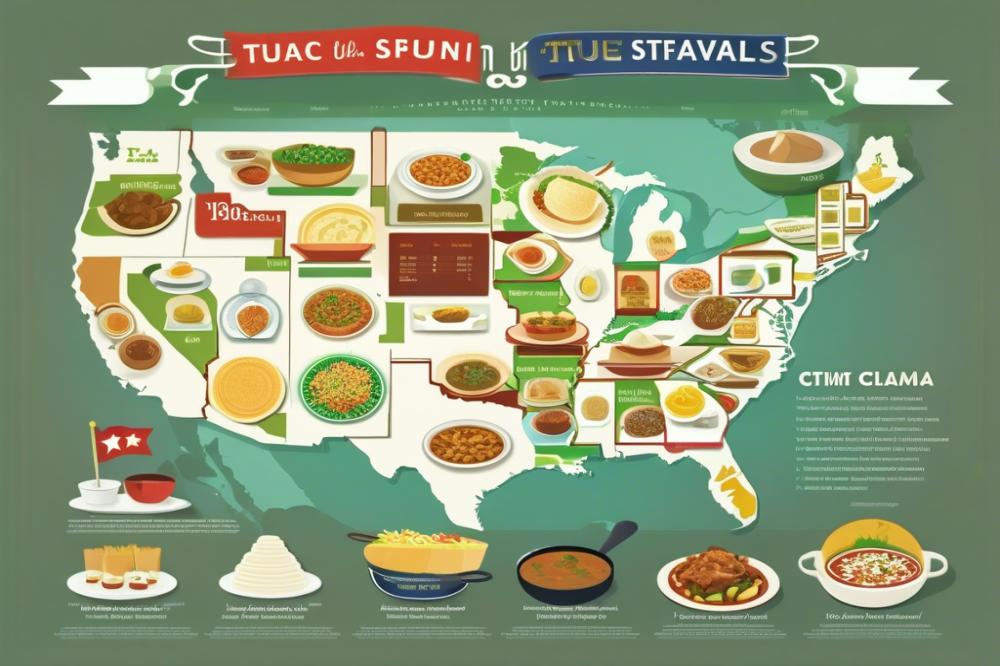
Regional cuisine refers to the distinct culinary styles and traditions that can be found across various parts of the United States. Each area showcases local dishes that reflect its cultural heritage. Through these offerings, visitors can experience the unique flavors and histories of different locales. culinary travel has become increasingly popular, with many people seeking to explore these rich food cultures.
Local dishes often tell stories about the people and places from which they originate. For example, in Louisiana, gumbo blends African, Spanish, and French influences, showcasing the state’s diverse history. Similarly, the Pacific Northwest offers fresh salmon dishes that highlight the region’s oceanic resources. Farmer’s markets play an essential role in connecting chefs and consumers to seasonal ingredients while fostering a sense of community.
Traditional recipes shape culinary identity and create a sense of belonging. Many of these dishes are passed down through generations, preserving the flavors of family traditions. Food festivals across the country celebrate these recipes, drawing huge crowds eager to sample authentic fare. Street food also illustrates this aspect of culture. Tacos from a Southern California food truck offer an instant connection to the Mexican immigrants who shaped the area’s food scene.
For those interested in restaurant experiences, fine dining establishments are increasingly highlighting regional ingredients and techniques. They elevate simple dishes into culinary masterpieces, while also staying true to their roots. Gastronomic tours allow food lovers to explore the intricacies of local cuisine. Here, chefs explain the importance of sourcing ingredients and maintaining traditions.
Every area of the country brings something different to the table. Visiting these regions to taste local specialties can leave a lasting impression. It is through food that we often understand one another and appreciate our differences. Each recipe embodies the spirit of the place it comes from, transforming simple meals into profound cultural experiences.
Culinary Hotspots

Across the United States, certain cities shine as culinary hotspots. New Orleans is a prime example with its rich food culture. Here, the blend of French, African, and Spanish influences create unforgettable local dishes like gumbo and beignets. Meanwhile, San Francisco showcases fresh seafood and innovative fusion food trends, making it a must-visit for culinary travel enthusiasts.
Another standout location is Portland, known for its vibrant food scene. Street food vendors and food trucks serve everything from gourmet grilled cheese to artisanal donuts. Each bite reflects the city’s love for creativity and local ingredients. This passion extends to farmer’s markets, where fresh produce and seasonal ingredients are abundant.
Farmer’s markets play a crucial role in connecting chefs with nearby growers. These markets offer a chance to discover seasonal ingredients that shape regional menus. Visitors can browse through colorful stalls, sampling ripe tomatoes or fragrant herbs, which often become the star of many traditional recipes in local restaurants.
Food Festivals
Food festivals pepper the calendar in many cities. They serve as a showcase for regional specialties and celebrate local cuisine. Events like the Taste of Chicago bring together chefs and food lovers. Attendees can savor dishes that highlight the city’s culinary diversity—from deep-dish pizza to gourmet hot dogs.
In addition to these organized events, smaller gatherings like crab festivals or chili cook-offs allow local chefs to flaunt their skills. These festivals not only feature tantalizing food but also foster a sense of community. They spotlight how food culture can bring people together through shared tastes and experiences.
Gastronomic tours are also popular. These guided journeys lead participants through gourmet experiences, often including visits to farms, kitchens, and markets. Explorers can learn about food sourcing and preparation, deepening their appreciation for what they eat.
Fine Dining vs. Street Food
In the culinary landscape of the United States, there exists a fascinating contrast between fine dining and the lively street food scene. Fine dining often showcases regional flavors through creative presentations and meticulous techniques. Chefs at these upscale establishments pride themselves on using seasonal ingredients, many sourced from farmer’s markets. Showcasing local dishes in an elegant setting, the experience is designed not just to satisfy hunger but to celebrate food culture. One prominent example includes The French Laundry in Napa Valley, renowned for its multi-course meals that highlight the bounty of California.
On the opposite end, street food stands as a bridge to authentic local tastes. It thrives on vibrant markets and bustling festivals, where flavors burst from every corner. Vendors often prepare traditional recipes passed down through generations, maintaining a direct connection to the community’s culinary heritage. Cities like New York or Los Angeles offer a colorful array of options, from savory tacos to sizzling kebabs. Each food truck or cart tells a story of its surroundings, providing a glimpse into the lives and traditions of local people.
Attending food festivals is another thrilling way to experience both culinary worlds. At these events, guests can savor exquisite dishes crafted by local chefs while also indulging in the simple delights of street food. It becomes a celebration of everything the region has to offer. The contrasts between the elegant atmosphere of fine dining and the casual vibe of food stalls create a captivating culinary journey.
Many culinary travel enthusiasts spend time exploring both options. On one hand, they enjoy the structured dining experience at places like Alinea in Chicago, which pushes the boundaries of gastronomy. On the other, they savor the charm and immediacy of local street vendors. Each encounter helps travelers discover diverse perspectives within America’s food culture.
Such gastronomic tours embody the essence of culinary exploration. They blend fine dining with the accessibility found in street food. By appreciating both sides, diners can gain a deeper understanding of the unique flavors and history of various regions. Whether enjoying a finessed plate or a quick bite from a taco stand, food becomes a powerful connector of cultures.
Gastronomic Tours
Across the United States, culinary travel provides an exciting way to explore diverse flavors. Gastronomic tours allow travelers to discover local dishes and deepen their appreciation for food culture. These experiences are available in various forms, from fine dining establishments to bustling farmer’s markets.
Travelers learn more about food traditions in every region. Many tours highlight how history and geography shape local cuisine. Participants often visit street food vendors, sampling iconic snacks that showcase seasonal ingredients. Food festivals also play a crucial role in these adventures, celebrating regional specialties with vibrant culinary displays.
Hands-on experiences are quite popular on these tours. Cooking classes present a chance to delve into traditional recipes, allowing participants to create dishes themselves. Guided by local chefs, these classes encourage visitors to embrace flavors and techniques that define the area’s gastronomy. They engage with the community on a deeper level, fostering connections through food.
Finding the best local offerings is one of the highlights of culinary travel. Enthusiasts explore artisanal food shops that showcase unique products. Each visit to a farmer’s market reveals fresh produce and homemade goods, often sourced from nearby farms. This direct connection to local ingredients enriches the overall experience.
Many who embark on gastronomic tours leave with memorable stories and new skills. Each region’s tour is carefully curated to immerse visitors in its culinary delights. They provide much more than tastings; they offer insights into the lifestyles, values, and techniques of local chefs and home cooks alike. The journey through each bite makes for a richer understanding of America’s diverse food scene.
Seasonal Ingredients and Sustainability
Using seasonal ingredients is vital in regional cuisine. Fresh produce tastes better and offers more nutrients. When local chefs prioritize what is in season, they capture the essence of their surroundings. This practice also promotes a strong connection to the land. Local dishes often reflect what’s available in the area at different times of the year.
Many communities celebrate their agricultural heritage through food culture. Farmer’s markets become hot spots where chefs find the freshest ingredients. Artisans and farmers collaborate to create mouthwatering dishes. Special events, like food festivals, highlight local flavors and culinary creativity. Gastronomic tours introduce visitors to the rich diversity of a region’s bounty.
Support for sustainable practices is growing within the food industry. Chefs are embracing traditional recipes that respect the land and its cycles. By sourcing ingredients from local farms, restaurants reduce their carbon footprint. This approach fosters a sense of community while promoting healthy eating. Street food vendors often lead the way with innovative ways to showcase what’s fresh.
Seasonal eating not only enhances flavor but also encourages environmental responsibility. Diners enjoy fine dining experiences that prioritize locally sourced ingredients. These meals tell a story about the region and its agriculture. Chefs help raise awareness about where food comes from, inspiring consumers to make better choices.
Incorporating these principles into culinary travel allows for authentic experiences. Travelers can taste the difference that comes from eating what is in season. Local foods connect people to traditions and provide a deeper understanding of a culture. Embracing sustainability doesn’t just benefit the palate; it enriches the planet as well.
Embracing America’s Culinary Tapestry
The United States boasts an incredible diversity of regional cuisine experiences. Each part of the country offers its own unique flavors, ingredients, and cooking methods. From the spicy dishes of the Southwest to the fresh seafood of New England, there is something for every palate. A journey across America reveals how deeply food reflects its region’s history and cultural influences. Each bite tells a story, a connection to the people and traditions that came before.
Exploring these culinary delights encourages appreciation for local ingredients and cooking techniques. Travelers can experience how food connects communities. Sample a bowl of chowder in Maine or indulge in BBQ in Texas. These experiences highlight the distinctiveness of American food culture. They remind us that every dish is more than sustenance; it’s an expression of heritage and pride.
Preserving these culinary traditions through travel is essential for future generations. When people explore food, they discover the heart of a place. Culinary travel fuels curiosity and fosters understanding among diverse communities. It allows us to honor the past while also embracing what is new and evolving in the world of food.
Appreciating the varied cuisines across the nation is an adventure worth taking. Each journey brings new flavors and enriching experiences. So, as you set out to explore, remember that every meal is a chance to connect with America’s vibrant and ever-changing landscape of tastes.


