
Exploring America’s Historical Tapestry
Traveling through the chapters of America’s past offers a unique experience for those who seek to understand the nation’s evolution. By taking a journey from colonial America to the Wild West, modern travelers can discover the pivotal events and cultures that shaped the United States. This exploration allows us to appreciate not just the lands traveled, but also the lives of those who ventured before us.
The significance of the Revolutionary War cannot be overstated. It marked the birth of a nation and set the stage for a new life in uncharted territories. As settlers sought new opportunities, they moved westward, igniting a period of expansion that changed the landscape and the people inhabiting it. These movements were not just about land; they were also about pursuing dreams and aspirations.
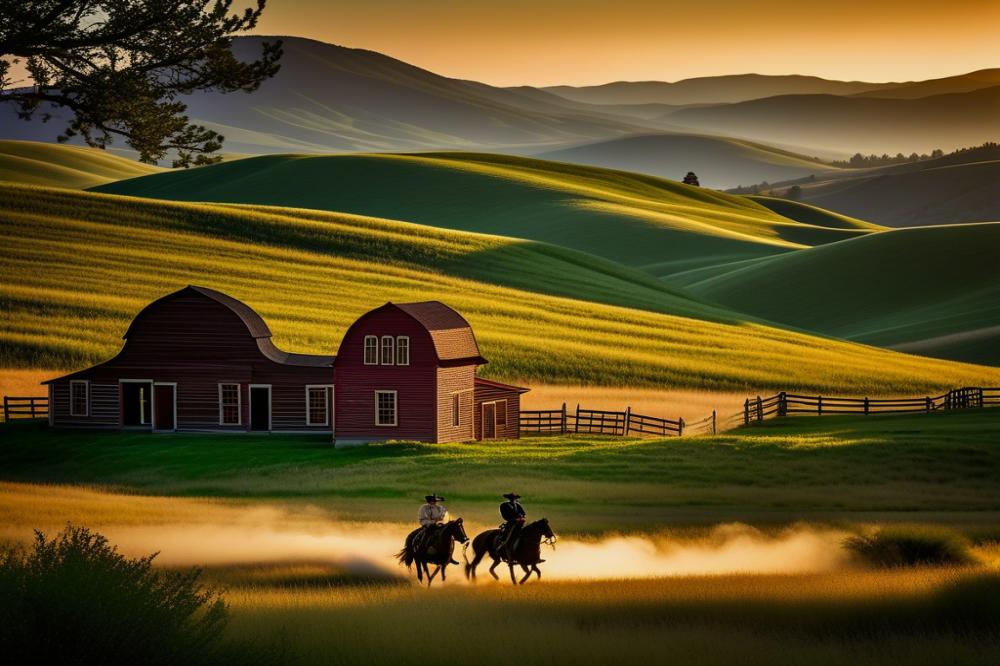
Life on the frontier was filled with challenges. The experiences of early settlers tell tales of courage, hardship, and resilience. Along the way, interactions with indigenous peoples shaped a complex narrative of coexistence and conflict. The arrival of cowboys during this transformative era introduced an entirely new dimension to American life. The image of cattle drives and wide-open spaces still captivates the imagination.
As we consider this historical exploration, we also recognize the struggles that accompanied the Civil War. That conflict arose between differing ideals and way of life, yet ultimately brought forth a unified nation. Traversing these historical sites today connects us with those who lived through such defining moments.
Visiting these locations provides an opportunity to engage with history in a tangible way. From the original colonies to the dusty trails that led to the Wild West, each step reveals stories waiting to be discovered. For travelers, this journey through American history gives insight not only into the past, but also a deeper understanding of what it means to be an American today.
American history: From the Revolutionary War
The American Revolution marked a turning point in the formation of a new nation. It began with deep-seated grievances against British rule. Colonists desired representation and autonomy. This struggle ignited a series of key battles that would ultimately shape the fate of what would become the United States. Events like the Battles of Lexington and Concord, Bunker Hill, and Yorktown illustrated the determination of the colonists. These confrontations revealed not only military strength but also a burgeoning sense of identity among the American people.
Figures such as George Washington, Thomas Jefferson, and Benjamin Franklin emerged as leaders during this tumultuous time. Washington’s leadership in the Continental Army proved vital to the Revolutionary effort. Jefferson’s drafting of the Declaration of Independence articulated the aspirations for a republic grounded in liberty and equality. Meanwhile, Franklin’s diplomacy helped secure crucial support from France, turning the tide of the war.
Life in colonial America was rich and varied. Communities thrived around agriculture and local markets. Families worked the land, and trade flourished in towns. Despite hardships, colonists celebrated their culture through gatherings and religious events. Schools and churches were central to social life, shaping the moral and ethical framework of communities. The significance of independence oversaw the crafting of a unique national identity, one based on freedom and democracy.
The quest for independence did not occur in isolation. Indigenous peoples played a critical role during these years of conflict. Many tribes found themselves caught between British and colonial interests. Some allied with the British, hoping to protect their homelands from encroaching settlers. Others sided with the revolutionaries, believing they could forge better relations in the wake of independence. Their stories are often overlooked in the broader narrative of American history.
As the war ended, the notion of westward expansion grew stronger. Settlers yearned for new opportunities beyond the Appalachian Mountains. This desire would lead to a dramatic shift in the American landscape, stretching the frontier and giving rise to the mythology of cowboys. The transition through the Wild West came with its own challenges and conflicts, echoes of the Revolutionary War still resonating through the fabric of the emerging nation.
Following the war, the United States faced significant trials, leading ultimately to the Civil War. Divisions deepened as different regions grappled with competing interests. The legacy of independence spawned a new era, one rich in both promise and peril.
The Civil War and Its Aftermath
The Civil War, which raged from 1861 to 1865, arose from deep divisions over slavery, states’ rights, and economic conflicts. These issues had simmered since the days of colonial America. By the time of the war, tensions exploded. The Southern states sought to maintain their way of life, including the institution of slavery. Conversely, the Northern states pushed for a more unified nation and the abolition of slavery.
Consequences of this brutal conflict were profound. The war claimed over 600,000 lives and left countless families shattered. Reconstruction followed, attempting to rebuild the South and integrate formerly enslaved people into society. The political and social structures changed as this period sought equality for all citizens. However, resentment lingered in many areas, which affected future interactions between different societal groups.
Settlement patterns shifted dramatically after the war. Many former soldiers turned to farming, ranching, and homesteading. The promise of land drew them westward, feeding the spirit of westward expansion. Cities such as Chicago and St. Louis became bustling hubs, connecting the new frontier with the East. Railroads expanded as well, making travel easier and encouraging migration.
The impact on indigenous peoples was significant. The expansion into western territories often led to violent confrontations. Treaties were frequently made and broken, leading to major upheaval and loss for Native American communities. As settlers moved in, they disrupted traditional lifestyles and territorial boundaries.
Life on the frontier changed significantly during the post-war years. Cowboys emerged as iconic figures, representing freedom and adventure. They drove cattle along open trails and contributed to the burgeoning cattle industry. Their lifestyle became central to the mythos of the Wild West. Stories of their exploits spread, capturing the imaginations of many.
Today, several locations commemorate this rich history. The National Civil War Museum in Harrisburg, Pennsylvania, honors the sacrifices made during the conflict. In addition, the National Cowboy & Western Heritage Museum in Oklahoma City celebrates the culture and contributions of cowboys. Sites like Gettysburg and Appomattox Court House allow visitors to glimpse important moments of the war. Exploring these historical landmarks provides insight into the intertwined legacies of the Civil War and the Wild West.
Understanding this period requires a broader historical exploration. The experiences of soldiers, settlers, and indigenous peoples intertwine to create a complex narrative. Together, they shaped a nation.
Westward Expansion and the Wild West
The concept of the frontier shaped the lives of many during the 19th century. Americans began to move west after the American Revolution, seeking new opportunities and land. This westward expansion transformed the country, leading families to travel long distances for a promise of a better life. Trails like the Oregon Trail and the California Trail became lifelines for settlers. These routes were often filled with dangers, but they represented hope and adventure.
Settlement in the West had profound effects on indigenous peoples. Tribes who had lived on these lands for centuries faced displacement and violence. Treaties were often ignored, and conflicts erupted. The arrival of settlers changed the landscape both culturally and physically. Life as they knew it was suddenly threatened, leading to significant loss and hardship for Native Americans.
The Mythology of the Wild West
The Wild West is filled with legends and tales that capture the imagination. Cowboys became symbols of bravery and freedom, embodying the spirit of adventure. They roamed the plains, herding cattle and often facing danger. Saloons served as gathering places for these rugged individuals, where stories were shared over drinks.
Ghost towns dot the landscape, remnants of once-thriving settlements. Many of these towns sprang up during gold rushes, only to decline when the minerals ran out. They tell stories of hope and desperation, reflecting the harsh realities of frontier life. Such places are woven into the fabric of American folklore, showcasing the triumphs and trials faced by settlers.
Landmarks from this era are significant. Sites like Independence Rock in Wyoming are reminders of the migration westward. This unique rock served as a landmark for pioneers on the Oregon Trail. Historical exploration reveals how the Civil War even affected the pace of settlement. Soldiers who had fought bravely returned home with a desire to seek new beginnings.
Each story from the Wild West contributes to our understanding of this period. The clash of cultures, the pursuit of dreams, and the creation of myths all paint a vivid picture of America’s journey. From the struggles of indigenous peoples to the adventures of cowboys, this chapter in history remains a compelling tale of resilience and ambition.
Historical Exploration and Travel Experiences
America’s rich past offers a wealth of travel opportunities. Visitors can step into key moments that shaped the nation. Exploring landmarks provides a deeper understanding of the various eras of American history. Here are some notable sites and itineraries to consider.
Colonial America
Begin your journey in Philadelphia, Pennsylvania. Visit Independence Hall, where the Declaration of Independence was signed. The nearby Liberty Bell resonates with the spirit of freedom. Another important site is Williamsburg, Virginia, a living-history museum. This town showcases the lifestyle and challenges of colonial settlers. Costumed actors demonstrate daily activities and trades, giving you an immersive experience.
The Civil War
Travel to Gettysburg, Pennsylvania, to witness a significant Civil War battleground. The Gettysburg National Military Park offers guided tours and insightful exhibits. Visitors learn about the pivotal battle that turned the tide of the war. Another essential site is the American Civil War Museum in Richmond, Virginia. This museum focuses on the war’s impact on the nation, including the experiences of both soldiers and civilians. Take time to visit the monuments honoring the sacrifices made by those involved.
Westward Expansion and the Wild West
Next, make your way to the Wild West. The National Frontier Trails Museum in Independence, Missouri, provides a glimpse into westward expansion. The exhibits detail the journeys of pioneers and indigenous peoples. Consider a visit to Tombstone, Arizona, famous for its Gunfight at the O.K. Corral. This historic town is filled with reenactments and stories of cowboys and lawmen. Nearby, the Tombstone Courthouse State Historic Park offers insights into life in the frontier.
Itinerary Suggestions
Creating an itinerary can enhance your historical exploration. Start in Philadelphia, immerse yourself in colonial America, and then head south to Richmond. After spending time at the Civil War Museum, travel westward across the country. Stop in Gettysburg on your way to the heart of the Wild West. Conclude your adventure in Tombstone and soak in the stories of the frontier. Each location offers a different perspective on American history.
By connecting these significant locations, travelers can appreciate the complexities of the past. The journey through colonial settlements, Civil War battlegrounds, and Wild West towns unveils the narratives that shaped the nation. Engaging with history in this manner creates lasting memories and enriches one’s understanding of this country’s evolution.
Bridging Eras: A Reflection on America’s Journey
The path from the Revolutionary War to the Wild West illustrates a remarkable evolution of the United States. This journey is fraught with struggles, triumphs, and the relentless pursuit of freedom. Colonial America laid the foundation for ideals that would flourish amidst the vast landscapes of the West. Every significant event along the way shaped the nation’s identity, highlighting a spirit of resilience and adventure.
The Revolutionary War ignited a passion for independence that fueled expansion and exploration. Later encounters with native tribes, the Gold Rush, and the expansion of railroads reflected the nation’s appetite for change and growth. Each chapter tells a unique story, rich with lessons about courage, conflict, and cooperation. Learning these narratives deepens our connection to the past.
Exploring historical sites—from the battlefields of the Revolutionary War to the dusty trails of the Wild West—offers more than a mere glance at what once was. Visiting these locations provides a visceral understanding of the trials faced by those who lived before us. Engaging with America’s history encourages people of all ages to appreciate the sacrifices that shaped this land.
History exploration acts as a bridge to our understanding. Without it, the stories of our ancestors may fade into obscurity. As Americans, our heritage deserves recognition. By embarking on journeys through time, we become part of a larger narrative, ensuring that the lessons learned resonate through generations.
So, gather your family or friends and plan an adventure. Discover the roots of your country and walk the grounds where history was made. Every stop along the way can reveal stories waiting to be uncovered. The past is alive, and it invites you to witness the rich tapestry of American life.


