

Introduction
Tropical fruit cultivation in Laos offers a vibrant glimpse into the rich biodiversity of the region. Farmers work tirelessly to grow a variety of exotic fruits that thrive in the country’s warm, humid climate. This agricultural practice not only enriches the local diet but also plays a significant role in the economy. Many households depend on the harvest of seasonal fruits for their livelihood, making this sector vital for rural communities.
The potential for sustainable farming is immense. Innovative cultivation techniques help increase yields and foster environmental health. Farmers often combine traditional Laos farming practices with modern approaches, leading to better fruit production and quality. Diverse fruit varieties, such as mango, papaya, and lychee, bring unique flavors to local markets. These fruits are not only popular among residents but also attract tourists, creating opportunities for export.
Education plays an important role in promoting tropical agriculture. Several courses available in Asia focus on food, cooking, and agriculture. These programs help individuals better understand growing methods and enhance their skills. Knowledge gained from these educational resources can lead to improved techniques in harvesting and cultivating exotic fruits. As interest in tropical fruit production grows, the industry continues to flourish, paving the way for a brighter economic future in Laos.
Understanding tropical fruits

Definition and Significance of tropical fruits
Tropical fruits are often found in warm climates. They are not just delicious; they play a vital role in agriculture. Not only do they boost the local economy, but they also support nutrition. Communities depend on these fruits for their sustenance and livelihood. In many ways, exotic fruits represent the heart of agrarian life in Laos.
Common Varieties of Tropical Fruits Grown in Laos
Laos is home to several intriguing fruit varieties. Mangoes, bananas, and papayas are among the favorites. Durian, known for its strong smell, captures the attention of adventurous eaters. Lychee and longan add sweetness to local markets, attracting many buyers. Each region has its specialties that thrive under the lush conditions provided by tropical agriculture.
Nutritional Benefits and Culinary Uses of Tropical Fruits
The benefits of these seasonal fruits cannot be overstated. They are packed with vitamins, minerals, and antioxidants. Mangoes offer a rich source of vitamin C, while bananas provide potassium. Chefs often incorporate them into traditional dishes, enhancing flavors and nutrition. Local communities engage in various cultivation techniques that promote sustainable farming. As people become more aware of health, the popularity of these fruits continues to rise.
Growing Tropical Fruits
Ideal Climatic Conditions for Tropical Fruit Cultivation
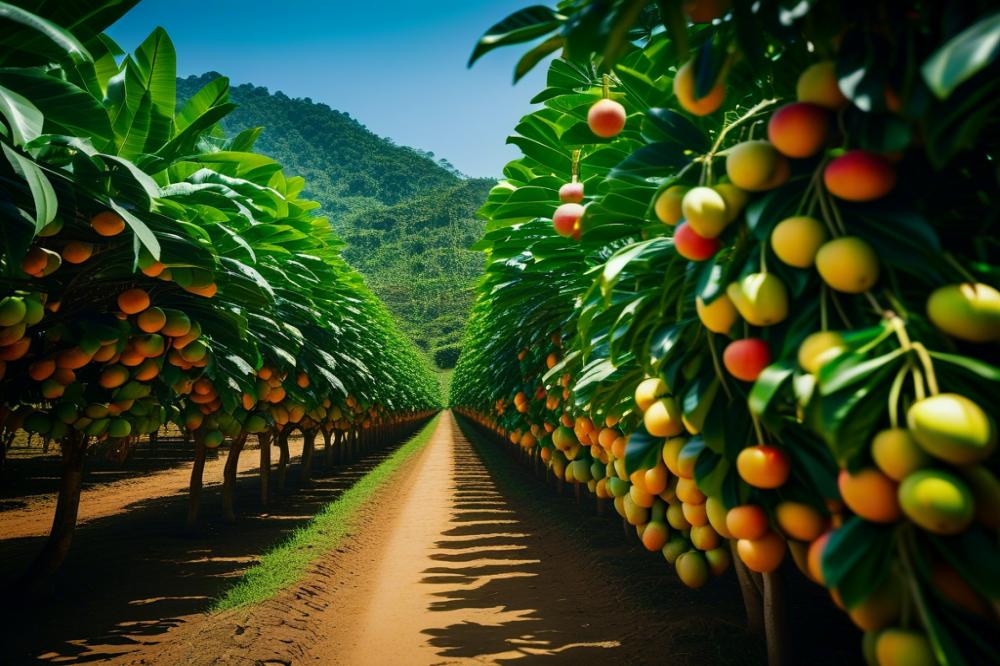
Laos boasts a warm climate, which is perfect for many exotic fruits. Most tropical species thrive in temperatures between 25°C to 35°C. Additionally, rainfall plays a significant role. An average of 1,200 to 2,500 millimeters annually creates a fruitful environment. Humidity levels should also be high, often above 60%. This combination of heat and moisture supports vigorous growth.
Soil Requirements and Preparation Techniques
Good soil is an essential component for successful cultivation. Sandy loam, rich in organic matter, is ideal for most fruit varieties. Before planting, farmers often test soil pH. A range of 5.5 to 7.0 is typically favorable. Preparation techniques may include tilling and adding compost to enrich the earth. This encourages healthy root development and nutrient absorption. During the rainy season, drainage is also crucial to avoid waterlogging.
Key growing Practices for Various Tropical Fruits
Growing practices vary widely among fruit types. For instance, banana plants require regular watering and protection from strong winds. On the other hand, mango trees need ample sunlight and space to grow. Pruning plays a vital role in maintaining tree health and encouraging fruit production. Farmers often use different planting techniques, such as layering for certain fruits. These methods enhance the yield and help prevent pests.
Introduction to Sustainable Farming Methods in Fruit Cultivation
Sustainable farming is becoming more popular in Laos agriculture. Techniques involve crop rotation and integrating natural pest control. By using organic fertilizers, farmers can reduce reliance on chemicals. Many are adopting methods like agroforestry, where trees and crops coexist. This not only protects the environment but also diversifies income. Seasonal fruits can benefit from this approach. And with continuous education, farmers improve their skills in sustainable practices.
harvesting Tropical Fruits
Timing and Techniques of Harvesting Different Fruit Varieties
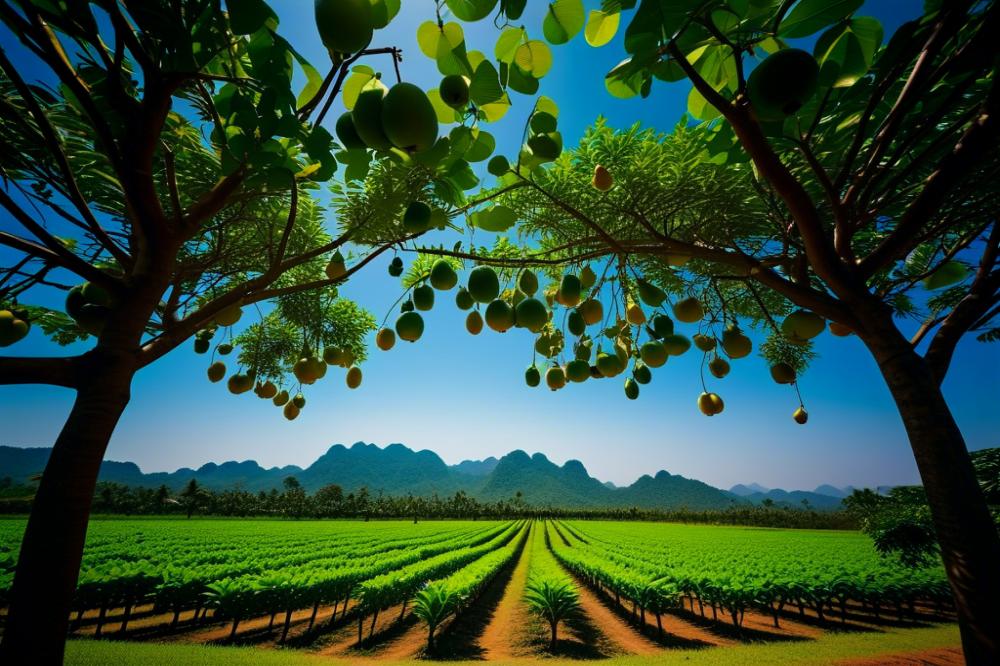
Harvesting requires careful timing. Each fruit has its unique season. For example, mangoes are best picked when they show a hint of color change. On the other hand, bananas should be harvested while still green but plump. Choosing the perfect moment ensures better flavor and longer shelf life. Farmers in Laos often rely on traditional knowledge passed down through generations to determine the right time. While some fruits may look ripe, they might not be ready to eat just yet. Understanding each variety is key to successful harvesting.
Different techniques also play a role. Climbing trees to reach high fruit may be necessary for varieties like durian. Some fruits, like lychee, are picked with care to avoid bruising. Tools such as fruit pickers or sharp daggers can aid in the process. Proper techniques not only protect the fruit but also improve yield. Crafting baskets from local materials helps transport the harvest safely. Local farmers regularly share tips and tricks to improve their agriculture practices and enhance productivity.
Post-Harvest Handling and Storage Practices
Once the fruits are harvested, how they are handled matters greatly. Post-harvest methods can influence quality. The first step is to clean the fruit gently to remove dirt and residues. Storing fruits in a cool, shaded place also helps maintain their freshness. Not every fruit requires the same storage conditions. Some may need refrigeration, while others do well at room temperature.
In Laos, many farmers use traditional storage methods. For instance, bamboo baskets allow airflow and minimize spoilage. This practice is grounded in sustainable farming goals. By using local materials, they can keep their produce fresh for longer. Education about post-harvest practices is crucial for farmers aiming to boost sales and reduce waste.
Importance of Seasonal Fruits and Understanding Ripening Stages
Seasonal fruits play a vital role in the local economy and diet. They are abundant during certain times of the year, offering a variety of flavors. Consumers look forward to the arrival of specific fruits each season. Tropical agriculture thrives when farmers understand the cycles of their crops. Knowing when fruits are approaching ripeness is essential. Each stage of ripening brings different flavors and nutritional values.
Farmers benefit from recognizing the signs of ripening. Color changes, softness, and aroma can indicate when fruit is ready. Selling at just the right moment can maximize profit. Community markets often feature fruits at their peak, attracting customers eager to enjoy fresh flavors. Educational efforts that promote understanding ripening stages can improve local farming practices and boost community health.
Embracing the richness of fruit varieties enhances not only the palate but also the local agricultural landscape in Laos.
Laos Farming Practices
In Laos, traditional and modern agriculture methods coexist, shaping the landscape of farming. Many farmers rely on age-old techniques passed down through generations. These practices often include shifting cultivation and subsistence farming. Recent years have seen a gradual shift towards modern practices, improving efficiency and yields.
Integration of Local Farming Techniques with Tropical Agriculture
Local farming techniques blend surprisingly well with tropical agriculture. Farmers use intercropping methods to cultivate a variety of plants together, enhancing biodiversity. This method helps in pest control and nutrient management. Additionally, some grow seasonal fruits like mangos and bananas alongside each other, maximizing productivity on limited land. In recent times, many have adopted sustainable farming practices. This shift helps mitigate environmental impacts while still allowing farmers to thrive.
Challenges Faced by Farmers in Cultivating Tropical Fruits
Despite these advancements, farmers in Laos face many challenges in cultivating exotic fruits. Climate change has altered weather patterns, leading to unexpected droughts or heavy rains. These changes make it difficult for farmers to predict the best times to plant or harvest. Access to quality seeds and farming equipment remains limited in some areas. Furthermore, market access can be a struggle. Many farmers are disconnected from buyers, leading to unstable prices for their produce.
To overcome these hurdles, farmers seek community support and training. Local organizations work with them to improve cultivation techniques and develop marketing strategies. Collaboration may be essential to ensure that these practices are practical and effective. Through shared knowledge, farmers hope to grow not only their crops but also their livelihoods.
Courses in Asia on Food, Cooking, and Agriculture
Across Asia, various educational opportunities cater to those passionate about food, cooking, and agriculture. In Laos, several programs focus on growing and harvesting exotic fruits. Many of these courses provide hands-on experience, blending traditional methods with modern techniques. Aspiring farmers often enroll to learn directly from experienced locals, gaining insight into effective Laos farming practices.
Educational institutions emphasize sustainable farming. Students explore cultivation techniques that minimize environmental impact. This focus helps new farmers understand the balance between productivity and ecology. They learn about soil health, pest control, and crop rotation. Such knowledge is vital for anyone wanting to grow seasonal fruits while protecting resources for future generations.
Furthermore, courses often dive into tropical agriculture and related cooking methods. Learning how to prepare dishes using fresh produce enhances appreciation for local cuisine. Chefs who understand the ingredients can create meals that celebrate the region’s agricultural heritage. Different fruit varieties and their uses become central topics in these classes. By fostering a deeper connection between food and culture, educational programs make a lasting impact.
Students engage not only in practical skills but also in community-building experiences. Sharing knowledge about agriculture with peers fosters collaboration. Networks formed during these courses often last long after completion. Participants leave equipped with valuable skills and a strong sense of purpose in their fields.
Final Thoughts
Cultivating diverse fruits in Laos plays a crucial role in both the economy and the local culture. Farmers can benefit greatly by focusing on these crops. As international interest grows, so does the potential for local agriculture to thrive. Connecting with global markets offers fresh opportunities for income and sustainability.
Looking ahead, there is much promise for developing exotic varieties. Innovations in agricultural practices can lead to improved yields. Enhanced methods will not only boost the economy but could also support environmental health. By adopting modern techniques, farmers can increase productivity while preserving their land.
Readers interested in food, cooking, or agricultural studies should consider exploring courses available in Asia. Knowledge gained from these programs can empower future farmers and chefs alike. Knowing how to grow and harvest delicious fruits can open doors to exciting careers. There is a whole world of flavors waiting to be discovered. It is essential for individuals to explore these opportunities.


