

Understanding biodegradable plastics and green construction
Plastics that can break down naturally in the environment hold immense potential for reducing the ecological footprint of many industries. These materials are created from renewable resources and are crucial to the development of sustainable materials. Their importance grows as the world grapples with pollution and waste management.
Traditional plastics have an undeniable impact on our planet. They often contribute to overflowing landfills and significant environmental harm. In the construction industry, the use of plastic products not only adds to the waste but also amplifies the overall carbon footprint. Many construction materials are made with plastics that can take hundreds of years to decompose, leaching chemicals into the soil and waterways during that time.
Emerging trends in eco-friendly building aim to counter these challenges through innovation and responsible practices. green construction emphasizes sustainability in every stage, from planning to execution. This approach seeks to minimize waste, promote renewable resources, and ultimately achieve green certifications. Lifecycle assessments play a vital role in this process, helping builders understand the environmental impact of materials from creation to disposal.
By integrating environmentally friendly materials into building projects, stakeholders can actively contribute to waste reduction. The ongoing shift towards greener practices not only benefits the environment but also helps communities to thrive. Engaging with these concepts can pave the way toward a sustainable future that balances modern needs and ecological responsibility.
The Role of biodegradable plastics in Sustainable Construction

Biodegradable plastics originate from renewable resources, such as plant starches, vegetable oils, and even proteins. These materials offer a viable alternative to traditional plastics, which are often derived from petroleum. By using crops that can be regrown, we can lessen our reliance on fossil fuels and contribute positively to environmental health.
Various types of biodegradable polymers are already making their mark in the construction industry. For instance, polylactic acid (PLA) is popular for its strong performance and ability to decompose in industrial composting facilities. Another example includes polyhydroxyalkanoates (PHA), which can break down in marine environments, making it a smart choice for eco-friendly building projects near water bodies.
Adopting these sustainable materials brings several benefits. First, they contribute to waste reduction, as they can decompose over time. This property can significantly lower the amount of waste that ends up in landfills. Additionally, using biodegradable options can help reduce the carbon footprint of construction projects. The lifecycle assessment of these materials often shows a smaller environmental impact compared to conventional plastics.
Green certifications are becoming essential in today’s eco-conscious society. Builders who integrate these innovative materials can earn accolades for their commitment to sustainability. This not only showcases their dedication to lower emissions but also enhances their marketability. Moreover, improved waste management practices can lead to cleaner construction sites.
Impacts on Waste Reduction and Waste Management
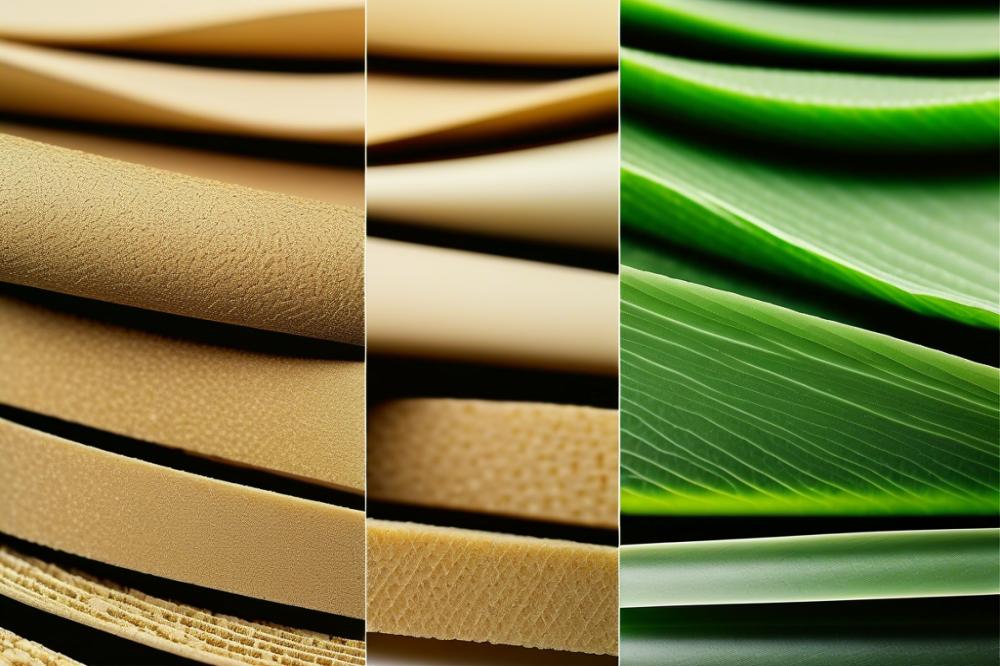
In the construction industry, waste reduction plays a vital role. By using biodegradable materials, builders can greatly cut down on waste. These sustainable materials break down naturally over time, unlike traditional plastics. This characteristic helps lower the amount of waste sent to landfills, making projects more eco-friendly.
Several strategies in waste management benefit from these unique plastics. They fit into current recycling systems better than many conventional materials. When construction projects involve renewable resources, the overall environmental impact is much less significant. This approach also lines up with green certifications that many companies strive for today.
While evaluating waste management options, lifecycle assessments provide essential data. They show how biodegradable materials perform from production to disposal. Often, the carbon footprint associated with these materials is reduced during their lifecycle. This aspect makes them more appealing to contractors and builders advocating for eco-friendly building practices.
Furthermore, the incorporation of biodegradable alternatives can enhance general recycling processes. As these materials have specific breakdown requirements, they can be sorted more easily. Implementing such tactics leads to more efficient recycling methods. In turn, this can encourage more companies to adopt practices that focus on sustainability.
Lifecycle Assessment and Carbon Footprint Reduction

Analyzing the lifecycle of biodegradable plastics reveals crucial benefits in the construction sector. These materials often start with renewable resources, which can reduce reliance on fossil fuels. This fundamental shift impacts the entire process, from production to disposal. The entire lifecycle—from sourcing to degradation—must be examined to fully understand their advantages.
When comparing the carbon footprint of traditional plastics to alternatives, the differences are significant. Conventional plastics are derived from non-renewable resources. Consequently, their production emits a larger amount of greenhouse gases. In contrast, eco-friendly building materials have a much lower carbon footprint during their lifecycle. This shift can result in a smaller overall emission profile for construction projects.
Lifecycle assessments play a vital role in promoting sustainable materials. They provide insights into the overall environmental impact of production methods and disposal practices. Builders and developers use these assessments to make informed choices about which materials to select. Featuring products with impressive lifecycle data can help in obtaining green certifications that enhance a project’s reputation.
Waste reduction strategies often accompany these assessments. By choosing biodegradable options, the industry can significantly cut down on landfill waste. Traditional plastics may linger in the environment for hundreds of years. In stark contrast, properly managed biodegradable materials break down within shorter time frames. This efficiency adds to the environmental benefits of sustainable building practices.
In the construction industry, the push for better waste management is becoming vital. Stakeholders increasingly recognize that their choices can foster a healthier planet. Innovative approaches to plastic alternatives are driving the industry toward greener methods. Emphasizing lifecycle assessment not only aids sustainability but helps promote long-term ecological health.
Green Certifications and Market Trends
Green certifications play a crucial role in the growing interest in sustainable materials for construction. Many organizations offer certifications that evaluate the environmental impact of building materials. For example, the Forest Stewardship Council (FSC) certifies wood products that come from responsibly managed forests. Organizations like LEED and BREEAM assess entire buildings, including the materials used.
Consumer demand for eco-friendly building materials continues to rise. Homebuyers increasingly prefer homes that reflect their values regarding the environment. Real estate trends show that properties with green certifications often have higher resale values. This change in consumer behavior is motivating builders to incorporate more sustainable practices.
Alongside this demand, the construction industry is increasingly focused on waste reduction. Sustainable materials contribute to a lower carbon footprint. This can be particularly important during the building lifecycle. Products made from renewable resources are appealing because they minimize reliance on fossil fuels.
Lifecycle assessment offers a way to evaluate the total environmental impact of construction materials over their lifespan. This assessment considers extraction, manufacturing, usage, and disposal. Builders are leveraging these evaluations to make informed decisions. Such informed choices meet green building standards effectively.
Notably, biodegradable plastics have a part to play in these efforts. They can reduce landfill waste significantly when used smartly in construction. As the industry moves toward better waste management practices, these materials offer a way to decrease overall environmental footprints. The focus on reducing waste and improving sustainability reflects broader shifts in consumer awareness.
In summary, the construction landscape is changing. More builders are seeking green certifications to showcase their commitment to eco-friendly practices. Market trends clearly indicate a shift towards innovation, driven by consumer demand. This evolution can lead to a more sustainable future for the industry.
Case Studies of Biodegradable Plastics in Construction Projects
Numerous construction projects are now incorporating sustainable materials to improve their eco-friendliness. One notable example comes from the Netherlands. Architects used biodegradable materials to construct a bridge in a nature reserve. This design aims to blend with the environment while minimizing its carbon footprint.
Another fascinating project took place in South Africa. Builders utilized renewable resources by using bio-based plastics for pavers. These innovative bricks provide durability and reduce waste. As a result, they have shown significant promise in waste management efforts, demonstrating both functionality and environmental responsibility.
In Australia, a residential project embraced biodegradable plastics in its insulation. The homeowners sought to decrease the environmental impact associated with conventional materials. Their approach not only enhanced energy efficiency but also contributed to green certifications for the building. This achievement reflects a growing trend within the construction industry.
Lifecycle assessments from these projects reveal impressive outcomes. The bridge project in the Netherlands effectively showed a reduction in lifecycle emissions. The team found that using these eco-friendly materials allowed them to cut down on carbon emissions significantly. This kind of analysis plays a vital role in promoting best practices among construction professionals.
Using pavers that incorporate biodegradable components also yielded positive results. Builders noted a decrease in waste during the manufacturing process. Moreover, residents reported lower maintenance costs due to the durability of these materials. This demonstrates how innovative applications can bring both environmental benefits and economic savings.
In summary, these case studies illustrate how the adoption of biodegradable alternatives can reshape the landscape of construction. The projects conducted in diverse regions highlight the versatility of these solutions. As more professionals recognize the advantages of eco-friendly building, the momentum for sustainable practices in this sector continues to grow.
Future Prospects and Challenges
Biodegradable plastics hold the potential to revolutionize the construction industry. With demands for sustainable materials growing, the use of eco-friendly building components could lead to significant waste reduction. As society pushes for greener practices, these innovative materials might help lower the environmental impact of construction projects. Various applications can be envisioned, such as in insulation, barriers, and even temporary structures.
Despite this promising outlook, challenges remain. Concerns about material performance are prevalent. Many current options do not meet the rigorous demands of the construction environment. Issues like strength and durability can be problematic. Moreover, achieving wide acceptance in a traditional industry is difficult. Builders often rely on established materials, making new entrants less attractive. Additionally, higher costs of biodegradable substitutes may deter contractors who prioritize budgets.
Barriers like these can be tackled with some strategic approaches. Research and development efforts need focus on enhancing the properties of these materials. Partnerships between manufacturers and researchers could lead to breakthroughs. Implementing lifecycle assessment practices can provide valuable insights into long-term benefits compared to conventional materials. Promoting green certifications can also motivate companies to adopt eco-friendly methods.
Education about the advantages of biodegradable options is essential. Informing stakeholders about waste management and potential carbon footprint reductions could spark interest. Building awareness through seminars or workshops would encourage dialogue within the industry. Incentives from governments may further support the transition to renewable resources. Collaboration across the sector could establish best practices and overcome resistance.
Ultimately, biodegradable plastics have a critical role in shaping the future of green construction. Successful implementation hinges on addressing performance issues and changing perceptions. With concerted efforts, the construction industry can become a leader in sustainability and innovation.
Looking Ahead
The role of biodegradable plastics in green construction is becoming increasingly significant. These materials offer a promising alternative to traditional plastics that often end up in landfills. Construction projects can reduce their environmental impact by integrating such innovative solutions. Eco-friendly building practices benefit not just the planet but also the communities involved.
Sustainable materials play a vital part in shaping a greener future for construction. Focusing on reducing waste and promoting the use of natural resources can lead to more responsible building methods. As awareness of environmental issues expands, the demand for green solutions continues to grow. This growing interest encourages innovation in the field.
Ongoing research is crucial to further explore the potential of these unique materials. Scientists and engineers must work diligently to develop even better products that can serve the needs of the industry. By prioritizing such efforts, the construction sector can become more sustainable and less harmful to the environment.
Ultimately, the future of building lies in our collective ability to embrace change. Transitioning to biodegradable options will require commitment but promises substantial rewards. Through the active collaboration of stakeholders, a healthier planet awaits.


