
Introduction
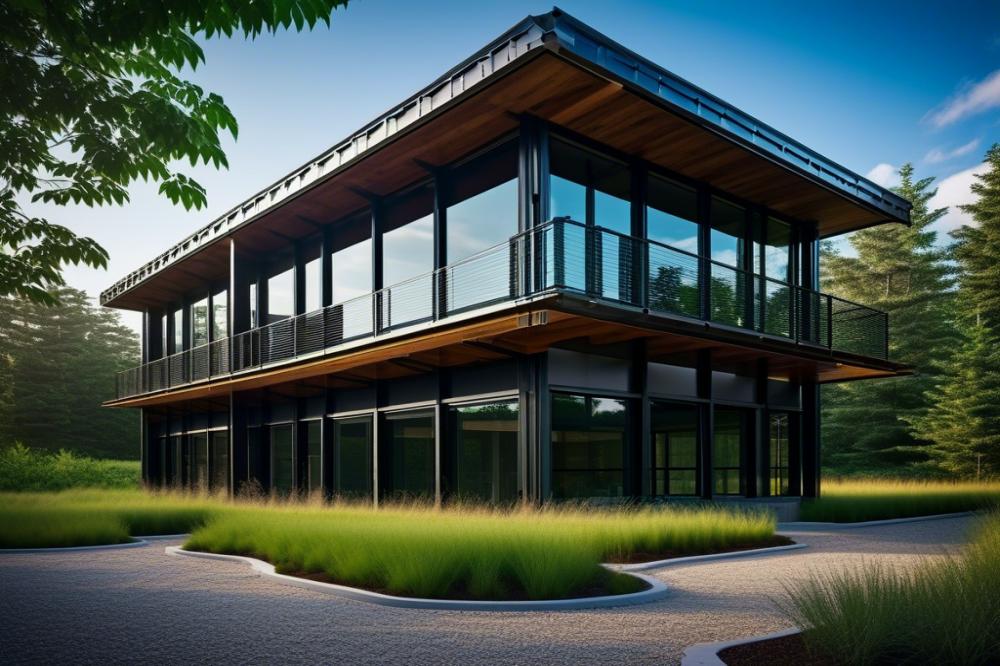
salvaged metal refers to materials that have been repurposed from deconstructed or demolished structures. In today’s construction world, this practice offers a smart way to use what already exists. It not only conserves resources but also contributes to eco-friendly construction initiatives. By using recycled materials instead of new ones, builders can significantly reduce waste and lower their environmental impact.
The importance of this approach cannot be overstated. sustainable building practices are increasingly vital as cities grow and resources dwindle. Urban mining allows for the extraction of valuable materials from old sites, promoting a circular economy that prioritizes waste reduction. This strategy lessens the demand for new extraction processes that can be detrimental to the environment.
In this article, we will explore how salvaged metal plays a critical role in sustainable building projects. Readers will gain insight into its benefits, applications in architecture, and how it fosters innovation while bolstering resource conservation. By understanding these aspects, we can appreciate how using such building materials positively affects our communities and the planet.
Understanding Salvaged Metal
What is Salvaged Metal
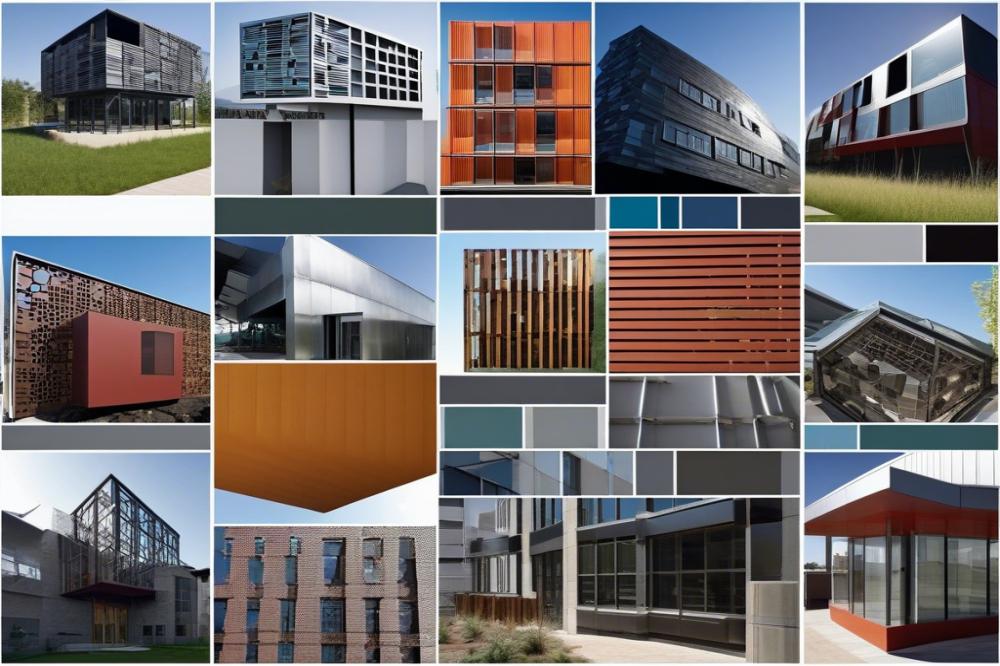
Salvaged metal refers to materials obtained from deconstructed buildings or discarded products. Mostly, these metals come from old structures such as homes, factories, or vehicles. They can also include recyclable parts from appliances, pipes, and even machinery. Instead of being thrown away, these materials offer a new life in eco-friendly construction projects.
Sources of Salvaged Metal
Numerous sources provide this resource. Urban mining involves extracting valuable metals from products thrown in landfills. Old factories and warehouses often have steel beams or aluminum sheets ripe for reuse. Demolition sites present another opportunity. Buildings being torn down typically contain a wealth of materials that can be repurposed. Scrap yards are treasure troves of copper wiring and other useful items. Additionally, some companies specialize in collecting and selling these materials, making them accessible for new construction.
Benefits of Using Salvaged Metal in Construction
Choosing recycled materials for building has many advantages. First, it helps reduce waste and lowers environmental impact. It decreases the amount of new metal produced, which is a significant contributor to pollution. Resource conservation becomes easier, allowing for a more sustainable approach to architecture. Using these materials contributes to green building efforts by ensuring energy efficiency and a smaller carbon footprint. Furthermore, it supports the concept of a circular economy, where materials are reused instead of discarded. This practice not only preserves resources but also promotes innovative design and reduces costs in construction projects. Embracing such materials can be a step toward a more responsible future in building.
Salvaged Metal in Eco-Friendly Construction
Role of Salvaged Metal in Green Building
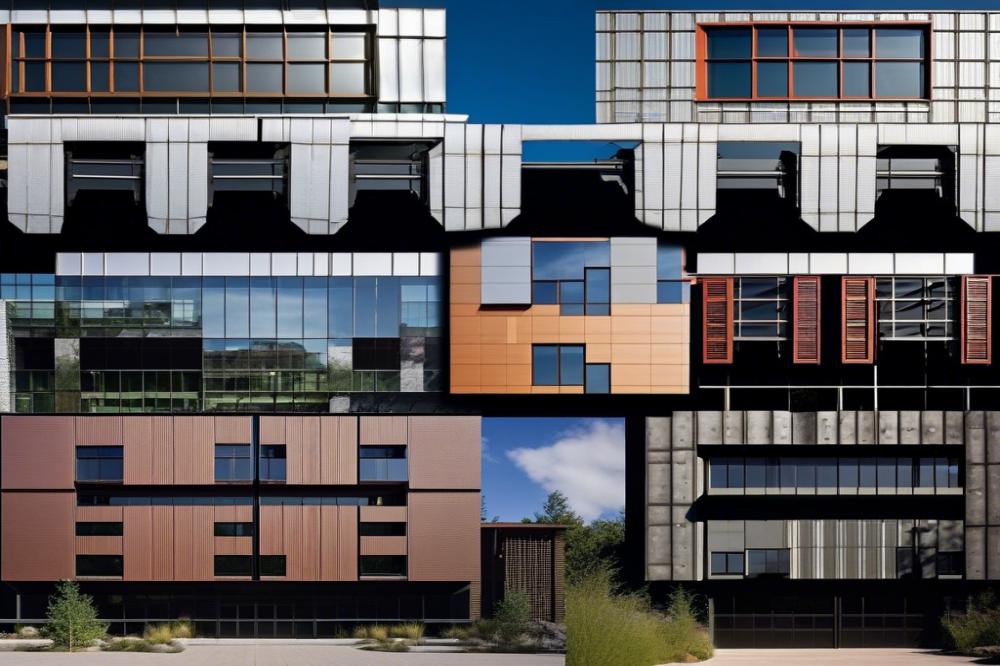
Salvaged metal plays a key role in eco-friendly construction. Using this material helps reduce the demand for new resources. When builders opt for recycled materials, they contribute to resource conservation. This approach lessens the environmental impact of construction activities. Green building practices often focus on minimizing waste. By repurposing metal, architects help support the concept of a circular economy. Urban mining—the process of reclaiming metal from old buildings—illustrates this idea well.
Examples of Salvaged Metal Applications in Architecture
There are many creative applications of salvaged metal in architecture. For instance, some designers incorporate beams and columns from deconstructed buildings into new structures. This repurposed metal adds character to a modern design. In addition, fences and gates made from old metal can serve as stylish and durable features. Some artists also use discarded metal to create sculptures that double as functional elements, like benches or handrails. These examples show the versatility and practicality of using these building materials.
Innovative Designs Utilizing Salvaged Metal
Innovative designs often reflect a strong commitment to sustainability. Some architects experiment with mixed-material exteriors, blending salvaged metal with wood or glass. This combination can produce striking contrasts that capture attention. In other projects, entire facades are created using recycled metal panels, showcasing both aesthetics and functionality. Skylights made from reclaimed materials can also save energy while offering natural light. These creative approaches indicate that eco-friendly construction does not sacrifice beauty for sustainability.
Resource Conservation and Waste Reduction
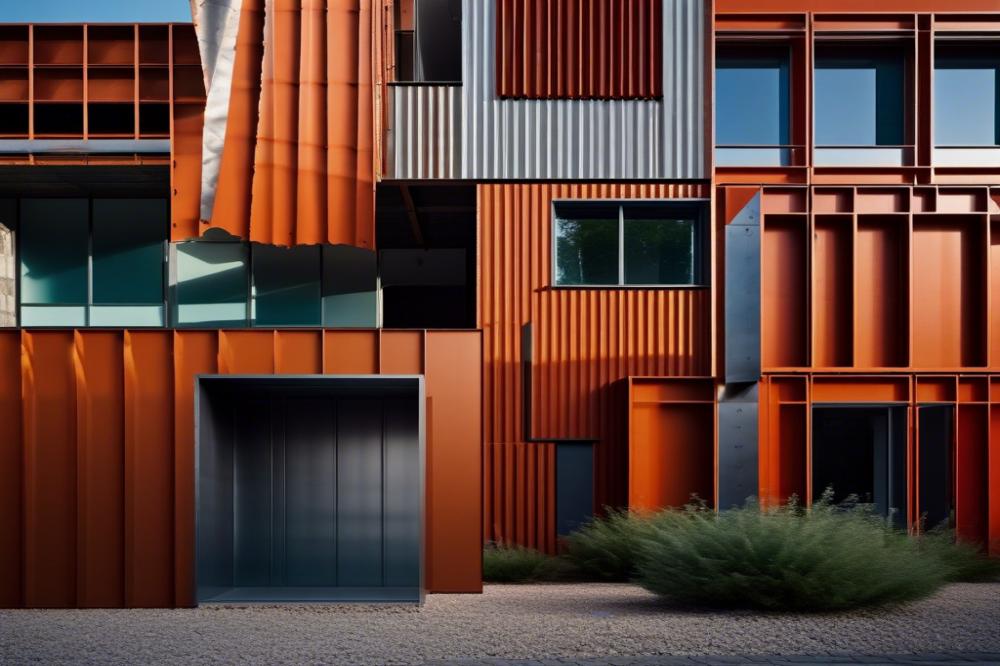
Salvaging metal plays a significant role in resource conservation. Using recycled materials helps reduce the demand for new resources. Each piece of metal reclaimed and reused saves energy and raw materials. This approach not only lowers costs but also promotes eco-friendly construction. The environmental impact of manufacturing new metal is substantial. By utilizing what is already available, projects can significantly lessen their carbon footprint.
Landfills face mounting pressure from construction waste. The building industry is among the largest contributors to landfill overflow. Urban mining offers a solution by extracting valuable materials from discarded structures. In turn, this minimizes the amount of refuse that ends up in landfills. Every ton of salvaged material translates to less waste generated. Effective waste management stems from embracing circular economy principles. A shift to reusing materials sparks innovation in architecture and design.
Case Studies Highlighting Successful Waste Reduction Efforts
Some successful projects illustrate the benefits of metal salvage. One notable example features a community center in a major city. The architects opted to use recycled beams and panels. This decision reduced waste by 40% compared to conventional building practices. Another case involved a residential development that incorporated reclaimed steel. The use of salvaged materials led to lower costs and faster construction times. Such instances show the potential for waste reduction when processes prioritize sustainability.
Additionally, various organizations promote the recycling of building materials. Their initiatives focus on connecting contractors with sources of salvaged goods. This not only facilitates resource conservation but also fosters partnerships within the construction industry. Green building practices are increasingly encouraged in many regions. Education about the benefits of reusing materials helps shift public perception. More builders are seeing the advantages of salvaged metal in their projects.
In cities across the globe, innovative waste reduction projects are popping up. These initiatives reflect a growing awareness of sustainability’s importance. Engaging with local suppliers and reclamation centers contributes to this movement. Builders must stay informed about the availability of reclaimed materials. This knowledge can positively shape infrastructure development. Resourceful designs and eco-friendly solutions pave the way for future construction endeavors. Sustainable building not only benefits the environment but also enriches communities.
Urban Mining and the Circular Economy
Urban mining refers to the process of reclaiming valuable metals and materials from existing urban structures. More than just salvaging, it involves looking at cities as a treasure trove of resources. This practice plays a crucial role in reducing waste while promoting sustainable practices in construction. Metals that have been discarded or left over from previous projects can now be viewed as valuable assets instead of trash.
The connection between salvaged materials and the circular economy is significant. A circular economy focuses on reusing materials to minimize waste. When building projects incorporate recycled materials, they help keep these resources in circulation. This goes a long way in reducing the reliance on new mining efforts, which often have a negative environmental impact. By embracing urban mining techniques, architecture can reflect a commitment to resource conservation.
Adopting circular practices in construction brings many benefits. One primary advantage includes waste reduction. By reusing materials from old buildings, fewer resources are sent to landfills. Eco-friendly construction methods lead to lower carbon footprints and healthier environments. This approach also fosters innovation in green building designs, encouraging architects to think creatively about the resources they utilize.
Communities benefit too. Local economies can thrive when nearby construction projects prioritize sustainably sourced building materials. Establishing partnerships with local salvage operations can create jobs and boost local businesses. These efforts illustrate a commitment to a more sustainable future while also enhancing community resilience.
Environmental Impact of Using Salvaged Metal
Salvaged metal plays an important role in reducing the environmental impact of construction. Using recycled materials can drastically cut down on greenhouse gas emissions. Instead of extracting new resources, builders can repurpose materials that already exist. This practice supports resource conservation and minimizes the need for mining. The process of urban mining can meet current material needs while being kind to the planet.
Assessing the Environmental Benefits of Salvaged Metal
When architects choose to incorporate salvaged metal into their designs, they often find numerous advantages. For one, sourcing materials locally can reduce transportation emissions. Additionally, the energy required to recycle these components is often less than that needed for new production. This leads to a significant decrease in the overall carbon footprint of construction projects. Many builders now recognize the link between eco-friendly construction and sustainability.
Comparative Analysis with Traditional Building Materials
Traditional building materials more often come from virgin sources, which has a larger environmental footprint. Comparing salvaged metal with new steel indicates stark differences. New steel production is energy-intensive and damaging to the environment. Conversely, repurposing existing metal contributes positively to a circular economy. This helps to limit waste while also providing quality building materials. Construction that embraces recycled inputs promotes a shift towards green building practices.
Regulatory Support and Incentives for Using Salvaged Materials
Governments are increasingly recognizing the value in promoting resource efficiency. Some regions have introduced regulations that encourage the use of salvaged materials in building projects. Incentives such as tax breaks or grants might be available for developers who choose eco-friendly options. Support from regulatory bodies reflects a growing understanding of the importance of sustainability in architecture. As green building gains momentum, authorities are likely to continue enhancing these programs.
Final Thoughts on Sustainable Building Practices
The importance of using salvaged metal in sustainable building cannot be overstated. This practice reduces waste and conserves natural resources. By reusing materials that already exist, the construction industry can make significant strides toward environmental responsibility. Builders and architects have a golden opportunity to embrace these eco-friendly construction strategies. They play crucial roles in shaping sustainable practices for future generations.
There should be a call to action for professionals within the construction field. Consider incorporating more recycled materials into projects. Evaluate local sources for salvaged metal to enhance designs and reduce costs. It is essential to take a proactive approach. A shift towards sustainability can foster innovation and creativity, attracting clients who value environmental consciousness.
Future prospects appear promising for salvaged materials in the industry. As more people become aware of ecological issues, demand for sustainable options will grow. Advances in technology may also improve the viability of using recycled materials. These shifts indicate that the construction landscape is evolving. The benefits of adopting these practices can be profound, not just for the environment but also for the economy.
In summary, prioritizing salvaged materials can lead to better building outcomes and strengthen community initiatives. By championing this cause, builders and architects can pave the way for a brighter, greener future. Everyone has a part to play in this change, and it starts with simple choices today.


