
Conservation Initiatives in the Wakatobi National Park Reef System
Overview of the Wakatobi National Park
Wakatobi National Park, located in Indonesia, presents a remarkable tapestry of marine life. This stunning area is recognized for its vibrant coral reefs and rich ecosystems. The park is a sanctuary for countless species, showcasing one of the most diverse marine environments on Earth. Visitors flock to this destination, drawn by its enchanting underwater landscapes and the promise of adventure.
Importance of marine biodiversity
marine biodiversity plays a crucial role in maintaining ecological balance. Healthy ocean ecosystems support fish populations, protect coastlines, and contribute to climate stability. These creatures interact in complex ways to create flourishing habitats. Protecting these diverse species is essential for their survival and the overall health of our planet. Biodiversity hotspots, like those found here, are vital in the fight against the potential extinction of many marine organisms.
Significance of Reef Systems in Conservation
coral reefs are essential for numerous reasons. They provide food and shelter for fish, acting like bustling underwater cities. These ecosystems also protect coastlines from erosion, absorbing wave energy. When reefs thrive, entire communities benefit. sustainable tourism depends on the health of these ecosystems. Reef monitoring helps assess the condition of these underwater habitats, guiding conservation efforts effectively.
Brief Mention of Conservation Initiatives
Several initiatives focus on coral reef conservation within the park. Efforts include ecological preservation and coral restoration projects that actively involve local communities. These programs aim to raise conservation awareness and educate visitors about the importance of protecting marine habitats. Furthermore, establishing marine protected areas supports biodiversity and sustainable tourism. Together, these strategies offer hope for the future of Wakatobi’s unique reef systems.
Wakatobi National Park: A Marine Biodiversity Hotspot
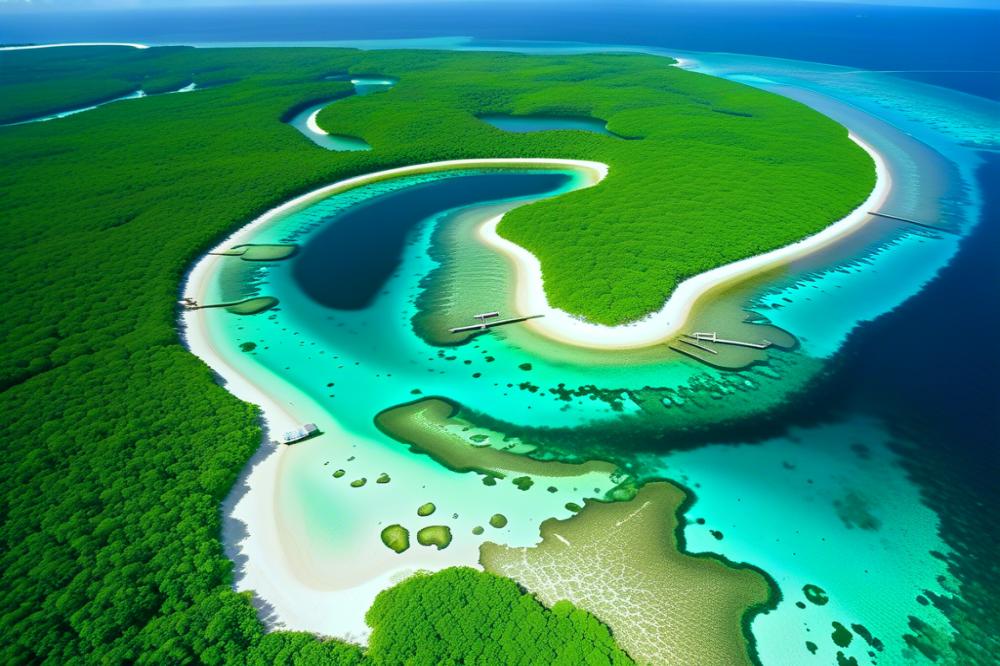
The Wakatobi National Park is a remarkable area of natural beauty and ecological richness. This marine environment is known for its astonishing variety of life. It houses over 750 species of fish and more than 400 types of coral. Such diversity makes it one of the most significant biodiversity hotspots in the world.
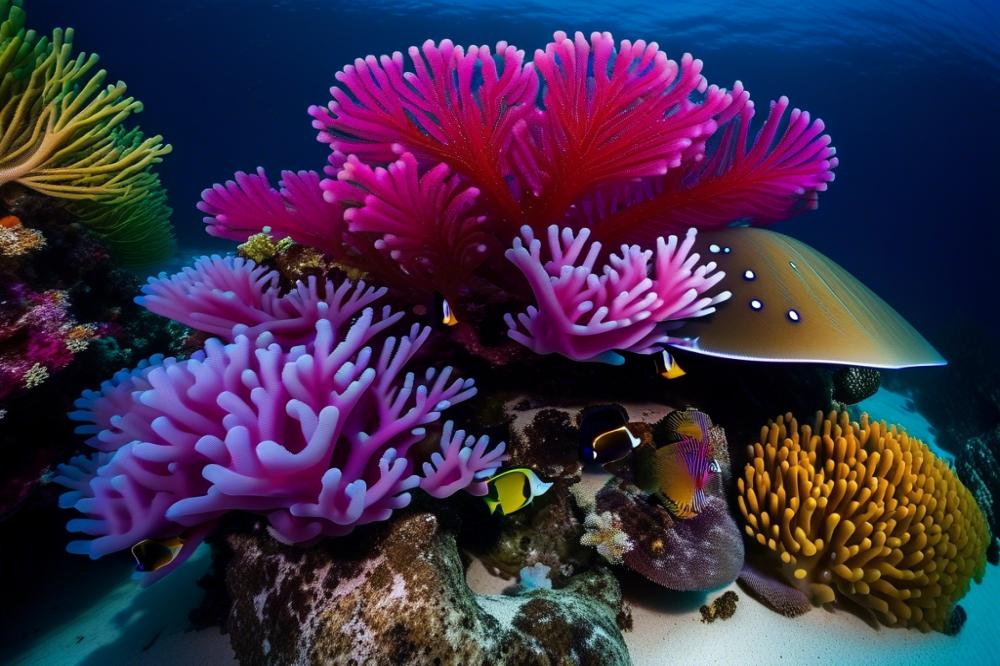
Coral reefs are vital. They provide habitats for countless marine species, including colorful fish, sea turtles, and even dolphins. Each coral type plays a crucial role in the ecosystem. Stony corals, fan corals, and soft corals all contribute to the complex interplay of life beneath the waves. Without them, many marine creatures would struggle to survive.
Biodiversity is not just important for the species that rely on it. Healthy ecosystems help maintain balance in the marine environment. Ecological preservation is essential to protecting these delicate systems. Moreover, these efforts are critical when combating threats like climate change and pollution.
Local communities benefit directly from conservation initiatives. Sustainable tourism creates jobs and promotes awareness. Visitors learn about marine conservation while enjoying the stunning beauty of the reefs. This relationship fosters a sense of stewardship among residents and tourists alike. Reef monitoring programs help track changes in marine biodiversity. These programs allow scientists to gather vital data on ecosystem health.
Environmental education plays a pivotal role in these efforts. By informing people about the importance of marine ecosystems, awareness grows. Schools and organizations often collaborate to share information with the community. When individuals understand the value of conserving their environment, they are more likely to take action.
In addition, coral restoration efforts are underway to combat degradation caused by human activity. These activities highlight how collective action can help recover damaged areas. Marine protected areas serve as safe havens for wildlife to thrive. They limit harmful practices like overfishing and pollution, assisting in the recovery of fragile environments.
By focusing on these initiatives, Wakatobi National Park not only preserves its unique marine biodiversity, but also sets an example for global conservation efforts. Strategic partnerships with governments, NGOs, and local groups can yield significant results. Everyone has a role to play in protecting these underwater treasures.
Conservation Initiatives in the Wakatobi National Park
Overview of Specific Conservation Programs
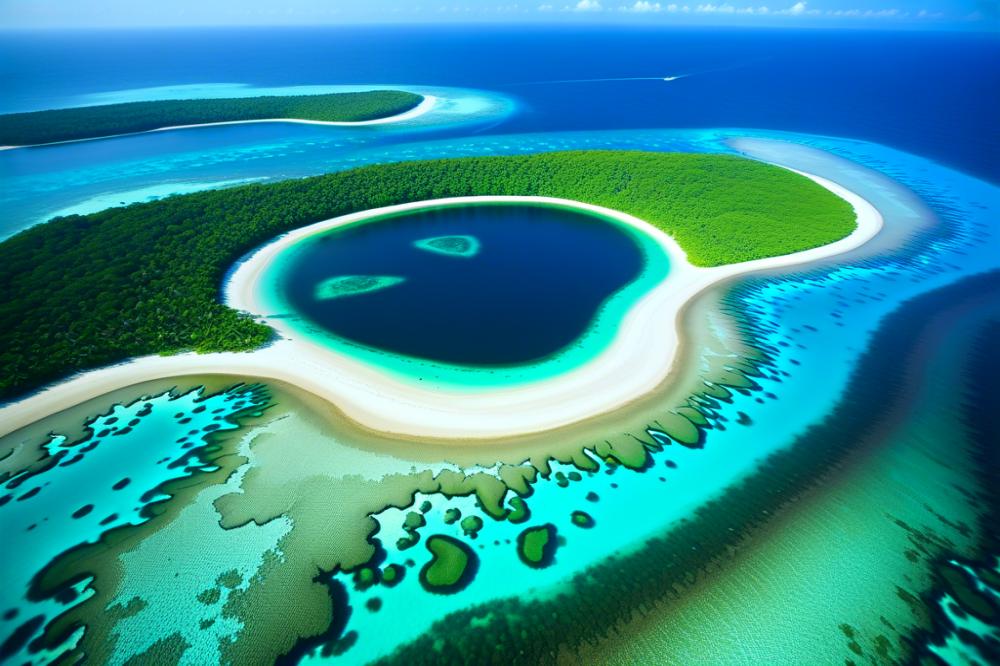
Several programs focus on the ecological preservation of marine biodiversity. Efforts at Wakatobi include coral restoration projects and reef monitoring activities. Scientists regularly assess the health of the reefs to address any pressing issues. Local communities often participate in these programs, helping to gather important data and insights. Sustainable tourism plays a significant role in funding various initiatives. By creating awareness, visitors become more involved in conservation efforts.
Marine Protected Areas and Their Importance
Marine protected areas (MPAs) safeguard ecosystems from overfishing and pollution. These protected zones are critical for maintaining biodiversity hotspots. They provide safe havens for numerous species to thrive. In addition, MPAs encourage the regeneration of corals and other marine life. By supporting these habitats, we promote a balanced ecosystem essential for the health of our oceans. Realizing their importance can help foster a greater commitment to conservation.
Coral Restoration Projects and Success Stories
Coral restoration projects have gained recognition in recent years. Simple techniques, like coral gardening, have shown positive results. This method helps to regrow damaged coral reefs, increasing overall health. Success stories emerge from individual and community efforts alike. Enhanced awareness about reef preservation leads many residents to actively engage in restoration projects. These community-based initiatives create a lasting impact on both the environment and local livelihoods.
Partnerships with Local Communities for Effective Conservation
Collaboration with local communities is crucial for conservation success. Engaging residents helps build a sense of ownership over marine resources. Educational programs enhance conservation awareness among the youth. By informing them about the value of reefs, children become environmental stewards. Local fishermen also benefit from sustainable fishing practices. The shared goal is easy to understand: a healthier ocean contributes to better fish populations and thriving tourism. Working together, they create a resilient ecosystem for future generations.
Sustainable Tourism: Balancing Conservation and Community
Impact of Tourism on Marine Ecosystems
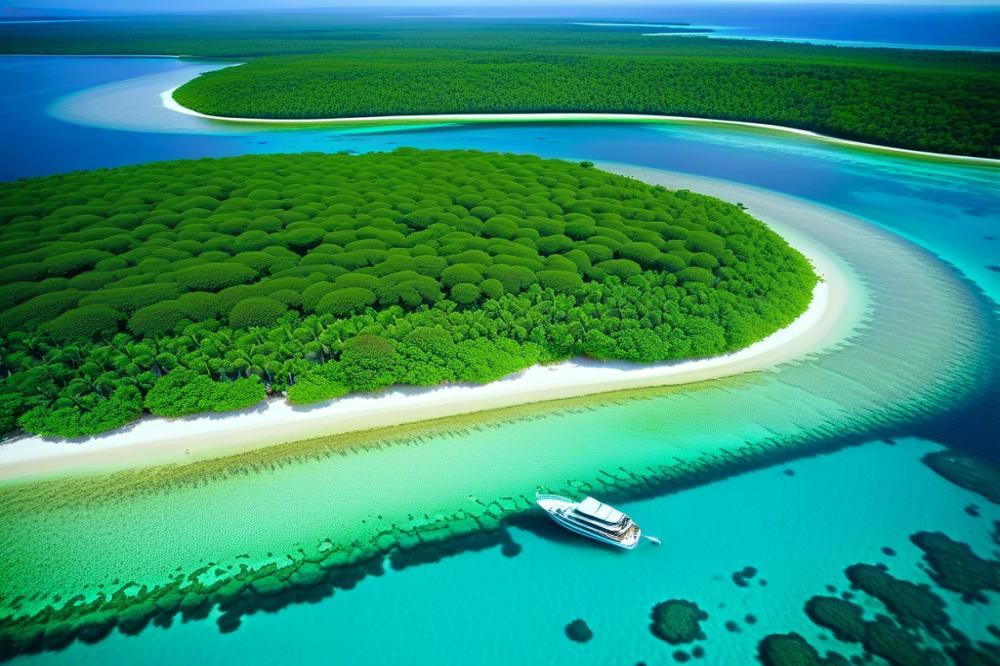
Tourism can have significant effects on marine ecosystems. Coral reefs are particularly vulnerable. Increased foot traffic from visitors can damage delicate coral structures. Pollution from boats and waste also introduces harmful substances. Overfishing by recreational anglers can deplete fish populations, disrupting food chains. Moreover, noise from tourist activities may disturb marine wildlife. Effectively managing these impacts is crucial for maintaining the rich marine biodiversity in the area.
Sustainable Tourism Practices in Wakatobi
In response to these challenges, the region promotes sustainable tourism practices. Eco-friendly dive shops offer training in responsible diving. They advocate for respectful interaction with marine life. Also, guidelines are established for visitors, covering everything from reef etiquette to waste disposal. Local authorities designate marine protected areas to safeguard habitats. Coral restoration projects engage both travelers and local stakeholders, fostering a sense of shared responsibility. Sustainable lodges aim to minimize their ecological footprint while providing authentic experiences.
Benefits to Local Communities and Conservation Efforts
The local communities benefit when tourism aligns with conservation efforts. Employment opportunities arise from eco-tourism, allowing locals to thrive economically. Shops and services catering to tourists can generate additional income. This development encourages a focus on preserving natural resources. Moreover, environmental education programs help residents appreciate their surroundings. They learn about the importance of conserving biodiversity hotspots. Engaging communities fosters pride and commitment to protecting marine ecosystems.
Strategies for Raising Conservation Awareness Among Tourists
Increasing conservation awareness among visitors is essential. Tour operators can include educational sessions about marine ecosystems in itineraries. Leaflets and workshops can provide insights into the local environment. Social media campaigns can highlight conservation stories and successes. Additionally, collaboration with local schools can inspire younger generations to care for their natural heritage. Local artwork and crafts can also convey messages about preservation, blending culture with ecology. Such strategies create a deeper connection for tourists with the stunning surroundings.
Ecological Preservation: Protecting Essential Marine Habitats
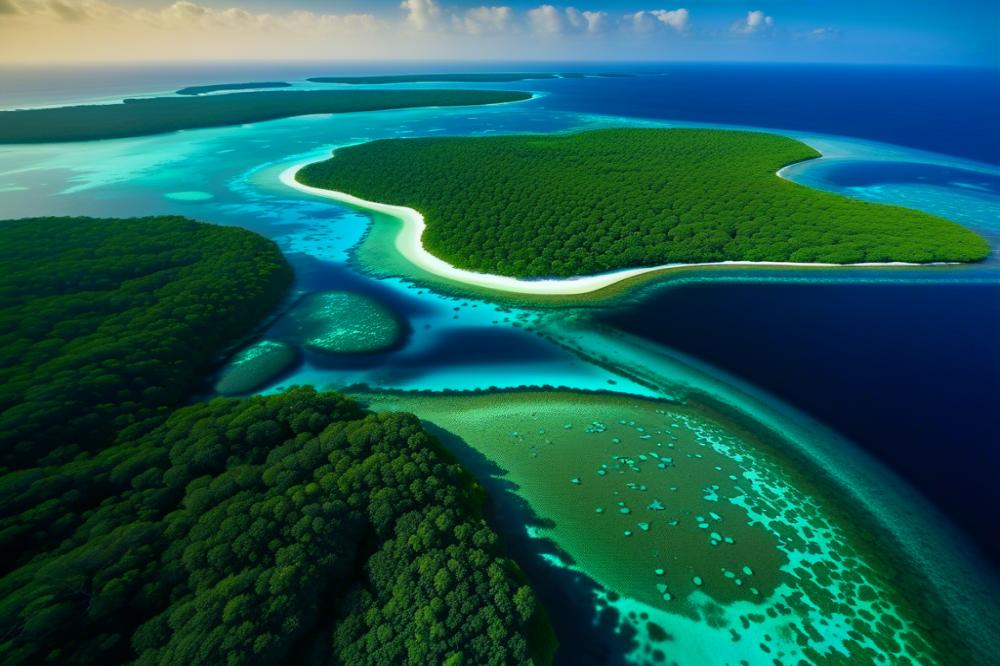
The health of marine habitats is crucial for maintaining biodiversity. Wakatobi National Park is home to a rich variety of marine life. Protecting these ecosystems requires effective strategies. These include establishing marine protected areas that limit harmful activities.
Strategies for Ecological Preservation in Wakatobi
One approach to ecological preservation involves enforcing regulations on fishing and tourism. Limiting access to sensitive areas helps in sustaining marine biodiversity. Local communities play a vital role in these efforts. Their involvement ensures the preservation of both cultural heritage and natural resources.
Role of Reef Monitoring in Conservation
Reef monitoring is essential for assessing the health of marine environments. Regular checks provide valuable data about coral health and fish populations. This information helps identify areas that need protection or rehabilitation. Monitoring programs also educate the public and promote conservation awareness.
Examples of Successful Habitat Preservation Initiatives
One successful example is a collaborative project between local groups and scientists focused on coral restoration. Through planting coral fragments, they have rejuvenated damaged areas. Another initiative involves training locals in sustainable tourism practices. This not only protects marine life but also empowers communities economically.
Importance of Preserving Coral Reefs for Future Generations
Coral reefs are more than just colorful underwater landscapes; they are vital for ecological balance. Their destruction poses a great threat to marine species and entire ecosystems. Future generations deserve to experience the beauty of these biodiversity hotspots. Through dedicated efforts in ecological preservation, we can maintain these natural treasures for years to come.
Environmental Education and Community Engagement
Role of Education in Promoting Conservation
Education plays a vital role in the fight to preserve marine biodiversity. Understanding the delicate balance of the reef system encourages community involvement. Schools in nearby areas often incorporate lessons on coral ecosystems and their importance. Knowledge empowers individuals to make informed choices about their environment. Educated communities are more likely to participate in conservation initiatives.
Community Involvement in Conservation Programs
Local communities have become key players in conservation efforts. Residents participate in activities like reef monitoring and coral restoration projects. These initiatives foster a sense of ownership over their natural resources. Collaboration with environmental organizations has strengthened these efforts. When people feel connected to their surroundings, they are more invested in preserving them.
Programs Aimed at Increasing Conservation Awareness
Various programs are designed to boost conservation awareness among local populations. Workshops and seminars provide insights into sustainability and ecological preservation. Many initiatives focus on the importance of establishing marine protected areas. It is crucial for locals to recognize the significance of biodiversity hotspots. Engaging activities encourage families to learn together about the ocean’s wonders.
Building Long-Term Support for Sustainability Initiatives
Creating lasting support for sustainable tourism is essential for future generations. Continued engagement helps to solidify community commitment to environmental goals. Successful initiatives often rely on feedback from participants to improve. Strategies that involve local voices can lead to better outcomes. By nurturing this ongoing dialogue, communities can adapt and thrive. Educational efforts pave the way for continuous change and improvement.
Wrapping Up: The Importance of Conservation in Wakatobi
Efforts to protect marine environments cannot be overstated. Wakatobi National Park serves as a critical habitat for countless marine species. The diverse ecosystems here play an important role in maintaining marine biodiversity, which is vital for the health of our planet. Conservation initiatives in this region not only preserve wildlife but also support local communities.
Ongoing projects are crucial for the future of this stunning reef system. Organizations and local groups work tirelessly to monitor coral health and engage in sustainable tourism practices. These actions help raise awareness about the significance of marine conservation. Fisheries management and the eradication of harmful practices are also part of these initiatives. The need for effective strategies has never been more urgent.
Looking ahead, new initiatives are on the horizon. Expanding education programs can foster a deeper understanding of oceanic ecosystems. By involving locals and visitors, we can create a culture of respect towards nature. Everyone has a role to play in protecting these resources.
Community involvement will enhance conservation success. Collaboration between government agencies, NGOs, and local fishers can lead to sustainable practices that benefit all. Together, these efforts can create a robust model for conservation that others can follow.
Support for marine conservation is essential. Individuals can make a difference by participating in local clean-ups or supporting ethical tourism. Every action counts. By choosing to protect marine environments, we ensure a healthier planet for future generations. Let’s all do our part in conserving the beauty and diversity that these coastal ecosystems offer.


