
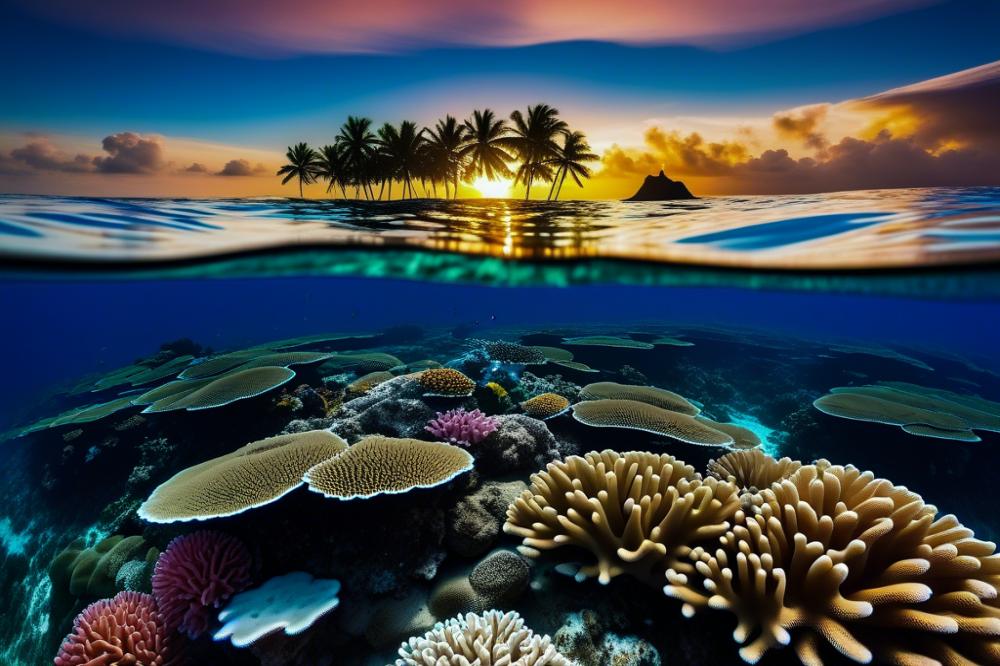
How Marine Heatwaves Affect Reefs in the Coral Triangle
Marine Heatwaves are periods when ocean temperatures rise significantly above normal levels. These events can have serious consequences for marine ecosystems, particularly coral reefs. coral reefs are known for their vibrant colors and diverse marine life. They serve as crucial habitats for many species and are essential for maintaining biodiversity. However, when ocean temperatures rise, the delicate balance of these ecosystems is disrupted.
The Coral Triangle, situated in the western Pacific Ocean, is one of the most biodiverse marine areas in the world. It spans six countries and is home to thousands of species of fish, corals, and other marine organisms. The health of these reefs is vital, not just for marine life, but for local communities that rely on fishing and tourism. Unfortunately, climate change and rising ocean temperatures threaten their survival.
Coral bleaching is one of the most alarming effects of marine heatwaves. When stressed by heat, corals expel the algae that live in their tissues. This process turns corals white and can lead to their death if temperatures remain high for too long. The environmental impact is severe, affecting not only the coral but also the myriad of species that depend on these reefs for shelter and food.
Building resilience in these ecosystems is crucial as temperatures continue to rise. Conservation efforts must focus on protecting the Coral Triangle and its unique biodiversity. Understanding the link between marine heatwaves and climate change is essential for developing effective strategies to safeguard these important marine habitats. Taking action now can help ensure that future generations can enjoy the beauty and benefits of coral reefs.
Understanding Marine Heatwaves
Definition and Characteristics of Marine Heatwaves
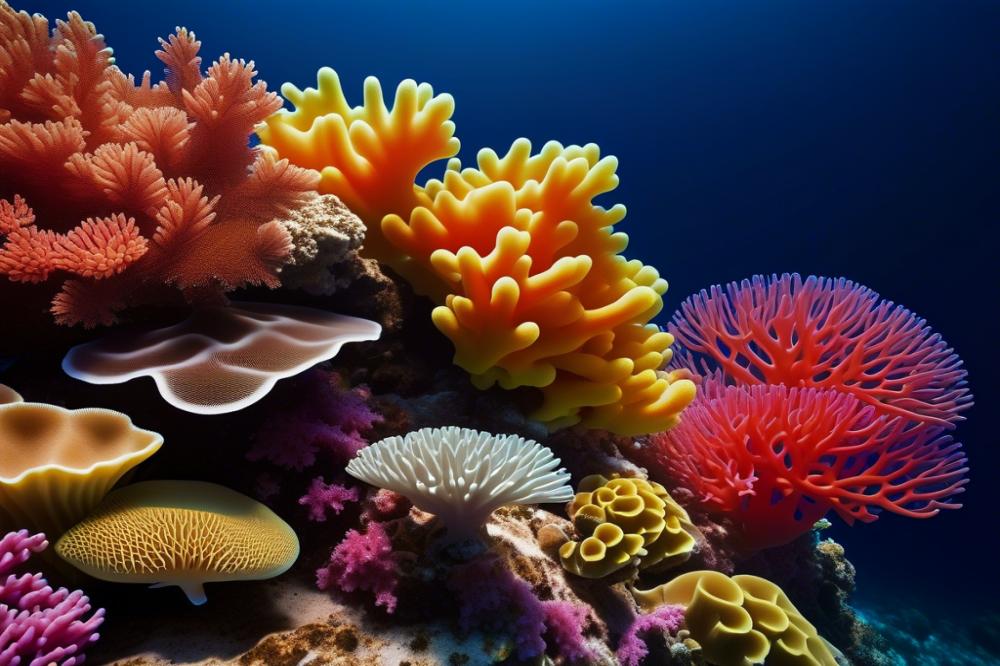
Marine heatwaves are periods when ocean temperatures rise above normal for extended durations. These heat events can last for days, weeks, or even months, leading to significant alterations in local climate patterns. They often result in stressed marine ecosystems, particularly affecting coral reefs. Observations show that temperature increases are not just slight; they can be several degrees above average. Such changes have serious implications for the delicate balance of life in our oceans.
Causes and Frequency in Tropical Oceans
Several factors contribute to the occurrence of these heatwaves. One main driver is climate change, which causes the Earth’s atmosphere and oceans to warm. Human activities, such as burning fossil fuels, release greenhouse gases, further elevating ocean temperature. Additionally, natural phenomena like El Niño can exacerbate these conditions. Over the past few decades, scientists have noted an increase in frequency and intensity of these events, especially in tropical oceans. This trend poses a growing threat to already vulnerable marine ecosystems.
Impact on Marine Ecosystems
Coral reefs serve as critical habitats for countless species, contributing to overall biodiversity. However, rising ocean temperatures often lead to coral bleaching. Bleached corals lose their vibrant colors as they expel the algae that live within them. This process can result in widespread death if temperatures do not return to normal levels. Such events jeopardize not just the corals, but entire communities of fish and other marine organisms dependent on them. The environmental impact of marine heatwaves extends to fishing industries and local economies that rely on healthy reefs. Conservation efforts become critical in bolstering the resilience of these ecosystems against future threats.
Impact on Coral Reefs in the Coral Triangle
Mechanisms of Coral Bleaching During Heatwaves
Coral reefs experience stress during heatwaves mainly due to rising ocean temperatures. As temperatures rise, corals expel tiny algae known as zooxanthellae. This process leads to coral bleaching, where reefs lose their vibrant colors. Without these algae, corals struggle to survive. They depend on these symbiotic partners for essential nutrients. When the heat persists, the risk of mortality increases dramatically. Healthy reefs that rely on a stable environment are particularly vulnerable. Long-term exposure to elevated temperatures can severely hinder their recovery.
Effects on Biodiversity and Marine Life
The effects of bleaching on biodiversity are profound. Coral reefs serve as essential habitats for countless marine species. Losing healthy reefs can disrupt entire marine ecosystems. Fish and other aquatic organisms rely on these structures for food and shelter. When reefs degrade, many species decline, resulting in decreased biodiversity. Some fish populations may even migrate to cooler areas, altering local marine life dynamics. Essential ecological relationships can break down, affecting the entire food web. Without vibrant reefs, the balance of tropical oceans is compromised.
Case Studies of Recent Marine Heatwaves in the Coral Triangle
Recent incidents in the Coral Triangle illustrate the alarming trend. In 2016, a significant marine heatwave affected the region, leading to catastrophic bleaching events. Locations like the Philippines and Indonesia reported extensive coral loss. Research showed that up to 90% of corals in certain areas suffered from bleaching. Data from 2020 revealed another rise in ocean temperatures, prompting further concerns among conservationists. These events highlight the critical need for enhanced resilience in affected reefs. Ongoing studies focus on understanding coral adaptations to climate change. Policymakers face pressure to implement protective measures, fostering healthier marine ecosystems. Addressing the environmental impact of these broad temperature shifts is essential for the future of coral reefs in the Coral Triangle.
Resilience of Coral Reefs
Coral reefs showcase remarkable resilience. However, several factors determine their ability to withstand heatwaves. Climate change alters ocean temperature, which can lead to coral bleaching. This phenomenon occurs when corals expel the algae living in them, which ultimately affects their survival.
Factors Influencing Coral Resilience to Heatwaves
A variety of elements play a role in how resilient corals are. Water quality greatly impacts their health. Polluted waters can weaken corals, making them vulnerable to stress. Additionally, the depth of the reef can influence its exposure to temperature changes. Shallow reefs experience heating more quickly than deeper areas.
Another critical factor is the biodiversity present within the reef. Rich ecosystems provide better stability and support for marine life. Healthy biodiversity allows for a more complex food web, which can mitigate some negative effects caused by high temperatures.
Adaptation Strategies of Coral Species
Adaptation strategies among coral species vary widely. Some corals can adjust their internal processes to cope with rising temperatures. For example, certain species can shift to tolerate higher levels of heat. This adaptation could be essential for survival as conditions worsen.
Moreover, some corals engage in a process called symbiosis. This is where they form relationships with heat-resistant algae. These algae help corals maintain color and provide energy under stress. Such strategies enable coral reefs to thrive even in challenging environments.
Role of Genetic Diversity in Resilience
Genetic diversity plays a key role in the resilience of coral populations. Different traits among coral species can increase the overall ability of a reef to withstand challenges. Diverse coral groups may have varying responses to environmental stress, enhancing the chances for some to survive extreme conditions.
In addition, the loss of genetic diversity could undermine the ability of reefs to adapt. When populations are homogeneous, there is a greater risk of widespread mortality due to heat waves. Conservation efforts should focus on preserving this diversity to safeguard marine ecosystems.
Conservation Strategies for Coral Reefs
Importance of Addressing Climate Change
Climate change poses a significant threat to coral reefs, especially in the Coral Triangle. Rising ocean temperatures lead to coral bleaching. This process causes corals to lose their vibrant colors and nutrients. When the stresses of higher temperatures persist, coral reefs become more vulnerable. Protecting these ecosystems requires immediate action. Given their crucial role in marine biodiversity, preserving coral reefs is essential for maintaining healthy tropical oceans. Without addressing the root causes of climate change, efforts to conserve coral reefs may yield limited results.
Effective Conservation Practices in the Coral Triangle
Implementing effective conservation practices is vital in the Coral Triangle. Sustainable fishing techniques can reduce the pressure on marine ecosystems. Establishing marine protected areas helps safeguard critical habitats. These zones can serve as refuges for various marine species. Additionally, coral restoration programs are gaining traction. Such initiatives involve planting coral fragments to help rejuvenate damaged areas. Local authorities must collaborate with scientists to monitor these practices closely. By utilizing a mix of strategies, communities can bolster the resilience of their coral reefs against environmental impact.
Community Involvement and Policy Recommendations
Engaging local communities is key to successful conservation efforts. Educating residents about the importance of coral reefs fosters a sense of stewardship. When people understand the value these ecosystems bring, they are more likely to take action. Encouraging local involvement in conservation initiatives can yield positive outcomes. Policy recommendations should include stricter regulations on coastal development. Limiting pollution from agriculture and industries can also help. Additionally, enhancing regulations around fishing can improve reef health. Together, these actions create a foundation for healthier coral reef ecosystems. By working hand in hand with communities and enforcing protective measures, lasting change is achievable.
Future Outlook
Predictions for marine heatwaves and coral reefs
Scientists forecast an increase in marine heatwaves caused by climate change. Warmer ocean temperatures pose serious risks to coral reefs in the Coral Triangle. Frequent and prolonged heat exposure can lead to significant coral bleaching. This phenomenon weakens the corals, making them more vulnerable to disease. Without urgent action, the health of these marine ecosystems could decline sharply. The frequency of heatwaves might cause lasting damage over time. Future generations may see a vastly different underwater world if these trends continue.
Potential long-term impacts on biodiversity
Coral reefs serve as vital habitats for countless species. Their decline threatens not just coral, but entire marine ecosystems. A drop in biodiversity affects the balance of ocean life. Many fish species rely on the shelter and food that reefs provide. Loss of these habitats could lead to fewer fish, impacting local fisheries and economies. Over time, this could disrupt food sources for many communities dependent on the ocean. Protecting biodiversity is essential for the health of the Coral Triangle.
Call to action for research and conservation
Urgent research is needed to understand the full impact of rising ocean temperatures. Conservation efforts can help bolster coral resilience against heat stress. Governments and organizations must collaborate on strategies for preservation. Educating local communities about sustainable practices is crucial. Actions taken today can influence the future of coral reefs. More funding is necessary for projects aimed at restoring damaged areas. Together, we can mitigate the environmental impact of climate change. Safeguarding the Coral Triangle is not just a local issue; it’s a global responsibility.
Final Reflections on the Impact of Marine Heatwaves
Marine heatwaves have severe consequences for coral reefs in the Coral Triangle. These events cause bleaching, weakening the corals and making them susceptible to disease. When the water temperature rises, corals expel the algae that give them color and food. Once bleached, the chances of survival for these vital ecosystems decrease significantly.
The urgency for conservation efforts cannot be overstated. Protecting these reefs requires immediate action. It involves engaging local communities and enforcing stricter regulations against harmful practices. Without substantial efforts, the future of this incredible biodiversity is at stake.
Preserving the Coral Triangle is essential for future generations. This area supports millions of people and countless marine species. Everyone deserves to know the beauty and significance of these underwater treasures. We must come together to advocate for sustainable practices. Our efforts today can help restore the reefs and mitigate the effects of climate change.
In conclusion, the health of the Coral Triangle is tied deeply to our own well-being. If we act decisively, we can make a difference. Every step counts, and the time to take action is now.


