
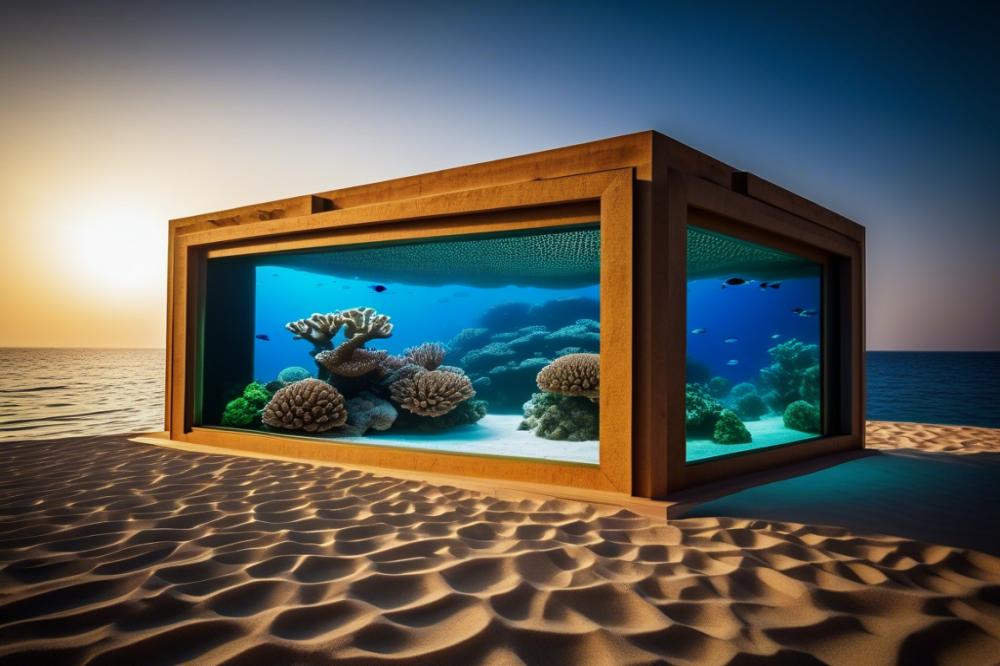
The Role of artificial reefs in the Arabian Gulf
Marine ecosystems are often delicate and imbalanced. While natural reefs provide crucial habitats for a variety of marine life, their decline poses significant challenges. Artificial structures have emerged as a potential solution. These underwater creations can enhance fish habitats, offering a refuge and feeding ground for many species.
The Arabian Gulf faces its own challenges. Pollution, overfishing, and coastal development threaten the region’s natural marine ecology. These factors lead to a decline in biodiversity, which is essential for a healthy ecosystem. Local communities and governments recognize the importance of preserving and restoring these underwater environments.
Enhancing fish populations contributes greatly to sustainable fishing. By creating more habitats, we can potentially boost local fisheries and ensure food security. Coastal conservation efforts also benefit from the establishment of new marine habitats. As populations of important fish species increase, the overall health of the ecosystem improves.
Moreover, artificial reefs can help in the restoration of marine life. When designed thoughtfully, they can become thriving ecosystems. Local flora and fauna often find a new home in these structures, leading to a vibrant increase in marine biodiversity. The surrounding communities can, therefore, expect environmental benefits, both ecologically and economically.
In essence, these underwater installations represent a commitment to protecting and enhancing marine life in the Arabian Gulf. They serve as a beacon of hope for individuals focused on conservation. In a rapidly changing environment, establishing sustainable practices is more crucial than ever. Through the creation and maintenance of these structures, the future of marine environments can look promising.
Artificial Reefs: Definition and Purpose
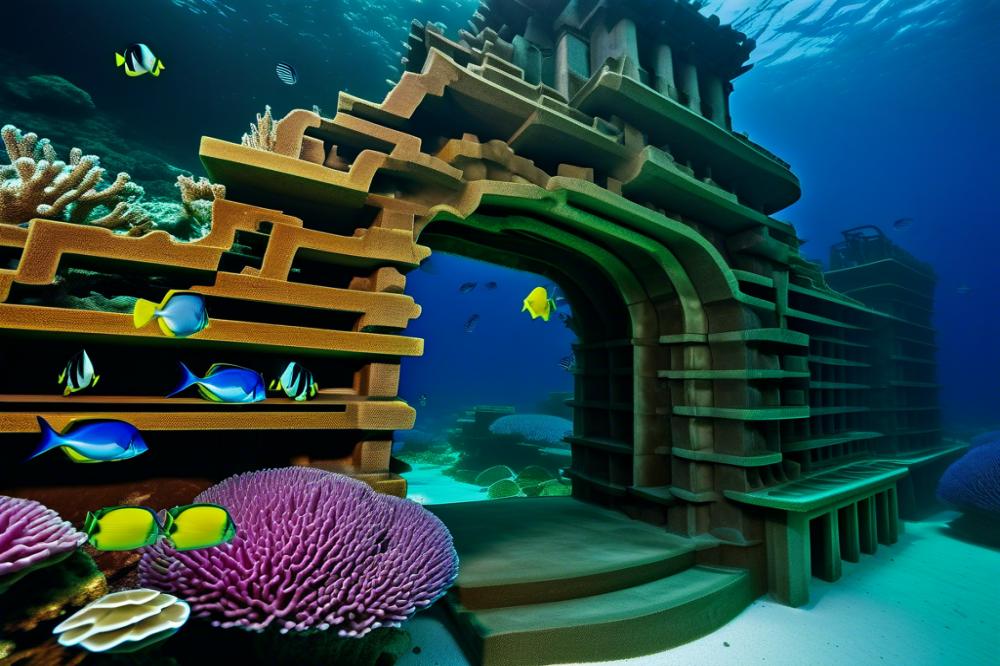
Artificial reefs are underwater structures designed to mimic the characteristics of natural reefs. Placed on the seabed, these structures are made from various materials such as concrete, rocks, and metal. Their main goal is to enhance marine biodiversity and improve ecosystems. Unlike natural reefs, which develop over time through biological processes, artificial reefs are man-made. They provide an immediate habitat for marine life.
Natural reefs are complex systems filled with diverse organisms. coral reefs, for instance, support countless species and play a crucial role in coastal conservation. In contrast, artificial structures can be simpler but still serve many purposes in marine ecology. They restore and enhance fish habitat, making them critical for sustainable fishing practices.
Underwater structures create new environments where fish can thrive. By offering shelter and breeding grounds, they can lead to increased fish populations. These enhancements also support various marine species, leading to greater biodiversity in the region. As habitats improve, ecosystem resilience increases, allowing marine life to recover from disruptions.
The environmental benefits of these underwater habitats extend beyond just fish. They help maintain a balanced ecosystem, which is vital for the health of the entire marine environment. By providing homes for juvenile fish and crustaceans, artificial reefs contribute positively to the local fishing industry. They also attract recreational divers, promoting eco-tourism and awareness of coastal ecosystems.
Through ongoing research and proper management, communities can leverage artificial structures to support marine biodiversity. This approach showcases how human innovation can aid in habitat enhancement and ecosystem restoration. With the right strategies in place, these reefs can play a significant role in the future of marine life in the Arabian Gulf.
Ecological Impact of Artificial Reefs
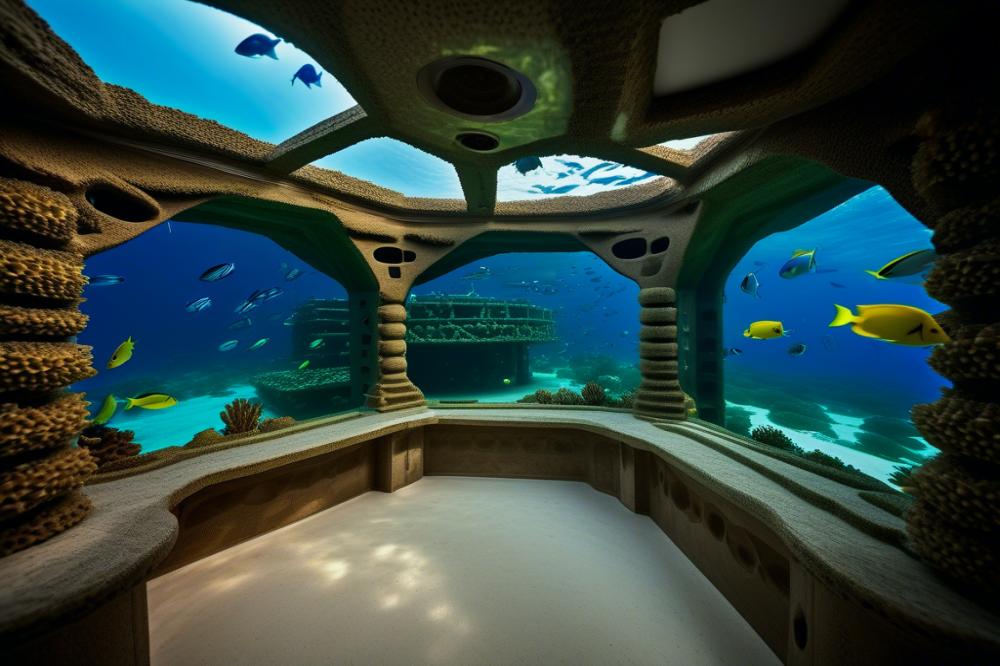
Enhancement of marine biodiversity
Artificial reefs significantly boost marine biodiversity in the Arabian Gulf. Many species find refuge among the underwater structures, leading to a vibrant ecosystem. Fish such as snapper and grouper thrive in these new habitats. Increased cover and food resources attract a variety of marine life. With each new addition, the diversity of species grows, creating a balanced environment. Local marine ecology benefits from this enhancement, supporting both fish populations and other organisms dependent on these ecosystems.
Role in ecosystem restoration
Ecosystem restoration plays a vital role in maintaining healthy marine environments. Artificial reefs assist in reviving degraded areas, providing much-needed stability to the ocean floor. They can replace lost habitats that have deteriorated due to overfishing or pollution. New marine habitats develop as coral and other organisms colonize these structures. Over time, this process helps restore natural balance, making regions more resilient to environmental stressors. The benefits extend beyond just local marine life; entire communities can reconnect to the sea.
Support for sustainable fishing practices
Sustainable fishing practices are crucial for long-term health in the Arabian Gulf. By creating new fish habitats, artificial reefs encourage responsible fishing. Fishermen can access these areas, leading to better catches without overexploitation. Additionally, these reefs help sustain fish populations, allowing for growth and recovery. As more species flourish, local economies can benefit from increased fish availability. Coastal conservation efforts gain ground as these initiatives demonstrate their effectiveness. Both nature and communities can thrive through careful management and innovative solutions.
Case Studies of Artificial Reefs in the Arabian Gulf
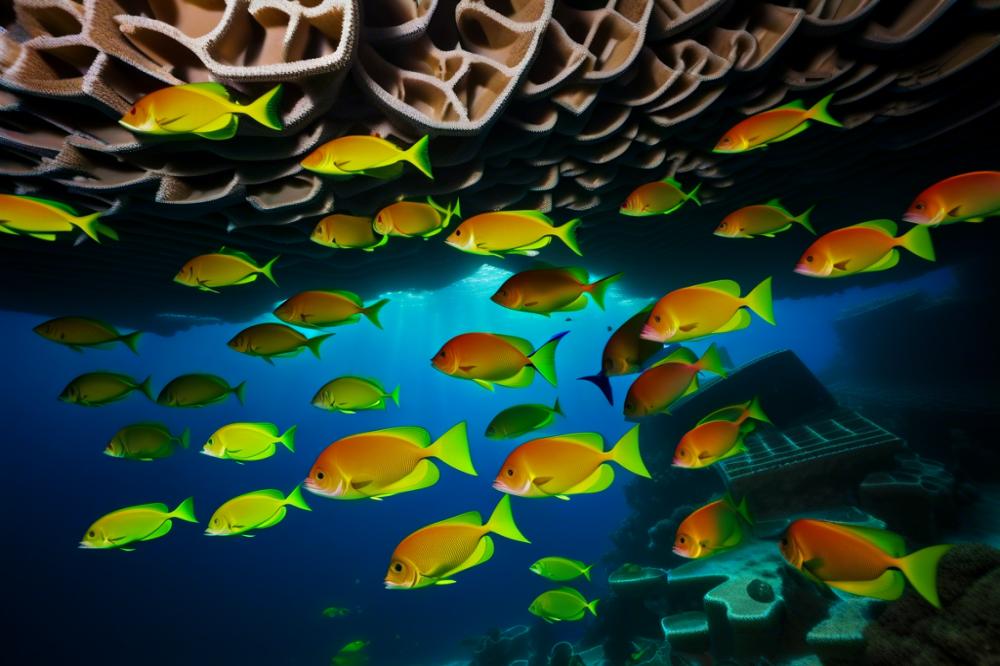
Several projects in the Arabian Gulf have highlighted the positive impacts of underwater structures on marine ecology. One notable example is the deployment of sunken ships off the coast of Bahrain. These vessels quickly transformed into thriving fish habitats, attracting diverse species. As a result, local fishermen reported increased catches in surrounding areas.
Another successful case occurred in the UAE, where concrete modules were placed on the seabed to mimic natural reefs. These efforts aimed to enhance habitat availability for juvenile fish and crustaceans. Early research indicated significant growth in fish populations around these artificial formations.
Impact on Local Fish Populations and Habitats
Studies showed that these underwater structures can greatly boost biodiversity. Numerous species that were once scarce began to flourish around these sites. Increased fish activity also provided more opportunities for sustainable fishing practices.
Evidence gathered from various monitoring programs indicates a clear correlation. Sites with artificial reefs exhibited higher density of fish compared to regions without such enhancements. This revival plays a crucial role in coastal conservation efforts.
Research Findings from Conservation Studies
Scientific research continues to uncover the environmental benefits associated with habitat enhancement. For instance, studies have revealed positive impacts not only on fish populations but also on overall marine biodiversity. Researchers noted healthier ecosystems that support a range of marine life.
Moreover, ongoing assessments of these initiatives provide valuable insights. Findings show that active management of artificial reefs can lead to improved outcomes for fish species and their habitats. Therefore, these projects contribute vital data for future conservation actions in the Gulf.
Challenges and Considerations
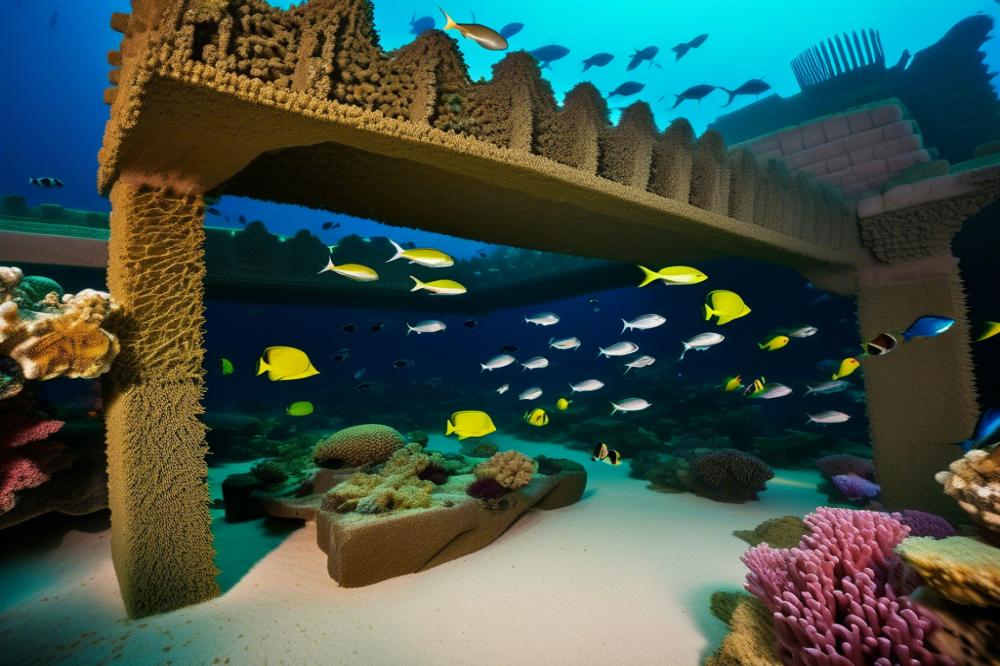
Artificial reefs bring both promise and concerns. While they can increase fish habitat and promote biodiversity, they may also disrupt existing marine ecology. Altering the natural environment can have unintended consequences. For example, if these underwater structures attract certain species, they might outcompete native fish. This can lead to a decline in local biodiversity.
Careful planning and placement are essential. Selecting locations that complement existing ecosystems is vital. These structures should not obstruct vital shipping lanes or damage sensitive areas. Stakeholders, including local communities, must collaborate. Their insights can help identify ideal sites for installation. Engaging expert marine ecologists also serves to enhance the planning process.
Monitoring and evaluating the long-term effects of these structures are crucial. Regular assessments can reveal their impact on ecosystem restoration and fish populations. Understanding both the positive and negative aspects fosters informed decision-making. Data can help assess the effectiveness of habitat enhancement. Evaluations should also consider the implications for sustainable fishing practices. Continuous research will help mitigate risks.
Coastal conservation efforts benefit from a comprehensive approach. Balancing development with environmental health is no easy task. Communities that rely on fishing must be kept in mind during these initiatives. Every aspect of a project needs thorough scrutiny. This ensures that benefits extend beyond just immediate gains. Marine biodiversity must be prioritized to protect the intricate web of life beneath the waves.
Future of Artificial Reefs in Conservation Efforts
The future of underwater structures in the Arabian Gulf looks promising. Innovations in design are transforming how these sites contribute to marine ecology. New materials and methods are enabling structures to better support ecosystems. By mimicking natural habitats, they enhance the surrounding environment. This improvement encourages a wider variety of marine life to flourish.
Biodiversity plays a crucial role in the health of oceans. Enhanced fish habitats lead to increased populations of various species. When fish thrive, so do the predators that rely on them. The result is a robust food web that supports all levels of ocean life. This interconnectedness is vital for sustainable fishing practices, which are important for local communities.
Collaborative Efforts in Coastal Conservation Initiatives
Partnerships among governments, conservation groups, and researchers have become essential. Collaborative efforts can lead to more successful ecosystem restoration projects. Engaging local communities is also important. Their participation helps raise awareness about the benefits of habitat enhancement. This involvement can foster a sense of ownership and responsibility for natural resources.
Conservation initiatives focusing on artificial reefs can also contribute to tourism. Many people are drawn to dive sites filled with marine biodiversity. The economic benefits can help fund further conservation efforts. Balancing environmental health with human interests will be key to long-term success.
With ongoing research, future reefs can be tailored to meet specific ecological needs. Experimentation with different designs and locations allows for learning and adaptation. Efforts must continue to monitor and evaluate these projects. This ensures that they remain effective in supporting marine life.
The potential for artificial reefs in coastal conservation is immense. With thoughtful planning and execution, they can become vital tools. Enhancing fish habitats and promoting biodiversity are achievable goals. The commitment to innovation and collaboration will pave the way for healthy oceans.
Final Thoughts on Artificial Reefs in the Arabian Gulf
The role of artificial reefs in the Arabian Gulf cannot be overstated. They provide essential habitats for various marine species. These structures enhance biodiversity, which is crucial for a balanced marine ecology. Without such interventions, many fish populations might struggle to thrive.
Ongoing research plays a pivotal role in understanding how these reefs affect the environment. Scientists and conservationists are constantly studying their impacts. They are looking into how these structures can promote healthier ecosystems. New discoveries can lead to improved strategies for protecting marine life.
Moreover, conservation efforts must continue to gain momentum. The delicate nature of these underwater ecosystems requires vigilant protection. Sustainable practices are necessary to minimize human impact. Individuals and communities alike can contribute to efforts that safeguard these vital habitats. Making informed choices about fishing, waste disposal, and pollution can create a positive change.
In conclusion, the Arabian Gulf’s artificial reefs are vital to its marine environment. Support for research and conservation is essential for their continued success. Everyone has a role to play in preserving these underwater treasures. A collective commitment to sustainability will help protect the unique natural resources for future generations.


