
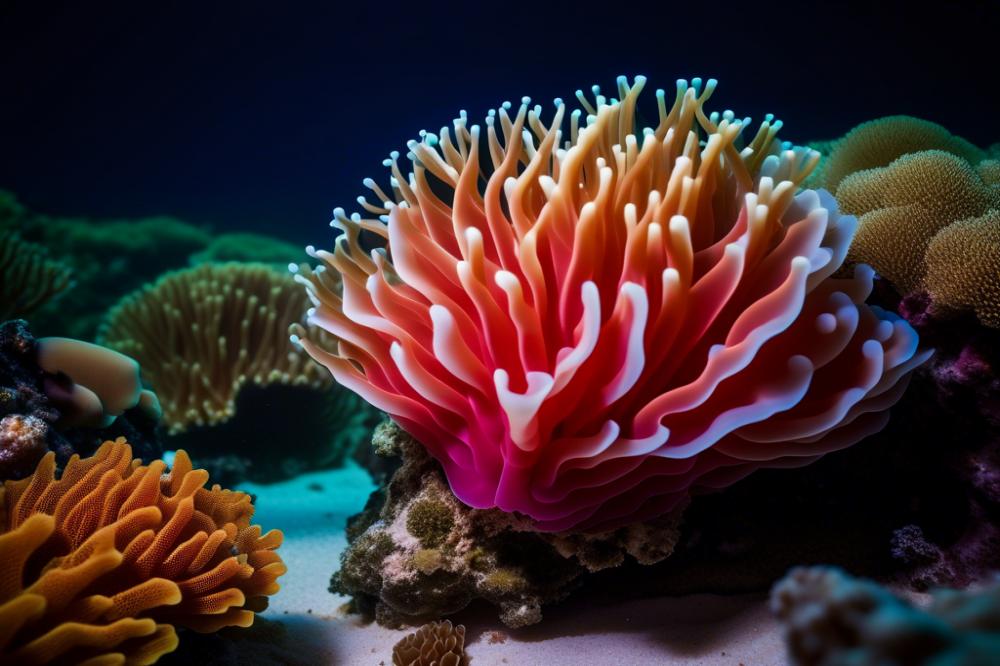
Overview of Deepwater Coral Habitats
deepwater corals play a crucial role in sustaining life beneath the waves. Found in the dark, cold depths of the ocean, these remarkable structures create vibrant ecosystems. They are not as well-known as their shallow water relatives, yet are vital for marine biodiversity. Scientists recognize these habitats as important for supporting a variety of marine species, which rely on them for food and shelter.
Studying aquatic environments like these is essential for several reasons. marine biodiversity contributes to the health of the planet and helps maintain balanced ecosystems. Each species, no matter how small, has a role to play. Understanding the intricate relationships within these underwater communities can lead to more effective ecosystem conservation strategies.
The unique North Atlantic habitats are a particular focus for researchers. Oceanography shows us how conditions in this area affect climate change and, in turn, marine life. With rising ocean temperatures and acidification, the future of these underwater ecosystems hangs in the balance. Protecting them may involve habitat restoration efforts to ensure species thrive amid these changes.
Deepwater coral habitats are also recognized as biodiversity hotspots, providing nurseries for various fish species. Healthy fisheries depend on these vibrant ecosystems. Therefore, continued exploration and study are crucial. Only through underwater research can we uncover the depth of this biological treasure and develop strategies for sustainable management.
deepwater corals: Characteristics and Formation
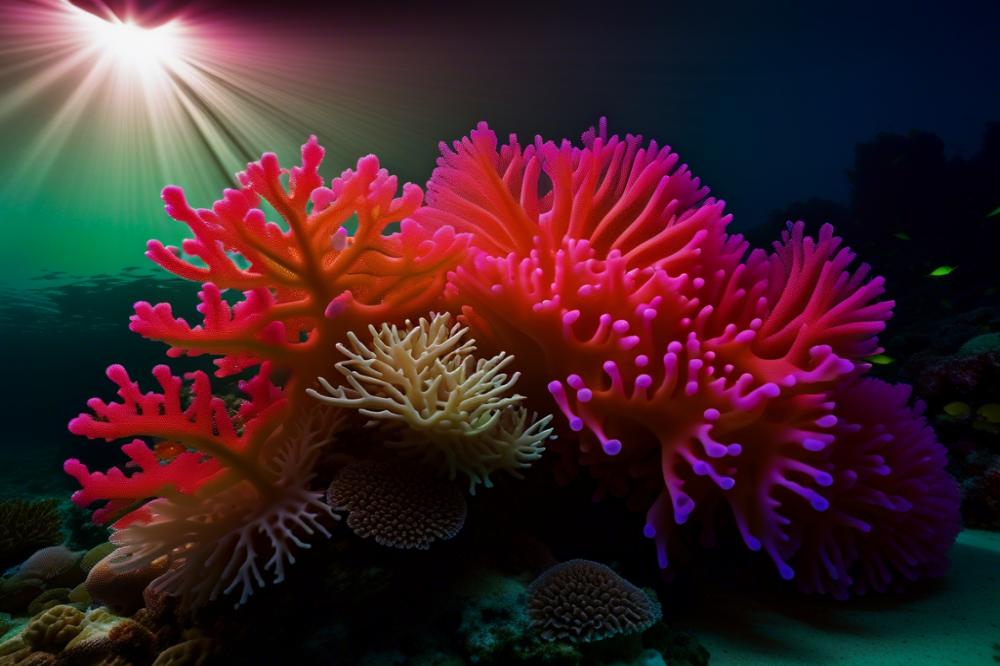
Deepwater corals are fascinating organisms that live in the cold, dark depths of the ocean. They belong to a variety of species, each adapting to its specific environment. Some of the most well-known types include Lophelia pertusa and Paragorgia arborea. These corals build their structures over time, creating important habitats for various marine species. Unlike their shallow-water relatives, deepwater corals do not rely on sunlight to thrive. Instead, they depend on nutrient-rich currents that carry food to them.
Unique Environmental Conditions Required for Growth
Cold temperatures, high pressure, and limited light define the environments in which these corals live. Most deepwater species thrive in waters that are between 4 and 12 degrees Celsius. The absence of sunlight means they depend on organic materials drifting down from above for sustenance. This nutrient flux is vital, as it allows them to grow and form extensive colonies. Moreover, the stability of deep-sea habitats is crucial for their survival.
Geological and Oceanographic Factors Influencing Habitat Formation
Marine ecosystems where these corals flourish are shaped by various geological and oceanographic factors. Underwater structures, such as seamounts and continental slopes, often provide the perfect foundations for coral growth. Strong ocean currents can influence where these organisms settle and how they interact with their surroundings. The rich biodiversity in these habitats contributes to a complex ecosystem, often supporting other marine life. Fisheries depend on these areas for their productivity, highlighting their importance in terms of ecosystem conservation.
In addition, climate change impacts these delicate habitats. Changes in water temperature and acidity can affect coral health and recovery. Habitat restoration initiatives are crucial to mitigate these impacts. By studying these deep-water ecosystems, researchers can better understand the dynamics at play and why they are considered biodiversity hotspots. Such research also aids in the development of effective conservation strategies.
Ecological Importance of Deepwater Coral Habitats
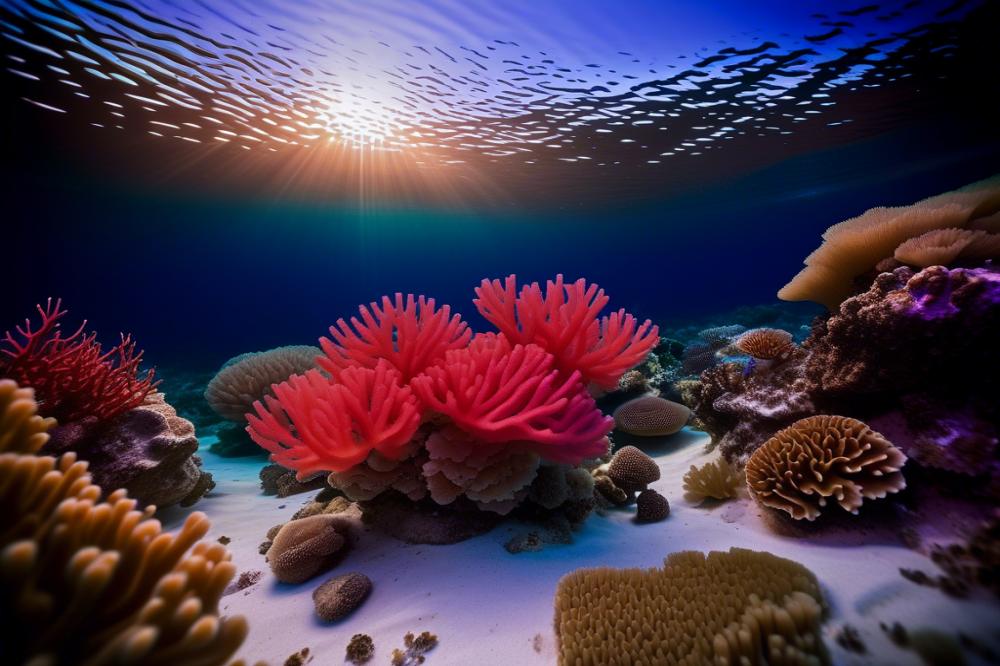
Deepwater coral habitats play a vital role in supporting marine ecosystems, acting as critical foundations for numerous species. These areas serve as biodiversity hotspots, hosting an array of marine life that relies on their structure for shelter and food. Various organisms, from tiny invertebrates to larger fish, interact with these habitats in intricate ways. Each connection helps to strengthen the overall health of the ocean.
Interactions with various marine species create a complex web of life. Many fish, such as grouper and snapper, use these environments as breeding grounds. In turn, these species attract predators and other marine life, contributing to a thriving community. This dynamic showcases how important these habitats are for maintaining balanced ecosystems.
Moreover, the role of deepwater corals extends to nutrient cycling. They recycle organic materials, supporting the growth of other organisms in the process. This contributes significantly to the productivity of the surrounding environment. By facilitating nutrient exchanges, they help maintain the health of marine biodiversity.
Carbon sequestration is another crucial function performed by coral habitats. These ecosystems help capture and store carbon to mitigate climate change impacts. By locking away this greenhouse gas, they provide an essential service to the planet. Healthy ecosystems can act as carbon sinks, thus playing a part in combating global warming.
In addition to their natural benefits, these habitats hold significant importance for fisheries. Healthy coral areas can lead to greater fish populations, which is vital for local communities relying on fishing for their livelihoods. Supporting ecosystem conservation efforts becomes increasingly important as fishing pressures rise and climate-related challenges continue to evolve.
Underwater research into these habitats enhances our understanding of oceanography. Scientists explore the relationships between various marine species and their environments. This research sheds light on how ecosystem dynamics adapt to changes, ultimately informing conservation strategies. Habitat restoration efforts rely on this knowledge, as effective measures can help these delicate ecosystems thrive once more.
Current Research and Underwater Exploration Techniques
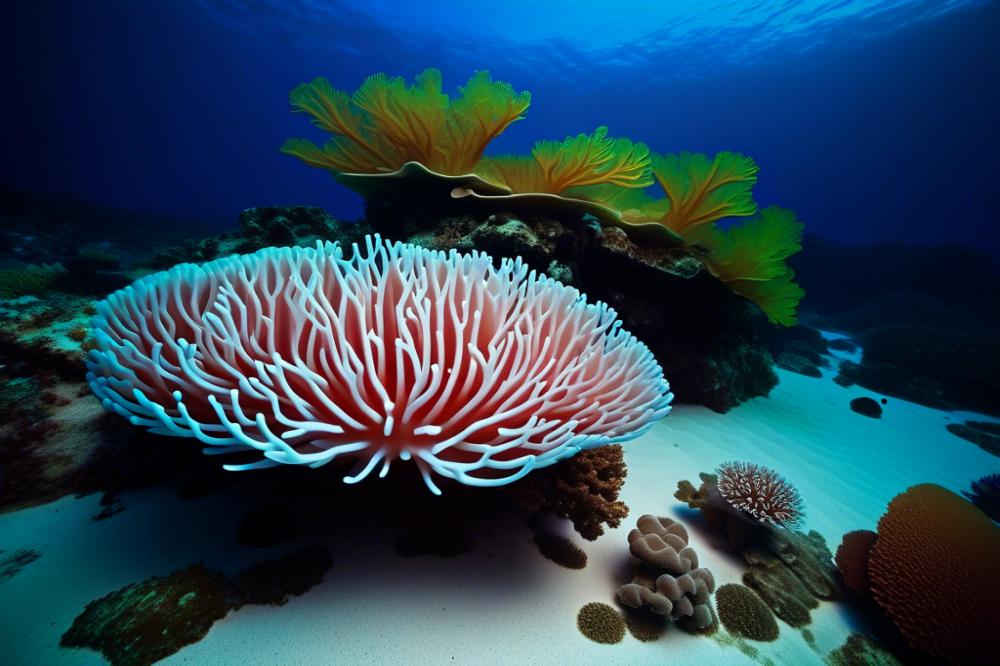
Recent advancements in oceanography are changing how scientists study marine ecosystems. New underwater exploration methods help researchers dive deep into the North Atlantic’s cold, dark waters. These methods allow for a better understanding of coral habitats. They also reveal the intricate relationships between various species.
Technologies have played a significant role in enhancing research capabilities. Remote-operated vehicles (ROVs) are now commonly used to gather data from areas that are hard to reach. Equipped with high-definition cameras, these tools provide clarity and detail. Scientists can observe marine biodiversity and its interactions in real time.
Another critical technology is sonar mapping. This method creates detailed maps of the seafloor. By using sonar, researchers can identify features of the habitat that need protection. These maps also aid in habitat restoration efforts, as they help pinpoint areas where corals thrive.
Collaboration among institutions accelerates research progress. Many universities partner with conservation organizations to tackle challenges in the ocean. These partnerships enhance resource sharing and encourage new ideas. Working together, scientists can address the impacts of climate change and fisheries on delicate ecosystems.
Furthermore, workshops and conferences bring experts together to exchange knowledge. These events foster a community focused on ecosystem conservation. They help build strategies for protecting biodiversity hotspots crucial for marine life. Such gatherings often lead to innovative research initiatives.
As the urgency to protect marine environments grows, so does the need for effective research. Understanding the influence of human activities on deepwater ecosystems is vital. New exploration techniques can contribute to a broader understanding of how to safeguard these underwater treasures.
Threats to Deepwater Coral Ecosystems
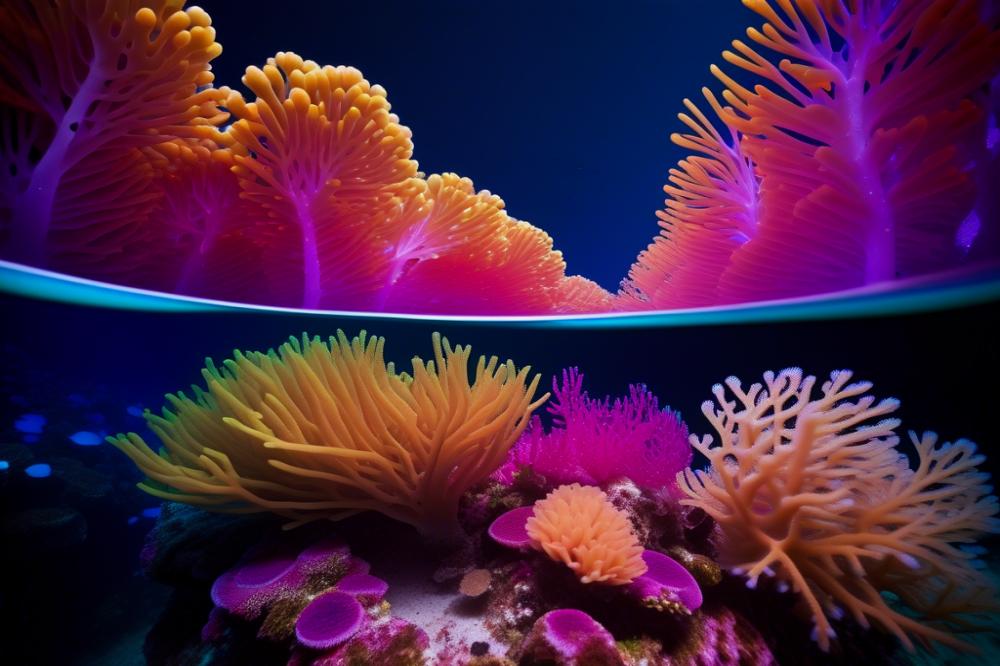
Impact of Climate Change on Deepwater Coral Habitats
Climate change poses serious dangers to fragile marine ecosystems. Warmer ocean temperatures lead to stress in coral habitats. This stress can result in bleaching, where corals lose their vibrant colors and vital nutrients. As temperatures continue to rise, fewer habitats can support healthy coral growth. Ecosystem conservation becomes increasingly challenging when climate impacts are so severe. Additionally, changing ocean conditions can disrupt the delicate balance of underwater life.
Risks from Fisheries, Pollution, and Ocean Acidification
Overfishing threatens the populations of key species that maintain the balance of marine ecosystems. Bycatch and destructive fishing methods can devastate the sea floor. Pollution introduces toxins into these habitats, making survival difficult for many organisms. Increased carbon dioxide levels cause ocean acidification, which weakens coral structures. The long-term effects of acidification on coral reefs can be catastrophic. These various threats highlight the need for proactive habitat restoration strategies.
Consequences for Marine Biodiversity and Ecosystem Health
Loss of coral habitats leads directly to declines in marine biodiversity. Not only do corals provide shelter for countless species, but they also support entire food webs. As biodiversity hotspots disappear, so do the benefits they offer to our oceans. Healthy ecosystems are crucial for numerous marine creatures. Without them, many fish populations may collapse, impacting both ecology and local economies. Protecting these unique habitats is vital for sustaining the health of our seas. Underwater research may unlock solutions to these pressing challenges, but time is running out.
Conservation Efforts and Habitat Restoration
Strategies for Protecting Deepwater Coral Ecosystems
Protecting these underwater treasures is vital for supporting marine biodiversity. Various strategies are in place to preserve these habitats. Research plays a crucial role in understanding their needs. Ecologists study how different species interact within their ecosystems. By examining these relationships, scientists can recommend better practices for protecting them. Efforts include monitoring fisheries to reduce overfishing. Ensuring that species can thrive together is essential for a balanced environment.
Importance of Marine Protected Areas and Sustainable Practices
Marine protected areas (MPAs) serve as crucial safe havens. They allow ecosystems to recover while limiting human activities that cause damage. These zones are vital for conserving biodiversity hotspots, where many marine species congregate. Sustainable fishing practices also support the health of ecosystems. Fishermen can participate in initiatives that reduce bycatch and prevent habitat destruction. Communities can work together to create awareness about sustainable practices. Education is key for those who rely on fisheries for their livelihood.
Future of Conservation Initiatives and Community Involvement
The future of conservation initiatives looks promising, thanks to community involvement. Coastal communities are beginning to recognize their role in protecting marine ecosystems. Citizen science programs invite local people to contribute to underwater research. This participation helps gather valuable data while fostering a sense of ownership. Increased awareness about climate change impact has led to more advocacy. More voices are necessary to push for effective policies. Collaborative efforts can amplify the results of conservation actions. Involving communities enhances engagement and encourages sustainable practices at all levels.
Reflecting on the Importance of Coral Research
Understanding deepwater coral habitats is vital for our oceans. These ecosystems play a significant role in marine biodiversity. They offer refuge and nourishment to countless marine species. Studying these underexplored areas helps us recognize the intricate connections within ocean life. More data will enhance our knowledge and foster a greater appreciation for these hidden treasures.
Ongoing research is crucial to protect these delicate environments. Scientists and conservationists must collaborate to monitor changes and assess threats. Regular assessments ensure that any negative impacts are identified quickly. Powerful tools like advanced mapping and remote sensing can aid these efforts. By combining forces, we can develop strategies that safeguard these habitats.
A collective vision is necessary for the future of North Atlantic waters. We need to prioritize ecosystem conservation and foster resilience against climate change. Engaging local communities and stakeholders will help cultivate awareness and support. Policymakers must commit to sustainable practices that protect these natural wonders.
Our actions today will shape tomorrow’s marine environments. Let’s support research initiatives and conservation programs. Together, we can create a thriving marine ecosystem that enhances both biodiversity and human well-being. It is time to champion the cause of our oceans and the life they sustain.


