
Understanding coral reefs and Their Vital Role
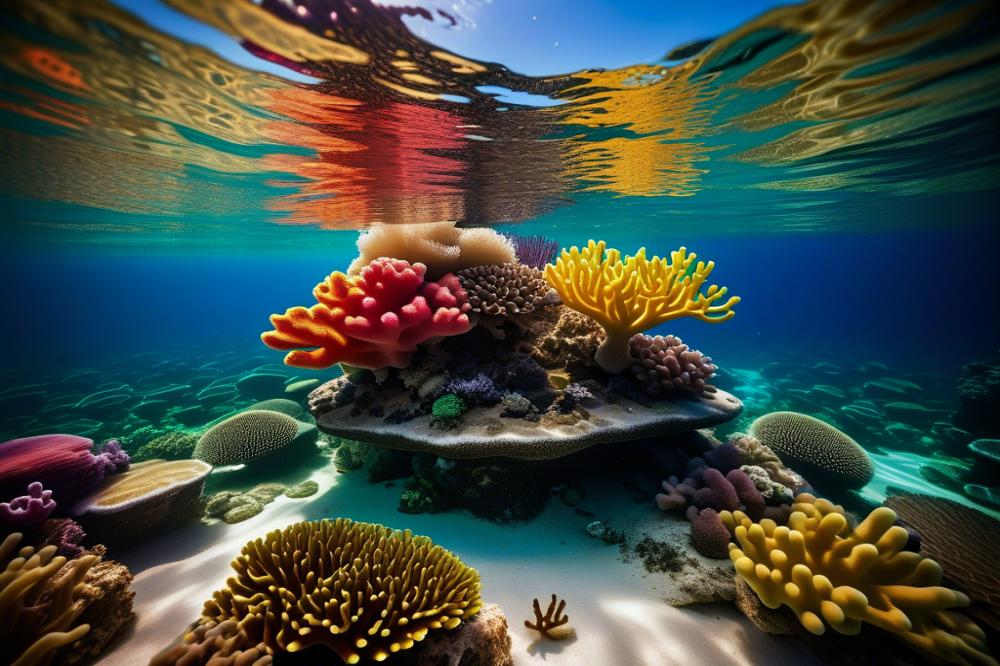
coral reefs play a crucial role in marine ecosystems. They support an incredible variety of life and serve as vital habitats for many species. Biodiversity thrives in these underwater gardens, making them essential to ocean health. Fish, crustaceans, and numerous other organisms rely on the shelter and food that reefs provide. Beyond supporting marine life, these ecosystems also protect coastlines from erosion and contribute to local economies through tourism and fishing.
The significance of genetic diversity cannot be overlooked in efforts to restore these habitats. coral genetics helps scientists understand how different coral species adapt to changing conditions. By studying the genetic makeup of corals, researchers can develop innovative restoration techniques. These methods, such as coral breeding and aquaculture, focus on enhancing resilience against diseases and climate change. Implementing such strategies is crucial for successful reef restoration.
Climate change and human activities threaten coral health and survival. Rising ocean temperatures lead to bleaching events, where corals lose their vibrant colors and, ultimately, their life-sustaining symbiosis with algae. Pollution, overfishing, and habitat destruction also contribute significantly to the decline of coral reefs. This combination of factors has led to alarming losses in these ecosystems worldwide. Consequently, urgent action and effective conservation strategies are needed to protect and revive these vital underwater structures.
To face such challenges, scientists and conservationists look to advances in marine biology. By focusing on the genetic components of corals, we can better equip them to withstand various stressors. A proactive approach is necessary to ensure the future of coral reefs. Engaging in reef restoration with the help of genetic research can help rebuild these critical habitats and safeguard their biodiversity for generations to come.
Understanding coral genetics
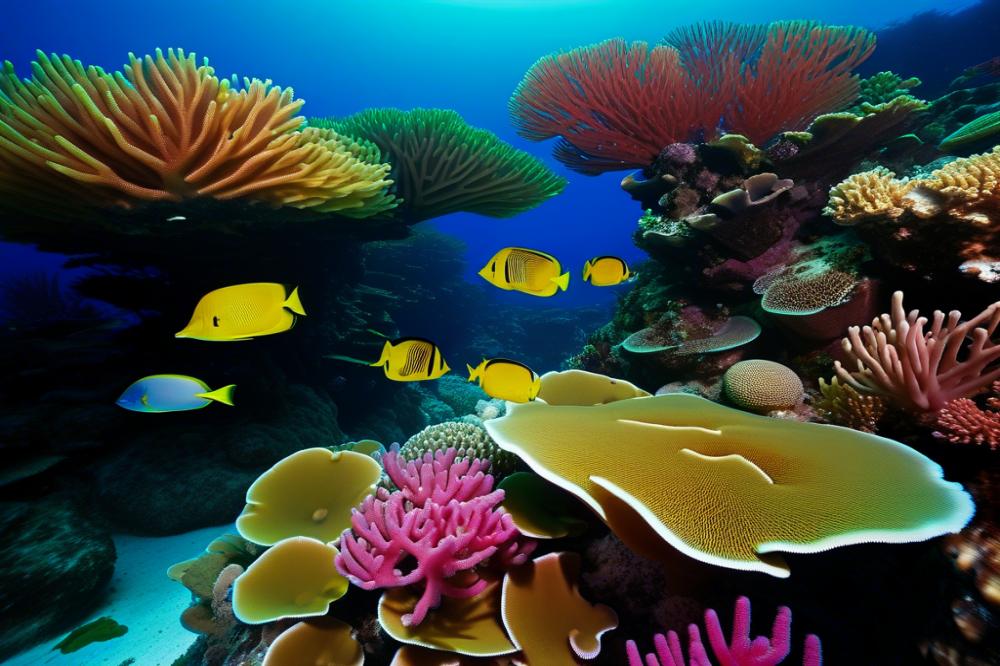
Coral genetics plays a crucial role in marine biology. It refers to the study of theDNA and hereditary traits of corals. This field helps scientists understand how different species adapt to their environment. In turn, this knowledge is essential for developing effective reef restoration techniques.
Genetic diversity is vital for creating resilient coral populations. When many different genetic types are present, corals can better withstand challenges. For instance, factors like climate change and diseases threaten coral reefs globally. A diverse gene pool enhances the chances of survival against environmental stressors.
Specific genetic traits can significantly influence coral resilience. Some corals possess adaptations that help them endure high temperatures and increased acidity. These traits are essential for maintaining ecosystem health in changing ocean conditions. Furthermore, understanding genetic differences can guide aquaculture efforts. This way, scientists can select corals for breeding that have advantageous traits.
Research into coral breeding also emphasizes the importance of biodiversity. By working to maintain a wide variety of coral species, efforts are made to bolster restoration projects. Corals that can handle stress will likely contribute more effectively to the reef’s recovery. Such benefits highlight the necessity of detailed genetic studies in conservation initiatives.
In essence, coral genetics provides a foundation for successful reef restoration. Through their understanding, scientists can tailor strategies to improve coral health. This not only helps in current recovery efforts but also ensures future ecosystems remain vibrant. Therefore, investment in this area is crucial for the future of coral reefs.
Genetic Tools in Reef Restoration
Techniques Used in Coral Breeding and Aquaculture
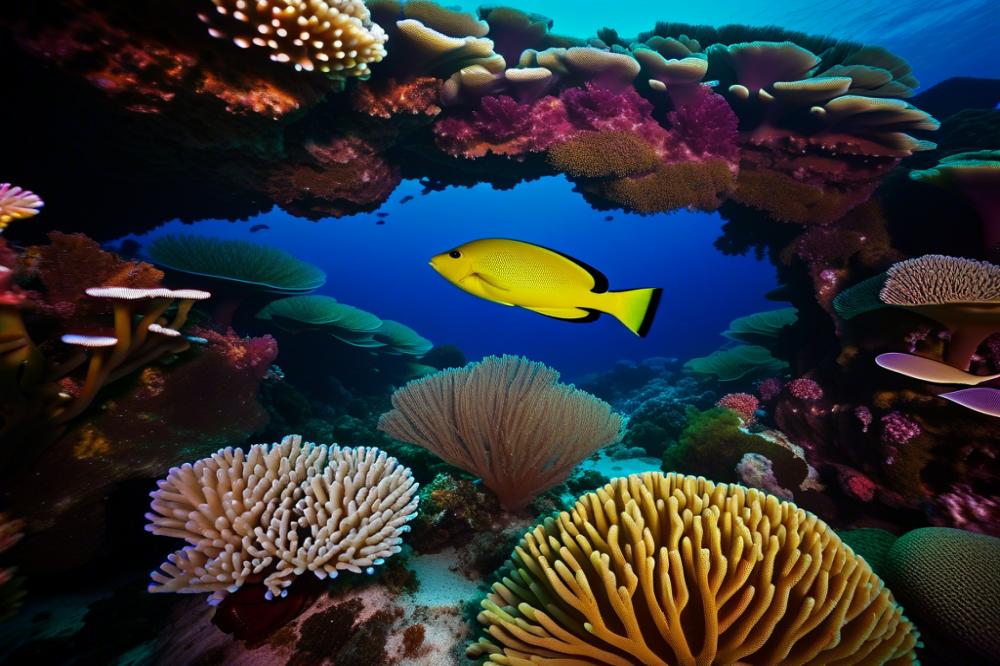
Breeding corals is becoming a vital technique in restoration projects. Scientists select parent corals with desirable traits for breeding. Healthy coral offspring can then thrive better in changing conditions. Aquaculture also plays a role, allowing large-scale growth of corals in controlled environments. This method provides an opportunity to increase coral populations without disrupting natural habitats. Through careful selection, researchers can enhance traits that help corals adapt to challenges, particularly climate change.
Methods for Assessing genetic diversity in Coral Species
Assessing genetic diversity is crucial for the success of restoration efforts. Different coral species display a variety of genetic profiles. Researchers collect samples from various populations, analyzing their DNA. This information helps identify which species possess greater resilience. A diverse gene pool boosts the chances of survival and adaptation. Moreover, better understanding of genetic variations can inform which coral species to prioritize in restoration work.
Utilization of Molecular Markers to Select Resilient Coral Genotypes
Molecular markers are essential tools in pinpointing resilient coral genotypes. By examining specific genetic traits, scientists can choose corals that are likely to withstand environmental stressors. This approach helps in the selection process, directly impacting biodiversity. Focusing on genotypes that show strength against factors like rising temperatures is necessary. These markers can provide insight into the health of the overall ecosystem as well. Selecting the right genotypes fosters better conservation efforts for coral reefs globally.
Restoration Techniques Integrating Genetics
Case Studies of Successful Reef Restoration Projects Using Coral Genetics
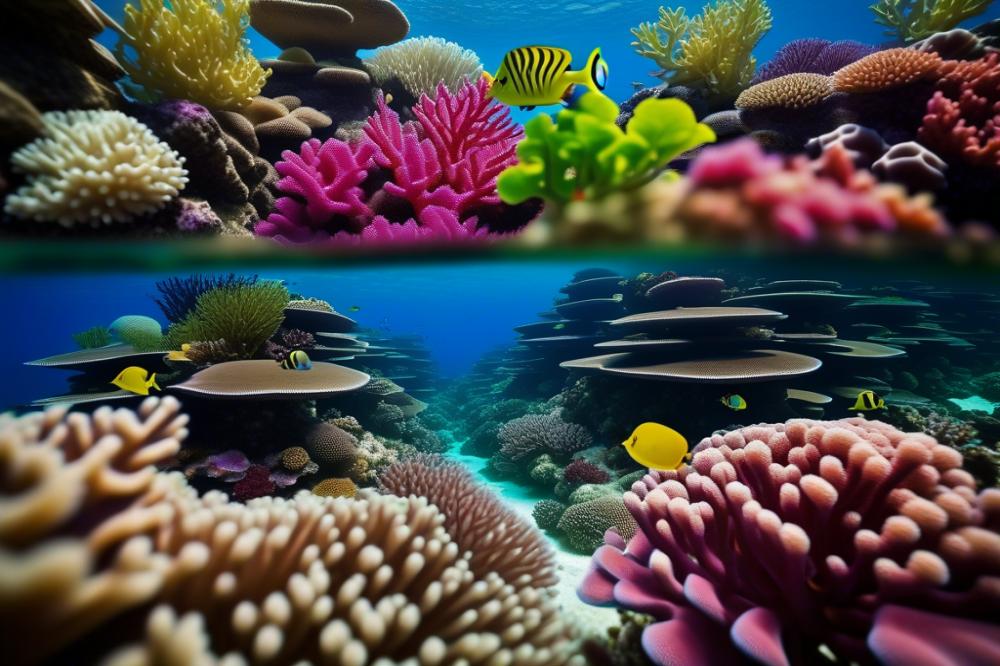
Some projects have shown promise in using genetic strategies for coral reef restoration. One notable case comes from the Caribbean, where scientists successfully transplanted stress-resistant corals. These genetically diverse corals helped improve the health of nearby reefs after severe bleaching events. Marine biologists focused on selecting corals that can withstand rising sea temperatures and acidification. Their efforts led to a more resilient reef ecosystem, capable of hosting diverse marine life. In another study in Australia, researchers used advanced breeding techniques. They crafted offspring from two different coral species, creating hybrids that thrived in harsh conditions. This approach not only boosted genetic diversity but also enhanced the overall resilience of the reef.
Hybridization and Assisted Gene Flow as Innovative Strategies
Hybridization offers a way to combine the strengths of different coral types. By blending desirable traits from various species, scientists aim to create corals better suited for surviving climate challenges. Assisted gene flow works alongside this concept. Through this method, scientists introduce desirable genes from one population into another. Doing this can improve genetic diversity and support ecosystem health. For instance, aquaculture facilities are generating hybrid corals. These engineered species are bred for specific conditions, showcasing adaptability. Their introduction into the wild represents a proactive step toward combating rapid environmental changes.
Challenges and Limitations of Genetic Interventions in Restoration
Despite the potential benefits, challenges remain in using genetic techniques. One issue is the unpredictability of hybrid corals in the wild. Reintroducing these modified species sometimes leads to unforeseen consequences. In addition, ethical concerns arise about changing natural populations. Conservationists debate whether altering genetic traits might disrupt local ecosystems. Moreover, funding and resources are often limited for such projects. Many researchers face obstacles in accessing the necessary technology for coral breeding or conducting extensive studies. Lastly, regulatory frameworks can hinder the deployment of innovative strategies. These barriers may slow progress towards improving biodiversity in fragile coral habitats.
Biodiversity and Ecosystem Health
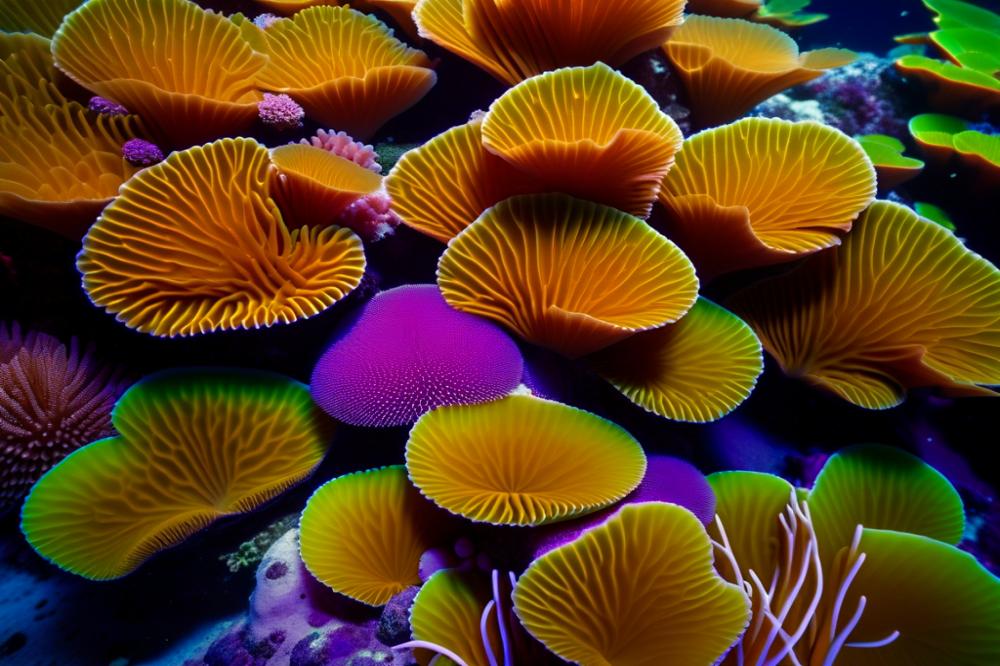
The health of coral reefs relies heavily on genetic diversity. When coral populations are genetically varied, they can adapt better to environmental changes. This adaptability is crucial in the face of climate change. Genetically diverse reefs are more resilient against diseases and stressors.
Associated marine organisms thrive in these diverse environments. A mix of coral species creates various habitats that support other life forms. Fish, invertebrates, and other creatures rely on this complexity for food and shelter. Healthy reef ecosystems foster rich biodiversity, which is vital for the overall balance of marine biology.
Conservation efforts and restoration techniques often focus on increasing genetic diversity. By using aquaculture and coral breeding, scientists can develop strategies to reinforce local populations. These approaches not only restore damaged reefs but also enhance their ability to support a range of marine life.
The role of these strategies extends beyond corals themselves. Ecosystem health benefits from the interactions that occur within a diverse community. When multiple coral species coexist, they create a more stable environment for all associated organisms. Such dynamics are essential for maintaining biodiversity and ensuring long-term viability of these ecosystems.
In summary, fostering genetic diversity among corals is necessary for healthy reefs and vibrant marine life. By understanding and utilizing these concepts, we can better address the challenges that coral ecosystems face today.
Future Directions of Coral Genetics in Conservation
Emerging Technologies and Research in Coral Genetics
Rapid advancements in technology might reshape how we view coral reefs. Innovations in genetic sequencing allow scientists to analyze coral DNA more effectively. This helps researchers understand genetic diversity within coral populations. Collecting and storing genetic information can lead to improved restoration techniques. Consequently, knowledge of which coral types are more resilient can guide future efforts in reef recovery. Enhanced role of marine biology is essential in this process, as ongoing studies uncover more about how corals adapt to climate change.
Role of Policy and Public Awareness in Supporting Genetic Studies
Policy plays a significant role in coral conservation. Supportive laws can promote funding for genetic research projects. Public awareness campaigns are necessary to highlight the importance of coral reefs. When communities understand the threats facing these ecosystems, they become more likely to advocate for their protection. Educated citizens can influence decisions made by local governments. Increased engagement can lead to stronger policies that support sustainable practices in aquaculture and restoration efforts.
Importance of Collaborative Efforts in Conservation and Restoration
Collaboration among scientists, conservationists, and local communities is vital in protecting reefs. Studies demonstrate that sharing knowledge enhances conservation effectiveness. Different perspectives contribute to a broader understanding of ecosystem health. Partnerships can result in innovative strategies for coral breeding and management. By working together, various stakeholders can address challenges posed by biodiversity loss. Engaging the public encourages collective action, enhancing the overall success of reef restoration projects.
Final Thoughts on Coral Conservation
Coral genetics play a vital role in the restoration of ecosystems. Understanding the genetic makeup of corals helps scientists choose the best species for restoration efforts. This knowledge allows for a greater chance of survival and adaptation in changing environments. As a result, these efforts contribute significantly to the health of coral reefs worldwide.
Looking ahead, the future of coral conservation depends on continuous research and innovation. New techniques in genetic analysis can help maximize genetic diversity. This diversity is crucial for resilience against climate change and other environmental pressures. By promoting a varied gene pool, we can better equip coral populations to withstand threats.
Creating a sustainable path for coral reefs involves a collaborative effort. Researchers, policymakers, and the public must work together. Increased investment in scientific studies will enhance our understanding and effectiveness in conserving these ecosystems. Your support can help this critical research flourish. Organizations that focus on marine biology and ecology would greatly benefit from community involvement and funding.
In summary, the integration of genetic studies into reef restoration efforts offers hope. Our collective commitment to this field of research can make a significant difference. Together, we can help preserve one of the most beautiful and essential ecosystems on our planet.


