
Exploring the Role of Reef Fish in the Seychelles coral ecosystem
Overview of the Seychelles coral ecosystem
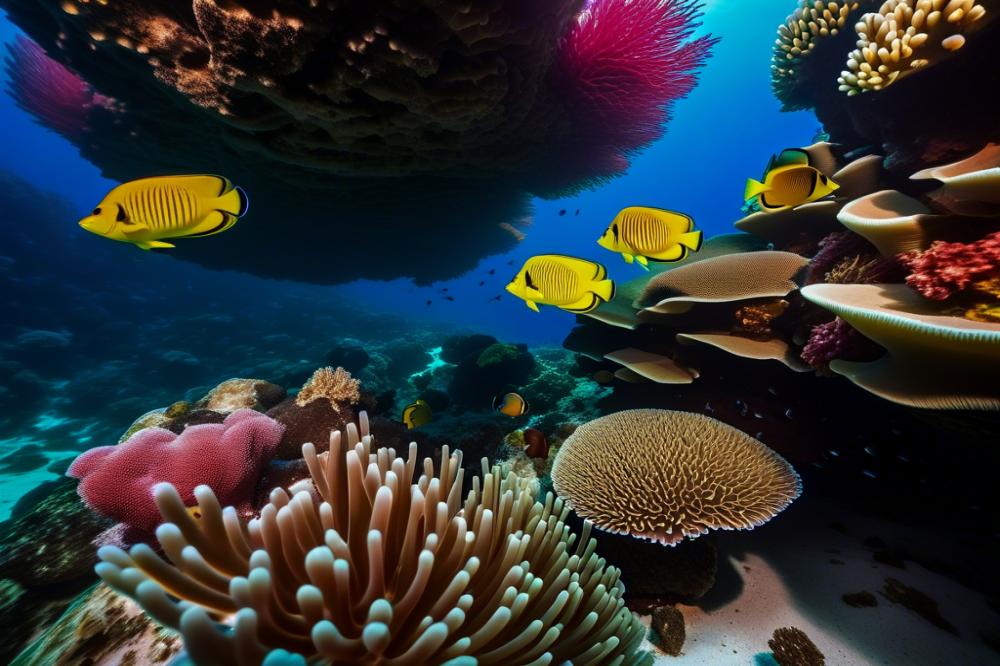
The coral ecosystem of the Seychelles is a vibrant and complex world beneath the waves. This remarkable environment is home to an array of marine life, providing essential habitat for various fish species. coral reefs in this region are not just beautiful; they play a crucial role in supporting marine biodiversity. These underwater structures serve as nurseries, feeding grounds, and shelters for countless organisms. Unfortunately, they are facing numerous challenges due to climate change and human activity.
Importance of Reef Fish in marine biodiversity
One cannot overlook the role of fish within these ecosystems. Reef fish contribute significantly to maintaining the health of coral reefs. They participate in essential species interactions, which help control algae growth and promote coral resilience. Without these fish, the balance of the entire ecosystem could be disrupted. Diverse fish populations are also indicators of reef health. Their presence often signifies a thriving underwater community. Additionally, these species enhance the overall aesthetic of the coral reefs, attracting tourists and fostering economic growth.
Objectives of the Article
This article aims to explore the intricate relationships between reef fish and the coral ecosystem in the Seychelles. Readers will gain insights into how these fish support ecological balance and influence conservation efforts. Topics will include the impact of tourism on these environments and the importance of preserving marine biodiversity. The goal is to raise awareness about environmental sustainability and the vital role of reef fish in protecting our oceans. By understanding these connections, we can better appreciate the unique beauty and significance of the Seychelles coral ecosystem.
Understanding Reef Fish
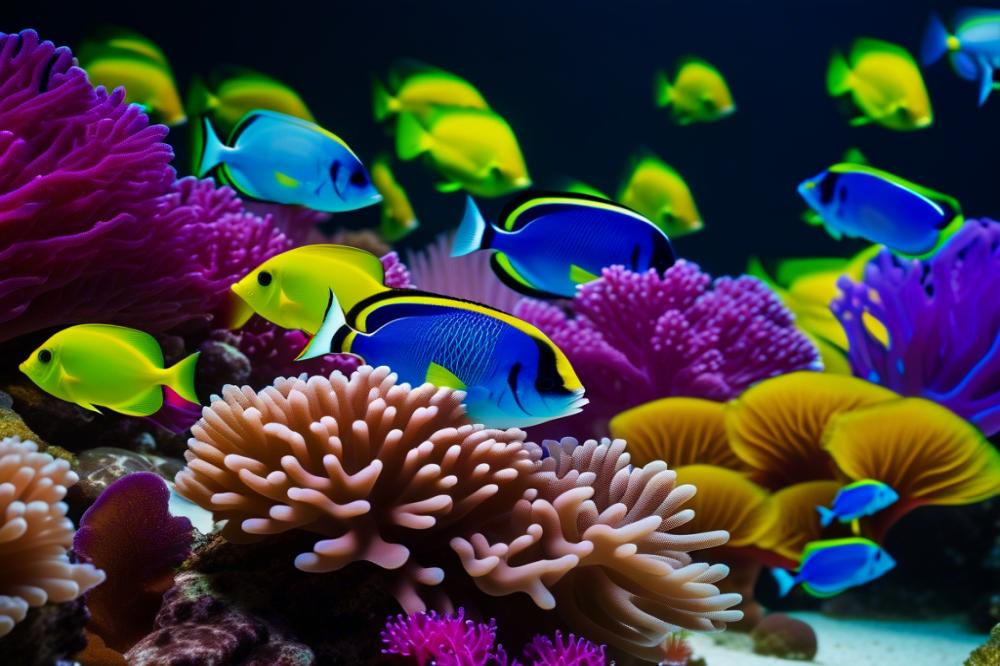
Reef fish are a vital part of a coral ecosystem. These creatures often thrive in warm, shallow waters. They have specialized adaptations that help them survive among the complex structures of coral reefs. Most reef fish are colorful and can range in size from tiny gobies to larger species like groupers. Their bodies come in various shapes, which allow them to hide or maneuver around the reefs with ease.
The Seychelles is home to a variety of fish species. Among the most notable are parrotfish, angelfish, and clownfish. Each species plays a unique role within the coral ecosystem. Parrotfish, for example, help keep the reefs healthy by grazing on algae. This feeding behavior prevents algae overgrowth that can smother corals. Angelfish, on the other hand, are known for their vibrant colors and dietary preferences, which include sponges. Clownfish form symbiotic relationships with anemones, offering protection while providing food in return.
Fish species serve crucial roles in maintaining reef health. Their interactions with coral and other marine life help create an ecological balance. For instance, some fish clean parasites off larger fish, promoting overall health in the reef community. This natural cleaning service supports the well-being of both reef inhabitants and the corals themselves. Additionally, the movement of these fish contributes to nutrient cycling, which is essential for ecosystem stability.
Conservation efforts are necessary to protect these delicate environments. Overfishing and habitat destruction pose significant threats to marine biodiversity in the Seychelles. Tourists often flock to the islands for their unique underwater experiences, but increased human activity can have negative impacts on reef ecosystems. Protecting fish populations is vital for sustaining the health of coral reefs, ultimately benefiting those who rely on them for both livelihood and recreation.
Ecological Role of Reef Fish
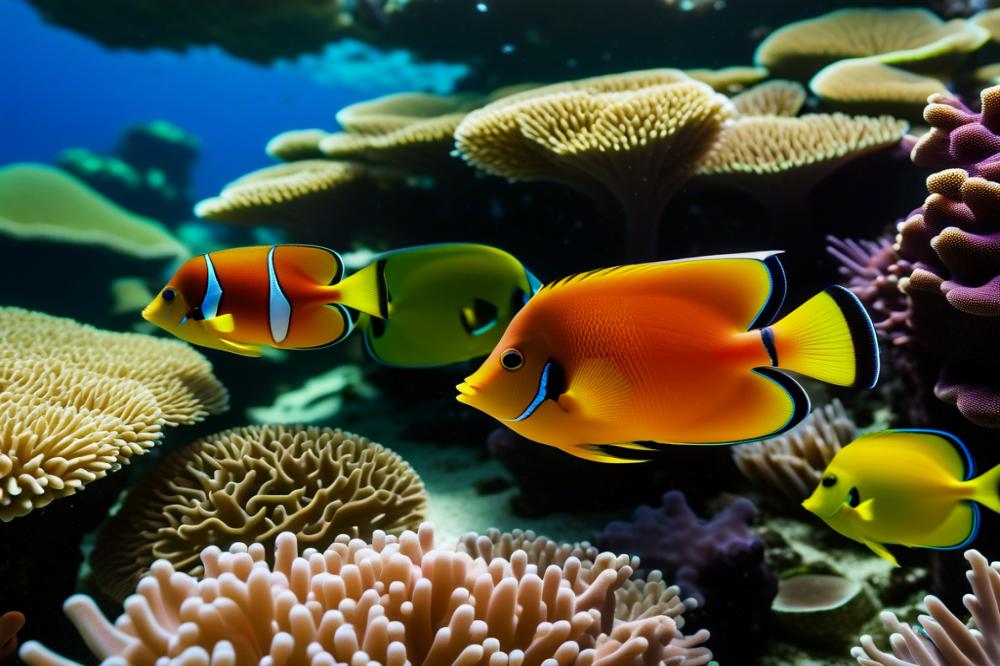
In the coral ecosystem, various fish species play crucial roles. These interactions contribute to marine biodiversity. They help maintain the balance of life in coral reefs. Predators, herbivores, and microorganisms all depend on one another. Some fish feed on algae, which keeps coral healthy by preventing overgrowth. This interaction promotes strong reef structures and vibrant underwater life.
The impact of fish on reef health cannot be overstated. By grazing on algae, certain species keep the corals clean and free from harmful organisms. Areas devoid of these fish may see a decline in reef quality. Algal overgrowth can smother corals, leading to their death. Reef fish also provide shelter for other marine creatures, promoting a diverse habitat. Sustained reef health is vital for the overall ecological balance.
Nutrient cycling relies on various fish activities. As fish feed, they produce waste that enriches the surrounding waters. This natural process enhances nutrient availability for coral and other marine life. Additionally, fish help break down organic matter, further supporting the ecosystem. Conservation efforts aim to protect these interactions. Healthy fish populations are essential for resilient coral ecosystems.
Tourism impact on marine environments raises concerns. Visitors to the Seychelles often admire the colorful fish and vibrant corals. However, increased human activity can disturb these vital relationships. Educating tourists about their role can foster environmental sustainability. Protecting both fish species and corals ensures that future generations can enjoy their beauty. Maintaining this delicate balance is imperative for the entire ecosystem.
Threats to Reef Fish and Coral Ecosystem
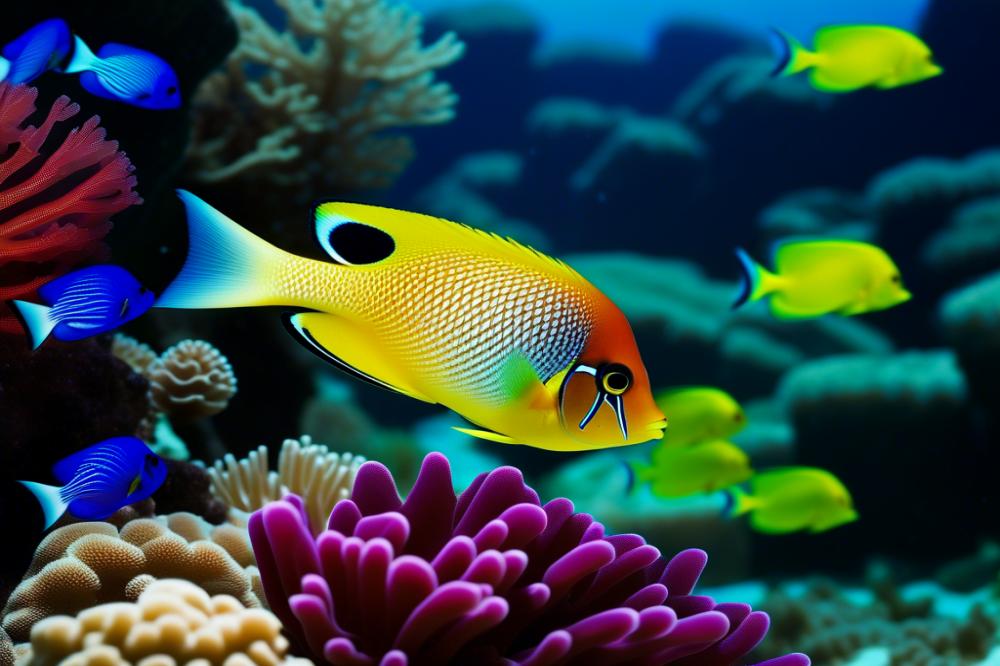
The health of coral ecosystems faces numerous challenges. Various factors impact their preservation. Climate change is a significant threat. Warmer oceans lead to coral bleaching. This phenomenon weakens the corals and can result in loss of habitat for many species. Changes in ocean acidity also affect marine biodiversity.
Fish species rely on coral reefs for shelter and food. When corals die, these fish populations are at risk. A delicate ecological balance is disrupted. Some species might even face extinction. The overall decline in coral health can lead to adverse effects on entire marine communities.
Overfishing has emerged as a serious issue. Unsustainable fishing practices deplete valuable fish species. When certain fish are removed from the ecosystem, other species may proliferate unchecked. This imbalance can lead to further degradation of reef environments. Pollution compounds the problem. Chemicals and waste dumped in the ocean damage coral and harm marine life.
Tourism impact also plays a role. While tourism generates revenue, it can create stress on aquatic habitats. Resorts and developments can lead to increased waste and pollution. Conservation efforts are critical in these areas. Protecting reefs involves engaging the local community and promoting eco-friendly practices.
Species interactions are essential for a thriving reef ecosystem. Each organism contributes uniquely to the overall health. When one part of the system falters, others feel the repercussions. This interconnectedness underscores the need for environmental sustainability. By addressing these threats, a healthier reef system may become achievable.
Conservation Efforts for Reef Fish
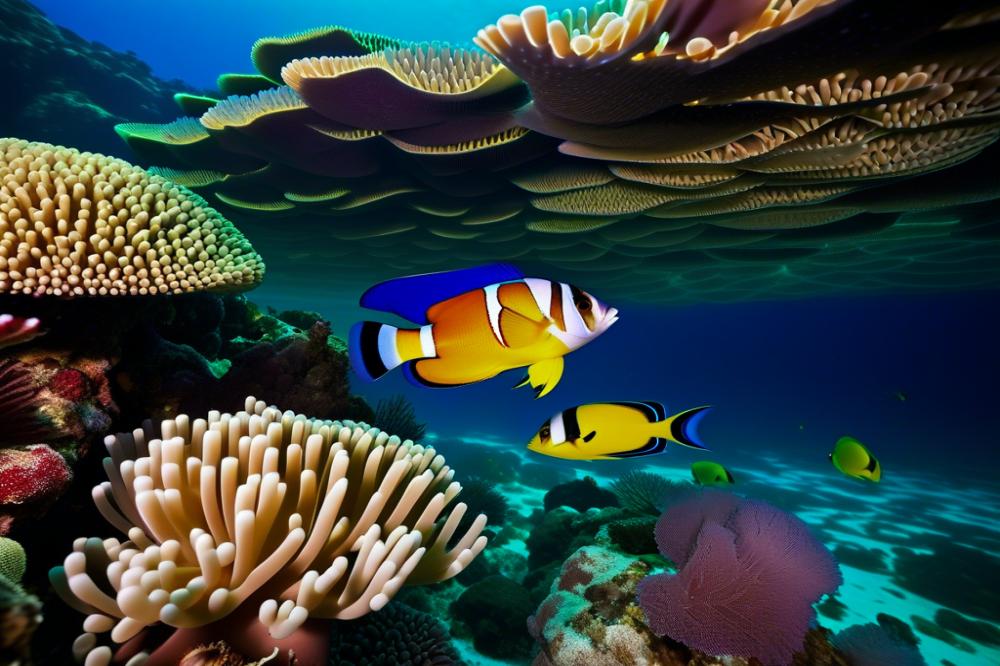
Efforts to protect the reef fish and the coral ecosystem are growing in the Seychelles. Various initiatives focus on conserving marine biodiversity and ensuring the health of different fish species. These actions benefit the overall health of coral reefs, allowing them to thrive. Schools of fish are vital to the ecological balance of the underwater world. Without them, the coral’s ability to survive and flourish diminishes rapidly.
Local communities play a crucial role in these conservation efforts. Fishermen are often the first to see changes in reef health. Engaging them in sustainable practices is essential. When communities understand the importance of preserving marine life, they become advocates for protection. Their involvement helps create a culture of environmental sustainability.
The government also contributes significantly to protecting these ecosystems. Initiatives like banning certain fishing practices help reduce pressure on vulnerable species. Marine protected areas (MPAs) are established to create safe havens for fish and coral. These zones restrict damaging activities, allowing populations to recover. They also promote responsible tourism, which respects the delicate balance of sea life.
Education plays a vital role in the fight for conservation. Programs aimed at teaching about species interactions foster respect for marine environments. Schools often take students on trips to coral reefs, increasing awareness of their beauty and fragility. Understanding the tourism impact on these areas is necessary for future generations. Through collective efforts, the coral ecosystem in Seychelles can remain vibrant and resilient.
Tourism and its Impact on Reef Fish
Tourism plays a significant role in Seychelles, attracting visitors eager to experience its natural beauty. The relationship between tourism and marine biodiversity is complex. Thriving ecosystems often draw tourists, which can lead to both positive and negative outcomes in the coral ecosystem.
On the positive side, increased tourist activity can boost awareness about the importance of conservation efforts. Many visitors become more interested in preserving local environments after seeing the vibrant marine life. Tour operators often promote snorkeling and diving experiences that educate tourists about the diverse fish species inhabiting the coral reefs. These educational experiences can cultivate a sense of responsibility toward reef health among travelers.
However, the tourism impact isn’t always beneficial. Overcrowding can lead to damage of sensitive coral areas. When many people engage in water activities without proper guidance, the delicate ecological balance of these environments becomes disturbed. Furthermore, waste generated by tourism, such as plastic pollution, poses serious threats to marine ecosystems. Species interactions may also suffer when fish become used to being fed by humans, altering their natural behaviors.
Strategies for Sustainable Tourism in Seychelles
Implementing strategies for sustainable tourism is essential for the long-term health of Seychelles’ coral reefs. To promote environmental sustainability, guidelines need to be established for tourists and operators. This includes limiting the number of visitors in certain areas and providing thorough training for guides on how to minimize their impact on marine environments.
Encouraging eco-friendly practices, such as using biodegradable products and participating in beach clean-ups, can also support conservation. Tourists should be made aware of their role in protecting these precious ecosystems. Informational campaigns can emphasize the importance of respecting marine biodiversity and the health of the reefs. Moreover, collaboration between the government, local communities, and businesses can strengthen these initiatives.
In summary, a balanced approach to tourism can help preserve the unique and rich marine life in Seychelles. By fostering a connection between visitors and the environment, it is possible to protect the coral ecosystem while still allowing tourism to thrive.
Final Thoughts on the Vital Role of Fish in Seychelles’ Coral Ecosystem
The significance of marine life in the Seychelles coral ecosystem cannot be overstated. Fish play a crucial role in not only maintaining the health of coral reefs but also supporting overall marine biodiversity. Their interactions with the reef help to foster resilience and regeneration. Without these species, the delicate balance necessary for these underwater habitats would be severely disrupted.
Conservation efforts are essential now more than ever. As climate change and pollution pose increasing threats to coral habitats, our actions must focus on preserving these vibrant ecosystems. Everyone has a part to play, whether it involves responsible tourism, reducing plastic waste, or supporting local conservation initiatives. Engaging communities and raising awareness can create a ripple effect that benefits both the environment and local economies.
Looking ahead, the future of coral reefs and fish populations hangs in the balance. Ongoing changes in ocean temperatures and acidity levels put immense pressure on these systems. With continued commitment to sustainable practices, there is hope for improvement. Scientists are exploring innovative ways to restore damaged reefs, and local efforts are showing positive results. Together, we can work to secure a healthier marine environment for generations to come.
Taking action today will ensure a vibrant future for the coral ecosystem. Let’s champion the cause and safeguard the natural wonders of the Seychelles for all who will explore them down the line.


