
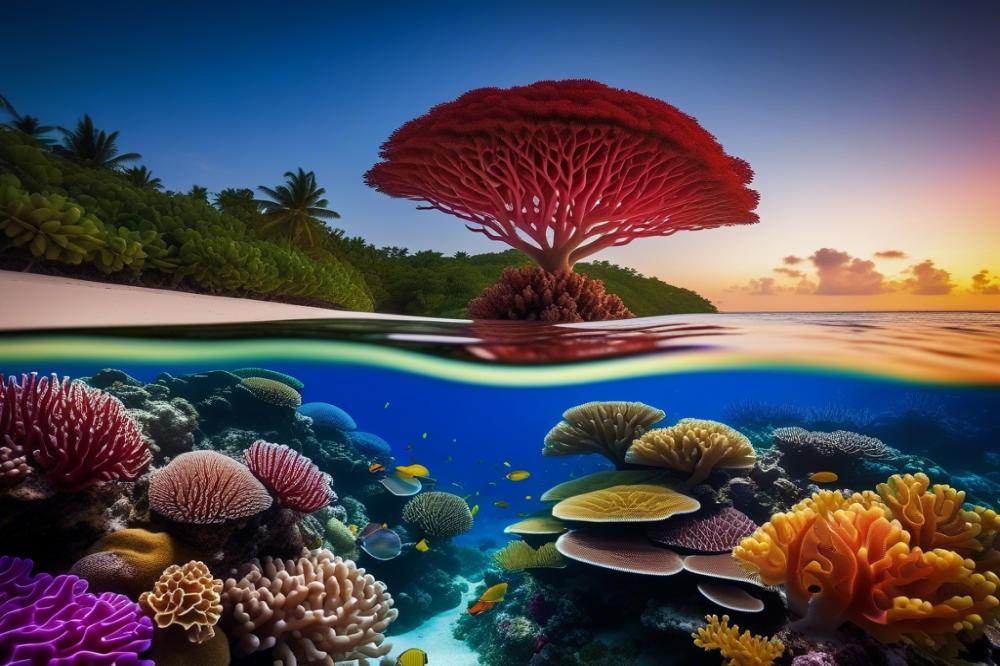
Overview of coral reefs in the Indian Ocean
coral reefs in the Indian Ocean represent some of the most vibrant and diverse marine ecosystems on the planet. They are often referred to as the rainforests of the sea due to their incredible variety of life. These underwater structures provide shelter and food for countless species of fish, invertebrates, and plants. Their complex formations create vital habitats that not only support marine life but also protect coastlines from erosion.
Reef health is under constant threat. Factors such as overfishing, pollution, and climate change contribute to coral bleaching. This phenomenon occurs when corals, under stress from rising temperatures, expel the algae living in their tissues. Without these algae, which provide energy through photosynthesis, corals lose their color and vitality. The aftermath of bleaching events can be devastating and lead to large-scale coral die-offs.
Importance of coral regrowth in Marine Ecosystems
coral regrowth plays a critical role in restoring damaged ecosystems. Healthy reefs promote biodiversity, providing a habitat for numerous marine species. They are essential breeding and feeding grounds for fish and other marine organisms. Furthermore, the presence of robust coral formations can indicate the overall health of the ocean.
Efforts focused on ecosystem restoration can lead to revitalization. Through careful management, damaged reefs can bounce back over time, rehabilitating marine populations. Understanding how corals regenerate enables scientists and conservationists to develop effective strategies. Without such initiatives, the delicate balance of marine ecosystems hangs in the balance.
Connection to Ocean Conservation and Biodiversity
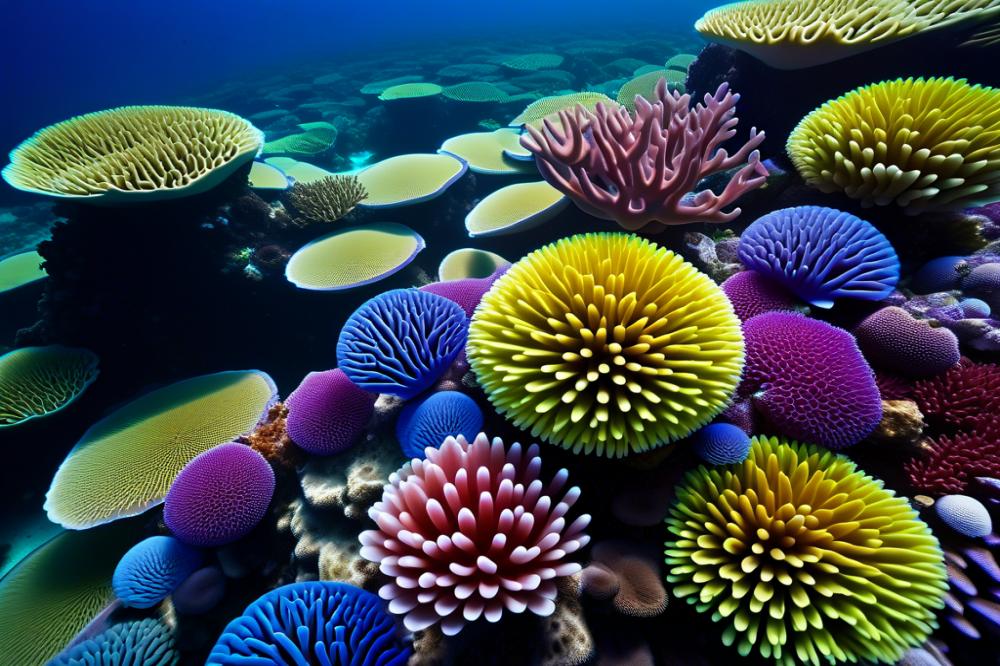
Ocean conservation is vital for sustaining biodiversity. Coral reefs contribute significantly to the planet’s biological wealth, housing an estimated 25% of all marine species. Protecting these ecosystems not only helps wildlife but also supports local communities that rely on the ocean for their livelihoods. Healthy reefs attract tourists and provide resources for fishing, contributing to economic stability.
As climate change continues to threaten these vital habitats, adaptation strategies become increasingly important. Developing methods to enhance coral resilience is a key focus of marine biology today. Conservation efforts aim to mitigate threats and promote biodiversity for future generations. In a world facing environmental challenges, it is more important than ever to understand and support the regrowth of coral reefs. This knowledge is a step toward ensuring a healthier ocean.
Understanding Coral Regrowth

Coral regrowth refers to the process by which coral reefs recover after stress or damage. This phenomenon is crucial for maintaining the health of marine ecosystems. Coral reefs serve as vibrant habitats for numerous species, and their restoration is essential for the whole ecosystem. When reefs are damaged, their survival affects both biodiversity and reef health. Without intervention, entire marine communities can collapse.
The Biological Processes Involved
Biological processes drive recovery after coral damage. Corals have the ability to regenerate tissue, a process depending on several factors. A significant factor is water quality. Clean, nutrient-rich waters promote faster recovery. In addition, environmental conditions, like temperature and light, play crucial roles. Healthy coral polyps can reproduce, creating new structures that replace lost areas. This regeneration process can be delicate, especially after events like coral bleaching, which is primarily driven by climate change.
The Role of Symbiotic Algae
Symbiotic algae known as zooxanthellae are vital for coral health. These tiny organisms live in coral tissues and perform photosynthesis. They convert sunlight into energy, providing a significant portion of nutrients to corals. This relationship is a key component of marine biology. When stress occurs, such as increased water temperature, corals may expel these algae. This expulsion leads to coral bleaching. The loss of zooxanthellae not only affects coral but also the overall health of the reef ecosystem.
Coral reefs also help protect coastlines from storms. Thus, the importance of ocean conservation cannot be overstated. By supporting coral recovery, we enhance ecosystem restoration efforts. Conservation strategies that emphasize climate adaptation are vital. They help ensure that these underwater gardens can thrive in the face of ongoing environmental challenges.
Factors Affecting Coral Regrowth
Impact of Climate Change on Coral Bleaching
Climate change poses a serious threat to coral reefs. Higher ocean temperatures lead to coral bleaching, where corals lose their vibrant colors. This event occurs when the symbiotic algae living inside corals are expelled. Without these algae, corals cannot obtain essential nutrients, resulting in weakened health. As temperatures rise, many reefs face severe stress, reducing their chances of recovery. Changes in ocean acidity further complicate matters. When the ocean absorbs more carbon dioxide, it becomes more acidic. This acidification can harm coral growth and survival.
Local Stressors: Pollution, Overfishing, and Habitat Destruction
Local activities also impact coral regrowth. Pollution is a major factor. Wastewater, plastics, and excess nutrients from farms can smother sensitive reefs. Overfishing disrupts marine ecosystems. When fish populations decline, the balance of the ecosystem is thrown off. Additionally, destructive fishing practices can physically damage the reefs. Habitat destruction, from coastal development, can severely limit areas where corals can thrive. These local stressors compound the effects of climate change, making recovery more difficult.
The Influence of Reef Health on Coral Recovery
The overall health of a reef plays a crucial role in its resilience. Healthy reefs have a higher biodiversity. More species can lead to more robust ecosystems. Diverse ecosystems tend to adapt better to changes. When reefs are in a degraded state, they are less capable of recovering after disturbances. Maintaining reef health is essential for restoration efforts. Ocean conservation strategies must address both global and local challenges. Efforts to improve water quality and protect habitats support coral longevity and ecosystem restoration. To aid coral regrowth, a focus on both resilience and health is necessary.
Ecosystem Restoration Efforts
Current Conservation Strategies in the Indian Ocean
Efforts to protect coral reefs in the Indian Ocean are gaining momentum. Different projects focus on preserving marine biodiversity and enhancing reef health. Many organizations work on local levels, engaging communities in sustainable practices. Education plays a big role in these initiatives. People are taught about the impacts of climate change and coral bleaching. By spreading awareness, these efforts help lay the groundwork for long-term change.
Success Stories of Coral Regrowth Initiatives
Some areas have shown notable success in restoring coral populations. For example, places in Seychelles have seen coral recovery after targeted intervention. Creative methods like coral gardening and transplantation have led to positive results. These techniques involve growing corals in nurseries and replanting them in damaged areas. The revival of these ecosystems reflects the dedication of local communities and scientists. Their combined efforts are creating healthier, more resilient marine ecosystems.
The Role of Marine Biology in Understanding Reef Systems
Marine biology plays a critical role in analyzing how coral reefs function. Researchers study various factors that affect reef ecosystems. They explore how different species interact and contribute to overall biodiversity. Understanding the biology of corals helps in developing effective restoration strategies. This scientific knowledge can also inform climate adaptation measures. By learning more about coral ecosystems, scientists can guide conservation efforts more efficiently. Knowledge gained minimizes risks associated with environmental changes. Every discovery provides insights that can protect these vital ocean habitats.
Innovative Approaches to Facilitate Coral Regrowth
Ongoing research in marine biology is revealing new ways to support coral reefs. Technology plays a pivotal role in monitoring reef health. Scientists use underwater drones and remote sensing satellites. These tools collect data on water temperature, acidity, and biodiversity. This information is critical in understanding the impacts of climate change on these fragile ecosystems.
Use of Technology in Monitoring Coral Health
Advanced sensors can detect early signs of coral bleaching. When water conditions worsen, these sensors send alerts. Such early warnings help researchers and local communities respond swiftly. Regular data collection allows for a more detailed picture of reef health. This information can guide conservation efforts and resource management.
Techniques for Enhancing Resilience Against Climate Change
Various techniques aim to strengthen coral resilience. One approach involves breeding hardy coral species. These corals are better equipped to handle warmer waters and changing conditions. Scientists are also experimenting with transplantation methods. By moving resilient corals to affected areas, there’s potential for recovery. Techniques such as microfragmentation allow for quicker growth. It all supports the process of ecosystem restoration.
Community Involvement and Education in Coral Conservation
Local communities play a crucial role in ocean conservation. Engaging them in coral restoration raises awareness. Educational programs teach the importance of coral reefs. Workshops share knowledge about protecting marine ecosystems. It helps foster a sense of responsibility. Active involvement allows community members to participate in monitoring and restoration activities. This collaboration increases the chances of success against climate adaptation challenges.
Future Perspectives on Coral Regrowth
Challenges Faced in Promoting Coral Regrowth
Coral reefs are in danger. Climate change is pushing ocean temperatures to dangerous levels. Coral bleaching becomes more frequent as a result. This phenomenon weakens the reefs and disrupts entire ecosystems. Pollutants from land runoff also create significant barriers to recovery. Chemicals and nutrients harm the delicate balance needed for reef health. Furthermore, overfishing removes essential species that contribute to a healthy marine environment. These challenges require urgent attention from scientists and conservationists alike.
Importance of Ongoing Research and Adaptive Management Practices
Research plays a vital role in understanding coral ecosystems. Studies help identify which species are most resilient to change. Adaptive management allows for changes in strategy based on new findings. Marine biology is key in developing practices that can enhance regrowth. Field experiments and monitoring provide valuable data. Successful restoration efforts may hinge on these discoveries. Programs that blend local knowledge with scientific research can lead to better outcomes. Engaging communities is crucial for sustainable practices and long-term success.
Potential for Healthy Coral Reefs in Supporting Marine Biodiversity
Healthy coral reefs support rich marine life. They serve as habitats for numerous fish and invertebrate species. Biodiversity thrives in these underwater environments. When reefs flourish, entire marine ecosystems benefit as well. The relationships among species become vital for resilience. Restored reefs can act as nurseries for young fish, aiding their survival. Moreover, these ecosystems contribute to the overall well-being of the ocean. Protecting coral can lead to a healthier planet. Ocean conservation efforts emphasize the importance of these delicate structures. The potential for vibrant coral ecosystems remains, but careful work is necessary to make it a reality.
Wrapping Up: The Vital Role of Coral Regrowth
Coral regrowth plays a crucial role in maintaining the health of marine ecosystems. These vibrant structures provide habitat to countless species, supporting biodiversity in the Indian Ocean. When coral reefs flourish, the entire underwater community thrives. However, their survival hinges on our actions today.
Simple steps can enhance ocean conservation efforts. Individuals can reduce plastic use and advocate for sustainable fishing practices. Schools and communities can organize beach clean-ups, raising awareness about the fragile state of these ecosystems. Each small effort contributes to a larger movement dedicated to protecting our oceans.
International cooperation is essential in safeguarding coral ecosystems. Countries must work together to develop policies that protect marine life. Sharing research in fields like marine biology helps create effective strategies to combat threats such as climate change and pollution. Collaboration fosters innovation, allowing nations to learn from one another.
Every action counts when it comes to conserving coral reefs. By coming together, we can create a future where these unique underwater habitats continue to thrive. Let’s prioritize our oceans and the majestic life they support. The time to act is now.


