Introduction
Understanding plant anatomy is vital for grasping how the natural world operates. Plants play crucial roles in ecosystems, with each part of the plant having specific functions. For instance, roots anchor plants while leaves capture sunlight. Among these structures, fruits stand out due to their role in protecting seeds. Comprehending these biological features allows us to appreciate how life perseveres.
The significance of adequately shielding seeds cannot be overstated. Once seeds are produced, they need a favorable environment to thrive. This is where fruit comes into play. Fruits not only guard these essential parts but also aid in Seed Dispersal. They assist in getting seeds away from the parent plant, which is critical for the survival of the next generation.
A closer look at fruit structure reveals its diverse types. Each fruit has adaptations suited for various ecological interactions. Some fruits are fleshy and appealing, attracting animals that consume them. Others may have hard shells, deterring predators and ensuring seed survival. Botanical features such as textures, colors, and scents all serve specific purposes in the plant’s reproductive strategy.
Understanding how fruits function aids in comprehending the broader picture. Seed Dispersal mechanisms evolve to increase the chances of germination. Animal behavior, such as feeding habits, plays an important role in this process. When animals eat fruits, they help in distributing seeds far and wide. This intricate relationship between plants and animals showcases nature’s balance.
Fruit Seed Protection
Seeds are vital for the continuation of plant life. Fruits serve as protective shields for these seeds. Their structures evolve to guard the seeds until conditions are right for germination. Various fruit types display unique qualities aimed at safeguarding their precious cargo.
Fruit structures come equipped with several components designed to safeguard seeds. The outer layer, known as the exocarp, can be tough or leathery. This shell-like feature provides a barrier against harsh weather and hungry animals. Beneath this layer, the mesocarp often provides additional cushioning. This fleshy part can vary greatly among species, influencing both taste and texture.
Adaptations for mechanical protection are abundant in the plant kingdom. Some fruits have spiny or hard outer walls. Consider coconuts, which sport a robust husk that can withstand ocean waves and rough terrains. Others, like hazelnuts, are encased in hard shells to deter rodents and insects from feasting on the seeds within. Every adaptation plays a role in the fruit’s survival strategy.
The interaction between fruit and animal behavior is crucial for seed dispersal mechanisms. Many fruits entice animals with sweet or nutritious offerings. When an animal eats the fruit, it helps in moving seeds away from the parent plant. This not only protects seeds but also aids their journey toward new growth locations. Through these ecological interactions, fruits contribute greatly to the overall health of their environment.
Some fruits even rely on specific animal habits for their survival. For instance, berries entice birds with their bright colors. After consumption, the seeds pass through the bird’s digestive tract, emerging unharmed and ready to germinate. This clever strategy highlights the importance of botanical features in the fruit design.
The variations in fruit anatomy also play a role in the success of seeds. Some are designed to open and release their seeds when exposed to certain environmental triggers. Others may remain closed until the right moment arises. Such traits maximize the chances of seed survival in diverse habitats. Thus, understanding these structures provides valuable insight into the intricate processes of nature.
Botanical Features of Fruits
Overview of Different Fruit Types
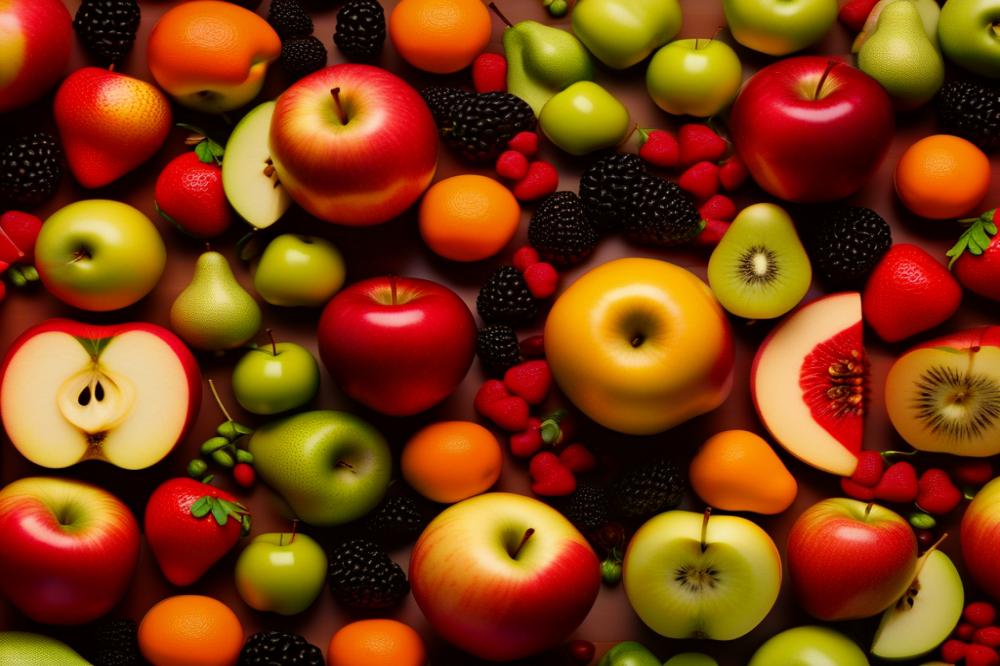
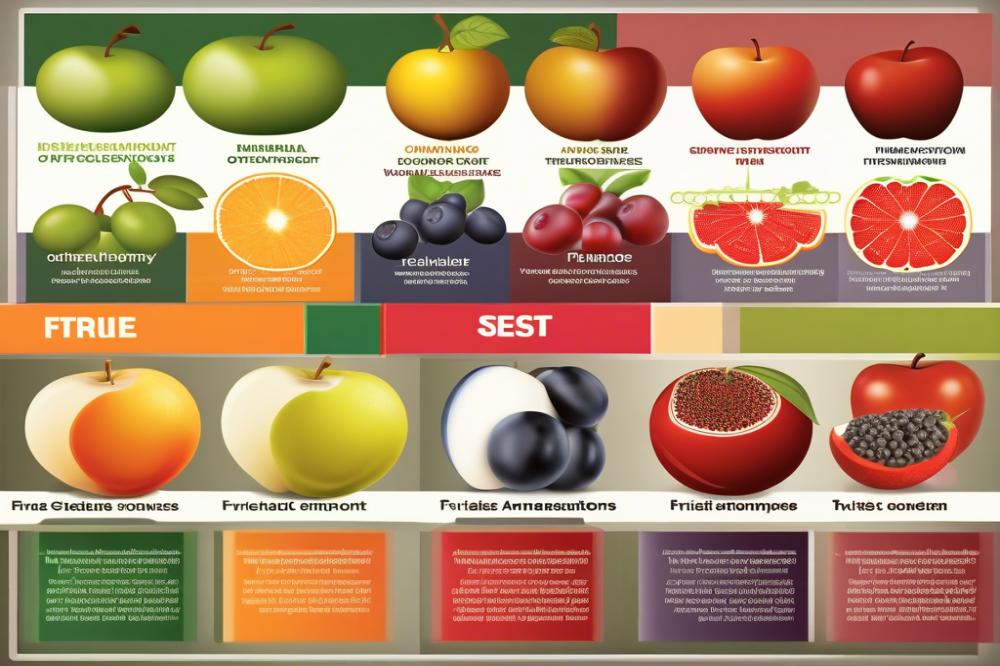
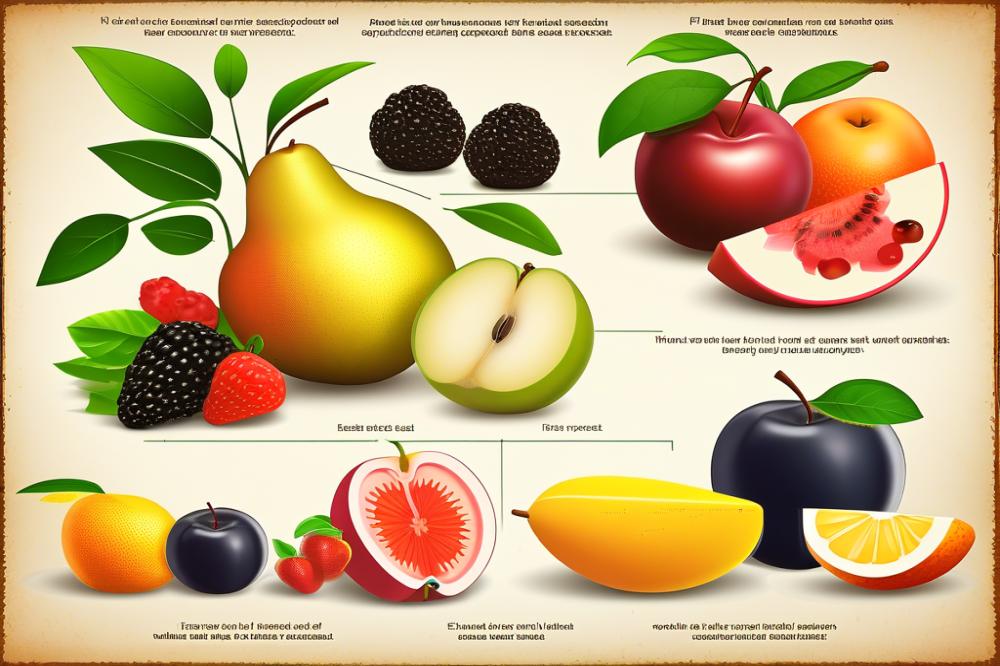
Fruits come in various forms, categorized into simple, aggregate, and multiple types. Simple fruits develop from a single ovary of one flower, like apples and cherries. Aggregate fruits arise from multiple ovaries of a single flower, which join together. Raspberries and blackberries are common examples. Multiple fruits form from the ovaries of several flowers clustered together, like pineapples and figs. Understanding these classifications helps us see how plants use different strategies for seed protection and dispersal.
Anatomical Features That Protect Seeds
Fruit structure significantly impacts how seeds are safeguarded. Thick skin can prevent animals and weather from harming seeds inside. The fleshy parts of fruits often serve to attract animals. These animal behaviors play a crucial role in dispersing seeds. Some fruits have hard shells, offering further protection. For example, the coconut’s tough outer layer helps the seed survive harsh conditions in water. Specialized structures, such as spines or hooks, may even help cling to animal fur, ensuring the seeds travel further.
The Relationship Between Fruit Type and Seed Protection Strategies
Different fruit types reveal varied seed survival strategies. Simple fruits, with their protective seeds enclosed, focus on direct dispersal. Aggregate and multiple fruits usually rely on animals for spreading seeds efficiently. Their design often entices a wide range of fauna to feed and subsequently disperse seeds. These interactions between fruits and animals create a cycle that benefits both parties. Pollination influences what type of fruit will develop, directly linking floral structures to subsequent seed fate.
Understanding these ecological interactions highlights the larger picture of how fruits function in nature. plant anatomy and fruit features are not mere details; they represent strategies for survival and reproduction in the plant kingdom. Ultimately, this intricate web connects all living things, showcasing how diverse and functional the world of fruits truly is.
Seed Dispersal Mechanisms
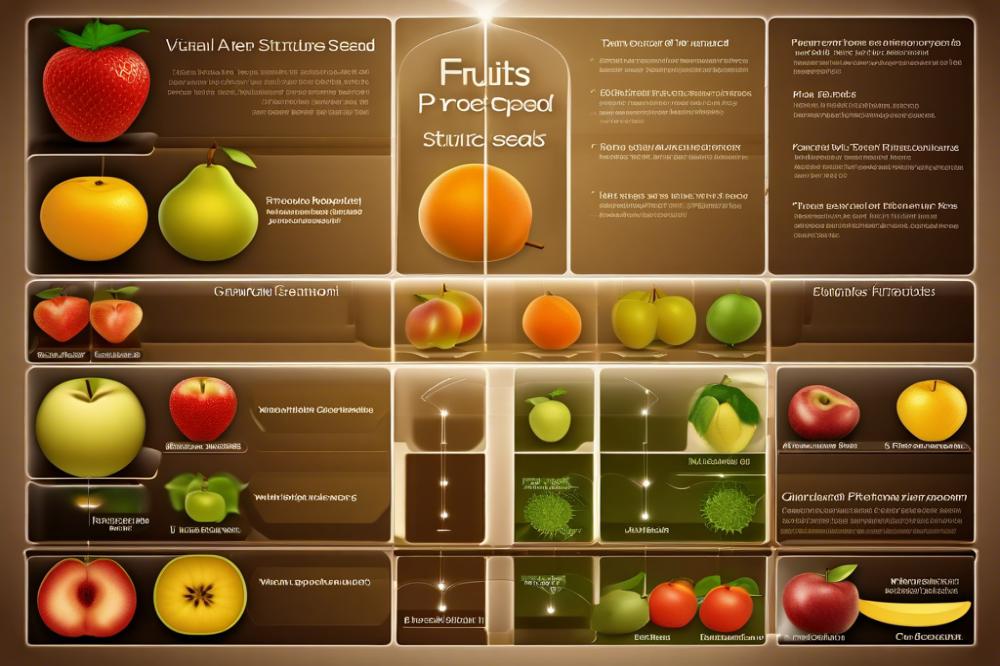
Various seed dispersal mechanisms play a crucial role in how plants reproduce and spread. Seeds must travel away from the parent plant to find new locations to grow. This method helps reduce competition among plants and encourages genetic diversity. Different strategies evolved in the plant kingdom, leading to diverse ways of spreading seeds.
Wind is one of the simplest and most common means of dispersal. Some seeds have adaptations that allow them to be carried by the breeze. For example, dandelion seeds have light, fluffy structures that aid in aerial travel. These tiny packages float effortlessly through the air, landing in distant places. Water also serves as a method for dispersing seeds. Many seeds are buoyant and can travel via rivers, streams, or ocean currents. Coconuts demonstrate this, as they can float over large distances, eventually washing up on new shores.
Animal behavior plays a key role in seed dispersal as well. Animals often eat fruits and, in turn, help spread the seeds. The fruit’s structure is vital for this process. Some fruits have thick skins that protect the seeds during digestion. Afterward, animals excrete the seeds, often in a different location. This method can lead to successful germination when the conditions are right. For instance, berries are frequently consumed by birds. The seeds inside are safe from harm, allowing for greater chances of survival.
Each fruit type has distinctive botanical features that contribute to seed dispersal strategies. Fleshy fruits, like peaches and apples, attract animals with their enticing colors and sweet flavors. These qualities encourage animals to consume them, aiding in the spread of seeds. Conversely, dry fruits, such as thistles, depend on wind for dispersal. Their lightweight design allows them to travel efficiently.
Fruit structures often evolve to maximize ecological interactions. Some plants might develop spiny or hard coatings to protect seeds from predators. Others produce seeds that require specific conditions for germination. This adaptation can ensure that seeds remain dormant until the right environment is available. Successful seed survival hinges on a variety of factors, including the dispersal method and environmental conditions.
Pollination also affects seed dispersal indirectly. Successful pollination leads to the formation of fruits, which carry seeds. Without pollinators, many plants wouldn’t produce fruit. Therefore, the relationships between plants and animals are vital in seed dispersal processes.
Understanding these mechanisms reveals the complexity of plant interactions within ecosystems. The fascinating relationships between fruit structure, seed dispersal, and survival demonstrate how plants adapt to their environments. Each strategy assists in the continuation of plant species and the overall health of the environment.
Ecological Interactions and Seed Survival
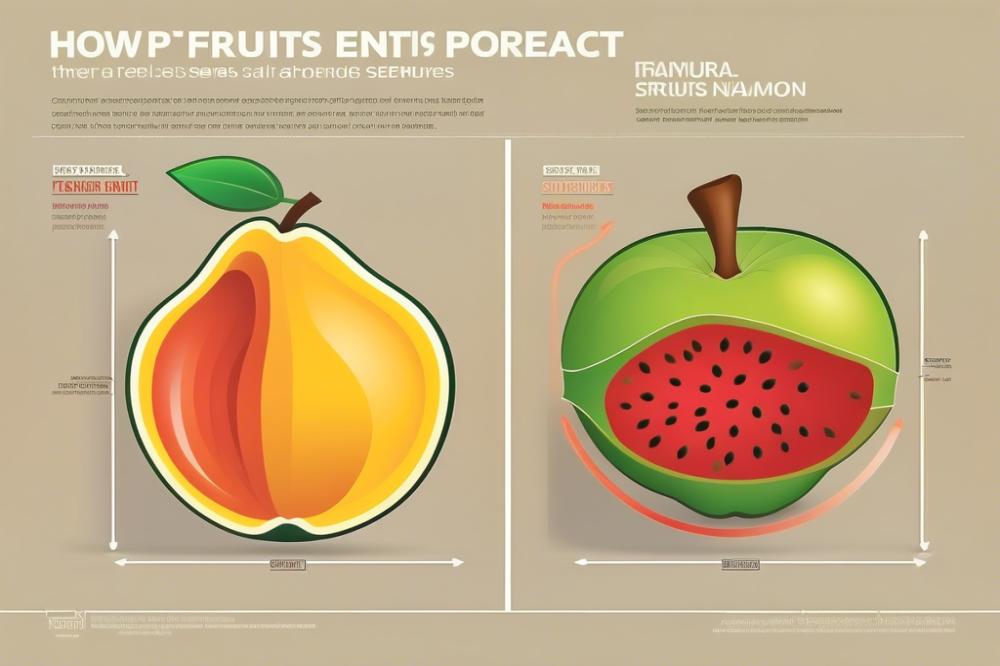
Ecological interactions play a crucial role in seed survival. The relationships between animals, plants, and their environments can often determine whether seeds thrive. When seeds drop to the ground, their fate hangs in the balance. Factors like weather, soil quality, and animal behavior all influence germination rates.
One of the most important aspects of these relationships involves mutualisms between plants and animals for seed dispersal. Many animals consume fruits, leading to a couple of beneficial outcomes. As animals enjoy the fruits, seeds often pass through their digestive systems unharmed. This journey can help to break down the hard outer layers, aiding in germination. Furthermore, the dispersed seeds find themselves in new locations where they can grow. This cooperation showcases the beauty of nature’s design.
Different fruit types have evolved various seed dispersal mechanisms. Bright colors, enticing scents, and sweet flavors attract animals. Some fruits are even designed to stick to the fur of animals. Such adaptations increase the likelihood of seeds spreading over wider areas. The diverse fruit structure contributes to the success of these plants.
The anatomy of fruit is essential for maintaining seed viability across various environments. Some botanical features, like thick skins or hard shells, protect seeds from harsh conditions. Environments can vary greatly, and the endurance of seeds depends on their protective structures. Each plant species has specific needs, and their fruits are adapted accordingly.
These interactions create a dynamic system where survival is a shared responsibility. Plants rely on animals for seed distribution, while animals benefit from nutritional resources. Understanding these complex relationships reveals the intricate web of life. It is a reminder that every element in an ecosystem relies on another for sustainability.
Germination and the Role of Fruits
The Germination Process and Its Relationship to Fruit Structures
Germination is the process where seeds begin to grow into new plants. Factors that affect this process often relate to how fruits are structured. Fruits serve as protective shells around seeds, safeguarding them from harsh environmental conditions. They create an optimal environment for seeds, allowing them to absorb water and nutrients. Plant anatomy plays a crucial role here. The outer fruit layers may retain moisture and provide a safe barrier against pests. Seeds that are encased in fleshy fruits usually have a better chance of germination due to humidity and warmth provided by the fruit itself.
Factors Influencing Germination Success Tied to Fruit Protection
Several factors contribute to a seed’s ability to germinate, and many of these connect back to the features of the fruit. Seed survival can be significantly influenced by how a fruit is designed. For example, some fruits fall directly to the ground when ripe, creating a suitable environment for seeds to take root. Others, such as berries, are eaten by animals. The seeds inside pass through their digestive systems unharmed. This interaction highlights an important relationship between fruits and animal behavior, aiding in seed dispersal mechanisms. Germination rates also increase when the seeds are protected from light by layers of fruit until the right conditions arise.
Case Studies of Fruits That Enhance Germination Through Specific Adaptations
Consider the avocado. Its large pit is encased in a nutrient-rich fruit that encourages seed dispersal by attracting animals. When deer or other creatures consume the fruit, they inadvertently plant the seed far from the parent tree. This case shows how fruit types can directly affect germination success. Another example is the coconut. Coconuts are equipped with water-resistant husks. This adaptation allows them to float on ocean currents, eventually washing ashore, where they can germinate.
In contrast, the burdock plant relies on its hook-like fruit structures to cling to animal fur or clothing. This ensures the seeds are carried away from the parent plant and dropped in new locations. Each fruit’s design enhances the plant’s survival, showcasing unique adaptations that bolster germination opportunities. These ecological interactions illustrate that fruits are not just for eating—they play essential roles in the life cycle of plants.
Animal Behavior and Pollination
The relationship between animal behavior and the structures of fruits is a fascinating topic in botany. Many plants have developed specific adaptations that encourage animals to interact with them. This interplay plays a crucial role in seed dispersal mechanisms, influencing how and where seeds are planted.
Fruits attract pollinators and seed dispersers in various ways. Bright colors, sweet aromas, and tasty flesh signal to potential helpers that they can find food. These botanical features draw in animals, from bees to birds, who unknowingly aid in the plant’s reproductive process. Such interactions often lead to a mutual benefit: plants get their pollen spread or seeds moved, while animals receive nourishment.
Take berries, for example. Their vibrant colors and juicy texture are specifically designed to lure birds and mammals. Once consumed, these animals carry the seeds in their digestive tracts. After a period, the seeds are excreted in a different location, often leading to successful germination. This method promotes seed survival in new environments, expanding the range of the parent plant.
Ecological interactions among plants and animals are essential for maintaining healthy ecosystems. Flowers, with their specific shapes, often cater to particular pollinators. This specialization leads to efficient pollination, ensuring that the process is more successful. Many flowering plants rely heavily on this to reproduce. Therefore, the structural design of their fruits directly connects to the behavior of the visiting animals.
In summary, animal behavior significantly influences fruit structures. Plants must evolve traits that are attractive to their specific pollinators. These adaptations create successful partnerships that help both plants and animals thrive. By understanding these interactions, we can appreciate the complexity of life and the essential roles each species plays.
Final Thoughts on How Fruits Protect and Spread Seeds
In summary, fruits play a vital role in protecting and spreading seeds. Their various structures, whether fleshy or dry, serve as a shield for developing seeds. This protection is crucial, allowing seeds to ripen safely and obtain necessary nutrients. Moreover, fruits attract animals through appealing colors and tempting flavors. When animals consume these fruits, they often carry seeds far and wide, dispersing them in new environments. This process is essential for ensuring that plants can grow in diverse habitats.
Understanding the different fruit structures enhances our knowledge of plant anatomy. Each type of fruit has evolved to fulfill specific needs in seed dispersal and protection. Some fruits open up and release seeds, while others remain intact until they are eaten. These adaptations have allowed plants to thrive in varied conditions and climates. Recognizing these mechanisms can spark interest and curiosity among students and researchers alike.
Biodiversity heavily relies on these intricate relationships between plants and their fruits. Healthy ecosystems depend on the successful dissemination of seeds. When certain fruit-bearing plants flourish, they provide food and habitat for numerous animal species. This interconnected web is fundamental to maintaining ecological balance. Therefore, studying fruits does not only reveal information about individual species but also about the broader environment.