What Makes a Stem So Strong: The Science Behind Plant Support
Every living plant comprises various parts that work together to sustain life. Understanding plant anatomy is crucial for grasping how these systems contribute to the overall health of vegetation. Among these parts, the stem plays a pivotal role. It acts as a conduit for transporting nutrients and water while also offering mechanical support to the plant. This functionality becomes vital, especially in challenging environments.
Delving into the mechanics of plant strength reveals fascinating insights. The stem’s structure often includes complex vascular tissues responsible for the transport of essential substances. lignin, a complex organic polymer, provides rigidity to cell walls, allowing plants to grow upright. This feature is crucial for maximizing exposure to sunlight, which is necessary for photosynthesis. The ability of a plant to harness light energy influences its growth patterns and overall vitality.
Mechanical support is not solely dependent on stem structure. Turgor pressure, created by water within plant cells, plays a critical role in maintaining the upright position of the stem. When environmental factors such as drought or extreme temperatures come into play, plants must adapt. They may develop thicker stems or alter their growth patterns to maintain stability and resist bending.
Exploring these interactions helps us appreciate the resilience of plants. Understanding how various components contribute to plant strength can lead to better agricultural practices. It can also influence methods for conserving endangered species. By investigating stem support mechanisms, researchers can devise strategies to help plants thrive despite adversity.
What Makes a Stem So Strong: The Importance of Plant Strength
Plant strength refers to the ability of a plant to maintain its structure and support itself against various forces in its environment. Strong plants have features that prevent damage during storms, high winds, or heavy rain. This strength is crucial for survival in diverse habitats.
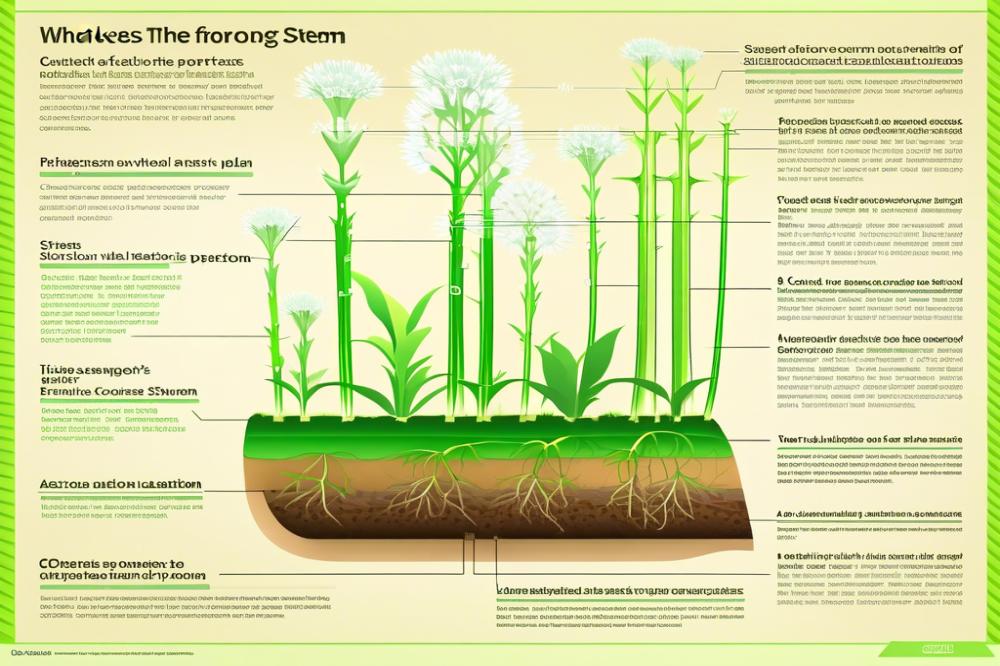
Stems play a vital role in supporting the overall structure of plants. They act as conduits for nutrients and water, thanks to specialized vascular tissues. These tissues, which include xylem and phloem, transport essential substances throughout the plant. Additionally, stems provide mechanical support. They hold up leaves, flowers, and fruits, allowing for optimal photosynthesis and reproduction.
Different Plant Species and Their Strength
When comparing various plant species, differences in strength become apparent. Some plants, like trees, possess thick stems laden with lignin, which is a tough compound found in the cell wall. Lignin adds rigidity, allowing them to grow tall and withstand environmental stress. Conversely, many herbaceous plants have softer, more flexible stems. Their growth patterns show adaptations for rapid growth and flexibility, enabling them to sway without breaking.
Environmental factors also affect stem strength. In areas with strong winds, plants may develop thicker, sturdier stems to resist damaging gusts. Certain climates encourage a balance of turgor pressure within plant cells, contributing to overall strength. Thicker cell walls assist in holding the structure up under pressure while allowing for the necessary movement.
In summary, plant anatomy reveals the intricacies behind stem strength. The interplay of vascular tissues, lignin, and structural adaptations creates a fascinating view of how plants have evolved to thrive. Observing different species illustrates the range of strategies that plants use to stay upright and grow effectively.
The Role of Vascular Tissues
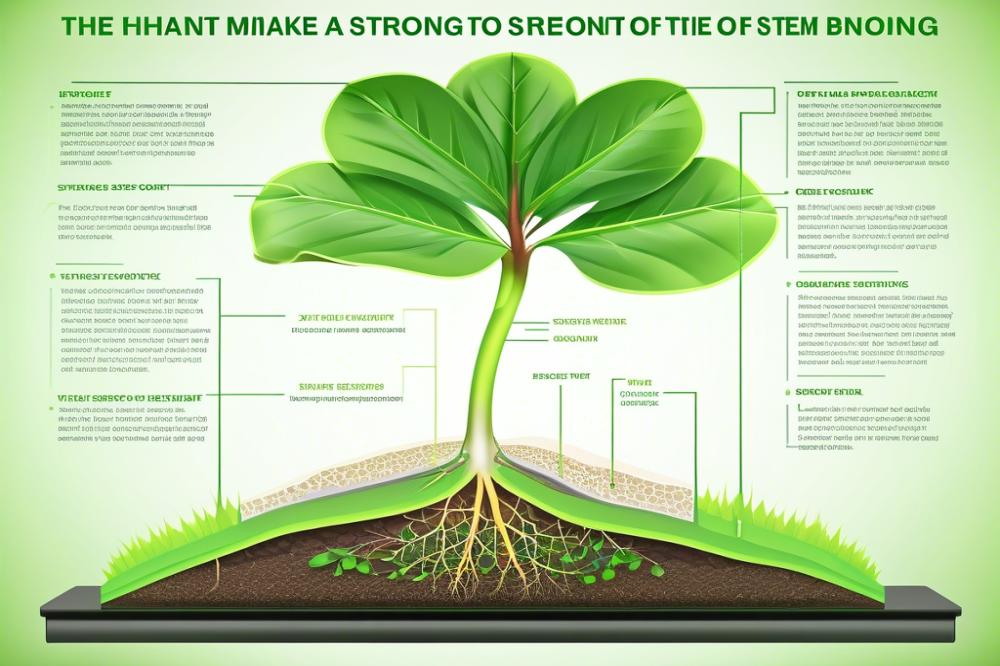
Vascular tissues are critical components in plants, especially in stems. These tissues consist of two main types: xylem and phloem. Xylem primarily transports water and minerals taken from the soil. Phloem, on the other hand, distributes the sugars produced during photosynthesis throughout the plant. This transport system is vital for a plant’s survival.
Both xylem and phloem enhance a plant’s mechanical support. The xylem cells are often reinforced with lignin, a strong polymer that gives rigidity to the cell walls. This added strength helps stems resist bending and breaking. As water moves through the xylem, it creates turgor pressure that pushes against the cell walls, further aiding structural stability.
Plant anatomy reveals how the arrangement of these vascular tissues plays a role in supporting growth patterns. In many species, xylem lies towards the center of the stem, while phloem resides just beneath the outer bark. This architecture not only allows efficient transport of nutrients but also provides a sturdy backbone to the stem. Specific environmental factors can influence how vascular tissues develop, adapting their strength according to needs.
The interplay between vascular structure and stem strength is fascinating. A plant’s ability to grow tall or spread wide often depends on the balance between xylem for stability and phloem for nourishment. When conditions are optimal, such as in abundant sunlight, the stem can achieve remarkable heights. In contrast, if a plant faces stress, it may alter its growth patterns to protect its structural integrity.
Understanding vascular tissues helps us appreciate how plants thrive in their environments. Different species exhibit varying strategies in using these tissues for support. Whether through robust xylem vessels or robust growth adaptations, vascular tissues play an essential role in a plant’s overall health and stability.
Lignin and Cell Wall Composition
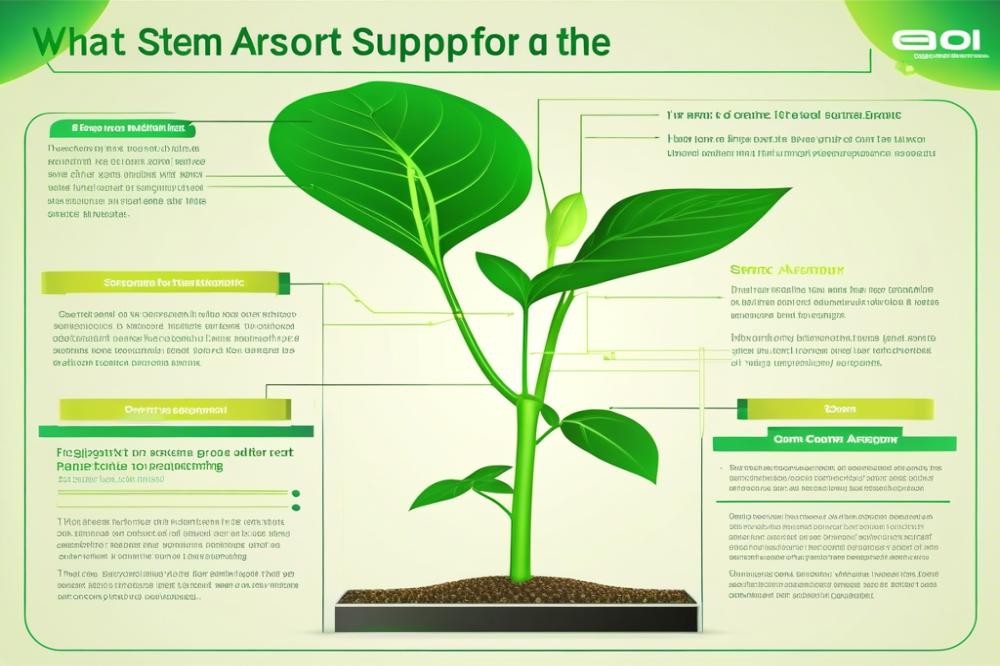
Lignin is a crucial component in the structure of many plants. It plays a multifaceted role that goes beyond mere support. Lignin forms a large part of the cell wall, contributing to the rigidity found in various plant tissues. This complex organic polymer offers strength and resistance to decay. Without lignin, plants would struggle to maintain their upright posture and overall integrity.
The cell wall itself is an intricate structure made up of several layers. Composed of cellulose, hemicellulose, and pectin, it provides a strong framework for the plant. Vascular tissues, which include xylem and phloem, are embedded within these walls. Together, they allow for the transport of water and nutrients. These functions are vital for processes like photosynthesis, where plants convert sunlight into energy.
Lignin and cell wall properties are interdependent when it comes to providing mechanical support. The rigidity of lignin helps to fortify the cell walls against various environmental factors. For instance, heavy rain or wind can stress plants without sufficient strength, leading to bending or breaking. A strong cell wall, reinforced by lignin, helps plants withstand these pressures while maintaining turgor pressure, which contributes to their overall structure.
Growth patterns in plants also depend heavily on these components. As a plant matures, its stem thickens, allowing for greater support. Lignin accumulation occurs over time, enhancing the stem structure and enabling it to support larger leaves and flowers. This structural enhancement is not just essential for stability; it helps other systems within the plant function effectively as well.
Plant anatomy illustrates that not all plants have the same composition in their cell walls. Grasses, for example, contain less lignin than hardwood trees. Nevertheless, each has adapted to its environment based on its strength requirements. In the end, the interaction of lignin and various cell wall compositions plays a pivotal role in a plant’s ability to thrive in its surroundings.
The Impact of Turgor Pressure
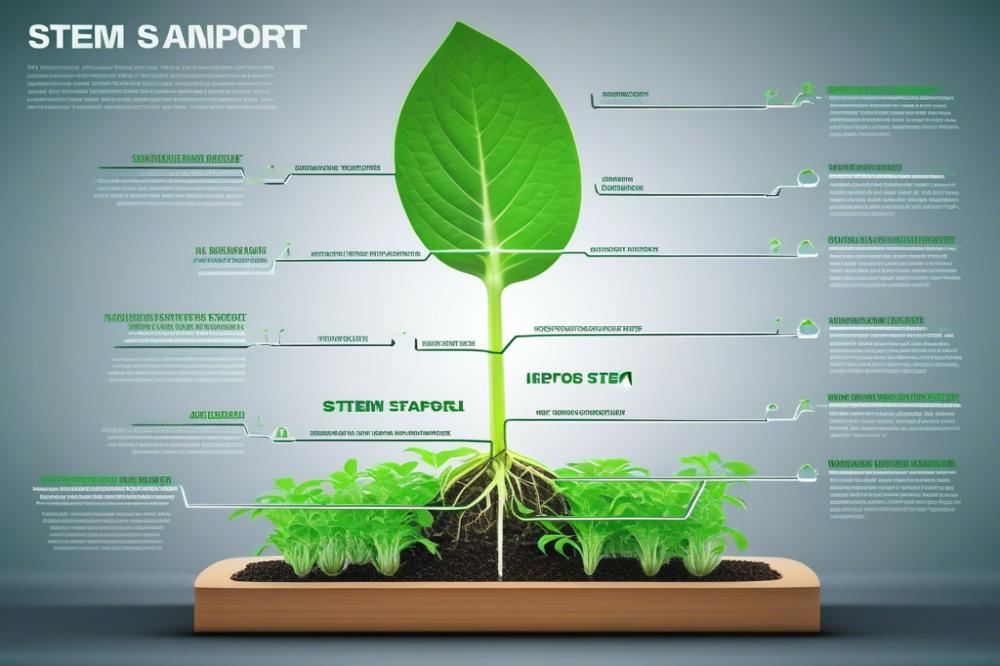
Turgor pressure is an essential concept in plant biology. It refers to the pressure exerted by the fluid (mainly water) inside plant cells against the cell wall. Each cell contains a large central vacuole filled with water, which pushes against the surrounding cell wall. This creates a force that keeps the plant firm and upright.
The relationship between turgor pressure and stem rigidity is significant. When turgor pressure is high, cells swell and push against each other. This internal pressure is crucial for maintaining the structure of the stem. A robust stem can support branches and leaves, allowing the plant to position itself optimally for light during photosynthesis. Without adequate turgor pressure, stems can become limp and may even collapse.
Water regulation plays a vital role in maintaining this pressure. Plants absorb water through their roots from the soil. As environmental factors like temperature and humidity change, water loss can occur through transpiration. When water is scarce, turgor pressure drops, leading to wilting. Engaging in this balance is critical for plant anatomy and health. Efficient vascular tissues conduct water throughout the plant, ensuring cells maintain the right amount of turgor.
Lignin, a complex organic polymer, offers additional mechanical support. While turgor pressure contributes to rigidity, lignin reinforces the cell wall. This combination allows stems to grow tall and strong, following unique growth patterns suited to their environment. In a way, the interplay of water regulation, turgor pressure, and structural components like lignin creates a resilient plant structure.
Growth Patterns and Adaptations
Plants grow in different ways based on their environments. Growth patterns can influence how strong a stem becomes. For many plants, height can provide an advantage. Taller plants may reach more sunlight, which is essential for photosynthesis. This process enables them to produce food and energy.
Understanding the differences between dicots and monocots is crucial. Dicot stems, like those of sunflowers and oak trees, often have a complex structure. They feature vascular tissues arranged in a ring. This arrangement provides better mechanical support compared to monocots. In monocots, such as grasses, vascular tissues are scattered throughout the stem. This can create a more flexible stem. Flexibility is helpful in windy conditions.
Adaptations play a significant role in the strength of a plant’s stem. Environmental factors can shape how plants develop their structures. For instance, plants in dry areas may develop thicker cell walls. Lignin, a substance that adds stiffness, is more abundant in these plants. It helps them withstand harsh conditions.
Turgor pressure is another essential aspect. This pressure comes from water stored in the plant’s cells. When a plant has ample water, the cells expand. A well-hydrated plant stands tall and strong, with its stem supporting weight efficiently. Without enough water, stems can weaken and bend. Setting a good foundation is crucial in a plant’s overall structure.
Many plants show unique adaptations to survive and thrive where they grow. Some develop larger stems to store nutrients during dry spells. Others create specialized structures that improve support in rocky or unstable soil. Each adaptation is a response to specific environmental challenges. Collectively, these characteristics contribute to the robust design of plant anatomy.
Mechanical Support: Structural Reinforcement
Understanding the mechanics of plant stems reveals much about their strength. Stems play a crucial role in supporting the plant structure. They carry leaves, flowers, and fruits, making stability essential for survival. This stability comes from various systems in the plant’s anatomy, particularly vascular tissues.
Vascular tissues comprise xylem and phloem. Xylem helps transport water and minerals, while phloem distributes nutrients. Together, they create a support system that withstands different forces. Lignin is a vital component found in the cell wall of many plants. This organic polymer adds rigidity and strength to the stem. Therefore, a stem rich in lignin can resist bending and breaking under pressure.
Additionally, turgor pressure significantly contributes to the mechanical support of a plant. This pressure results from water filling the plant’s cells, pushing against the cell wall. When a plant is well-hydrated, turgor pressure increases, making the stem firm and upright. Without enough water, however, stems can droop, highlighting the importance of hydration for structural integrity.
Different stem structures provide varying levels of support depending on their environment. For instance, some plants evolve a thicker stem in windy areas. Others may display a more flexible structure to adapt to their surroundings. These growth patterns demonstrate how plants can respond to environmental factors while adapting their mechanical support systems.
The orientation of a stem also plays a key role in strength. Stems that grow vertically can capture more sunlight, enhancing photosynthesis. Meanwhile, branching allows a plant to distribute weight and reduce stress on a single point. The design of each branch and stem configuration leads to a unique method of supporting the entire organism.
In summary, stem structure is crucial for mechanical support in plants. By examining vascular tissues, lignin, and turgor pressure, it becomes evident how these elements work together. Each part aids in reinforcing the plant against various challenges in its environment.
Environmental Factors Influencing Stem Strength
Environmental factors play a crucial role in the strength of a stem. Sunlight is essential for photosynthesis, which helps plants grow. Without adequate light, a plant may stretch towards the sun, resulting in weaker stems that cannot support their weight.
Wind is another significant factor. In areas with high winds, plants tend to develop thicker stems. This is a response to mechanical stress. When a plant sways back and forth, it learns to reinforce its stem structure. The cells adapt by producing more vascular tissues, which adds to the overall sturdiness.
Soil quality also affects a plant’s ability to maintain strong stems. Nutrient-rich soil supports healthy growth patterns. If soil lacks essential nutrients, plants may struggle to develop lignin, a substance that hardens cell walls and provides necessary structural strength. Consequently, without proper nutrients, a plant’s stem may become fragile.
Plants can adapt to various environments in different ways. For example, those in rocky terrains often develop shorter, thicker stems for stability. This adaptation minimizes the risk of damage during strong winds. Over time, these adaptations become a part of the plant anatomy, inherited by future generations.
Mechanical support is vital for taller plants. Unique structural designs allow them to withstand pressure from external forces. By enjoying consistent access to sunlight and hydration, plants maintain turgor pressure within their cells. This internal pressure keeps cells firm and supports overall plant structure.
Different species exhibit various growth responses to environmental challenges. Some may thicken their stems in response to harsh conditions, while others might develop deeper root systems. Considering these factors is key to understanding how plants thrive despite their surroundings.
Wrapping Up: Understanding Stem Strength and Support
In summary, the strength of a stem is a fascinating topic that reveals much about the inner workings of plants. Factors such as cell structure, vascular tissues, and the presence of lignin all contribute to how a plant stands tall and resists external forces. The types of cells found in a stem play a crucial role. They provide both support and transport of nutrients, allowing plants to thrive.
Understanding plant anatomy is vital for anyone interested in plant health. A healthy stem not only supports a plant’s physical structure but also aids in its ability to transport water and nutrients. This dual functionality is key for growth and resilience. As we learn more about these aspects, we can better appreciate the complex relationships within ecosystems.
Looking ahead, future research could explore various angles. Scientists may study how environmental factors affect stem robustness. They might also investigate the genetic basis for strength in plants. Such studies could lead to improved agricultural practices or new methods for enhancing plant resilience against challenges like climate change.
Overall, a deeper grasp of how stems support plants can open doors to innovative solutions in the fields of botany, agriculture, and environmental science. The intricate dance of biology within stems is a reminder that even the most straightforward structures have complex stories to tell.