Introduction
Tarragon holds a special place in herb gardening. This herb is known for its distinct flavor and aroma. It can elevate many dishes, making it a staple for cooks and home chefs alike. As a perennial herb, tarragon can thrive for several years, returning season after season with proper care and attention.
Understanding how to provide tarragon maintenance during colder months is essential. Winter can be challenging for many plants, particularly in regions that experience frost and snow. During this time, gardeners need to focus on winter protection strategies to keep their tarragon healthy. Such strategies can include mulching tarragon, tarragon pruning, and other methods that shield the plant from harsh conditions.
Caring for tarragon indoors can also be effective when outdoor temperatures drop. Cold climate gardening presents unique challenges, but with the right steps, your tarragon can survive and flourish. Harvesting tarragon in the fall is usually the last chance before winter hits, so planning ahead is crucial. Knowing how to manage winter tarragon ensures a successful start when spring arrives.
Understanding Tarragon
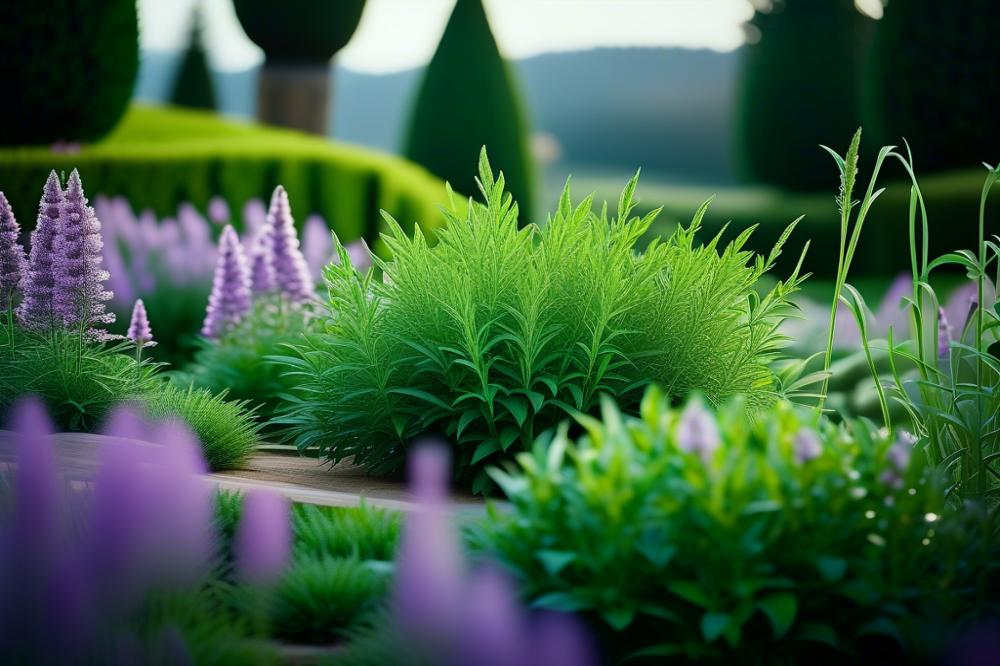
Tarragon is a fragrant herb known for its distinct flavor. It belongs to the family of perennial herbs, which means it can come back year after year. This culinary delight thrives in well-drained soil and prefers a sunny spot in the garden. Its leaves are long and slender, with a deep green color. When crushed, tarragon releases a sweet aroma reminiscent of anise. That unique scent makes it a favorite among chefs and home cooks alike.
Characteristics of Tarragon
This herb can grow quite tall, reaching heights of around 2-3 feet. Its growth habit is bushy, with elegant stems that can support clusters of leaves. The foliage remains vibrant throughout the growing season but may show signs of stress in extreme temperatures. In ideal conditions, it will produce tiny yellowish-green flowers in late summer. However, most gardeners focus on harvesting the leaves rather than the blooms.
Different Types of Tarragon
There are two main types of tarragon: French tarragon and Russian tarragon. French tarragon is more popular in cooking due to its richer flavor. It has a smooth texture and is often used in dressings and sauces. On the other hand, Russian tarragon has a milder taste and can be more invasive in the garden. Some gardeners opt for Russian over French due to its hardiness. For those in cold climate gardening, Russian tarragon can withstand lower temperatures better.
Benefits of Growing Tarragon
Growing tarragon offers several advantages for herb gardening enthusiasts. This herb specializes in adding a delicious kick to a variety of dishes. Because tarragon thrives in sunny spots, it also attracts beneficial insects that can help your garden flourish. Additionally, tarragon is relatively low-maintenance, making it an ideal choice for beginners. Proper tarragon maintenance includes regular pruning to promote new growth. In colder months, frost protection methods are essential for preserving the plant’s vitality. Mulching tarragon helps insulate the roots and keeps moisture levels stable during winter.
Furthermore, tarragon harvests can begin in early spring, providing fresh leaves for cooking all season long. Some home chefs enjoy drying the leaves for use throughout the year. Indoor gardening can also be a perfect way to enjoy tarragon even during harsh winters. Having a pot on the kitchen windowsill allows for easy access to this flavorful herb while being sheltered from the elements.
Preparing for Winter: Essential Tarragon Maintenance

Before winter arrives, it’s crucial to assess the health of your tarragon plants. Take a close look at the leaves and stems for any signs of disease or pests. Healthy plants will usually have vibrant green leaves and sturdy stems. If you notice any wilting or discoloration, it might be time to make some changes.
Suggested Tarragon Pruning Techniques
Pruning is one of the most effective tarragon maintenance methods. Begin by cutting back any dead or dying stems. This helps focus the plant’s energy on strong, healthy growth. Aim to trim your tarragon to about six inches above the ground. This encourages new growth while protecting the roots.
When pruning, use clean, sharp shears. This prevents the spread of disease. You might also want to remove flowers if any have formed. Flowers can take energy away from leaf production, and tarragon is valued for its flavorful leaves rather than its blooms.
Importance of Tarragon Harvest Before Frost
Harvesting tarragon before the frost sets in is essential for any herb gardening enthusiast. Once temperatures drop, the flavor of the leaves can decrease significantly. Gather the leaves as the days get cooler and before a hard freeze is expected. This ensures that you enjoy the full flavor of your tarragon during the colder months.
If you have plenty of tarragon, consider drying or freezing the leaves. This way, you can enjoy this aromatic herb well into winter. By preparing now, you can savor the taste of fresh tarragon in your indoor cooking even when the weather is chilly outside.
Additional Winter Protection Techniques
Mulching tarragon can provide an extra layer of frost protection. Apply a thick layer of organic mulch around the base of the plants. This insulation helps keep roots warm and moist. It also reduces weed growth, allowing your tarragon to thrive. In cold climate gardening, these small adjustments can make a big difference.
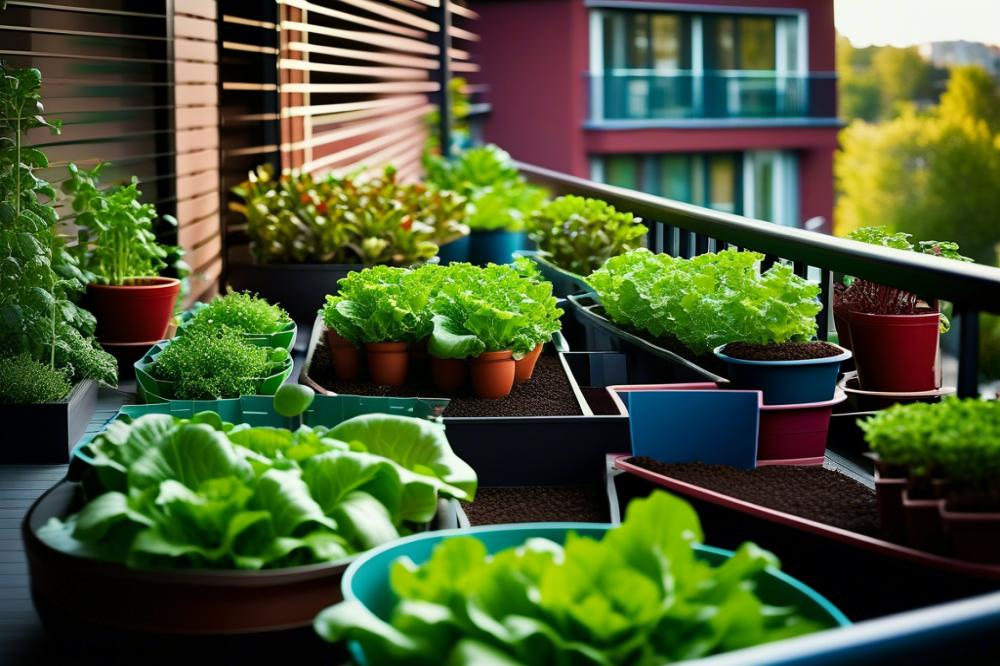
Consider bringing pots of tarragon indoors if you live in a region with harsh winters. Indoor gardening allows you to maintain some of your herb garden’s vibrancy despite the cold outside. Place the pots in a well-lit area to keep them healthy through the months of frost.
Winter Protection Techniques

Caring for perennial herbs like tarragon during the winter months requires some thoughtful strategies. Cold weather can be harsh on plants, especially in areas with severe winters. Taking steps for winter protection can greatly improve the survival of your tarragon. There are several techniques to keep your herbs thriving despite the chill.
Mulching Tarragon to Retain Moisture and Warmth
One effective method is mulching. Applying a layer of organic material around the base of the tarragon plants helps trap moisture. This also provides insulation against freezing temperatures. Materials like straw, leaves, or shredded bark work well. Spread the mulch a few inches deep, covering the soil but avoiding contact with the stems. This practice not only maintains warmth but also enriches the soil as the mulch breaks down over time.
Using Frost Protection Methods to Shelter Tarragon Plants
Frost can damage delicate herb leaves, making tinkering with frost protection quite important. Gardeners can use row covers or cloches as shields against frigid air. These coverings create a microclimate that is often warmer than the surrounding atmosphere. When temperatures drop, simply place these protective layers over your tarragon. Alternatively, for those involved in indoor gardening, moving potted tarragon indoors can be an option. Placing them in a bright spot allows for continued growth during winter. If planting directly in the ground, consider shaking off snow or frost each morning. This helps prevent damage from heavy weights.
Careful tarragon maintenance during the colder months often involves tarragon pruning. You may want to trim back any brown or damaged growth early in the season. This encourages new growth when spring arrives. By addressing these needs, you’re setting the stage for a successful tarragon harvest come warmer weather.
Indoor Gardening for Tarragon

Advantages of Moving Tarragon Indoors During Winter
Moving tarragon indoors benefits both the plant and the gardener. First, indoor gardening provides frost protection, keeping your herbs safe from harsh outdoor temperatures. Additionally, growing tarragon inside allows for a longer harvest season. On cold nights, a cozy spot inside means fewer worries about frost damage. Indoor herbs can thrive when cared for properly, which makes winter gardening a rewarding experience; this is especially true for perennial herbs like tarragon.
Best Practices for Indoor tarragon care
Caring for tarragon indoors involves a few key practices. Pruning the plant helps keep it healthy and promotes bushy growth. Keep an eye out for any signs of disease or pests while you maintain your tarragon. Choose containers with proper drainage to prevent root rot. Water it carefully, as tarragon prefers slightly dry conditions between waterings. Regularly check the soil moisture and adapt your watering schedule to match the indoor climate.
Ensuring Adequate Light and Humidity Levels
Providing sufficient light is crucial for your indoor tarragon. Ideally, place the pot by a south-facing window where it can soak up direct sunlight for several hours each day. If natural light is limited, consider using grow lights to supplement. Maintaining humidity is also important for healthy growth. Indoor air can become quite dry during winter months. To increase moisture, you might mist the leaves or use a humidity tray filled with water and pebbles beneath the pot. These small adjustments can lead to thriving herb gardening within your home.
Cold Climate Gardening Strategies
Caring for tarragon in colder climates requires some thought and planning. Start by selecting a good location for your tarragon in winter. A sunny spot can help keep the plants warm. South-facing areas often work best, as they receive ample sunlight. This will aid in tarragon maintenance during chilly months.
Frost protection is critical. Consider using floating row covers to shield the plants from harsh frost. These covers can trap heat and keep your herb gardening efforts intact. Moreover, mulching tarragon with straw or shredded leaves adds an extra layer of insulation. It protects the roots from freezing temperatures and helps retain moisture.
Consider creating microclimates around the plants. Microclimates are areas that have slightly different conditions than the surrounding environment. Planting tarragon near a wall or large rocks can provide warmth. These structures absorb heat during the day and release it slowly at night, which is beneficial for your herbs.
Caring for tarragon also involves pruning before winter sets in. Trim back any dead or yellowed leaves in late fall. This allows new growth to emerge in the spring while preventing decay. Indoor gardening can be an option as well. If you worry about frost, bring potted tarragon indoors to continue thriving. Even a sunny windowsill can provide the right conditions.
Finally, monitor the weather closely. Watch for temperature drops and adjust your winter protection strategies accordingly. In regions with severe cold, covering the soil with mulch becomes more important. Each step contributes to the success of your tarragon harvest when spring arrives.
Final Thoughts on Winter Care for Tarragon
Taking care of tarragon during the winter months requires understanding its specific needs. Protecting this flavorful herb from harsh conditions is crucial for its survival. Remember, mulching helps shield roots from freezing temperatures while potting can make moving it indoors easier. Be mindful of watering; too much moisture can lead to root rot. Following these simple steps can keep your tarragon thriving even when the weather is unkind.
Gardeners are encouraged to explore the many possibilities of cultivating tarragon. It’s a unique addition to any herb garden, offering distinctive flavors that enhance a variety of dishes. Trying out different varieties, such as French or Russian tarragon, could lead to exciting new flavors in your culinary creations. Experimenting with tarragon not only adds to your gardening repertoire but also expands your cooking skills.
This herb boasts resilience, making it a valuable part of any garden. Perennial herbs like tarragon bring beauty and utility to any landscape. They require attention but reward you with lush growth and a rich taste for your recipes. So don’t hesitate to invest time in this herb. With proper care, tarragon can thrive, giving you joy and flavor all season long.