Introduction
Planting Dill in herb gardens offers numerous advantages. This aromatic herb attracts various Beneficial Insects, fostering a balanced ecosystem in your garden. Alongside its culinary uses, dill can help create a lush setting that supports wildlife and encourages healthy plant growth.
Many gardeners seek ways to enhance their plants’ resilience. By introducing flowering dill, you invite pollinators like bees and butterflies. These garden insects play a crucial role in ensuring effective pollination. The presence of beneficial bugs can also help control pest populations, reducing the need for chemical interventions.
Supporting organic gardening practices leads to a healthier environment. By focusing on natural methods for pest control, you can maintain a thriving garden. This approach benefits not just your plants but also the overall ecosystem. Many gardeners find that incorporating easy herbs like dill creates a dynamic and fruitful herb garden.
Exploring dill companion planting can optimize growth and attract even more useful creatures. As the dill plants flourish, they provide nectar and habitat for vital insects. This natural strategy can lead to more robust plants and better yields. Ultimately, adopting these practices can transform your gardening experience into a harmonious partnership with nature.
Planting Dill
Choosing the right location for dill in your garden
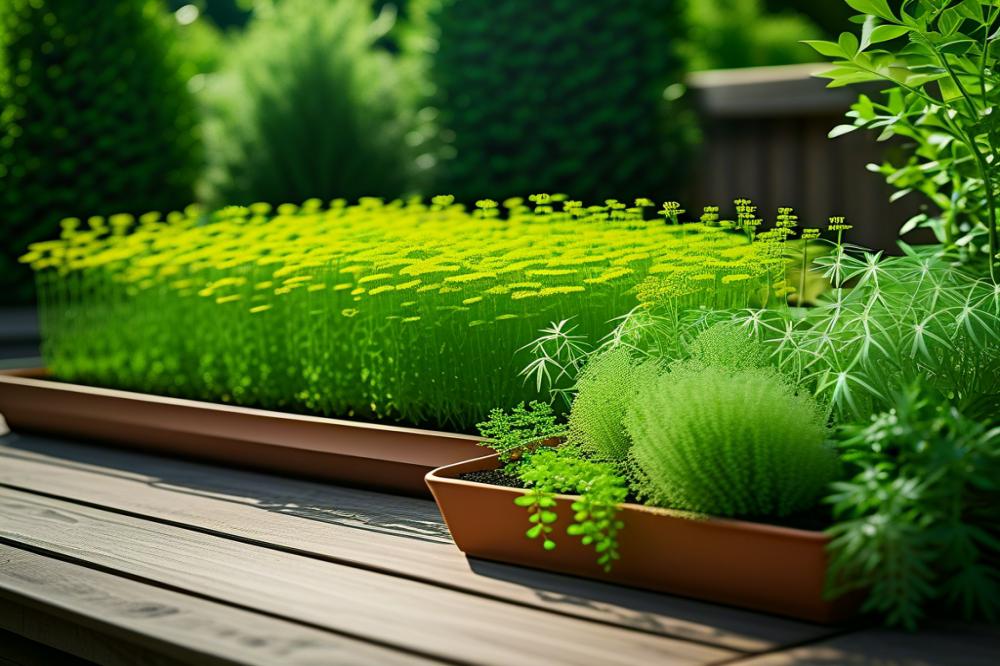
Dill thrives in locations that receive full sunlight for at least six hours a day. Look for a spot that is away from tall plants, which can cast shadows. Good air circulation is important to prevent diseases. Planting in a sunny area will help attract pollinators and provide a healthy environment for growth. Think about placing dill near your vegetable patch or herb garden for the best effect.
Soil preparation and requirements for optimal growth
Soil should be well-drained and rich in organic matter. Consider mixing compost into the soil to boost nutrients. Dill prefers a pH level between 5.5 and 6.7, so testing the soil can be helpful. Good drainage helps avoid root rot, which can be detrimental to young plants. Adequate moisture is essential, but avoid waterlogging the area where you plant.
Best time to sow dill seeds and seedling care
The ideal time to sow dill seeds is in the spring after the last frost, or in early summer. If you live in a warmer area, you might also try a fall planting. Once seeds are sown, keep the soil moist until they germinate. Thin seedlings as they grow to avoid overcrowding, allowing enough space for each plant to develop. Remember, flowering dill not only enhances your garden’s beauty but also attracts beneficial bugs.
dill companion planting: pairing with other herbs and plants
Pairing dill with other herbs can promote healthy growth and deter pests. Rosemary, basil, and cilantro are good companions that will enhance the overall health of your herb garden. Companion plants help with pest control as they may repel unwanted garden insects. Dill’s tall, feathery leaves create an inviting space for Beneficial Insects. They thrive when planted near vegetables like cucumbers and cabbage, making a unique combination in your organic gardening efforts.
Flowering Dill and Beneficial Bugs
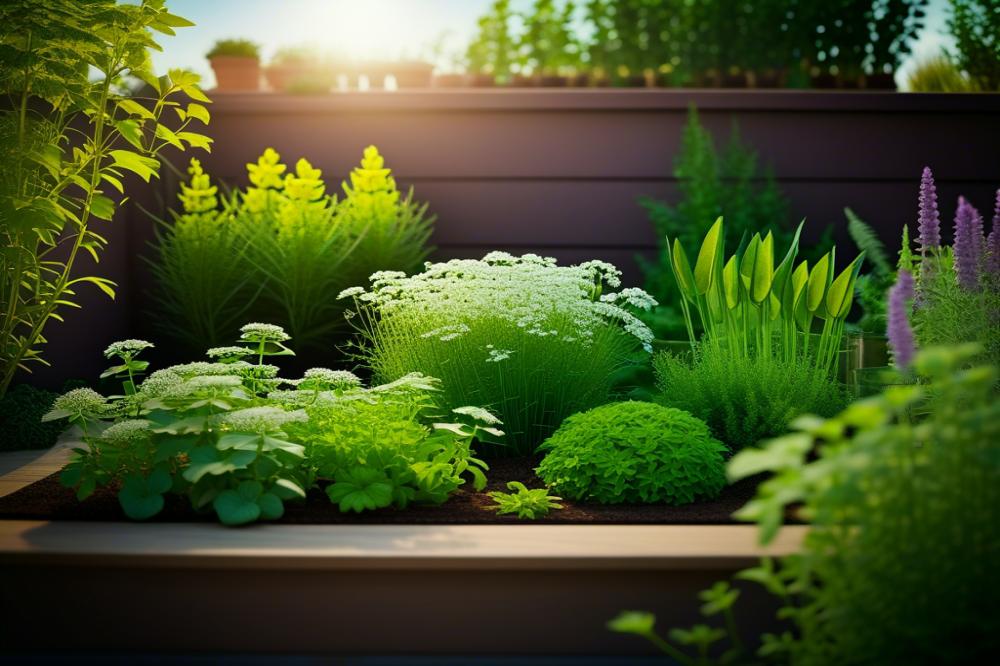
Dill is not just a flavorful addition to your kitchen; it’s also a vital part of a healthy ecosystem in your garden. This herb draws many beneficial bugs, particularly when it flowers. Understanding how flowering dill interacts with garden insects can enhance your organic gardening efforts. When in bloom, dill presents an inviting landscape for many small creatures.
Understanding the Relationship Between Flowering Dill and Garden Insects
Garden insects have their preferences. Many are drawn to flowering plants, and dill is one of their favorites. The flowers provide a nectar source that sustains them. In return, these insects can help with pollination. This mutual relationship is essential for a thriving herb garden.
Identifying Beneficial Bugs Attracted by Dill Flowers
Among the beneficial bugs that visit dill flowers are ladybugs, lacewings, and parasitic wasps. Ladybugs help decrease aphid populations, which can harm other plants. Lacewings feed on a variety of pests, including spider mites. Parasitic wasps target undesirable insects as part of their lifecycle. Notably, these bugs contribute to effective pest control in your garden.
The Role of Dill in Supporting Pollinators
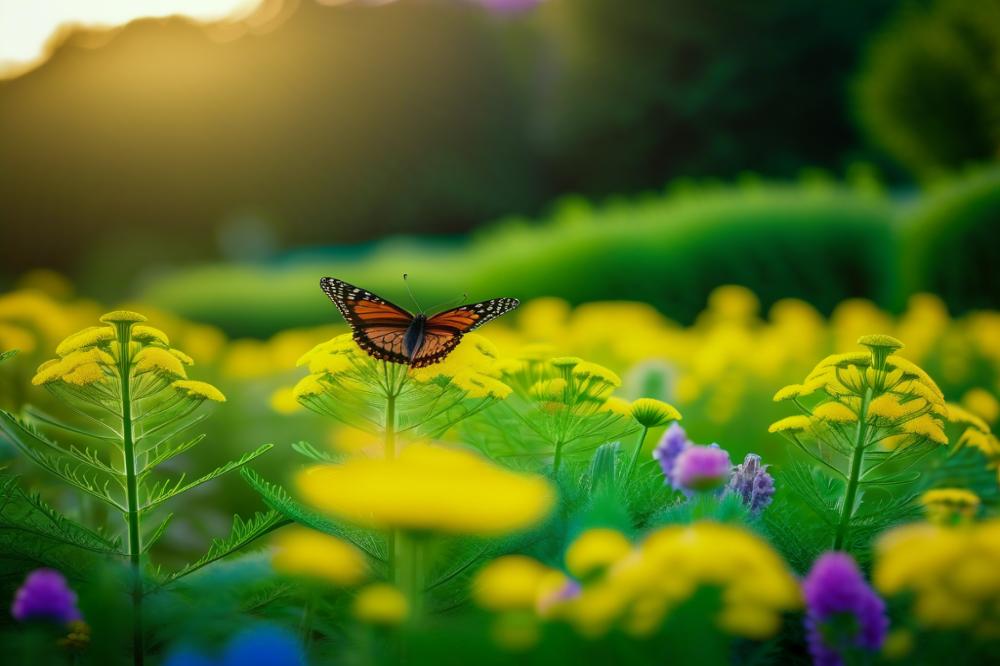
Dill flowers are especially attractive to pollinators, such as bees and butterflies. Planting dill companion plants can dramatically increase pollinator activity. Bees, attracted by the fragrant blooms, are pivotal in fertilizing many plants. By supporting these pollinators, dill fosters biodiversity in the garden.
Strategies to Encourage Flowering and Sustained Growth of Dill
To promote flowering dill, consider a few simple dill growth tips. Healthy soil rich in organic matter is vital. Regular watering also helps keep the plants vibrant. Planting dill in a sunny spot ensures good sunlight exposure. Additionally, letting some dill go to seed allows you to have a steady population of beneficial bugs. With carefully timed planting and consistent care, you can have flourishing dill plants that attract numerous garden insects.
Dill Growth Tips
Optimal Watering and Sunlight Conditions
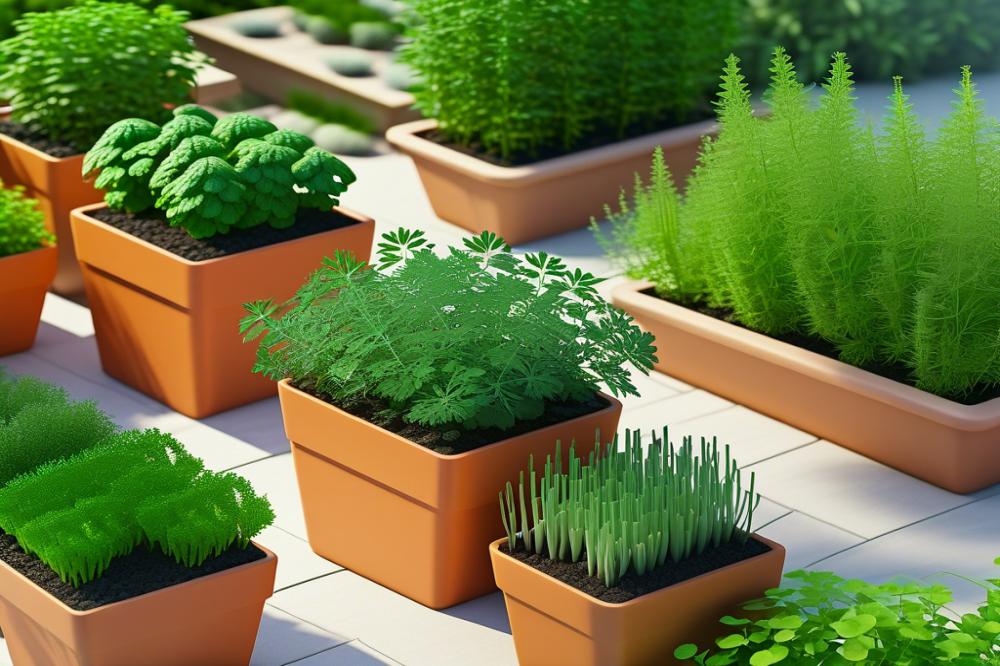
Dill plants thrive in full sunlight. Aim for at least six hours of direct sunlight each day. This makes them ideal for a sunny corner of your herb garden. Keep the soil consistently moist, but not soggy. Watering deeply is better than frequent light sprays. Try to check the soil’s moisture level by sticking your finger in; it should feel damp about an inch below the surface. During dry spells, increase your watering frequency. Strong dill plants will not only benefit your meals but will also attract pollinators.
Common Pests and Diseases Affecting Dill
Several pests can bother dill, including aphids and spider mites. To manage these garden insects, use a gentle insecticidal soap or neem oil. Understanding the signs of these pests can help prevent bigger issues. Fungal diseases like powdery mildew often affect dill, especially in humid conditions. Good airflow around plants helps prevent this problem. Keep an eye on the health of your dill. Healthy plants can better withstand the challenges of pests and diseases.
Harvesting Dill for Culinary Use
Harvesting dill is quite simple. Use sharp scissors to take off the leaves or flowers. Pick only a few sprigs at a time to ensure the plant remains healthy. This practice promotes new growth and allows you to enjoy fresh dill for a longer period. Flowering dill has the added bonus of drawing in beneficial bugs. These insects help with pest control and improve your herb garden’s overall health. Always leave some flowers for pollinators; they make a significant difference.
How to Extend the Growing Season for Dill
Starting seeds indoors can give you a jump on the season. Once the danger of frost has passed, transplant them to your outdoor garden. Using cloches or row covers can protect young seedlings from unexpected cold snaps. In the fall, try growing dill in pots that you can bring indoors. This allows for a continual supply of this easy herb even during colder months. Consider a heated greenhouse if more than one growing season is desired. By taking these extra steps, you’ll enjoy fresh dill all year long.
Creating a Pollinator-Friendly Herb Garden
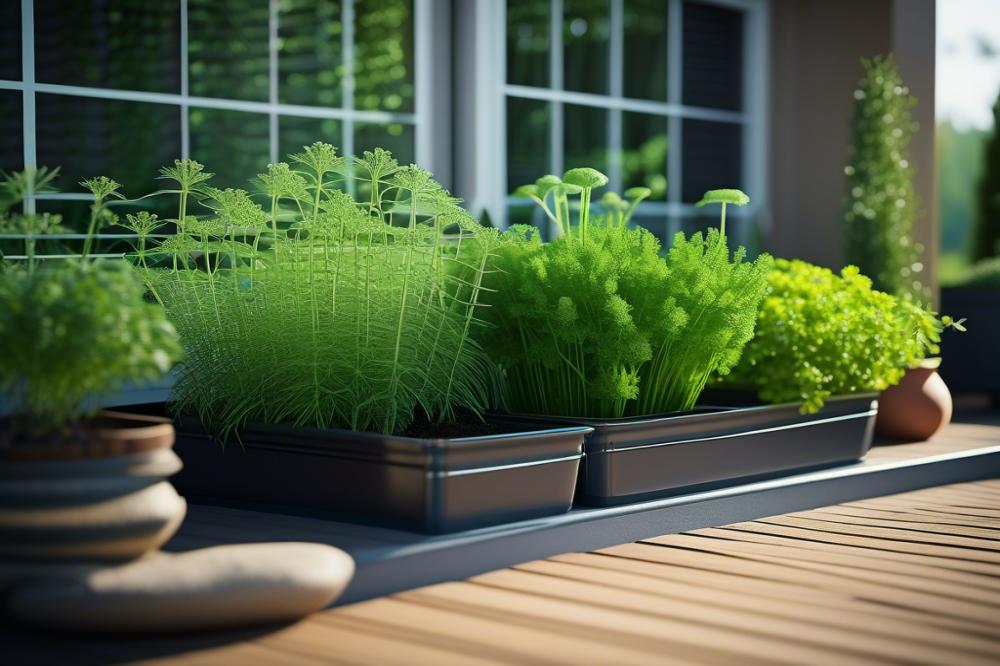
Incorporating dill into your overall herb garden design can be a fantastic decision. This herb not only adds flavor to your meals but also serves as a magnet for beneficial bugs. When planting dill, consider its height and spread. Place it near the back of your garden or in a corner where it can thrive without overwhelming other plants. Grouping dill with other aromatic herbs can create a vibrant and useful space.
Dill Companion Planting
Several easy herbs make wonderful companions for dill. Basil, for instance, thrives likewise in sunny spots and attracts beneficial insects. Coriander, also known as cilantro, offers similar advantages and provides flowers that pollinators love. These herbs, along with dill, can form a rich tapestry that enhances your garden’s appeal to pollinators. Marjoram and thyme are additional options that flourish side by side with dill. Together, they create a thriving ecosystem for garden insects.
Maintaining Biodiversity in Your Garden
Maintaining biodiversity is crucial for encouraging a healthy population of beneficial insects in your garden. A variety of plants can attract different types of pollinators and predatory insects. These creatures will help control pests naturally. Consider planting flowers like yarrow and sunflowers nearby. Their blooms will not only be beautiful but also serve as a food source for these essential insects. Diverse plant life can create a balanced garden environment.
Best Practices for Organic Gardening
The principles of organic gardening emphasize sustainability and respect for nature. Avoid using chemical pesticides, as they can harm beneficial bugs along with pests. Instead, embrace natural pest control methods. Use neem oil or insecticidal soap as safe alternatives. Encouraging predatory insects like ladybugs can also help keep harmful populations in check. Watering practices should focus on the needs of your herbs. Adequate moisture supports healthy dill growth and strengthens your garden’s resilience.
Regularly monitoring your garden helps identify problems early. Look for signs of pests or diseases. Early intervention can guide you toward effective solutions without harming your plants. Utilize mulch to retain moisture and suppress weeds. This practice not only benefits your herbs but also creates a better habitat for insects. Be mindful that every choice supports or hinders the pollinator-friendly environment you seek.
Final Thoughts on Dill for Insect Attraction
Planting dill offers a range of advantages for those who wish to cultivate a thriving garden. This herb acts as a magnet for beneficial insects, which are essential for a healthy ecosystem. Ladybugs, lacewings, and other natural predators flock to dill. They help control pests, reducing the need for chemical pesticides. By fostering these good insects, gardeners can promote a balanced environment.
Incorporating dill into herb gardens is a smart move. Not only does this aromatic plant enhance culinary creations, but it also supports local wildlife. Observing the various insects visiting your dill is a delightful experience. This interaction benefits your garden’s health while creating a captivating scene.
Consider these tips for successful cultivation. Choose a sunny spot with well-drained soil. Regular watering will help keep the plants strong. Dill companion planting can enhance growth and attract specific pests’ predators. Remember to keep the area free of weeds to encourage healthy development. Observing the blooming dill will reveal its power in attracting pollinators, which are vital for many plants.
Ultimately, the presence of dill in any garden aids in creating a biodiverse atmosphere. With its myriad benefits, this herb is an excellent choice for gardeners looking to enhance both their cooking and their garden’s health. So, give dill a try and watch your garden flourish.