Introduction
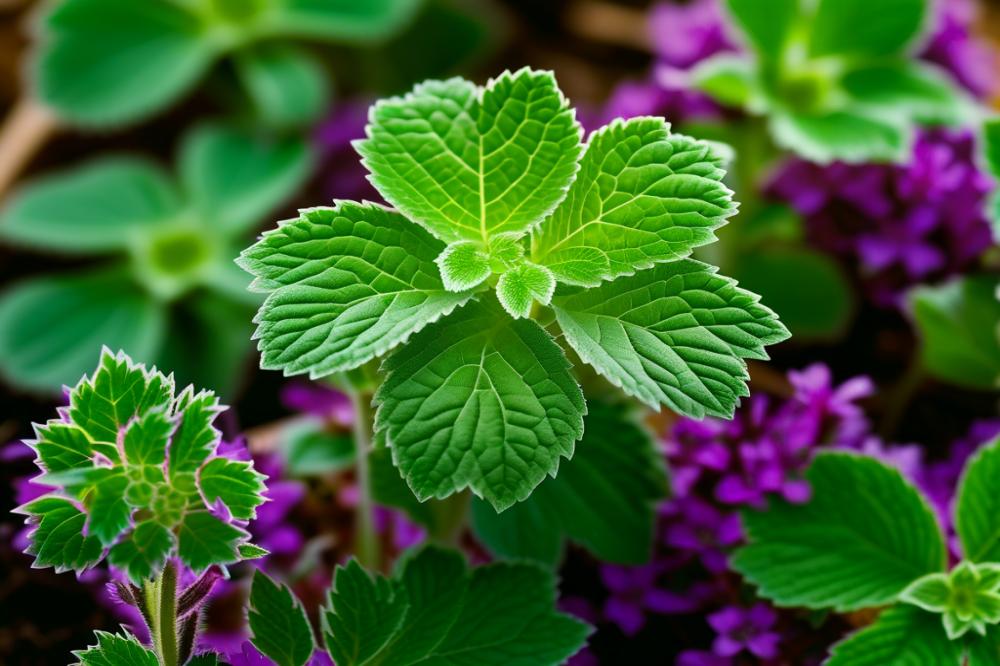
Horehound is gaining attention in the world of herbal medicine. Known scientifically as Marrubium vulgare, this hardy plant has been treasured for centuries. Historical records illustrate its use in remedies for coughs and digestive issues. Ancient Greeks and Romans praised horehound for its healing properties. Today, it remains a staple in many natural remedies.
Growing horehound can be an exciting venture for home gardening enthusiasts. This herb is relatively easy to tend and can thrive in various conditions. With its silvery-green leaves and distinct aroma, it adds beauty to any garden. Not only does its cultivation provide a sense of accomplishment, but it also offers an opportunity to explore the benefits of medicinal herbs. Understanding horehound species can widen options for those interested in herbal therapies.
Horehound harvesting is an essential part of the process. While the leaves are the most commonly used, the flowers also possess valuable properties. Those who care for horehound can reap its many rewards, adding fresh ingredients to homemade herbal remedies. Cultivating this herb not only connects gardeners with nature but also embarks them on a delightful journey into the world of herbal medicine. As we dive deeper into horehound cultivation, the potential health benefits and practical tips will shine through.
How to cultivate horehound

Cultivating horehound can be a rewarding experience. It’s a hardy plant known for its medicinal uses. Understanding its needs is crucial for successful growth. Start by selecting the right soil conditions. Horehound thrives best in well-drained, sandy or loamy soil. It prefers slightly alkaline to neutral pH levels. Regularly check the soil to keep it balanced.
Sunlight plays a vital role in growing horehound. Aim for at least six hours of full sunlight each day. This plant enjoys bright light and will flourish in sunny locations. Without adequate light, its growth may stagnate. Make sure to choose a spot in your garden that meets these needs.
Water requirements for horehound are moderate. Once established, it can tolerate drought, but consistent moisture is beneficial. Water the plant regularly during the first few weeks after planting. After that, reduce watering, allowing the soil to dry between sessions. Overwatering is a common mistake, so be cautious.
When it comes to planting techniques, start seeds indoors or sow them directly in the garden. If starting indoors, transplant seedlings outside after the last frost. Space plants about 12 to 18 inches apart to promote air circulation. This spacing helps prevent diseases and supports optimal growth.
Care for horehound also involves monitoring for pests and diseases. Look for aphids or fungal infections. Quick intervention is best when issues arise. Regular pruning can improve air circulation and encourage bushier growth. Harvesting typically occurs when the plant reaches a height of 12 to 24 inches.
Many people choose to use horehound in herbal medicine. The benefits include soothing coughs and aiding digestion. This plant is often found in natural remedies, making it a valuable addition to any home gardening routine. Explore different horehound species to find the one that fits your garden best.
Each step in this process contributes to a successful horehound cultivation. While it requires care and attention, the rewards are plentiful. Enjoy the journey of planting and nurturing this unique plant.
Growing Horehound
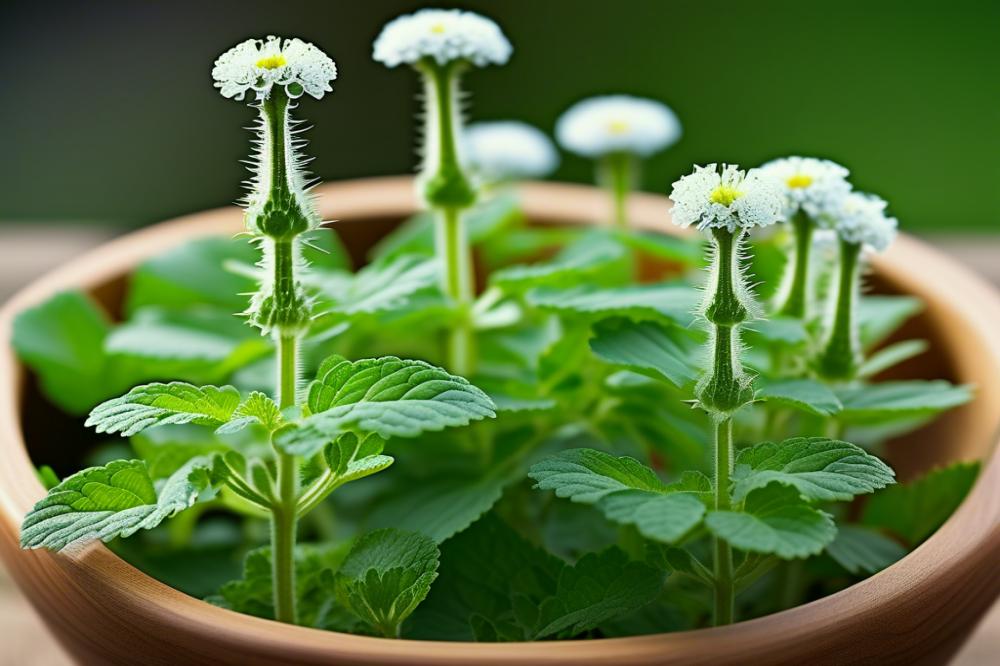
Horehound is a hardy herb, popular in herbal medicine. growing horehound can be rewarding for both beginners and experienced gardeners. Starting from seeds or cuttings is the most common approach. Seeds are the preferred method for many. They are readily available and easy to handle. Germination rates range from 70% to 80%, but this can vary by seed source.
Planting is best done in spring after the last frost. This timing helps young plants thrive. Direct sowing in garden beds is an option, but starting indoors is also effective. Once seedlings reach about 3 inches, they can be transplanted outdoors. Using well-draining soil is a must. Consider placing your plants in pots or raised beds if soil conditions aren’t ideal.
Horehound benefits from at least six hours of sunlight daily. This herb is quite adaptable but prefers warm and dry conditions. Moreover, proper spacing is vital for healthy growth. Consider a distance of 18 to 24 inches between plants to allow for airflow. Pests tend to avoid horehound, requiring minimal intervention for care.
Selecting the right horehound species is essential based on your local climate. The two main types are white horehound and black horehound. White horehound is more common in herbal remedies, particularly for coughs, while black horehound is often used for digestive issues. Understanding your climate will help maximize horehound cultivation.
Home gardening is an excellent way to have access to these medicinal herbs. Regular watering is important, but be cautious of overwatering. Mulching can help retain moisture while preventing weeds. As the plants mature, take time to care for horehound leaves. Harvesting occurs just before flowering for the best flavor and potency.
Overall, this simple yet effective approach can lead to lush growth and thriving plants. By following these guidelines, you can enjoy the various benefits that horehound provides in natural remedies. Happy gardening!
Care for Horehound
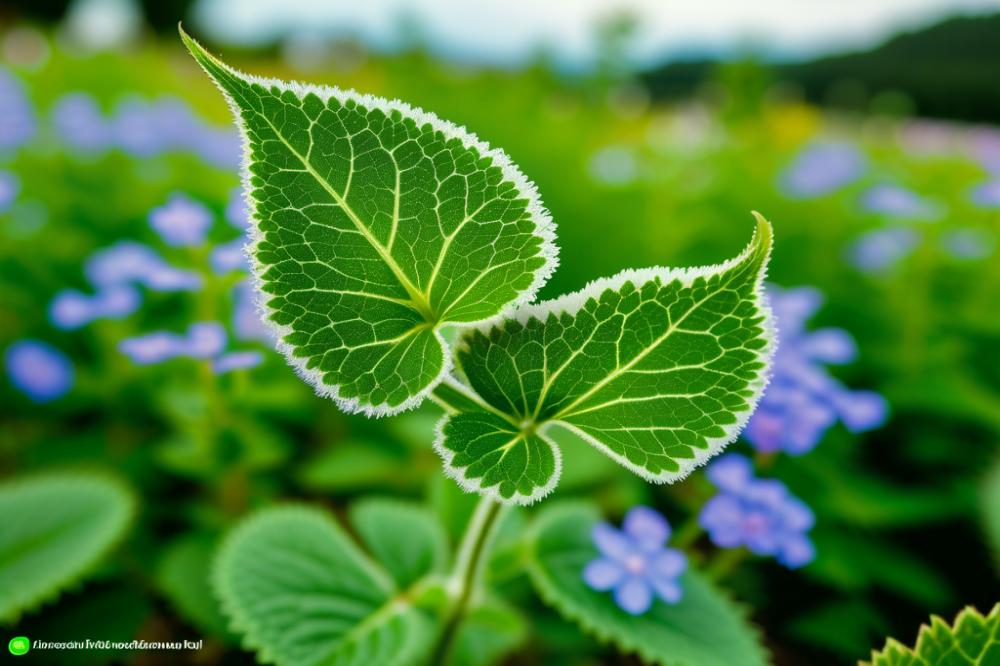
In horehound cultivation, providing the right care is key to thriving plants. Start by selecting a well-drained location with plenty of sunlight. Soil that retains moisture but doesn’t become waterlogged works best. Most species of horehound prefer slightly alkaline conditions. Regularly checking soil pH will help maintain an ideal environment.
Fertilization is another important aspect of growing horehound. Use a balanced all-purpose fertilizer in early spring, right before the growing season begins. This additional nutrient gives the plants a boost, supporting leaf development. Over-fertilizing can harm the plant; too much nitrogen may encourage weak growth instead of strong, medicinal leaves.
When it comes to pest control, vigilant monitoring is essential. Common pests might include aphids and spider mites. Natural remedies, such as insecticidal soap or neem oil, can keep these threats at bay. Inspect your plants frequently for any signs of infestations. Early detection is crucial to maintaining plant health.
Disease management is equally vital. Horehound is generally hardy, but it can still suffer from fungal infections. Good airflow helps prevent diseases like powdery mildew. Regularly spacing plants can promote adequate circulation. In the case of infected leaves, it’s wise to remove and discard them to minimize spread.
Regular pruning enhances growth and keeps the plants manageable. Snipping off spent flowers encourages new growth and can extend the harvesting season. It’s beneficial to trim dead or damaged leaves to ensure the plant’s vitality. Monitoring growth patterns regularly will reveal when your plants need attention.
Consider learning about the various horehound species. Different types may have slightly different care requirements. Exploring these options could enhance your home gardening experience. Knowing the specific needs of the species you choose will improve results and increase the number of horehound benefits you can leverage.
Ultimately, cultivating a healthy horehound plant requires attention and care. A thoughtful approach to fertilization, pest control, and disease management leads to success. Enjoy the process, as tending to these medicinal herbs can be quite rewarding.
Horehound Harvesting
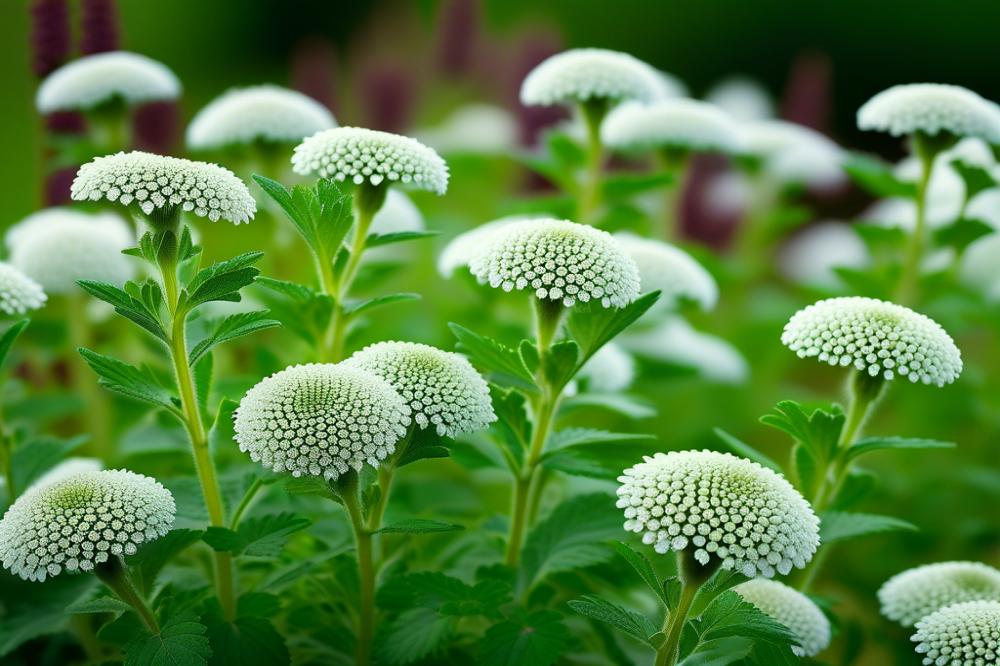
When it comes to horehound harvesting, timing is key. Most herbalists recommend collecting the leaves and flowers just before the plant reaches full bloom. This peak period usually occurs in late spring or early summer. Inspection of the leaves can help determine their freshness. Look for vibrant green leaves that are still soft and aromatic. Avoid gathering parts that appear wilted or discolored.
Using scissors or sharp shears helps preserve the plant’s structure. Cut stems about six inches from the ground. Be cautious to leave some leaves behind for the plant’s continued growth. Create a pattern as you harvest. This practice not only allows for future growth but also maximizes your yield.
After harvesting, it’s crucial to dry the horehound properly. Air drying remains one of the simplest methods. Tie small bundles of stems together and hang them upside down in a cool, dark area with good air circulation. This avoids excess moisture. Alternatively, a dehydrator can expedite the drying process. Set it to a low temperature to maintain the plant’s essential oils, as high heat might diminish their potency.
Once dried, store horehound in glass jars away from sunlight. Ensure the jars are airtight to prevent moisture from affecting the herbs. Proper storage in a cool and dark place is essential to preserving freshness.
Maximizing the plant’s benefits post-harvest can lead to enhanced herbal medicine creation. Different preparations—like infused oils or tinctures—can highlight the horehound’s unique qualities. Using dried leaves in teas is another excellent way to enjoy horehound benefits. Some recipes call for combining it with other medicinal herbs for added effects.
Never underestimate the power of home gardening. Growing horehound provides a continuous supply of this plant for natural remedies. With a bit of care for horehound, your home garden can thrive and produce ample amounts for years. Explore the various horehound species, as some may offer distinct health attributes. Embrace the journey of harvest and beyond as part of your herbal exploration.
Horehound Benefits
Medicinal Properties
Horehound is known for its medicinal properties that have captured the interest of herbalists for centuries. This herb is often used in herbal medicine, particularly for respiratory health. Its compounds, like marrubin, play a significant role in soothing coughs and helping clear mucus from the lungs. Many people turn to horehound for relief during cold and flu season.
Digestive support is another benefit of horehound. This herb may help alleviate issues like bloating and indigestion. The bitter taste stimulates digestion and can encourage appetite in individuals who may have trouble eating.
Active Compounds
Various active compounds contribute to horehound’s effectiveness as a natural remedy. These include flavonoids, tannins, and alkaloids. Flavonoids, in particular, possess antioxidant properties, which can aid in reducing inflammation. Studies suggest that these compounds may support overall immune function.
Another interesting aspect of horehound is its role in traditional remedies. People have used it to make teas and syrups, particularly for alleviating throat discomfort. In various cultures, horehound is a staple in home remedies passed down through generations.
Horehound in Home Gardening
If you’re interested in herbal medicine, consider adding horehound to your home garden. Cultivating this herb creates an opportunity to explore its benefits firsthand. It’s low-maintenance and thrives in well-drained soil with plenty of sunlight. Regular harvesting can promote new growth and enhance its qualities.
Care for horehound includes occasional watering, but be cautious of over-watering. This plant achieves its best flavor when grown in poor soil, which encourages the production of its beneficial compounds. With proper conditions, growing horehound can be rewarding.
Knowing the different horehound species is also helpful. White horehound and black horehound have unique properties, but both offer valuable benefits. Each type can be beneficial for different health issues, so understanding the distinctions is essential for those seeking natural remedies.
Incorporating horehound into your daily routine may provide both preventative and remedial benefits. Whether through teas, tinctures, or lozenges, its diverse applications in herbal medicine are truly noteworthy. Enjoying the journey of cultivating and using this medicinal herb can lead to a healthier lifestyle.
Final Thoughts on Horehound Cultivation
Reflecting on the steps for cultivating horehound for herbal remedies, we see several important points. This hardy herb thrives in well-drained soil and prefers sunny spots. Regular watering and occasional pruning will help maintain its health and vigor. Starting with seeds or cuttings offers flexibility for novice and experienced gardeners alike. Each method brings its benefits and can lead to a flourishing plant.
Home gardening plays a vital role in our connection to nature. It encourages us to take charge of our health by growing our medicinal herbs. The act of planting seeds and nurturing them can be profoundly rewarding. Not only does it provide fresh ingredients for homemade remedies, but it also fosters a sense of ownership of one’s well-being.
Exploring the therapeutic potential of horehound can lead to fascinating discoveries. Historically, it has served various purposes, from soothing coughs to aiding digestion. Harnessing this knowledge can empower individuals to use natural remedies effectively. Whether it’s for personal use or sharing with friends, growing horehound enriches our lives.
Don’t hesitate to take on this delightful gardening adventure. By embracing horehound cultivation, you can unlock its many benefits. Your garden may soon become a sanctuary of healing, making it a worthwhile endeavor. So, dig in and discover the wonders of this remarkable herb!