Introduction
Sweet Woodruff is a delightful perennial plant that serves many purposes in the garden. This hardy herb is known not only for its charming appearance but also for its aromatic properties. As a fragrant ground cover, it thrives in shaded areas, making it an excellent choice for shady gardens.
growing herbs offers numerous benefits, particularly in culinary and medicinal uses. These plants have been staples in kitchens and medicine cabinets for centuries. The flavor of Sweet Woodruff enhances various dishes, while also providing a base for a refreshing herbal tea. It’s rewarding to grow your own herbs, as they can boost your cooking and contribute to health.
Understanding the soil requirements and propagation methods for sweet woodruff helps in successful gardening. The right conditions can lead to lush growth, producing ample foliage. Maintenance involves regular care, including applying mulch to retain moisture and suppress weeds. By doing so, you pave the way for a thriving collection of herbs that will serve multiple functions in your home.
With its rich history in traditional remedies, this plant holds a special place in herbal lore. For those interested in both the culinary and medicinal worlds, incorporating sweet woodruff into your garden is a step toward self-sufficiency and wellbeing.
Sweet Woodruff: The Foundation

This perennial plant, known for its delicate leaves and sweet scent, serves as an excellent ground cover. Often found in woodland areas, it thrives in shaded locations. The green foliage is not only attractive but also useful. Many people enjoy brewing herbal tea from its dried leaves, which offer a mild, pleasant flavor.
Description and characteristics of Sweet Woodruff
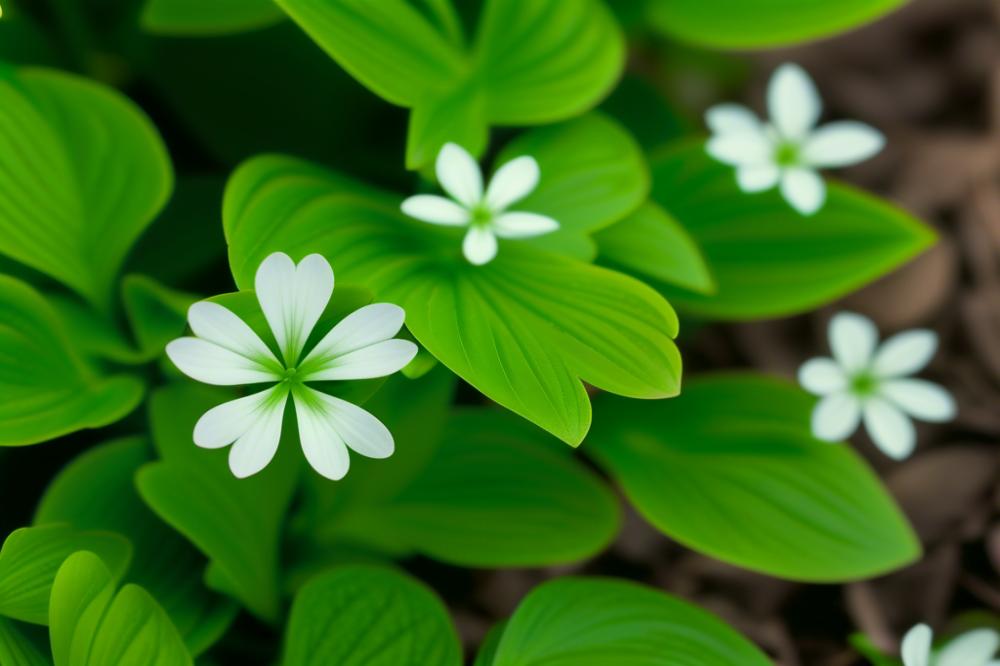
This plant can grow up to a foot tall. Its whorled leaves create a lush carpet on the ground. In spring, small white flowers bloom, enriching the garden with beauty. The distinct aroma can fill the air, especially when the leaves are crushed. It’s no wonder that gardeners appreciate its dual role as both an ornamental and functional plant.
Ideal growing conditions for Sweet Woodruff
For optimal growth, strong shade is essential. In a garden where direct sunlight is limited, Sweet Woodruff flourishes. Cooler temperatures work to its advantage as well, as it prefers a moist environment. Planting in a shaded area helps to maintain the soil’s moisture, which is crucial for this species.
Soil requirements and importance of well-draining soil
Well-draining soil is vital for healthy growth. The roots do not like to sit in water, which can lead to rot. A mixture of loamy and sandy soil often provides the right texture. Incorporating organic matter can improve water retention while enhancing drainage. Keep in mind that nutrient-rich soil supports overall health, enabling robust growth.
How to create a shade garden for Sweet Woodruff
Designing a shade garden can be simple. Choose an area that remains cool and damp. Begin by removing any weeds to prepare the ground. After that, you can amend the soil if needed. Mulch provides additional protection, maintaining moisture levels and reducing competition from other plants. Position the Sweet Woodruff in clusters for the best visual impact. Later, regular garden maintenance, such as watering and occasional pruning, will help keep it thriving.
Cultivation Techniques
Propagation Methods for Sweet Woodruff
Growing this perennial plant can be done through several propagation methods. Seeds are one option, though they require a bit of patience. It’s best to sow them in the fall or early spring. Another popular method is taking cuttings. By snipping healthy stems in spring or summer, you can grow new plants effortlessly. Division is perhaps the simplest way. In early spring or fall, carefully separate established clumps and replant them in a new location. Each method offers its own benefits, allowing gardeners to choose what works best for their needs.
Best Practices for Planting and Spacing
When planting, selective spacing is essential. Depending on your plan, placing them about 12 to 18 inches apart promotes healthy growth. It allows each plant space to spread without overcrowding. A shady spot or part sun works perfectly for this fragrant ground cover. Choose a site that gets around 3 to 6 hours of indirect sunlight each day. Preparing the soil is also crucial. It should be rich in organic matter and well-drained to prevent any water issues. Compost or well-rotted manure can improve soil quality significantly. This attention to detail helps ensure a robust garden.
Watering and Sunlight Considerations for Optimal Growth
Watering needs for this plant are moderate. Newly planted individuals require regular moisture to establish themselves. Aim for soil that remains consistently damp but not soggy. Once established, these plants can tolerate some drying out between waterings. Striking the right balance is key. As for sunlight, they thrive in shade gardens and appreciate a cool environment. If the summer heat becomes intense, consider adding a layer of mulch. This not only retains moisture but also keeps their roots cool.
Regular garden maintenance is important to keep them looking their best. Remove any weeds that might compete for nutrients. Regular checks will help you spot any pests early on. Sweet Woodruff is not just a pretty ground cover, it also serves culinary uses and boasts medicinal properties that make it an appealing choice for any garden.
Garden Maintenance
Routine care is important for healthy growth. A perennial plant like Sweet Woodruff thrives best in well-drained soil with consistent moisture. Regular watering promotes lush greenery, especially during dry spells. Checking the soil’s moisture level can help you avoid overwatering or drying out the roots.
Mulch plays a vital role in the garden. By spreading a layer of mulch around the plants, you can maintain soil moisture and regulate temperature. It helps keep weeds at bay too, which reduces competition for nutrients. Organic mulch, such as shredded leaves or bark, can slowly break down and improve the soil’s quality over time.
Common pests often target many types of plants, including this fragrant ground cover. Aphids and slugs may be problematic. Regularly inspecting your plants can help catch infestations early. A strong spray of water might dislodge pests without the need for harsh chemicals. If an outbreak occurs, applying insecticidal soap can be an effective treatment.
Diseases also pose a threat, though they are less frequent. Powdery mildew can develop in humid conditions, particularly if air circulation is poor. Planting in a shaded area without overcrowding can minimize this risk. Keeping dead leaves and debris cleared away will also lower the chances of disease spreading.
In addition to pest and disease management, consider propagation methods. Dividing Sweet Woodruff every few years not only rejuvenates your plants but also allows you to expand your garden or offer starts to friends. With the right garden maintenance, this herb can flourish and provide both culinary and medicinal uses for years to come.
Harvesting and Uses
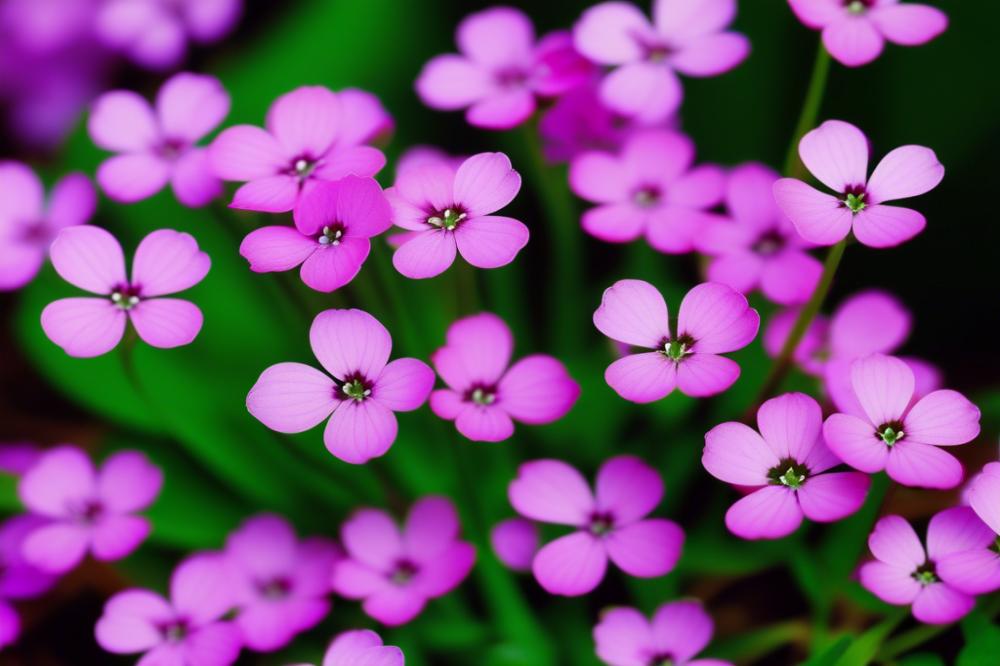
Harvesting this perennial plant is a straightforward process. Begin by selecting leaves that are vibrant and healthy. The best time to collect them is when the plant is blooming in early spring. Cut the stems approximately one inch from the ground. Avoid taking too much at one time to keep the plant thriving. By allowing some to remain, you’ll support continuous growth and a lush display.
Culinary uses of woodruff are numerous. Its sweet, aromatic leaves serve well in various dishes. Fresh leaves can enhance salads or infuse lovely flavors in desserts. Additionally, the dried leaves make an excellent addition to herbal tea. The fragrance is quite appealing and adds a delightful twist to beverages.
This plant has notable medicinal uses as well. Some herbal remedies take advantage of its calming properties. Traditionally, it’s thought to help with digestive issues and serve as a mild sedative. Many use it for relaxation, particularly during stressful times. It can also help in promoting a good night’s sleep.
How to Prepare and Enjoy Herbal Tea
Making herbal tea from woodruff is an uncomplicated endeavor. Begin by drying the harvested leaves in a shaded spot. Once they are fully dried, you can crush or crumble them. Boil water in a kettle, and once it reaches a full boil, remove it from heat.
Next, add about one to two teaspoons of the dried leaves into a cup. Pour the hot water over the leaves and let them steep for about 10-15 minutes. Strain the mixture to remove the leaves, and your tea is ready.
Some enjoy sweetening it with honey or a splash of lemon to enhance its flavor. Sipping this fragrant infusion will elevate your moment of relaxation. Whether enjoyed in your shade garden or on a cozy evening indoors, this tea remains a delightful treat.
Creating a Fragrant Ground Cover
Utilizing Sweet Woodruff as a ground cover brings many benefits. This perennial plant thrives well in shaded areas, making it ideal for those tricky spots where grass may struggle. Its lush green foliage not only creates a beautiful landscape but also helps suppress weeds. The delicate stars of white flowers in spring will surely add charm to your garden.
Combining this fragrant ground cover with other plants can enrich your shade garden. Consider incorporating ferns or hostas, which complement its texture and color. Such pairings can enhance visual appeal while fostering a natural look. You might also think about layering different heights to create depth in your garden.
Design Tips for Integrating Sweet Woodruff in Landscaping
When planning your garden, consider soil requirements. This plant prefers rich, moist soil but can adapt to various conditions. Remember to prepare your garden bed by incorporating organic matter. This will help retain moisture and improve nutrient content.
Garden maintenance is relatively simple. Regular watering during dry spells is essential, especially in the first few months after planting. Adding mulch around the base not only retains moisture but also keeps weeds at bay. In addition, seasonal pruning can keep the plants looking tidy and promote new growth. Propagation methods are straightforward, involving division or cuttings in spring or fall.
Beyond aesthetics, Sweet Woodruff has several medicinal and culinary uses. Many people enjoy its dried leaves in herbal tea, which is known for its calming effects. This versatile plant not only enhances your garden but also offers potential health benefits.
Wrapping Up the Sweet Benefits of Woodruff
Cultivating this charming plant offers several advantages. It creates a lush, green carpet that can serve as excellent ground cover in any garden. Those who enjoy herbal tea will find its sweet aroma and flavor delightful. Adding it to your shade garden can elevate the space, bringing both beauty and utility.
Appreciating its versatility is key. From culinary uses to natural remedies, Sweet Woodruff enhances numerous dishes and blends beautifully in beverages. Its delicate scent makes it perfect for potpourri, adding a touch of nature to your home. Encourage friends and family to explore these various uses, making gardening a shared experience.
Growing this herb provides numerous joys. The satisfaction of nurturing something from the ground up is unmatched. Observing its vibrant leaves flourish will inspire you to cultivate other herbs as well. In the end, embracing this versatile plant can transform not just your garden but also your kitchen and daily life. So why not take a step forward? Dive into the wonderful world of Sweet Woodruff and experience its many rewards.