Introduction
vertical gardening is an innovative way to maximize limited space while growing fruits and vegetables. This approach is especially beneficial for those living in urban areas where yard space is scarce. By utilizing vertical structures like trellises and arch supports, gardeners can cultivate edible plants without requiring a large plot of land.
Growing fruits and vegetables vertically offers numerous advantages. Increased sunlight exposure is one, as plants can reach heights that allow them to bask in daylight. Additionally, this method improves air circulation around plants, reducing the risk of diseases. Using climbing plants not only saves space but also makes harvesting much easier. It keeps the produce off the ground, where pests often lurk.
Choosing the right plants is crucial for success in any vertical garden. Not all fruits and vegetables are suitable for climbing or growing upwards. Certain varieties thrive better when given the support of trellises or arches. For example, cucumbers and beans are ideal candidates due to their natural growth habits. When planning a vertical garden, take the time to research plants that will flourish in a container gardening setup. This thoughtfulness can lead to a more productive and enjoyable gardening experience.
In conclusion, vertical gardening is a practical solution for those who want to grow their own crops in limited spaces. With a little planning and knowledge, anyone can create a thriving garden that provides delicious fruits and vegetables right at home.
Understanding Vertical Gardening
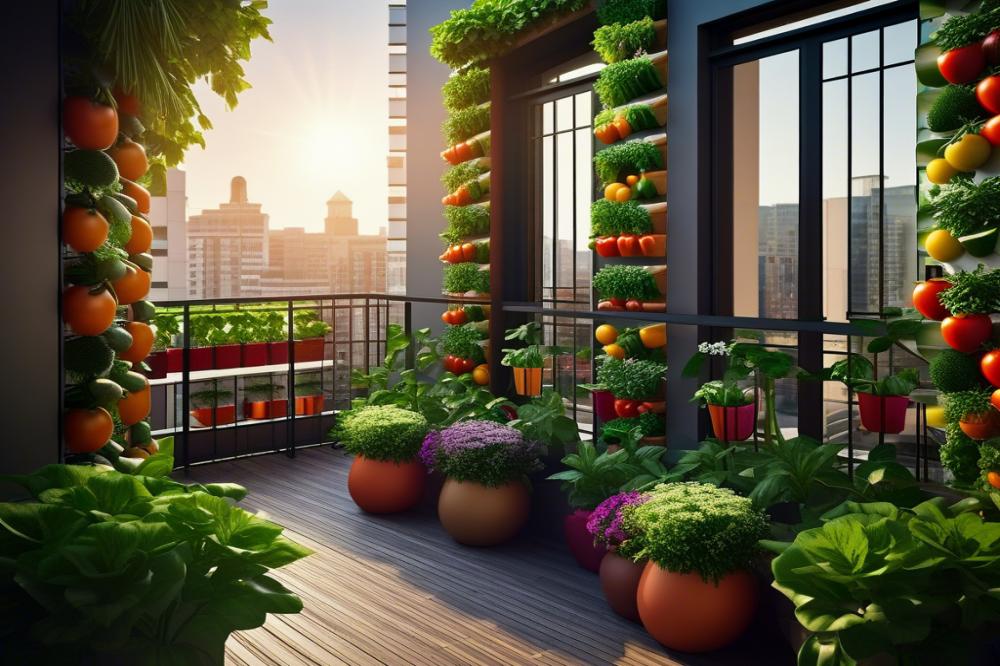
Vertical gardening involves growing plants upwards rather than outwards. This technique is particularly important for urban gardening, where space can be limited. Utilizing vertical space allows gardeners to cultivate a variety of edible plants without needing a large plot of land.
Space-saving techniques help maximize gardening potential. For instance, using trellises and other structures encourages climbing plants to grow vertically. This not only optimizes available space but also enhances air circulation and sunlight exposure. Moreover, it can result in healthier plants and a more abundant harvest.
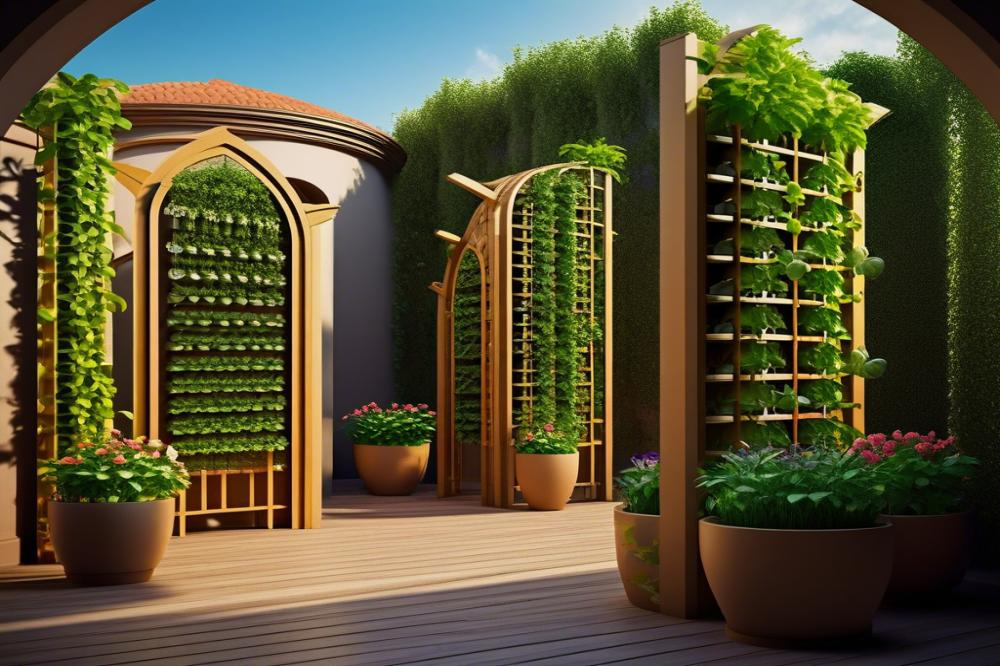
Many types of vertical gardening structures exist. Trellises are common and versatile, providing support for various climbing vegetables and fruits. Arch supports can add a decorative touch while also serving the practical purpose of supporting heavier plants. These structures can turn a simple garden into a lush, green landscape.
Different fruits and vegetables work well with these supports. Beans and cucumbers thrive on trellises, while arch supports can hold varieties like tomatoes and squash. Container gardening can also be integrated into these systems. Using pots or hanging baskets adds diverse layers and dimensions to the garden.
Vertical gardening tips emphasize plant selection and arrangement. Choosing compatible plants can enhance growth and yield. Spacing their placement properly allows enough room for each to flourish. Understanding these principles will help anyone looking to maximize their gardening efforts.
Choosing the Right Fruits and Vegetables
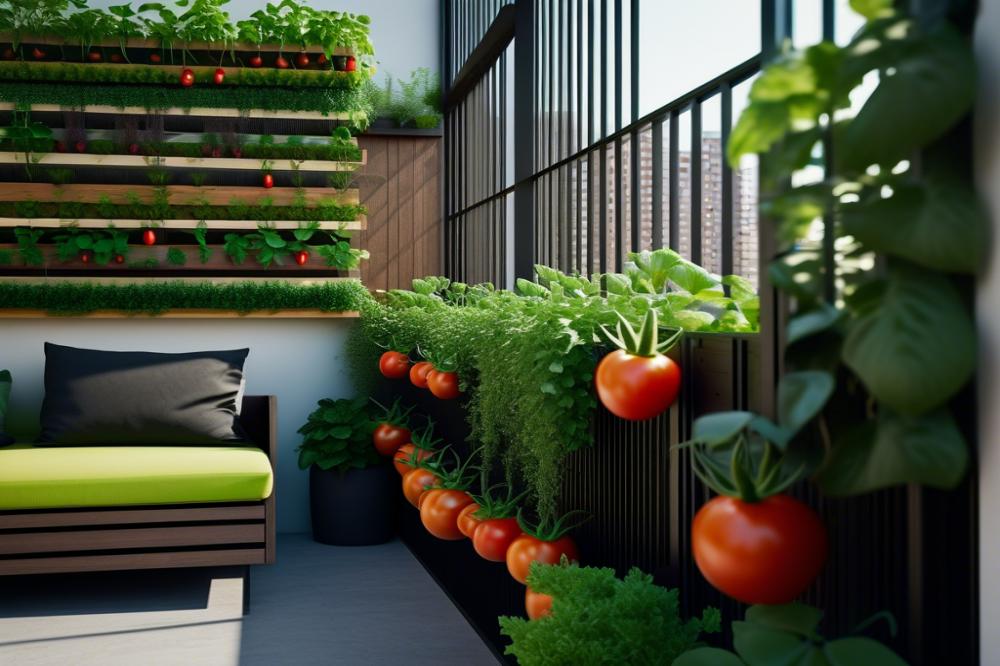
Selecting the appropriate climbing plants is crucial for a successful vertical garden. Fruits and vegetables can thrive in a compact space, making them perfect for urban gardening. Let’s explore some of the best options for your trellises and arches.
Fruits Suitable for Trellising
Tantalizing tomatoes are a top choice. They easily climb up supports, producing juicy fruits throughout the growing season. Cucumbers also flourish when given a trellis. These crunchy delights can grow long and straight, making harvesting simple. Beans, particularly pole varieties, are another excellent option. As they ascend, they offer a tasty source of protein and are perfect for container gardening.
Vegetables that Thrive Vertically
Introducing peas adds versatility to your vertical gardening plan. Sweet and tender, they grow rapidly and need only basic support. Summer squash is another fantastic addition. Certain types can be trained to climb, saving precious ground space while still yielding bountiful fruits. Interestingly, melons can also be grown vertically. With the help of strong arch supports, they can produce delicious, juicy fruits hanging down for easy access.
Incorporating these edible plants allows for a lush, productive garden even in the smallest areas. Discovering the right varieties will elevate your gardening journey and maximize your harvests.
Vertical Gardening Tips for Success
Setting up a thriving vertical garden begins with careful planning. Choose a location that gets plenty of sunlight. Most fruits and vegetables require at least six hours of direct light each day. Next, consider the structure itself. Trellises, fences, or arch supports can provide the necessary framework for climbing plants.
Soil is crucial for plant health. Use a high-quality potting mix that drains well. Many gardeners recommend mixtures that include peat moss, vermiculite, or perlite. These components help maintain moisture while providing aeration. For container gardening, select pots that are deep enough to accommodate roots of mature plants. Larger containers can also retain more moisture.
Watering is another key aspect. Climbing plants prefer consistent moisture. Check soil moisture regularly by sticking your finger in the dirt. If it feels dry an inch below the surface, it’s time to water. However, be cautious. Overwatering can lead to root rot, especially in containers. A good rule of thumb is to water plants early in the morning. This helps prevent evaporation during the hottest part of the day.
Fertilization helps maintain healthy growth. Use a balanced fertilizer in the spring. Following instructions on the label will guide you on frequency and dosage. Organic options like compost or worm castings can enrich your soil naturally. Both will encourage robust growth for your edible plants.
Pest management is vital in urban gardening. Regularly inspect your plants for any signs of pests or disease. Early detection makes treatment easier. Natural remedies such as neem oil can be effective. Introduce beneficial insects, like ladybugs, to help control aphid populations. Keeping leaves clean by gently washing them can also deter pests.
Vertical gardening offers an exciting way to maximize space in smaller environments. Let your creativity shine as you grow your favorite fruits and vegetables. With the right practices in place, your climbing plants will thrive, providing bountiful harvests and visual appeal.
Designing Your Vertical Garden
Creating a vertical garden can be exciting and rewarding. Many options exist for trellises and arches. These structures can provide support for climbing plants, enhancing your garden’s aesthetics. Arches can draw the eye and create a focal point in your outdoor space. Trellises, on the other hand, can be placed against walls or fences, maximizing limited areas.
Aesthetic considerations are essential when starting urban gardening. Consider color schemes and textures that complement your surroundings. Think about the arrangement of edible plants like tomatoes, cucumbers, and peas. Mixing fruits and vegetables can create a vibrant display. Try to incorporate plants that bloom alongside your harvest for added beauty.
DIY Ideas for Custom Structures
Building your trellis or arch allows for creativity. Use materials that you already have around your home, like recycled wood or metal pipes. Pallets can be transformed into vertical planters with some simple adjustments. When constructing, consider the sturdiness of your design. Climbing plants are quite heavy when fully grown, so choose robust supports.
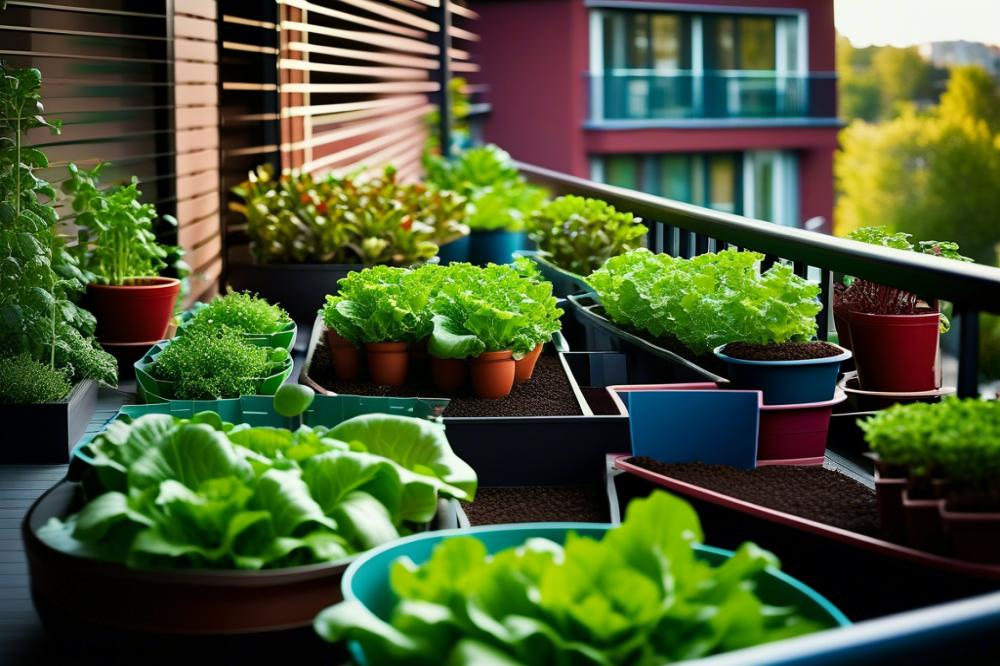
Container gardening can integrate well into your vertical garden plan. Hanging baskets can display herbs and strawberries. Don’t forget to think about irrigation and accessibility. Easy access is crucial for maintaining your garden. Watering should never be a chore, so position your plants thoughtfully. Space-saving designs work best in small areas.
Vertical gardening tips can help when choosing plants. Opt for varieties that thrive in vertical setups. Bean plants and squash are great options. They grow quickly and produce ample harvests. Additionally, consider dwarf fruit trees or compact vegetable varieties if you have limited height. Always plan your garden with logistics in mind.
Exploring materials can add a personal touch. Bamboo stakes and wire mesh are great for DIY projects. A simple wooden frame can serve as a trellis with a beautiful climbing vine. Think about sustainability, too. Using eco-friendly materials aligns with gardening’s core values.
Maintaining Your Vertical Garden
Regular maintenance is crucial for a thriving garden. Without proper care, plants can suffer and yields may decline. Keeping an eye on your growing fruits and vegetables can make a big difference. The rewards of urban gardening are notable, but they require effort and attention.
Pruning and Training Climbing Plants
Pruning plays a significant role in plant health. Removing dead or overgrown branches encourages new growth. Regularly checking your climbing plants allows for better air circulation and sunlight exposure. Use trellises and arch supports to guide their direction. Training vines can lead to a more organized and productive garden. Give your plants a helping hand by tying them as they grow. This simple action maximizes their growth potential.
Seasonal Care and Harvesting
Seasonal care is vital for your plants’ success. Different times of the year call for different actions. In spring, it’s essential to prepare your soil and plant seeds wisely. Summer requires frequent watering and monitoring for pests. In the autumn, harvesting edible plants becomes your primary focus. Regularly picking fruits and vegetables encourages even more growth. Check the ripeness by looking for color and firmness. Understanding when to harvest can elevate the flavors of your produce.
Vertical Gardening Tips
Container gardening can be a great way to maximize space. Consider using containers on shelves or hanging baskets. This saves room while still allowing for abundant growth. Maintaining a diverse array of plants adds to the visual appeal. Rotate your crops each season to prevent soil depletion. This practice keeps your gardening system flourishing. Remember to keep notes of what works and what doesn’t. Learning from your experiences in urban gardening can lead to improved outcomes in the future.
Final Thoughts on Vertical Gardening
Creating a thriving vertical garden offers numerous advantages. First, this method allows you to maximize limited space, making it ideal for urban settings. Growing your own fruits and vegetables can lead to healthier meals and savings on grocery bills. Additionally, plants grown vertically often receive better sunlight and air circulation.
Consider the joy of plucking fresh tomatoes or crisp cucumbers from your home setup. Many people are surprised by how much produce can thrive in smaller spaces. Little maintenance is needed once plants take root and start climbing. Remember, various trellises and arches can support different plant varieties, so choose those that match your specific garden design.
Starting this gardening journey can be easier than you think. Begin with a few pots or hanging planters and gradually expand as you gain confidence. Many resources are available online to guide you through the process.
Engaging in urban gardening can strengthen your connection to nature. Each successful crop can inspire you to grow even more. This practice not only contributes to personal wellness but also promotes sustainable living. So why not give it a try? Your taste buds will thank you, and your garden will flourish.