
Introduction
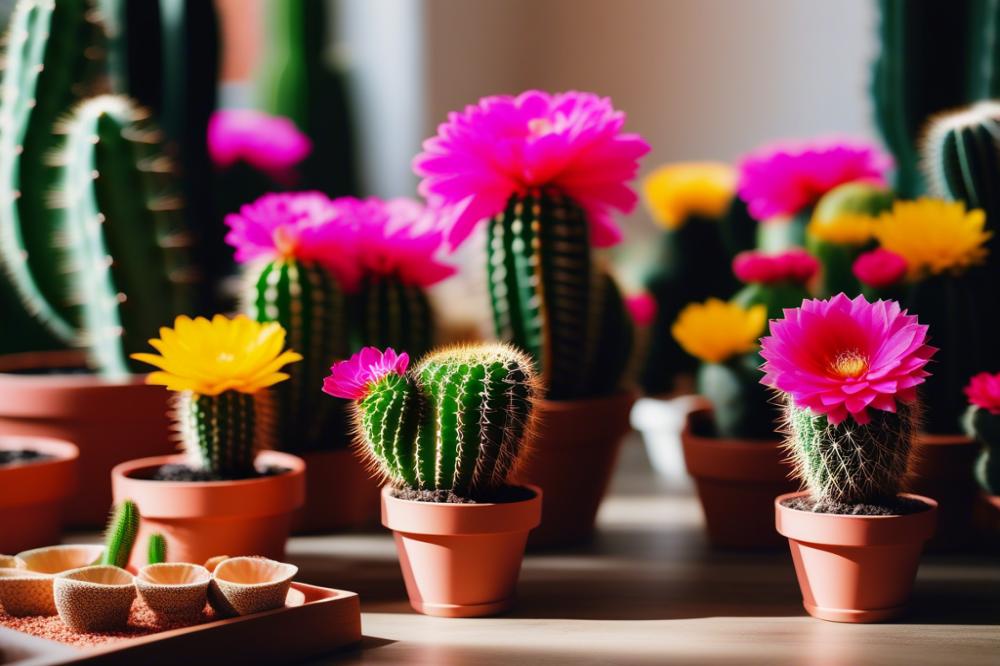
Flowering cacti offer a vibrant touch to indoor gardening, captivating enthusiasts with their stunning blooms and drought-tolerant nature. These fascinating desert plants are not just remarkable for their appearance but also for their resilience. By using flowering cacti seeds for propagation, gardeners can embark on a rewarding journey that celebrates the beauty of nature.
Many find joy in the colorful flowers that spring forth from cacti. Growing cacti from seeds allows individuals to experience this process hands-on. It is an engaging way to connect with the gardening world and explore the diversity of succulent care. With the right techniques, success in seed germination can lead to a rewarding collection of cactus seedlings ready to brighten any space.
The steps involved in this journey are straightforward yet critical for achieving healthy plants. First, one must prepare the right environment for planting cacti seeds. Next, patience is key, as seed germination takes time. After seeds sprout, proper cacti care is essential for strong growth. Each step holds importance and plays a role in ultimately creating a thriving indoor garden full of life.
Understanding flowering cacti seeds
Flowering cacti are fascinating desert plants that can add beauty to any garden. They showcase vibrant blooms that can transform a dull space into a colorful oasis. With their spiky exterior and unique floral displays, these plants have a charm that attracts many gardeners. Their ability to thrive in harsh conditions makes them ideal for indoor gardening, especially for those who prefer low-maintenance plants.
Description of flowering cacti and their unique characteristics
These cacti are known for their stunning flowers that usually appear in spring and summer. Unlike many other plants, these blossoms come in various shapes and colors. Some flowering varieties, like the popular Easter Lily Cactus, are particularly admired for their large, showy flowers. cacti care is crucial; they need just the right amount of sunlight and attention. Their stems are thick and fleshy, making them adept at storing water. This adaptation allows them to survive in dry environments, which also means they require less frequent watering than other plants.
Types of flowering cacti commonly grown from seeds
Several types of flowering cacti are popular for seed propagation. The Opuntia, or prickly pear, is widely grown for its fruit and bright flowers. Another favorite is the Trichocereus genus, known for its large blooms that can be breathtakingly beautiful. The Gymnocalycium is another option; it features small, colorful flowers that are highly praised. Each type has its specific needs, so understanding these can help during the seed germination process. Selecting the right species depends on personal preferences and growing conditions.
The benefits of using seeds compared to other propagation techniques
Starting from seeds offers several advantages over other methods, such as cuttings. The process of planting cacti seeds can be rewarding. First, it allows the gardener to witness the entire life cycle of the plant. This level of involvement can lead to a deeper appreciation for the beauty of these unique desert dwellers. Growing cacti from seeds often results in stronger, hardier cactus seedlings. Additionally, purchasing seeds can be more cost-effective compared to buying established plants. This method also provides a greater variety in terms of species availability.
Preparing for Seed Germination
Essential materials for successful seed germination
Starting with the right materials can make a world of difference. First, you need high-quality cactus seeds. Check for fresh ones from a reliable source. You’ll also require shallow trays or pots for planting. Ensure that they have drainage holes. This is crucial for preventing waterlogging, which is harmful. A small spray bottle for watering will help control moisture levels. Finally, a clear plastic cover or plastic wrap can help retain humidity during the germination phase. These tools will set the stage for your cactus seedlings to thrive.
Choosing the right soil mix for cacti care
Selecting an appropriate soil mix is vital for growing cacti. An ideal blend should drain well and provide adequate aeration. Many cacti enthusiasts recommend a combination of potting soil, sand, and perlite or pumice. This mixture mimics their natural environment, allowing roots to breathe. Avoid using regular garden soil, as it retains too much moisture. A good cactus soil mix will prevent root rot and promote strong growth. Make sure to fill your trays or pots with sufficient soil depth for the seeds’ growth needs.
Optimal environmental conditions for germinating cactus seeds
Creating the perfect environment is key for successful seed germination. Cactus seeds prefer warm temperatures between 70°F and 90°F. Find a bright spot in your home, but keep them out of direct sunlight. An indoor gardening setup can be ideal. For humidity, cover the pots with your plastic wrap or a clear lid. This keeps moisture in while allowing some air to circulate. Check the soil’s moisture regularly; it should be damp, not soggy. Patience is important; some seeds may take a few weeks to sprout. By meeting these conditions, you set yourself up for successful propagation techniques and healthy cactus growth.
Planting Cacti Seeds
Starting your journey into the world of cacti is exciting. Planting cactus seeds opens the door to a vibrant array of beautiful flowering cacti. Follow this step-by-step guide to make the process easy and enjoyable.
Step-by-step guide to planting cactus seeds
Begin with a clean seed tray and a well-draining soil mix designed for cacti. Look for a blend that includes perlite or sand. After filling the tray, level the soil surface carefully. Distribute your cactus seeds evenly across the top. Do not bury them deep, as these tiny seeds prefer light to germinate. A light dusting of soil can help provide some coverage.
Next, press down gently to ensure the seeds make contact with the soil. This action promotes good seed germination. Consider using a spray bottle to moisten the soil without flooding it. Overwatering can spell disaster and lead to rot, so be cautious.
Tips for spacing and depth when sowing seeds
When you’re planting cacti, think about spacing. Place seeds about an inch apart to give each future cactus seedling room to grow. You don’t want them crowding each other, as this can lead to competition for nutrients. Depth is equally important; the seeds should rest just below the surface. Most cactus species thrive when their seeds are only lightly covered, allowing for easy growth.
Watering techniques to promote seed germination while preventing rot
Watering requires some finesse. Begin with a fine mist to dampen the soil. Avoid soaking; too much water can quickly lead to issues. A humidity dome can help maintain moisture levels without overwatering. Check on your seeds daily without lifting the cover frequently—this can disrupt humidity. If the soil looks dry, mist it lightly.
Once seed germination occurs, adjust your watering routine. You might need to give more moisture, but always let the surface dry out a bit between sessions. This practice supports healthy cactus seedlings and prevents unwanted rot. Keep an eye out for mold; if it appears, reduce humidity right away.
Remember, growing cacti takes patience and attention. By following these tips, you’ll be well on your way to a successful indoor gardening venture. Enjoy the journey of propagation techniques, and soon you’ll have a delightful collection of thriving desert plants to show off!
Caring for Cactus Seedlings
After successful seed germination, the exciting journey of raising your cactus seedlings begins. Proper care is crucial during this delicate stage. Young cacti need the right environment to thrive and flourish.
Light Requirements and Temperature Management for Young Cacti
Bright, indirect sunlight is essential for healthy growth. Direct harsh sunlight can scorch the tender seedlings. Placing them near a window that receives filtered light works well. Aim for a temperature range of 70 to 80 degrees Fahrenheit. This warmth helps mimic their native desert habitat. Keep in mind that stability matters; avoid drastic temperature changes.
During the night, temperatures can drop slightly, which is generally fine. However, be cautious about putting them outside too early. Nighttime chill can slow down their growth. Monitor their progress closely, and adjust light exposure as they grow stronger.
Nutrient Needs and When to Fertilize Cactus Seedlings
Newly emerged seedlings typically don’t require fertilizer right away. Instead, allow them to establish first. After about six months, you can start introducing a diluted, balanced fertilizer. Look for options specifically designed for succulent care. Feeding them every four to six weeks will help them gain strength.
Remember to follow the instructions on the fertilizer packaging. Over-fertilization can do more harm than good. Young cacti are sensitive to chemicals. Watering with nutrients should coincide with regular hydration. This combination promotes healthy growth and development.
Growing cacti from seeds is a rewarding process. Exercise patience while caring for your young plants, and they’ll thrive in your indoor garden. Implement these helpful tips to nurture your flowering cacti seeds effectively.
Transplanting Cactus Seedlings
When to transplant seedlings into larger pots
Growing cacti from seeds is an exciting journey. Typically, seedlings need transplanting when they reach about one inch tall. Look for roots emerging from the bottom of their current containers. This indicates they are ready for a bigger home. Timing matters. Early spring is usually the best time to move them. It aligns with their natural growth cycle.
How to safely transplant cactus seedlings without damage
Transplanting cactus seedlings can be tricky due to their delicate nature. Start by gathering the right materials: potting mix, pots, and a small tool for lifting. Use sterilized pots to avoid pests. When ready to move them, gently loosen the soil around their roots. It’s important to handle them with care. Try using tweezers or your fingers to avoid squeezing. After that, place the seedlings in their new pots, and fill in with fresh soil. Giving them room to breathe and grow will promote healthy development.
Best practices for ongoing cacti care after transplanting
After transplanting, it’s crucial to provide proper care. Water the newly planted cacti lightly. Overwatering can lead to root rot, a common issue among desert plants. Be patient while they adjust to their new environment. A bright location with indirect sunlight is ideal for thriving cactus seedlings. Keep the temperature stable and avoid cold drafts. Remember, good drainage is vital for indoor gardening success. Monitoring their growth will help you understand their needs. Adopting these practices will lead to flourishing cacti and a successful gardening experience.
Common Challenges and Solutions
Growing flowering cacti from seeds can be thrilling yet challenging. Gardeners often encounter issues that can hinder their success. Pests and diseases pose significant threats to the health of cactus seedlings. Understanding these challenges can help you avoid disappointment.
Common Issues Faced When Growing Flowering Cacti from Seeds
Seed germination is often the first hurdle. Many gardeners may not realize that improper temperature or humidity can lead to poor sprouting. Overwatering is another common mistake that can lead to root rot. Cacti require drier conditions compared to other plants. Adjusting your watering schedule will be vital for healthy growth.
Pests and Diseases That Affect Cactus Seedlings
Mealybugs and aphids are notorious pests that can attack young cacti. These tiny creatures suck the sap from your seedlings. Fungal infections can also occur, especially in overly moist environments. Recognizing the signs early is crucial for effective treatment.
Solutions and Preventive Measures for Healthy Growth
Preventing issues begins with proper cacti care. Start by providing the right environment for your seedlings. Use well-draining soil to reduce excess moisture. Consider adding perlite to your mix for improved drainage. To combat pests, regularly inspect your plants. Insecticidal soap can work wonders for minor infestations.
Indoor gardening allows for better control over conditions. Utilize grow lights to simulate natural sunlight, ensuring your seedlings receive adequate light. Applying gentle air circulation can help keep the surrounding area dry, cutting down on fungal growth.
Embracing efficient propagation techniques will also yield better results. Creating a specific care routine tailored to your seedlings promotes healthier development. With careful attention, your cactus seeds can flourish into stunning desert plants. Remember, success awaits those who are patient and observe their plants closely.
Wrapping Up Your Journey with Flowering Cacti
Growing stunning flowering cacti from seeds can be an incredibly rewarding experience. Remember, the key to success lies in understanding the process. Start by selecting the right seeds and using a suitable potting mix. Proper lighting and temperature play huge roles, too. Patience is vital during the seed germination phase as these plants take their time to sprout. Regularly monitor moisture levels to provide just enough water without overdoing it. Avoiding excess humidity is important for preventing rot, so maintain good air circulation around your young plants.
Don’t hesitate to explore different species of flowering cacti. Each variety brings something distinct to your indoor garden. Maybe you’ll find a rare beauty that becomes your new favorite. Experimenting with colors, sizes, and shapes will keep your interest alive as you cultivate these lovely plants. Enjoy the variety and creativity that comes with cacti care.
Cultivating these magnificent desert plants goes beyond just growing them. There’s pure joy in watching them thrive over time. Every sprout is like a little victory, a testament to your efforts. Embrace the process and share your experiences with others who have similar interests. Building a community around plant enthusiasts can enrich your gardening journey even more. Happy planting!


