
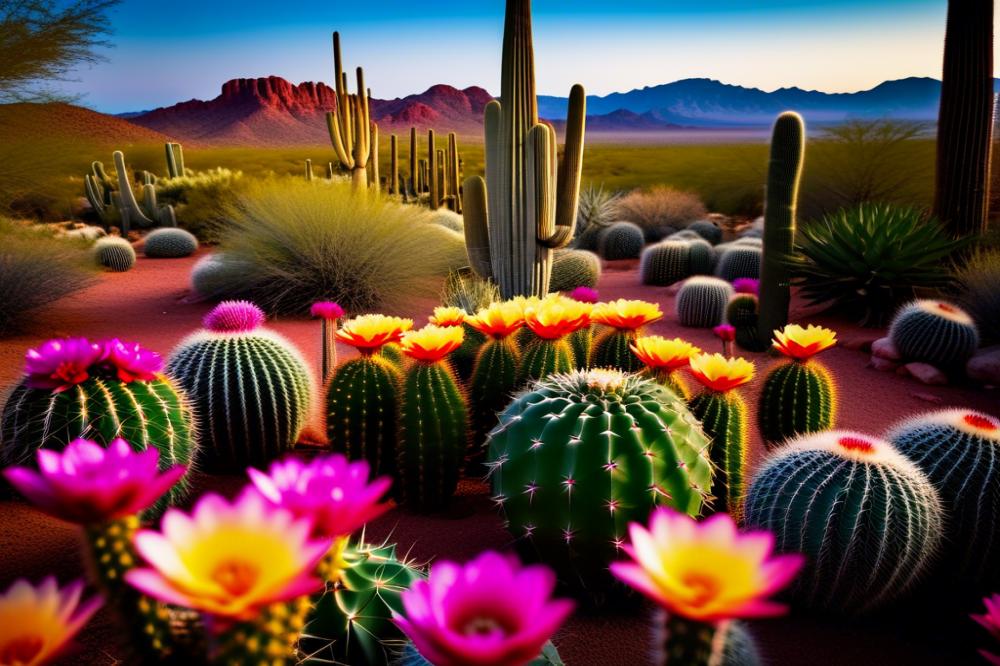
The Best flowering cacti for Attracting bees and butterflies
Pollinators are vital to the health of our ecosystems. bees and butterflies play a crucial role in the growth of plants. Without these creatures, many flowers and crops would struggle to reproduce. Therefore, attracting pollinators is not only beneficial for your garden but also for the environment.
Incorporating flowering cacti can make a big difference in your yard. These succulent plants bring vibrant colors and interesting shapes. Plus, they require less water, making them perfect for drought-tolerant landscaping. Many species are native cacti, which means they have evolved with local wildlife. This creates a friendly environment for bees, butterflies, and other helpful insects.
Planning your garden with these unique plants can lead to a stunning display. Colorful blooms can brighten up any outdoor space while providing food for pollinators. Wildlife-friendly gardening promotes a thriving ecosystem right at your doorstep. By focusing on xeriscaping techniques, gardeners can create low-maintenance areas that still attract beautiful creatures.
In this article, we will explore some of the best flowering cacti to enhance your garden. Expect to learn about specific varieties, their growing needs, and their appeal to pollinators. You’ll discover how these remarkable plants can help support nature while adding charm to your landscape. Let’s dive into the world of flowering cacti and their role in attracting bees and butterflies!
Flowering Cacti: A Pollinator’s Paradise
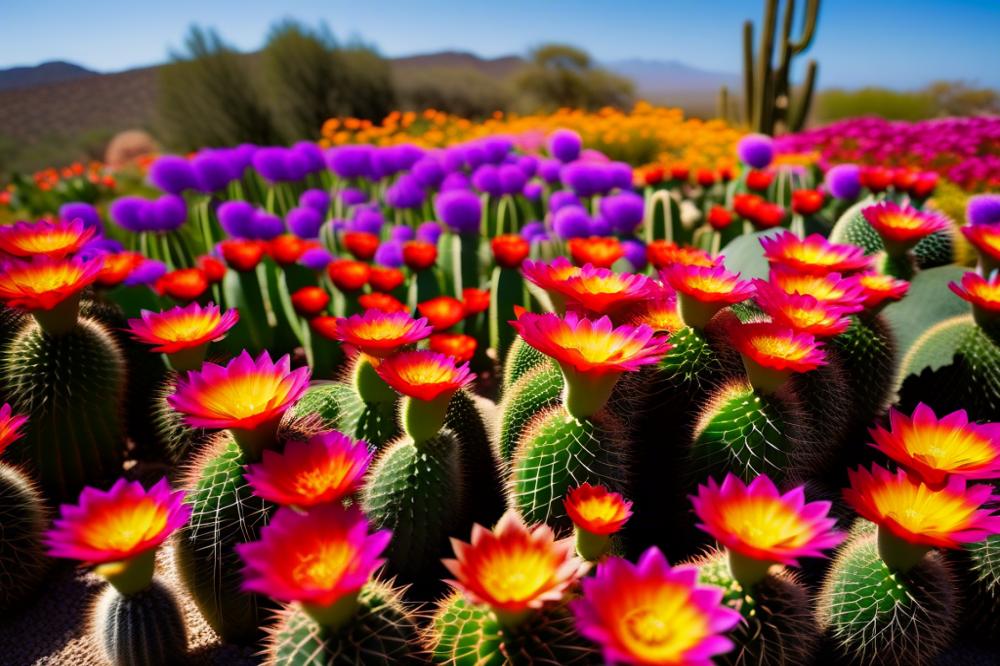
Flowering cacti are captivating succulent plants that bring life to any space. These hardy beauties are more than just interesting landscapes; they play a vital role in pollinator gardens. With their vibrant colors and striking forms, they make an inviting playground for bees and butterflies.
How Flowering Cacti Attract Bees and Butterflies
Pollinators are drawn to these native cacti primarily due to their colorful blooms. The bright petals stand out against the arid backdrop, catching the eyes of bees and butterflies soaring nearby. Many species of cacti bloom at different times, providing an ongoing source of nectar for these important wildlife visitors throughout the growing season.
The arrangement of flowers also plays a part. Blooms often open with the sun, offering a comfy spot for busy insects to refuel. Bees, in particular, are vital to our ecosystems. They help in plant reproduction, which ultimately supports a diverse natural habitat.
The Role of Colorful Blooms in Pollinator Attraction
Colorful blooms are a beacon for pollinators. Vibrant reds, pinks, and yellows create visual signals that cannot be ignored. These hues tell bees and butterflies, “Come here! Delicious rewards await!” A variety of colors and shapes can attract different species, enhancing your garden’s diversity.
Consider incorporating flowering cacti into your garden planning. These drought-tolerant plants thrive in areas that might challenge other flowers. Xeriscaping with these unique cacti not only conserves water but also creates a lively, wildlife-friendly space. By choosing flowering varieties, you make your garden a hot spot for life.
If you want to support nature, think about planting a mix of flowering cacti and other native plants. Creating environments that encourage pollinator activity is both rewarding and essential. Little by little, a well-planned garden can transform into a vibrant sanctuary for bees and butterflies.
Best Flowering Cacti for Bees and Butterflies
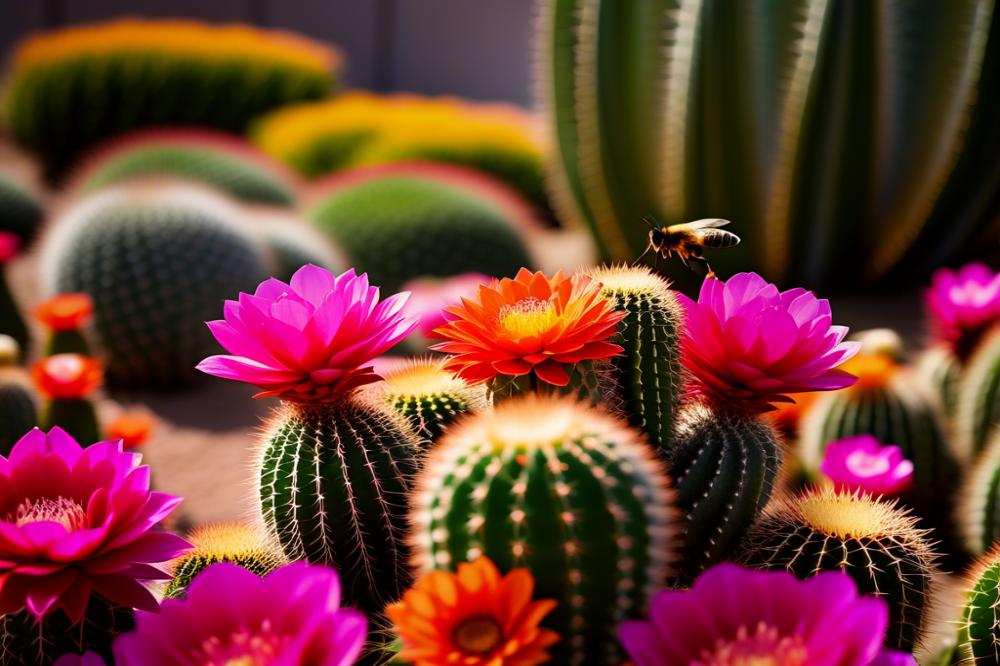
For those who love wildlife-friendly gardening, flowering cacti can be a great addition. These drought-tolerant plants not only beautify your space but also invite essential pollinators like bees and butterflies. Here’s a look at some top choices that thrive in gardens and attract these lovely creatures.
Saguaro Cactus
This iconic cactus is a staple of the American Southwest. Known for its tall, impressive stature, it produces large white blooms that typically open at night. Flowering happens between April and June. These blossoms are especially appealing to bees, which find their sweet nectar irresistible.
Parodia Cactus
Parodia species are small, round cacti that produce cheerful, vibrant flowers. Colors can range from yellow to deep red, creating a stunning contrast against their green bodies. They bloom from late spring through summer. This makes them an excellent choice for pollinator gardens, where they draw in various insects.
Echinopsis
Echinopsis is famed for its breathtaking flowers. These cacti often display large, fragrant blooms that can last only one night. Flowering occurs from spring to early summer, providing a spectacular show. Garden planning should include Echinopsis if you wish to attract butterflies.
Mammillaria
Mammillaria is a diverse genus, featuring many species that produce small, colorful flowers. Blooms can be found in shades of pink, yellow, and white. Depending on the variety, they can flower in spring or fall. These succulent plants are a fantastic option for those looking to enhance a vibrant garden.
Opuntia (Prickly Pear)
Opuntia is not only known for its tasty pads and fruits but also its striking flowers. Bright yellow and orange blooms emerge in late spring and early summer. The flowers attract both bees and butterflies. Incorporating prickly pear into your garden will enhance its appeal while benefiting local wildlife.
Choosing the right native cacti is essential for a thriving pollinator garden. Each of these species has unique characteristics and flowering times that can add depth to your xeriscaping design. Enjoy the colorful blooms while creating a sustainable environment for important insects!
Incorporating Flowering Cacti into Garden Planning
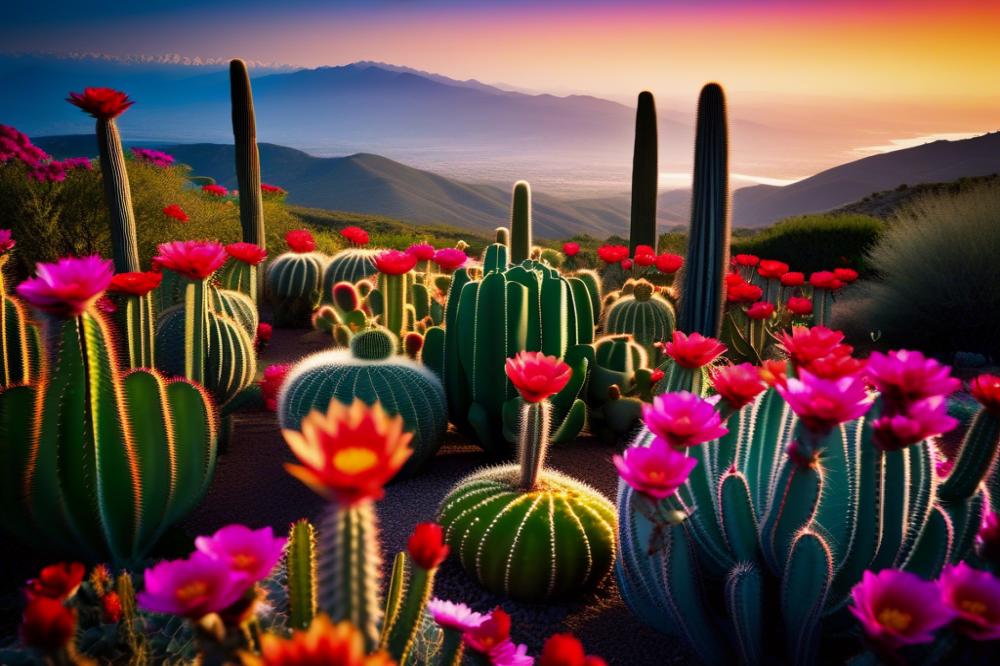
Planting flowering cacti is a straightforward way to enhance any garden. Start by selecting a sunny location. These plants thrive in bright light, making them perfect for areas with at least six hours of direct sunlight. Dig a hole larger than the root ball and mix in some sand or gravel. This helps with drainage, a key factor for their health. Ensure to space them adequately, so they have room to grow and bloom.
Tips for Creating Pollinator Gardens
Creating a garden that invites bees and butterflies requires careful planning. Cluster plants together for a greater impact. Dense patches of colorful blooms will attract more pollinators. Consider planting in succession, which means having flowers that bloom at different times. This ensures that there is always something in bloom throughout the growing season.
Importance of Selecting Native Cacti for Local Ecosystems
Choosing native cacti is vital for maintaining local ecosystems. These plants are well-adapted to the climate and soil of your area. They require less water, making them suitable for xeriscaping and wildlife-friendly gardening. Furthermore, local wildlife, like bees and butterflies, have evolved to rely on these native species. Supporting local pollinator life is essential for ecological balance.
Companion Planting with Succulent Plants
Pairing flowering cacti with succulent plants can elevate your garden design. These drought-tolerant plants usually have similar water needs, making care easier. Their different textures and structures can create visual interest. Mixing various species can attract a wider range of pollinators. Additionally, companion plants can provide shade and protection to young cacti, giving them a better chance to thrive.
Drought-Tolerant and Wildlife-Friendly Gardening
Benefits of Xeriscaping with Flowering Cacti
Xeriscaping offers a wonderful way to create an eye-catching garden while conserving water. This sustainable gardening method emphasizes the use of drought-tolerant plants like native cacti and succulent plants. Gorgeous, colorful blooms attract pollinators. This forms a thriving ecosystem right in your backyard.
Water Conservation and Drought Resistance
Managing water usage in gardens is essential, especially in arid regions. By planting flowering cacti, gardeners can reduce the need for constant watering. These plants have adapted to their environment, making them naturally resistant to drought. This allows for a greener planet and less stress on local water supplies.
Creating Wildlife-Friendly Habitats
Wildlife-friendly gardening encourages diverse species to thrive. By incorporating flowering cacti into your landscape, you create a haven for pollinators. Bees and butterflies will flock to your garden, drawn by the vibrant colors and fragrant nectar. A thriving pollinator garden can even help sustain local wildlife populations.
Attracting More Than Just Bees and Butterflies
While bees and butterflies are significant benefits, many other creatures will visit your garden. Birds and beneficial insects may also be attracted to your colorful blooms. Drought-tolerant plants provide not only food sources but also shelter for various wildlife. This creates an enriching environment, making your garden a buzzing hub of activity.
Maintaining Flowering Cacti for Optimal Pollination
Care and Maintenance Tips
Caring for your cacti is simple yet vital for inviting busy bees and graceful butterflies. Water is critical, but overwatering can be a problem. Allow soil to dry out completely between waterings. During warm months, a deep soak is best. In winter, reduce watering to once a month. Fertilize sparingly with a cactus mix to promote vibrant, colorful blooms. Place them in a sunny spot, as most prefer direct sunlight. Make sure to rotate your plants occasionally for even growth and flowering.
Common Pests and Diseases
Unfortunately, pests can sometimes invade your succulents. Watch for mealybugs, spider mites, and scale insects. If you spot these pests, treat them early. A mixture of water and dish soap works well for wiping them away. Fungal diseases may occur due to excess moisture. Keep the area around your cacti free from debris to improve airflow. Yellowing leaves can indicate problems like root rot, so act quickly to save your plants.
Seasonal Care for Thriving Flowering Cacti
Consider seasonal changes in your garden planning. In spring, provide a gentle boost of fertilizer to stimulate growth as days lengthen. During summer, your pollinator gardens will thrive with the attention of bees and butterflies. In fall, trim back any dead or damaged segments to prepare for winter dormancy. Winter conditions call for reduced watering and minimal disturbance. Choose the right location to protect native cacti from frost. These drought-tolerant plants can still benefit from a little extra care as they rest. By following these tips, you will create a wildlife-friendly environment that encourages pollinators to visit frequently.
Final Thoughts on Flowering Cacti and Pollinators
Recapping the benefits shows how much flowering cacti contribute to attracting pollinators. Their vibrant blooms draw in bees and butterflies, providing these essential creatures with food and habitat. Adding such striking plants to your garden not only enhances beauty but also supports local ecosystems.
Incorporating flowering cacti into your outdoor space is easier than you might think. Consider planting a few in sunny spots to create a lively environment. You may be surprised at how quickly these plants become the centerpiece of your yard.
Wildlife-friendly gardening is crucial for maintaining biodiversity. Every small action counts. By inviting pollinators into your garden, you promote the health of the planet. Remember, those buzzing bees and fluttering butterflies are vital for our environment. Make your garden a haven for these friendly pollinators and enjoy the vibrant life they bring.


