
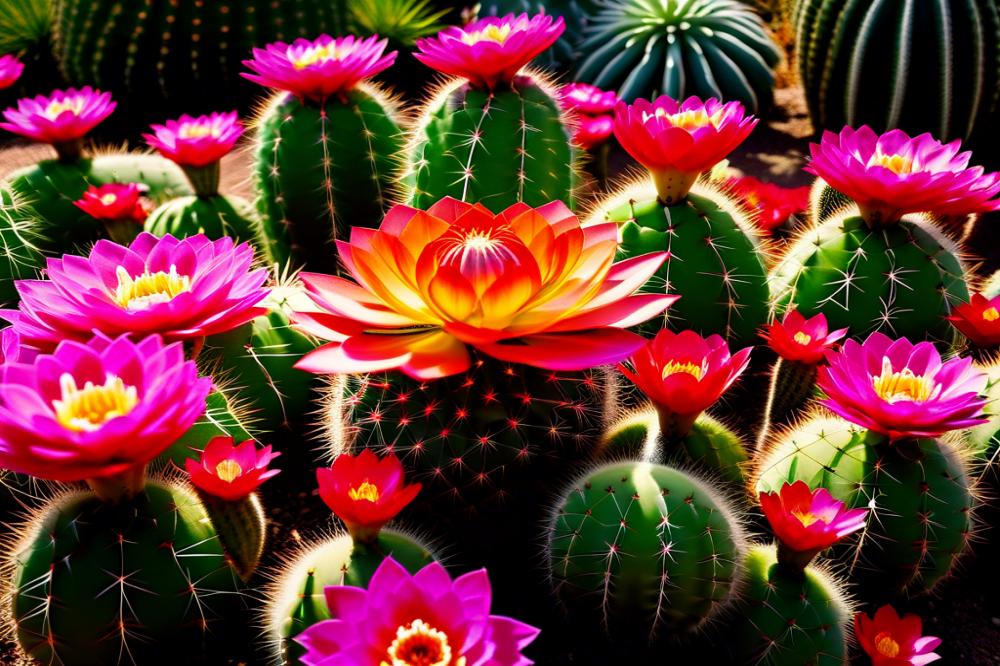
How to Incorporate flowering cacti into xeriscaping Designs
Looking for a way to create a vibrant and sustainable garden? xeriscaping might be the perfect solution for you. This style of garden design focuses on using drought-resistant plants, which makes it ideal for regions with limited water supplies. Not only does xeriscaping promote water conservation, but it also offers a beautiful and diverse landscape that can thrive with minimal maintenance. It’s a smart choice for anyone who desires a lush outdoor space without the hassle of constant upkeep.
When considering drought-resistant plants, one cannot overlook the allure of flowering cacti. These remarkable plants add color and life to any garden while being perfectly suited to dry conditions. Utilizing native plants like these not only supports local ecosystems but also contributes to a more resilient garden. Think of the stunning blooms that spring forth, providing visual interest against the backdrop of more traditional desert landscaping.
Flowering cacti play an essential role in enhancing outdoor aesthetics. With their unique shapes and vibrant blooms, they can transform a simple garden into a work of art. The versatility of ornamental cacti makes them excellent choices for low-maintenance landscaping. They require minimal succulent care while delivering a big impact in both style and function. Embracing climate-appropriate gardening means selecting plants that not only survive but also thrive in your environment, and flowering cacti excel in these conditions.
Incorporating these striking plants into your xeriscaping design will undoubtedly elevate your outdoor space. Enjoy the beauty they bring while knowing that you are making responsible choices for water conservation. A garden filled with flowering cacti can be both practical and visually stunning, proving that you can have the best of both worlds.
Understanding Flowering Cacti
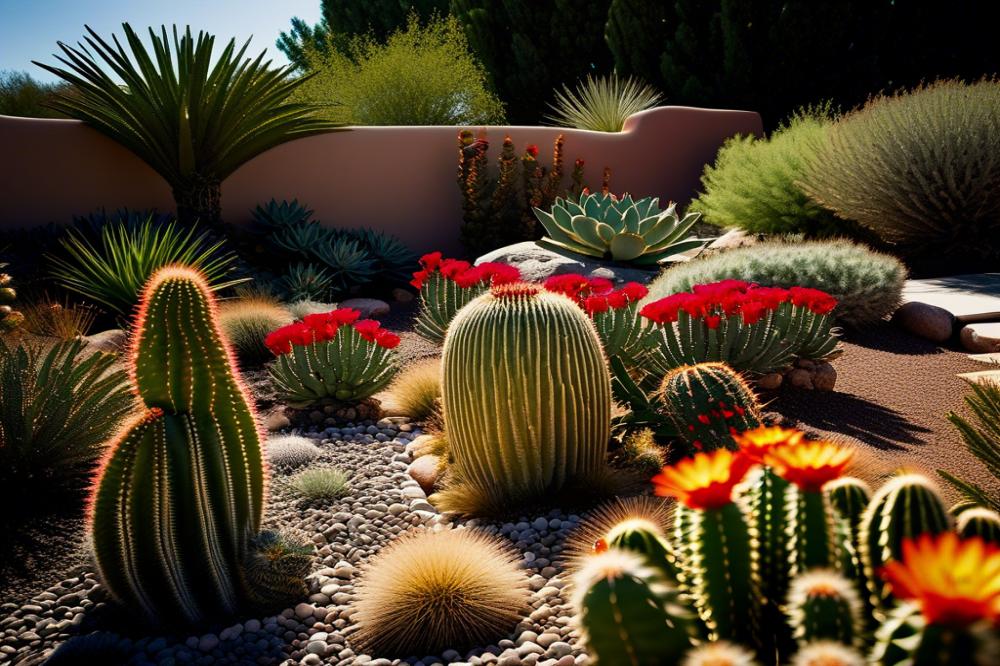
Flowering cacti are a vibrant and fascinating group of plants. These unique species produce stunning blooms that can brighten any garden. They thrive in hot, dry environments, making them ideal for desert landscaping. Typically, these plants exhibit a variety of colors, shapes, and sizes. Their flowers often attract bees and butterflies, enhancing the biodiversity of your outdoor space. Growing them adds a dynamic element to climate-appropriate gardening efforts.
Definition and Characteristics of Flowering Cacti
Flowering cacti belong to a family of succulent plants adapted to arid conditions. They store water in their fleshy stems, which is vital for survival in tough climates. Many have spines that serve as a protective mechanism, while also providing unique textures. Their growth forms can be tall and columnar or short and rounded. Some even develop a lovely shape that complements landscape designs. Yet, the main attraction remains their spectacular blooms, which can appear in various seasons.
Types of Flowering Cacti Suitable for Xeriscaping
Various species contribute beautifully to xeriscaping. Consider adding the Texas prickly pear, known for its striking pads and bright yellow to pink flowers. The hedgehog cactus is another excellent choice, featuring large, showy blooms that entice many pollinators. For a different texture, the barrel cactus offers round shapes and vivid, funnel-shaped flowers. All these types are drought-resistant plants that flourish with minimal water, a benefit for sustainable gardening practices.
Differences Between Ornamental Cacti and Other Cacti Species
Ornamental cacti are cultivated mainly for their aesthetic appeal. They often exhibit impressive forms and vibrant blooms, making them favorites in garden design. In contrast, many other cacti species may not produce visually appealing flowers but serve practical roles. Native plants, such as those used in traditional landscaping, provide vital habitat for local wildlife. Ornamental varieties typically require specific care to maintain their beauty, while some of their counterparts may need less attention. This leads to differing requirements when planning a low-maintenance landscaping scheme.
Designing with Flowering Cacti
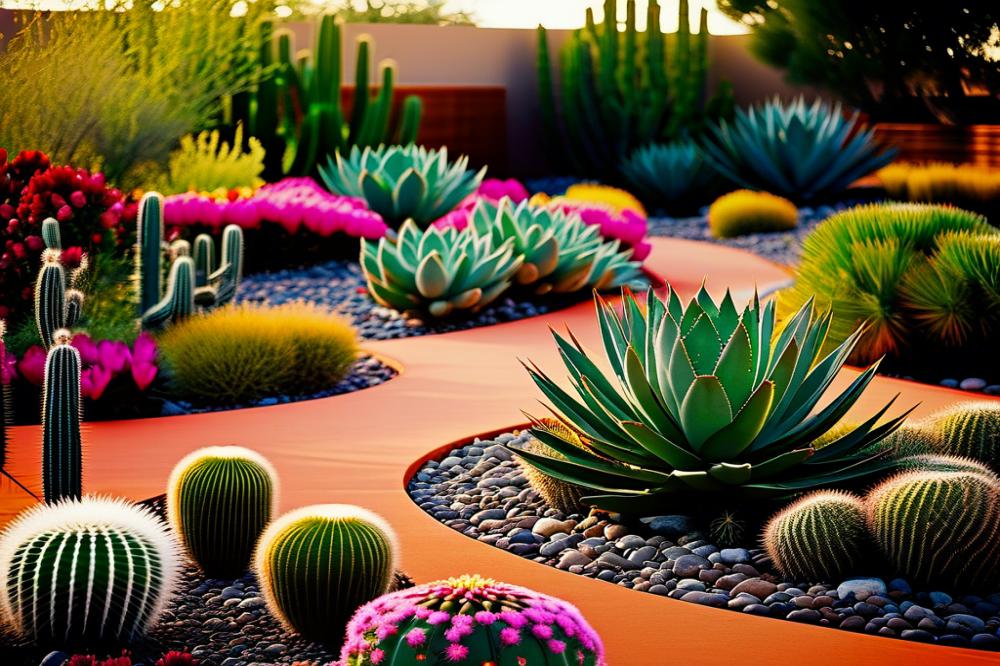
Incorporating flowering cacti into garden design can transform your outdoor space. Their vibrant blooms can add a splash of color against the backdrop of typical desert landscapes. Planning the layout is key. Consider where these plants will thrive best to achieve stunning visual impact.
Placement strategies play a crucial role in getting the most out of your xeriscaping efforts. Grouping these cacti with similar drought-resistant plants can create natural-looking clusters. These clusters not only enhance the beauty but also promote healthy growth. Think about varying heights and shapes. This adds depth to your garden and keeps it visually interesting.
Combining ornamental cacti with native plants is an effective way to reinforce your garden’s theme. Plants that thrive in your local climate can offer the best chances for successful growth. Balancing colors and textures will create a harmonious look that draws attention. You can also mix in some succulents to diversify the landscape. They complement the cacti while preserving a low-maintenance approach to gardening.
Now, let’s talk about outdoor aesthetics. Strategically placing flowering cacti near walkways or patios can invite guests to appreciate their beauty up close. Water conservation is vital in arid regions, making these plants not only attractive but practical too. Selecting the right location helps these plants flourish while needing less care.
When planning your garden design, remember the importance of spacing. Overcrowding can lead to competition for resources. Adequate space allows for proper air circulation, reducing the risk of health issues. A well-designed garden should look effortless, even if it requires thoughtful planning. Keep in mind the seasonal interest that flowering cacti offer. Springtime blooms can be a show-stopper, drawing your eye to the garden right when you need it.
Finally, don’t shy away from experimentation. The world of climate-appropriate gardening is vast, and every piece counts. Mixing different textures can feel rewarding and might lead to surprising combinations. Your garden can become a delightful personal expression of style and nature’s beauty.
Caring for Flowering Cacti in Xeriscaping
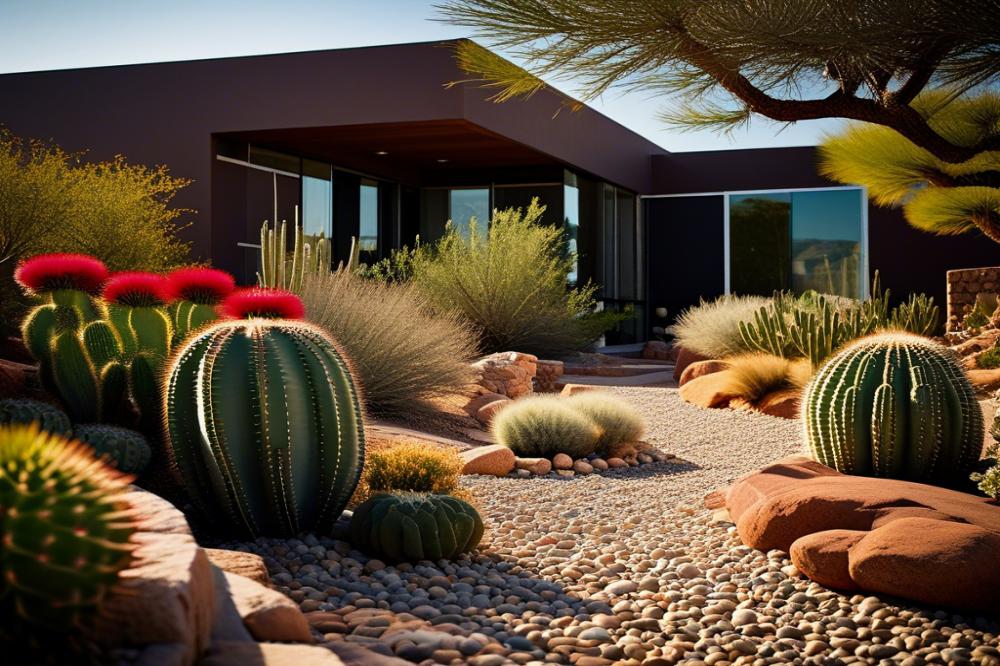
When it comes to maintaining flowering cacti, a little bit of knowledge goes a long way. Succulent care is about understanding the needs of these plants. Water conservation is critical, especially in arid climates. Let’s dive into some essential tips.
Essential Succulent Care Tips for Flowering Cacti
Choose planting locations carefully. Cacti thrive when they receive plenty of sunlight. In hot climates, protection from intense afternoon sun can prevent damage. Regularly check for pests. They can quickly harm your beautiful plants.
While drought-resistant plants don’t need constant watering, they still need attention. Water these cacti deeply but infrequently. This method helps roots reach moisture in the soil. As the seasons change, adjust your watering schedule accordingly.
Water Conservation Practices When Maintaining Cacti
Applying mulch around your desert landscaping can reduce evaporation. Organic options allow soil to breathe and retain moisture better. Consider drip irrigation for your outdoor aesthetics. This system delivers water directly where it’s needed.
Rainwater collection systems can also play a vital role. Directing that water to your plants during dry spells is wise. Remember, these plants are designed to thrive in low-moisture environments.
Soil and Sunlight Requirements for Optimal Growth
Soil plays a massive role in your cactus’s health. Good drainage is a must. A mixture of sand, gravel, and potting soil is ideal for these native plants. Additionally, cacti need well-aerated soil to prevent root rot.
Sunlight exposure truly matters too. Most ornamental cacti require full sun for at least six hours each day. When designing your garden, consider placing them where they receive ample light throughout the day. If you’re working on climate-appropriate gardening, always look at your specific plant variety’s needs.
By following these simple guidelines, you’ll set the stage for thriving cacti in your xeriscape. Low-maintenance landscaping can be both beautiful and practical. Your efforts will be rewarded with a stunning display of blooms and a sustainable garden.
Complementing Flowering Cacti with Native Plants
Choosing native plants can greatly enhance your xeriscaping designs. These selections, adapted to your local climate, require minimal water. By combining these drought-resistant plants with flowering cacti, you create a visually appealing landscape. Your garden will thrive while conserving water, a crucial factor in many regions.
One clear benefit of using native species is their compatibility with local wildlife. Birds, bees, and butterflies are often drawn to native blooms, enhancing outdoor aesthetics. This not only beautifies your space but also supports a balanced ecosystem. By nurturing such a habitat, you invite nature right into your yard.
Incorporating these plants promotes resilience in your garden design. Native plants are generally low-maintenance landscaping solutions. They thrive with little care, making them perfect companions for ornamental cacti. This combination frees up your time for succulent care and other gardening hobbies, allowing you to enjoy your outdoor space without constant upkeep.
When you choose climate-appropriate gardening practices, you create a sustainable environment. Pairing flowering cacti with perennial natives boosts their growth and longevity. Each plant type plays a significant role in your xeriscaping project. This synergy between plants facilitates better soil health and reduces the need for fertilizers.
Consider incorporating plants like lavender or agave, which complement cacti beautifully. These selections add texture and variety to any landscape layout. Together, they create an inviting atmosphere that captures attention and admiration. Ultimately, your garden becomes a reflection of nature’s beauty, showcasing the perfect blend of uniqueness and practicality.
Low-Maintenance Landscaping with Flowering Cacti
Creating a low-maintenance landscape with blooming succulents is both rewarding and practical. These drought-resistant plants thrive in dry conditions, making them perfect for desert landscaping. With minimal water needs, their resilience allows homeowners to enjoy beauty without the constant upkeep often required by traditional gardens.
Consider the various advantages of choosing ornamental cacti for your outdoor space. They require less frequent watering, which is essential for water conservation. Native plants, familiar with arid climates, mesh well with flowering options, fostering a harmonious ecosystem. This combination not only adds visual interest but also simplifies care routines.
Tips for Sustaining a Thriving Xeriscape
Start by selecting the right species suited for your garden design. Use a mix of colors and shapes to create an eye-catching display. Plant in well-draining soil to prevent root rot; this is crucial for succulent care. Mulching around plants can help retain soil moisture, meaning less frequent watering is needed.
Implementing drip irrigation can also streamline maintenance. This method delivers water directly to the roots, promoting efficient use of water. Regularly check for pests, as proactive measures can save time later. Take time to observe your garden; adjust care as plants respond to their environment.
Long-Term Benefits for Water Conservation
Incorporating these resilient options promotes water conservation over time. Less water use translates into savings on utility bills. Homeowners can feel good about reducing their environmental footprint while enhancing their outdoor aesthetics. This type of climate-appropriate gardening supports local wildlife, creating a thriving habitat.
A landscape filled with resilient blooms also adds lasting beauty. Natural color shifts throughout seasons provide dynamic visuals, offering a feast for the eyes year-round. Ultimately, this approach to gardening simplifies life, allowing more time to relax in a peaceful space.
Final Thoughts on Embracing Flowering Cacti in Xeriscaping
In summary, incorporating flowering cacti into your xeriscaping design offers not just beauty but also practical benefits. These plants thrive in dry conditions, adding vibrant colors to your garden while requiring minimal water. Their resilience makes them perfect for creating a visually appealing landscape that complements desert landscaping principles. When you choose such drought-resistant plants, you’re also making a choice to conserve water and reduce your gardening efforts.
Now, more than ever, gardeners are encouraged to explore the remarkable variety of cacti available. Many species bring not only aesthetic value but also thrive with little maintenance. Imagine a garden that blooms brilliantly, yet saves precious resources. By weaving these cacti into your design, you create stunning focal points that attract both attention and admiration.
Ultimately, climate-appropriate gardening is crucial as we face ever-changing weather patterns. By selecting plants that flourish in your local environment, you contribute positively to the ecosystem. Such decisions enhance your outdoor space while ensuring sustainability. So, consider adding flowering cacti to your yard. It’s a step toward a thriving, environmentally-friendly garden that showcases the beauty of native plants.


