Introduction
Chervil is a delicate herb that often goes unnoticed in gardens and kitchens. With its feathery leaves and subtle flavor, it brings a unique touch to many dishes. This herb, sometimes called French parsley, plays an important role in French cuisine. Its mild, anise-like taste brightens salads, soups, and sauces. Many chefs appreciate chervil uses as a finishing herb, adding freshness and elegance to any plate.
In the world of culinary flavors, few herbs can match the sophistication of chervil. It complements other fresh herbs, enhancing their flavors without overpowering them. The gentle taste of chervil often shines in recipes featuring eggs, fish, or chicken. Because of this, it is a favored ingredient in gourmet cooking. Those discovering the joys of growing chervil in an herb garden will find it rewarding.
Planting herbs such as chervil can elevate home cooking. Gaining knowledge about chervil care can help gardeners enjoy its beautiful foliage as well as its culinary uses. Utilizing proper gardening techniques contributes to thriving plants. Simple growing tips can lead to a rich harvest. Fresh chervil adds flair and depth to every meal, making it a must-have for any culinary enthusiast.
Chervil planting
Description of Chervil and Its Growth Habits
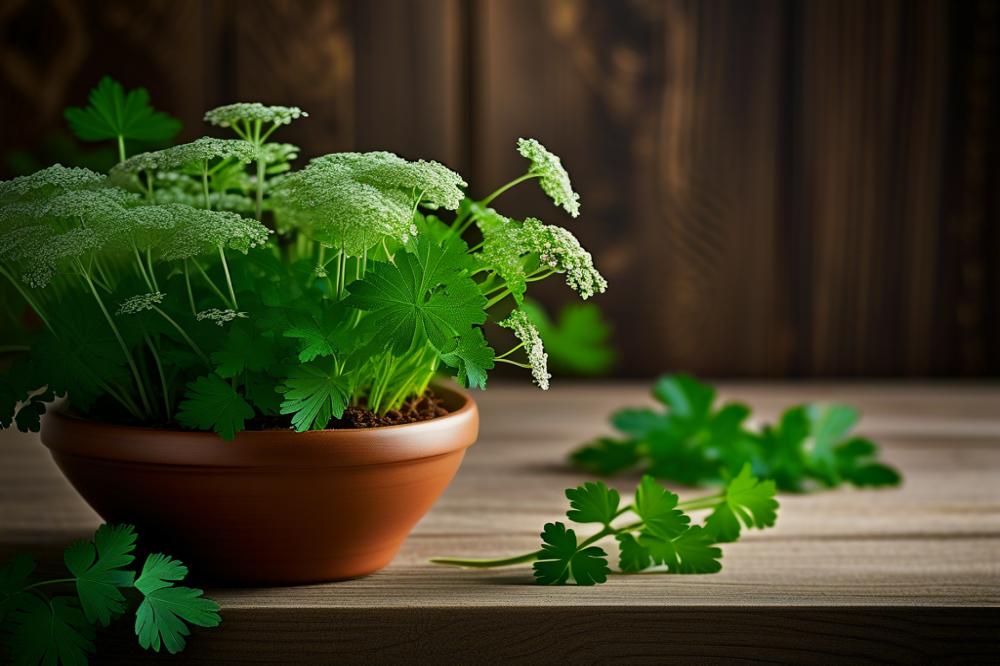
Chervil is a delicate herb known for its subtle flavor, often compared to a mix of anise and parsley. It grows upright, reaching heights of up to 24 inches. The leaves are feathery, bright green, and full of character. Gardeners appreciate its light aroma and its ability to enhance various dishes. This plant thrives in cooler temperatures and tends to bolt when the heat rises. Its graceful appearance adds beauty to any herb garden.
Ideal Growing Conditions for Chervil
When growing chervil, it’s crucial to provide optimal conditions. A partially shaded spot works best, as direct sunlight can stress this herb. Ideal temperatures range from 55°F to 70°F. Too much warmth will compromise flavor and texture. Well-draining soil is necessary for healthy growth. Sandy or loamy soil enriched with organic matter promotes robust development. Regular watering is also important; however, avoid soggy conditions.
Best Time for Chervil planting
The timing of planting chervil plays a significant role in its success. Seeds are best sown in spring or early fall. In spring, wait until the last frost passes to avoid damage. For fall planting, temperatures should remain cool, as the plant grows well until the first frost. Understanding your local climate can help in scheduling the planting correctly. Many gardeners prefer succession planting to extend their fresh herb supply.
Soil Preparation and Planting Techniques
Preparation of soil is vital before planting herbs like chervil. Start by loosening the soil to a depth of about 12 inches. Incorporate compost or well-rotted manure to foster nutrient richness. Aim for a pH of 6.0 to 7.0 for the best growth outcome. When planting, scatter seeds on the soil’s surface. A gentle pressing into the soil ensures good seed-to-soil contact. Thin seedlings to avoid overcrowding as they develop. Consistent chervil care involves keeping the soil moist but not waterlogged. Regularly check for pests and signs of disease to maintain a healthy herb garden.
Growing Chervil
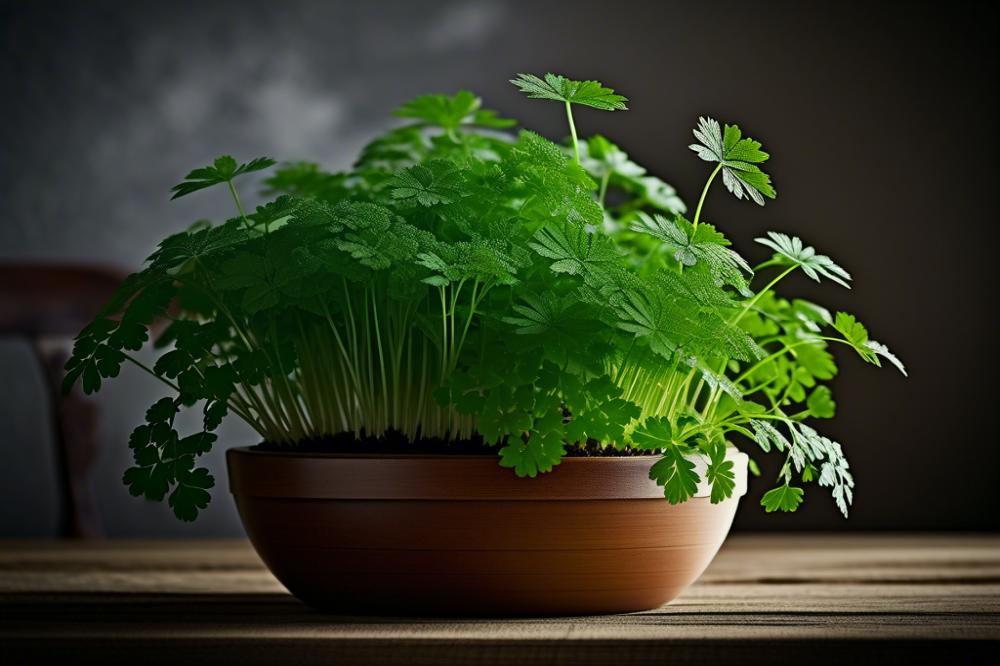
Growing chervil can be a rewarding experience for any herb gardener. This delicate herb thrives in cooler weather, making it perfect for spring and fall planting. Chervil prefers a shaded or partially shaded spot, as direct sunlight can cause it to wither quickly. Taking care to choose the right location is essential for vibrant growth.
Tips for successful chervil cultivation
Start with good soil. A rich, loamy mix will provide the nutrients chervil needs. Adding compost or organic matter can dramatically improve soil quality. When you plant, space seeds about 10 to 12 inches apart. Thinning seedlings will help them develop healthy roots. Regularly check for weeds that may compete with young plants.
Light and watering requirements
Watering should be consistent but not excessive. Allow the soil to dry slightly between watering sessions. This balance helps prevent root rot. Chervil prefers environments that are moist but not waterlogged. Observing the plant’s leaf texture can give clues. If leaves start to curl or turn yellow, it may need more water.
Companion planting and pest control
Chervil can benefit from companion planting. It pairs well with vegetables like carrots or tomatoes. These combinations can enhance flavors and deter pests. Furthermore, using natural pest control methods is effective. Introduce beneficial insects like ladybugs to keep harmful pests at bay. Keeping the herb garden clean and tidy also helps prevent infestations.
Incorporating these growing tips into your gardening techniques will lead to a healthy chervil crop. Harvest fresh herbs regularly to encourage new growth. Remember, chervil tends to bolt quickly, especially in warm weather. Regularly collecting its leaves not only prolongs its life but also yields delicious flavors for your culinary recipes.
Chervil Care
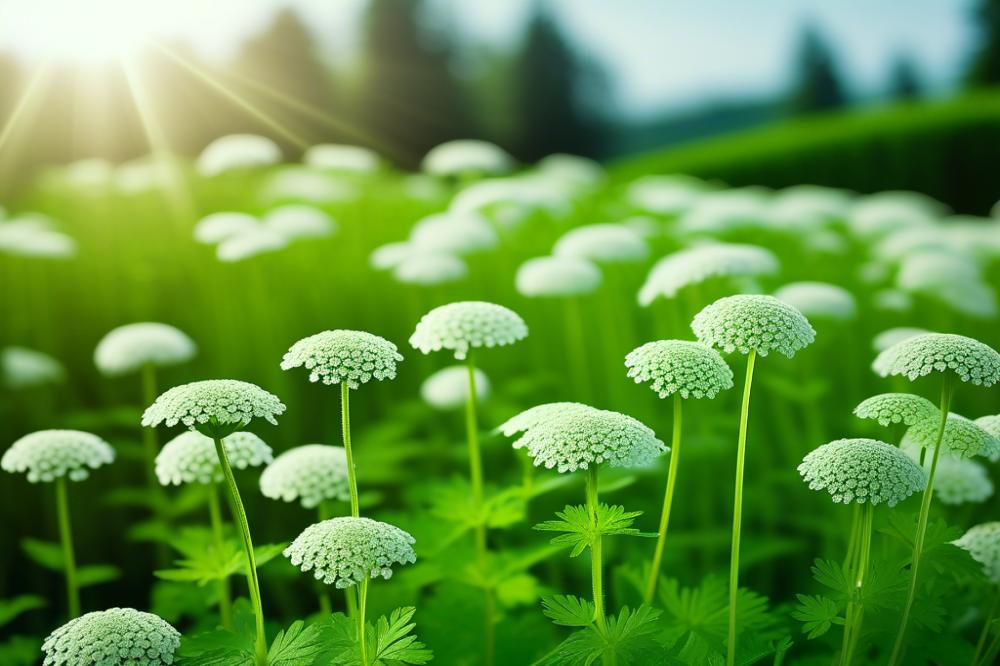
Routine maintenance is essential for healthy growth. Chervil thrives best in cool, moist conditions. Regular watering helps maintain the right level of moisture in the soil. When growing chervil, aim for consistent soil moisture without waterlogging. Mulching can also assist by keeping the soil damp and preventing weeds.
Fertilizing and Pruning Chervil
Periodic fertilization supports robust development. Use a balanced fertilizer for the best results. Apply it once every few weeks during the growing season. Pruning is another important aspect of chervil care. Snipping off the top leaves encourages bushier growth and prevents the plant from becoming too leggy.
Signs of Disease or Pest Problems and Solutions
Watch for early signs of trouble in your herb garden. Common issues include aphids and slugs, which can harm the delicate leaves. If you spot these pests, use mild insecticidal soap or a strong spray of water to dislodge them. Fungal diseases may also develop. Yellowing leaves or spots can indicate a problem. Good air circulation and avoiding overhead watering will help reduce these risks. If fungus appears, remove affected leaves promptly.
By keeping an eye on these aspects, you can enjoy the delightful culinary flavors of fresh chervil. Happy planting!
Chervil Uses
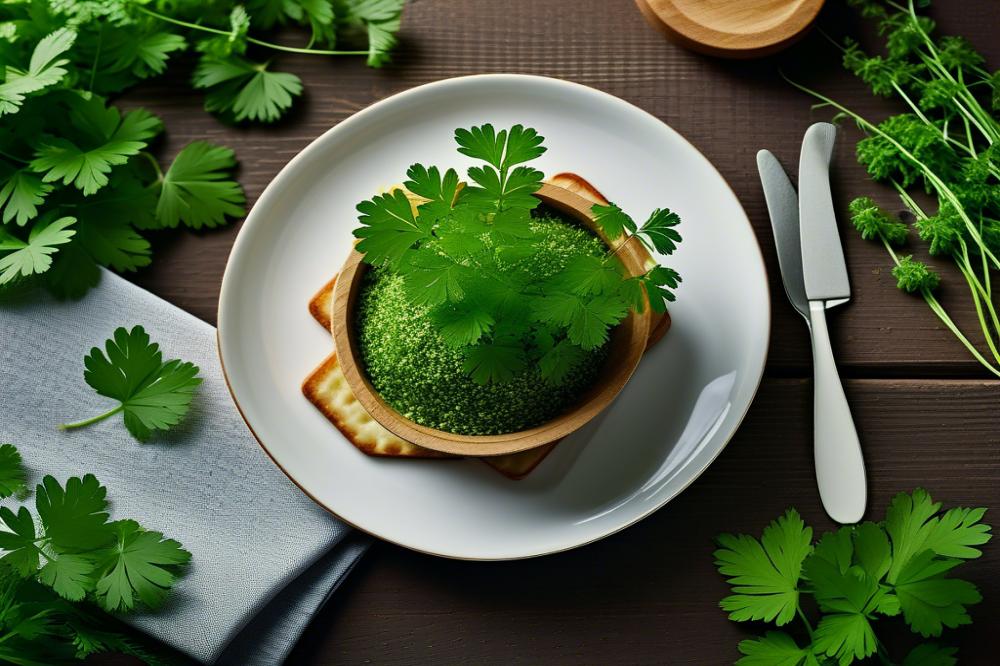
Culinary Applications of Chervil in Kitchen Recipes
Chervil offers a light flavor that can brighten many dishes. Often used in French cuisine, it enhances soups and sauces. This herb pairs well with fish, chicken, and eggs. Adding chervil to creamy dishes gives them a refreshing twist. In salads, it can add a delicate touch, making them more flavorful. A simple chervil recipe might include mixing it with butter for a herb-infused spread. It can also enhance homemade dressings, creating a taste that feels gourmet.
Pairing Chervil with Other Fresh Herbs
Combining chervil with other fresh herbs can lead to delightful flavors. Its mildness works well alongside tarragon and parsley. This trio can form the basis for classic French fines herbes. Thyme also complements chervil nicely, bringing a bit of earthiness into the mix. When creating a herb garden, consider planting these together. Each herb will benefit from the others’ characteristics. Therefore, the more herbs you experiment with, the richer your cooking will become.
How Chervil Enhances Delicate Culinary Flavors
Chervil acts as a subtle enhancer rather than a dominant flavor. When using it in dishes, you’ll notice a gentle brightness that elevates the meal. This herb brings a whisper of anise that is both intriguing and refreshing. It works wonders in egg-based dishes, amplifying their taste without overpowering them. The delicate nature of chervil also makes it an ideal garnish for soups or seafood. Overall, growing chervil can be a rewarding addition to anyone’s cooking routine. With proper chervil care, its beautiful leaves will flourish and provide culinary delights.
Growing Tips
Best practices for maximizing chervil yield
Soil that is rich and well-drained promotes healthy plants. Start by mixing compost into the ground for added nutrients. Alongside this, keeping the area moist without being soggy helps chervil thrive. Full shade or partial sunlight works best, so consider where you plant. Spacing seeds about six inches apart allows for ample growth. Regular watering is crucial, especially in dry spells. Monitoring for pests like aphids can save your crop from damage. Follow these gardening techniques to achieve a bountiful herb garden.
Harvesting techniques for optimal flavor
Picking chervil leaves at the right time enhances their taste. Usually, it’s best to harvest in the morning. That’s when the oils are most concentrated, ensuring full flavor. Use scissors to cut just above a leaf node. This encourages new growth, giving you more fresh herbs. Avoid taking more than one-third of the plant at once to keep it healthy. Knowing these tips can lead to a satisfying chervil recipe for your table.
Storing fresh chervil for later use
Fresh chervil can be delicate, so proper storage is key. Placing the leaves in a damp paper towel, then in a plastic bag, works well for preservation. Refrigeration keeps them fresh for a week, making it easier to enjoy culinary flavors later. If you wish to store them for a longer time, consider freezing. Chervil uses can include adding them to favorite dishes straight from the freezer. Keeping these storage methods in mind allows you to savor garden-fresh taste well beyond harvest time.
Chervil Recipe
Have you ever wanted to highlight the delicate flavors of chervil in your dishes? This simple recipe will help you do just that. Using fresh herbs like chervil offers a beautiful taste that enhances many meals. Let’s dive into a delightful dish that showcases the unique culinary flavors of this herb.
Simple Recipe Showcasing Chervil’s Flavor
Try making chervil-infused scrambled eggs. This dish brilliantly highlights the herb’s subtle flavor while incorporating other fresh ingredients. Here’s what you’ll need:
- 4 large eggs
- 2 tablespoons of milk or cream
- 1 tablespoon of fresh chervil, finely chopped
- Salt and pepper, to taste
- 1 tablespoon of butter or oil
Steps to Prepare the Dish with Chervil
- Begin by cracking the eggs into a bowl. Add the milk or cream to create a creamier texture.
- Whisk everything together until combined. The mixture should be frothy and light.
- Gently fold in the finely chopped chervil, giving the eggs an aromatic kick.
- Season with salt and pepper according to your preference.
- Heat a non-stick skillet over medium heat. Melt the butter or oil until hot.
- Pour in the egg mixture, letting it cook gently. Stir continuously but softly, ensuring even cooking.
- Remove the pan from heat when the eggs are still slightly runny, as they will continue to cook after removal.
- Serve immediately for the best flavor. This dish pairs beautifully with crusty bread or a light salad.
Remember the beauty of chervil lies in its delicate taste. Using fresh chervil in this recipe enhances the overall dish without overpowering it. This preparation is perfect for breakfast or brunch, showcasing one of the many chervil uses.
For those interested in expanding their herb garden, consider growing chervil alongside other herbs. It thrives well with plants like dill or parsley. Following proper chervil care will reward you with fresh herbs ready for many delightful dishes. Use these growing tips to foster a successful crop that enriches your meals.
Wrapping Up Your Chervil Journey
Chervil holds a special place in herb gardens. Its delicate, anise-like flavor can elevate many dishes. Incorporating it into your culinary repertoire adds a sophisticated touch. This herb is not just about taste; it also brings fragrance and a vibrant green color to your meals. Observing how chervil complements other ingredients can lead to delightful discoveries in flavor.
As you explore the world of cooking, consider how chervil can be used. It works well in salads, soups, and sauces. Fresh chervil leaves can be sprinkled atop dishes as a finishing touch. Many chefs appreciate this herb for its subtlety. It enhances without overpowering the main flavors of a dish. Regularly including it in your meals can open new avenues for creativity in your cooking.
Growing chervil requires some care, but the process is rewarding. Start with well-drained soil and a shady spot. Ensure it receives enough moisture, and your plants will thrive. Harvesting should be done regularly to encourage new growth. With the right approach to chervil care, you can enjoy a bountiful supply throughout the season.
Feel encouraged to dive into herb gardening. Embrace the challenge of planting various herbs, including this one. Experimentation can yield beautiful results and enhance your dishes. So, gather your gardening tools and get started. The world of herbs is waiting for you, and chervil is a beautiful addition to explore. Happy gardening and cooking!