The Role of Borage in Boosting pollination in Your Garden
gardening offers a special connection to nature. One of the most important aspects of this practice is pollination. It helps plants reproduce and produce fruits and seeds. Healthy pollination supports vibrant, thriving gardens. Without it, many plants struggle to flourish.
Attracting pollinators, especially bees, is crucial for any herb garden. These industrious insects visit flowers, collecting nectar and pollen. In the process, they help fertilize plants, promoting growth. A garden filled with flowers will invite these important visitors. A wide variety of blooming flora enhances biodiversity. This creates a balanced ecosystem, resulting in healthier soil health.
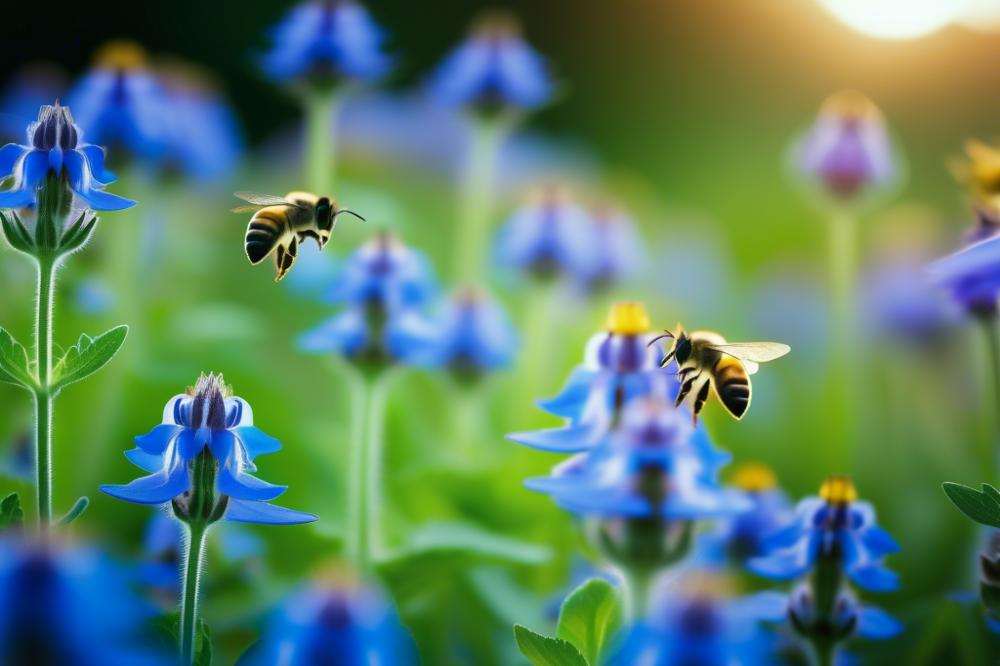
One excellent companion planting option to consider is Borage. This flowering plant has beautiful blue star-shaped flowers. It not only adds charm to your garden but also attracts bees. When bees are drawn to your flowers, they significantly boost pollination. They ensure that your plants yield abundantly. Combining borage with other herbs creates a lively and productive space.
Incorporating garden tips focused on attracting pollinators can lead to great results. Emphasizing flowering plants is vital. They create a colorful atmosphere and provide resources for bees. Ultimately, nurturing an environment that attracts these essential species will help your garden thrive.
Understanding Borage
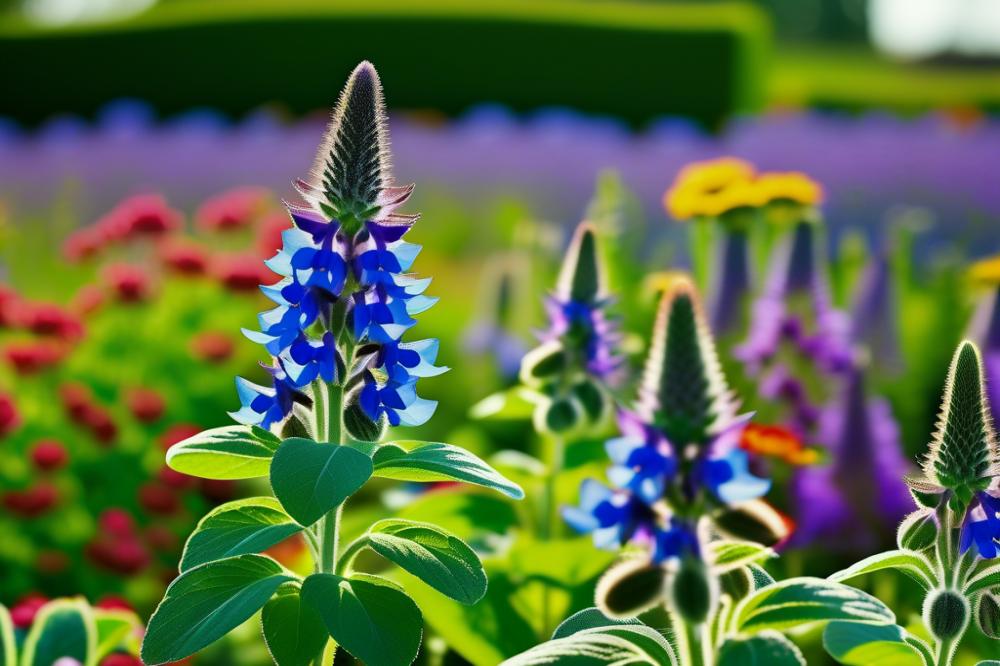
Borage is a striking herb known for its vibrant blue flowers and fuzzy leaves. This flowering plant is easy to grow and thrives in well-drained soil. It loves full sunlight but can also tolerate partial shade. Whether in a garden bed or a container, this herb adapts well to various settings.
The flowers are shaped like stars, which makes them visually appealing. Their bright blue color attracts many types of pollinators, especially bees. When placed in your garden, borage acts like a magnet for these important creatures. As bees visit the blossoms, they contribute to the pollination of nearby plants, boosting overall garden health.
Incorporating this herb into an herb garden brings multiple benefits. It fosters biodiversity by attracting various pollinators to your outdoor space. Companion planting with borage can protect other plants from pests. This herb releases nutrients into the soil, enhancing soil health over time. Those who practice gardening will appreciate how its presence can improve the growth of neighboring vegetables and herbs.
Additionally, borage’s leaves and flowers are edible. You can add them to salads or use them for decoration. This means it’s not only beneficial for wildlife but also adds value to your meals. Many gardeners consider it a versatile herb that serves both decorative and practical purposes.
Planting borage in your yard is a smart move. It helps create a welcoming environment for pollinators. With just a few seeds, you can promote a thriving ecosystem. Following some simple garden tips can maximize its impact. Make sure to space plants properly to allow for airflow and easy access for pollinators.
This herb can thrive in diverse climates. Whether you live in a warmer southern region or a cooler northern area, you can find a suitable spot for it. Given its resilience, borage is a great choice for both novice and experienced gardeners alike.
Borage and Pollination
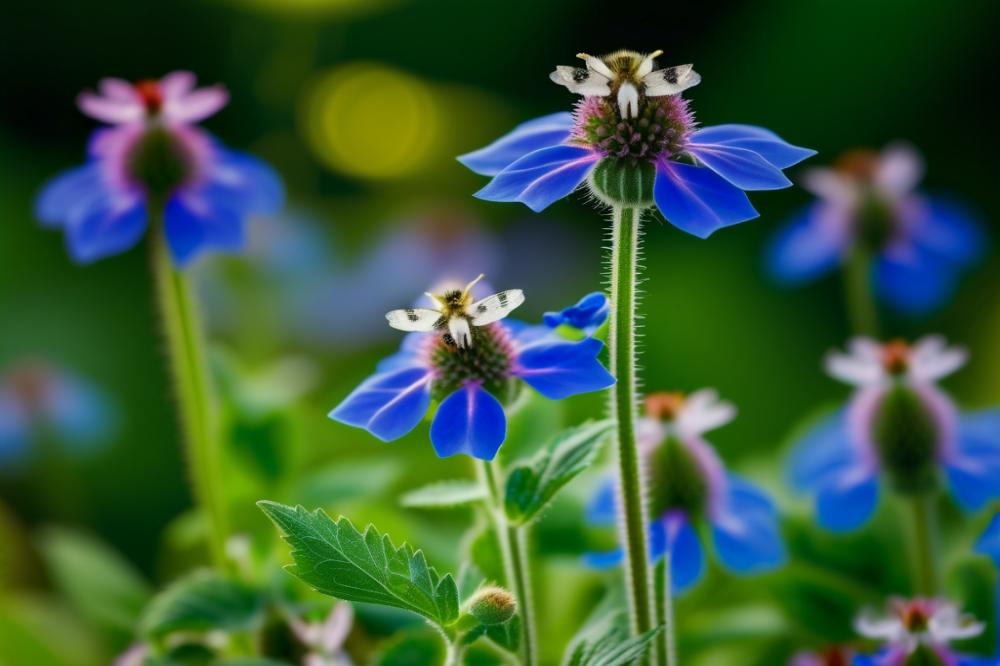
The flowers of borage serve as a magnet for various pollinators, especially bees. Their bright blue color stands out in any garden setting, making it easy for these insects to spot them. Each flower features a star-shaped design, with five petals that are both attractive and functional. Bees are drawn to the shape and structure, which allows for easy access to nectar.
Pollination is crucial in gardening. When bees visit these flowers, they gather nectar and, in the process, transfer pollen from one bloom to another. This interaction helps many plants reproduce and thrive. Additionally, the nectar production of borage is rich, providing a reliable food source for not just bees but also other important pollinators such as butterflies and hoverflies.
Companion planting is another aspect to consider. Borage can be planted alongside various flowering plants, enhancing the overall pollination in the garden. This not only supports individual plants but also contributes positively to soil health. As borage grows, it adds organic matter to the soil when it dies back, further promoting a thriving ecosystem.
Incorporating borage into your herb garden may lead to improved biodiversity. The diverse range of species attracted to this plant helps create a balanced environment. A garden rich in biodiversity appears more vibrant and is typically more resilient to pests and diseases. By attracting a variety of pollinators, your gardening efforts become more productive, yielding better harvests.
Garden tips often include the suggestion to use flowering plants to encourage a healthy pollinator population. By adding borage, you not only beautify the area but also play a vital role in supporting these essential creatures. Each time bees visit these flowers, they help the entire garden flourish.
Companion Planting with Borage
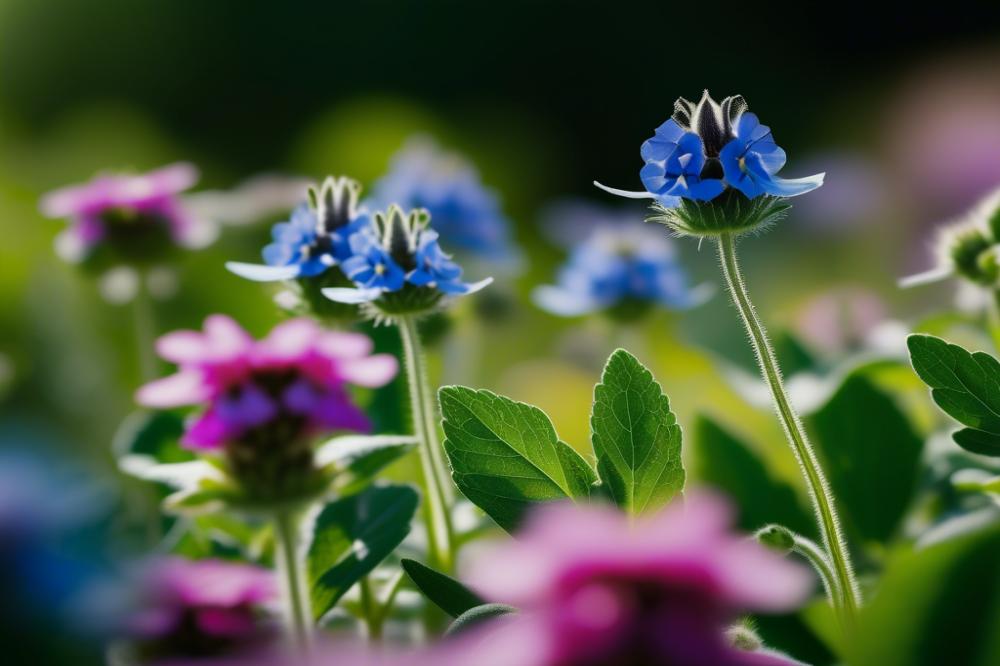
Companion planting is a gardening technique that promotes plant growth by placing compatible species together. This practice not only helps plants thrive but also supports biodiversity. In your garden, some vegetables and herbs can greatly benefit from being near borage. This flowering plant attracts various pollinators, especially bees, enhancing the overall productivity of your garden.
Plants such as tomatoes and strawberries often thrive when situated close to borage. These fruits typically enjoy the increased activity from bees, which enhances pollination. Additionally, having this flowering plant nearby can help deter pests like aphids. Growing herbs like basil and dill alongside it is also a good idea because they can benefit from the increased pollinator presence in the garden environment.
When planning your garden layout, think about spacing as an essential factor. Borage can expand quite a bit, so give it enough room to spread. Aim to plant it at least 12 inches away from other crops. This distance prevents competition for nutrients and sunlight. A good tip is to place borage at the edges of your herb garden. That way, its bold flowers can attract pollinators without overshadowing other plants.
Many gardeners appreciate how borage enhances soil health as well. Its deep roots can help improve soil structure and bring nutrients closer to the surface. Different flowering plants nearby can further attract a diverse range of beneficial insects. Always consider the overall design of your garden when deciding where to plant, ensuring every part works together harmoniously.
Using borage in companion planting benefits not only the plants around it but also the entire ecosystem. With its striking blue flowers and ability to attract bees, this plant can truly transform your garden. Follow these guidelines, and watch as your plants thrive in a bustling, biodiverse environment.
Enhancing Soil Health with Borage
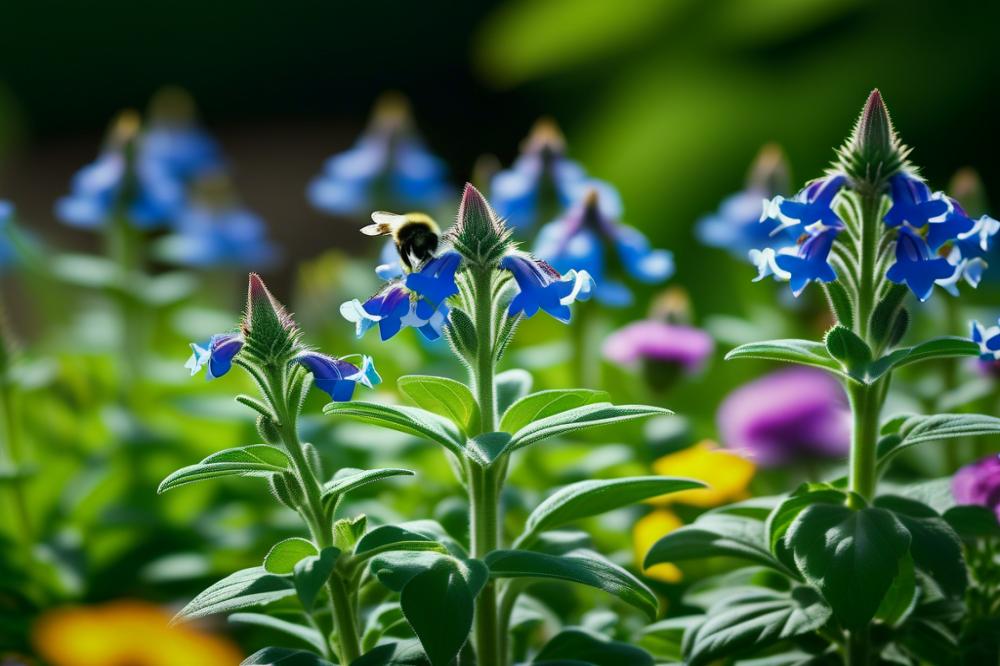
Planting borage in your garden can significantly benefit soil health. This flowering plant boasts a deep root system. Such roots reach deep into the ground, breaking compacted soil layers. This process helps air and water circulate better. Improved drainage can result in healthier plant roots.
Nutrients play a crucial role in any garden’s success. Fortunately, borage acts as a natural nutrient booster. It is known to accumulate nitrogen, an essential nutrient for many plants. When you add its leaves to compost or mulch, they enrich the soil. As they decompose, they release vital minerals back into the earth, enhancing fertility.
This plant attracts beneficial insects, like bees and other pollinators. Enhanced biodiversity in your garden can lead to improved ecosystem stability. More diverse plant life encourages a variety of species to thrive. Each pollinator plays a specific role in ensuring your flowers flourish. Without them, many plants struggle to reproduce effectively.
Companion planting is a valuable technique for gardeners. Using borage alongside vegetables creates a symbiotic relationship. The flowers not only beautify the garden but also deter harmful pests. This can reduce the need for chemical interventions, promoting a healthier environment.
An herb garden can greatly benefit from the unique properties of borage. The plant emits a cucumber-like scent that many find appealing. This aroma can attract even more beneficial insects. More pollinators visiting your flowers means higher rates of fruit and seed production.
Adopting garden tips that include borage can transform your growing space. Understanding its benefits will allow you to create a thriving ecosystem. You’ll notice improvements in soil health, plant growth, and overall garden vitality. Embracing this strategy can lead to a more sustainable gardening experience.
Garden Tips for Growing Borage
Growing borage can be a rewarding experience. This flowering plant not only beautifies your garden but also attracts important pollinators, like bees. When planting, choose a location that gets full sun. Ideally, borage thrives in well-draining soil with good organic matter.
Start by sowing seeds directly into the garden in early spring. If you live in a colder climate, consider starting the seeds indoors and transplanting them later. Seeds should be spaced about 12 inches apart to allow for proper growth. Remember, these plants can grow quite large, so giving them room is crucial.
Watering is essential, especially in the dry months. However, let the soil dry out between waterings to maintain soil health. Nutrient-rich soil will help the flowers flourish. Fertilizers may not be necessary unless your soil lacks nutrients. Since it can self-seed, monitor its growth so it doesn’t take over your garden.
Companion planting is a wonderful technique to employ. Borage can benefit nearby vegetables such as tomatoes and cabbage. Its leaves can act as a natural pest deterrent, while the flowers invite more pollinators to the area. This natural relationship helps boost biodiversity in your garden.
When it comes to harvesting, the flowers and leaves are both edible. Pick flowers when they’re fully open, as they exhibit the brightest colors. Use them in salads or as decorations for dishes. Leaves can be used in herbal teas or added to salads but should be consumed in moderation due to their rough texture.
For aiding pollinators, consider planting borage in clusters. Grouping them will create an inviting space for bees and other insects. A flower patch brimming with blooms acts like a beacon, enhancing the attraction for these vital helpers.
In conclusion, with the right attention, borage can dramatically improve your garden’s productivity. Seeds are cost-effective, and their bright blue flowers add a pop of color to any herb garden. Safe growing practices, such as proper watering and mindful planting, will allow it to become a staple in your gardening routine.
Final Thoughts
Embracing the role of borage in your garden can significantly enhance pollination. This herb attracts beneficial insects that are essential for fertilizing flowers. Without these pollinators, many plants struggle to produce seeds and fruit. Its vibrant blue flowers not only add beauty but also serve as beacons for bees and butterflies.
Planting this herb can help in creating a more balanced garden ecosystem. A diverse environment supports various insects that contribute to soil health and plant vitality. Biodiversity is crucial for the resilience of any garden. By choosing to grow this herb, you contribute to an enriching cycle of life.
Think of incorporating it as an essential part of your herb garden. By doing so, you can achieve a richer garden landscape, filled with lively activity. Borage stands out as an important ally for any gardener. Consider investing in this herb and watch your garden thrive.