
Introduction
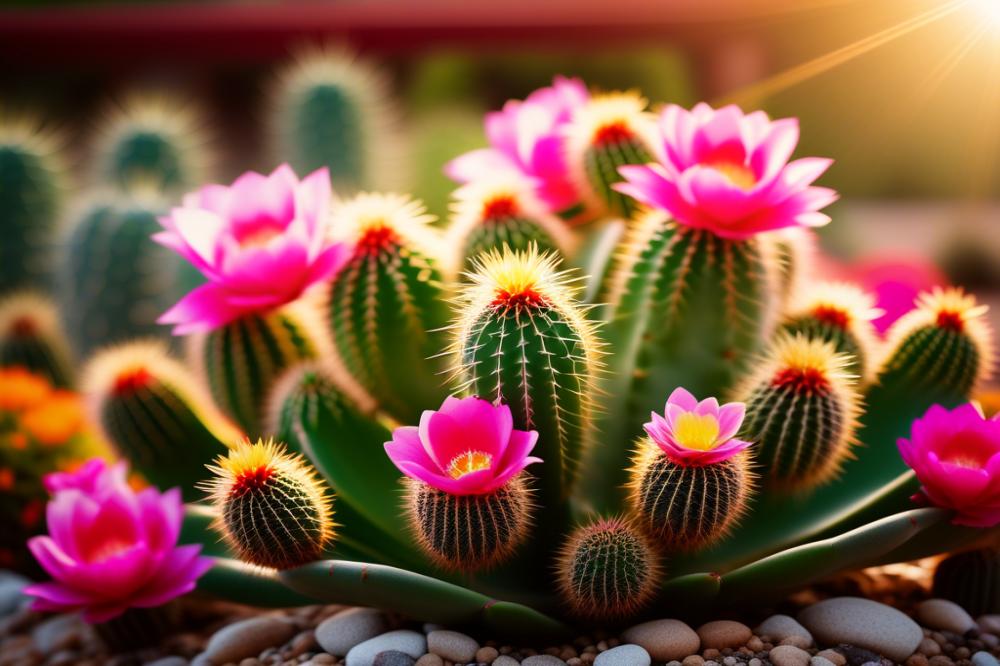
Flowering cacti are fascinating plants that grab the attention of many gardening enthusiasts. These distinctive succulents not only bring vibrant colors to your space but also serve as a testament to the beauty of nature. The stunning cactus blooms often leave a lasting impression, enchanting friends and family alike.
For plant lovers, cacti propagation provides an exciting opportunity to expand their collection. With a variety of propagation methods available, gaining new cactus seedlings becomes a rewarding venture. Successful propagation can lead to a flourishing indoor garden filled with thriving flowering plants.
This article aims to guide you on how to propagate flowering cacti from blooms effectively. You will learn essential care tips and the rooting process involved in transforming blooms into healthy new plants. Whether you are a novice or an experienced gardener, the knowledge shared here will help enhance your gardening techniques and boost your plant care skills.
Join us as we explore the captivating world of flowering cacti and break down the steps to successful cacti propagation. Your journey to creating a beautiful collection of cacti starts now!
Understanding Flowering Cacti

Definition and Characteristics of Flowering Cacti
Flowering cacti are a captivating group of succulent plants known for their stunning blooms. These unique plants have adapted to dry environments, storing water in their fleshy stems. Spines replace leaves, providing protection and reducing water loss. Many enthusiasts admire their vibrant, waxy flowers that can appear in various colors and shapes. They often thrive in warm and sunny conditions, making them perfect for indoor gardening.
Types of Flowering Cacti and Their Blooms
Many types of flowering cacti exist, each boasting its own charm. The Easter cactus produces delicate pink and white blooms, brightening any space. The Christmas cactus, on the other hand, showcases rich red and fuchsia flowers around the holiday season. Other varieties include the Opuntia, also known as prickly pear, which brings forth delightful yellow and orange blooms. Each type has its own blooming period, adding diversity to any garden.
Relationship Between cactus blooms and Propagation Potential
Understanding cactus blooms can unlock the path to successful propagation methods. Flowers are not just lovely; they play a crucial role in producing seeds. Seeds from vibrant blooms are potential cactus seedlings, ready to start new life. Observing when blooming occurs is essential for timing your propagation efforts. Cacti can be propagated from seeds or cuttings, each method requiring specific care tips.
When dealing with the rooting process, be patient. Flowers indicate that a plant is healthy, increasing the chances of successful propagation. Take care of the parent plant well when you want to produce more. Good plant care also ensures a higher yield of seeds. Every connection between cactus blooms and their ability to reproduce holds significant gardening techniques.
By knowing these details, anyone can step into the rewarding world of flowering cacti. Embrace the beauty of these plants while enjoying the thrill of propagating them. Your collection will flourish, bringing joy and colors to your living space.
Propagation Methods for Flowering Cacti
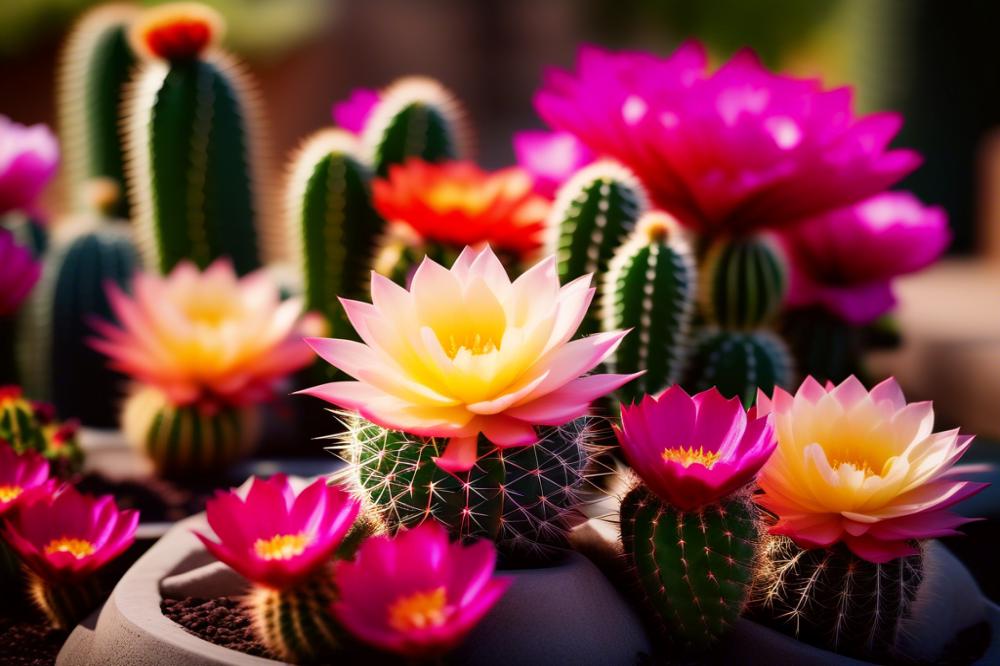
Flowering cacti offer stunning colors and unique shapes, making them exciting additions to your indoor garden. To grow new plants, you can explore different propagation methods. Learning about these options allows you to choose what works best for your situation.
Using Seeds from Cactus Blooms for Propagation
Cactus blooms produce seeds that can lead to new plants. Collecting seeds from mature flowers is the first step. After gently removing the seeds, you should store them in a cool, dry place until you’re ready to plant. The planting process involves filling a tray with soil mix suitable for cacti. Plant the seeds about a quarter of an inch deep. Keep the soil moist but not soggy. With patience, you’ll see cactus seedlings emerge, offering a rewarding experience. Remember, it may take weeks or even months before your seeds sprout. Be patient and provide adequate light and warmth for growth.
Asexual Propagation Methods: Cuttings and Offsets
Asexual propagation can be quicker than growing from seeds. This method involves taking cuttings from existing plants. Choose healthy stems to ensure strong growth. Allow the cut end to callous over for a day or two before planting it in soil. Be mindful that cacti can be prickly, so use gloves while handling. Offsets, or small pups, can easily be removed from the base of the mother plant. Carefully separate the pups and plant them in their own pots. These methods can lead to faster growth and strong new plants.
Comparison of Methods and Their Suitability for Indoor Gardening
Every propagation method has its pros and cons. Growing from seeds is rewarding but requires more time and care. Asexual propagation is often preferred by indoor gardeners due to its quicker results. Cuttings and offsets can help you expand your collection in a shorter time frame. If you seek immediate satisfaction, asexual methods might be the way to go. On the other hand, if you enjoy the challenge and oh-so-rewarding process, consider using seeds from those vibrant cactus blooms. Regardless of the method you choose, understanding proper plant care is crucial. Good gardening techniques will keep your flowering plants healthy and thriving.
The Rooting Process

Step-by-step guide to rooting cactus cuttings
Start by selecting healthy cactus blooms. Choose cuttings that are firm and have vibrant colors. Using a sharp, sterilized knife, cut the cactus at an angle. This helps create a larger surface area for rooting. Allow the cuttings to dry for a few days. This drying period helps prevent rot once planted.
After they’ve dried, prepare your potting materials. Use a well-draining potting mix specifically designed for succulent plants. Fill a small pot with the mix, making it easy for water to flow through. Create a small hole in the center of the soil. Gently place the cutting into the hole and lightly pat the soil around it. Water the cutting sparingly. Overwatering can be detrimental during this rooting process.
Factors affecting the rooting success of flowering cacti
Light conditions play a significant role in rooting. Bright, indirect sunlight is ideal for cactus seedlings. Too much direct sunlight can scorch the cuttings. Temperature control is also important. A warm environment promotes quicker rooting. Aim for temperatures between 70°F to 80°F for best results.
Humidity levels contribute to the overall success as well. Higher humidity can aid in rooting but should be monitored. Dry air may slow down or prevent the process entirely. Choosing the right time of year matters too. Spring and summer are the preferred seasons for rooting. During these months, plants are naturally more active and ready to grow.
Importance of proper potting mix and drainage
Selecting the right potting mix can’t be emphasized enough. Cacti need a soil blend that drains well. Without proper drainage, roots can quickly rot in moisture. Look for a mix with sand or perlite to enhance drainage. This allows any excess water to escape, promoting healthier cactus growth.
Proper pot drainage is just as crucial. A pot with drainage holes helps remove excess water. It’s a must-have feature when dealing with flowering plants. Consider using clay pots that offer breathable walls for the cacti. Monitoring watering habits contributes to overall plant care. Over time, you’ll find the perfect balance for your indoor gardening space. Bask in the joy of watching your flowering cacti thrive from your careful efforts!
Care Tips for Growing Cactus Seedlings
Starting from cactus blooms offers a rewarding challenge for any gardening enthusiast. Caring for newly propagated cactus seedlings can be vital for their growth. Following simple guidelines in plant care can lead to success.
Essential care for newly propagated cactus seedlings
The initial stages of growing cactus seedlings require patience. A suitable environment can provide the right foundation. Opt for small pots with good drainage. This helps to prevent root rot, a common issue among succulent plants.
Watering techniques and light requirements
Watering should be approached with caution. Cactus seedlings thrive in dry soil. It’s crucial to allow the soil to dry out completely before watering again. Regular checks can help gauge moisture levels effectively.
Bright light is essential for these flowering plants. Place seedlings where they receive indirect sunlight. Too much direct sun can scorch young cacti. A balance is necessary for healthy growth.
Feeding and fertilization for optimal growth
Nourishing cactus seedlings can speed up their progress. Use a diluted cactus fertilizer once every few weeks. This will help supply essential nutrients. The right nutrients will help achieve better blooms later.
Common challenges and how to overcome them
New cactus gardeners may face various challenges. Overwatering is a prevalent mistake that can hinder the rooting process. If leaves turn yellow or mushy, this often indicates excess moisture. Adjust your watering habits to combat this.
Pests can also become problematic for indoor gardening. Regularly inspect the leaves for any signs of distress. Using neem oil can be an effective treatment for unwanted bugs. Always take action at the first sign of trouble.
Learning effective gardening techniques can elevate your hobby. With time, the care tips outlined here will help you grow stunning cactus seedlings. Each step is an opportunity to enjoy the fruits of your labor.
Final Thoughts on Propagation Techniques
Propagating flowering cacti is an exciting journey. It begins with understanding how to cultivate from those stunning cactus blooms. Remember that selecting the right method is crucial to your success. Whether you prefer cuttings or seeds, each approach offers its own rewards.
Take a moment to reflect on the steps you’ve learned. Start by gathering healthy stems, treat the cut ends, and then plant them in suitable soil. With patience and care, you will witness new life emerging from the ground. It’s truly uplifting to see your efforts blossom in such a vibrant way.
Exploring various gardening techniques can enhance your experience even further. Numerous propagation methods exist, and each one can lead to a thriving collection of unique cacti. Don’t hesitate to experiment and find what works best for you. Over time, your green thumb will grow stronger.
Many find immense joy in nurturing succulent plants through propagation. Watching them thrive connects us to nature in a special way. Each new plant represents a small victory, a testament to your dedication. Cacti can bring a touch of beauty into any space, brightening your home and inviting a sense of peace.
As you embrace this hobby, remember that every step in the propagation process holds value. With time, you will gain confidence in your abilities. Share your passion with friends and encourage them to join you on this beautiful journey of growth. Happy gardening!


