
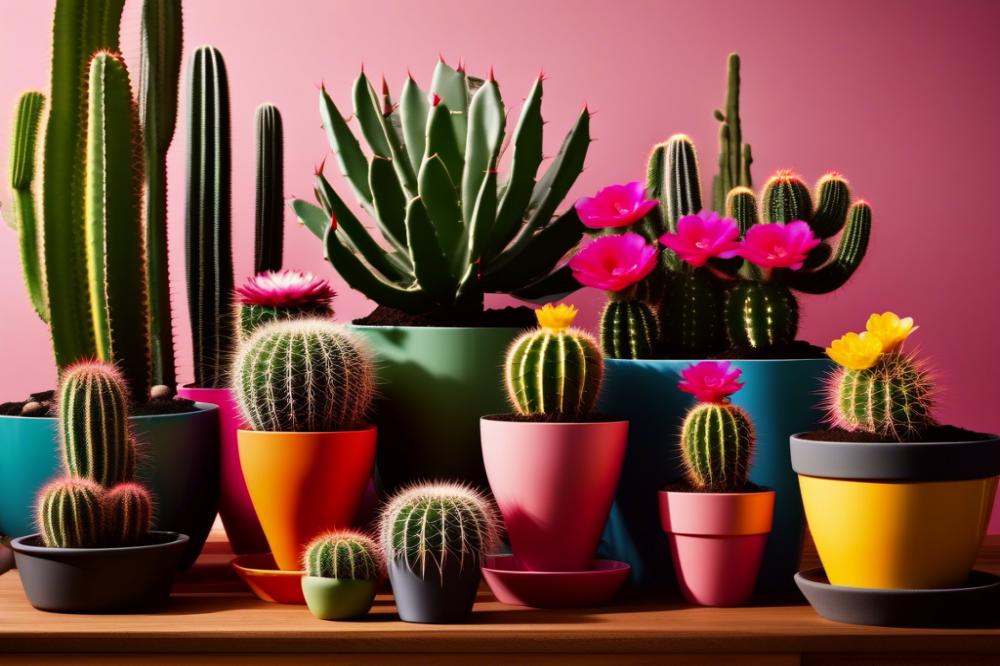
The Best Soil Mixes for Healthy Flowering Cactus Growth
When it comes to growing flourishing flowering cacti, soil plays a crucial role. Healthy soil for cacti not only supports root development but also helps with water drainage and nutrient absorption. Flowering cacti have distinct needs that set them apart from other plants. These vibrant beauties thrive in a specific environment that promotes growth and flowering.
Succulent soil lacks the structure necessary for these unique cacti, while traditional potting mixes retain too much moisture. Flowering cacti require a well-draining cactus potting mix that prevents root rot, a common issue for these plants. The right soil retains enough moisture without drowning the roots. This delicate balance is essential for providing the necessary nutrients for cacti to bloom beautifully.
Understanding pH balance is also important. An ideal pH level ensures plants can absorb nutrients effectively. Choosing the best soil mix involves looking for materials that support both moisture retention and drainage. Soil amendments, like perlite or sand, can help achieve this balance.
Repotting cacti is another key consideration. Whether you’re transitioning to a larger pot or refreshing old soil, selecting the appropriate cactus mix will support healthy growth. The mix should cater to the needs of flowering cacti and promote robust foliage. In this article, we’ll explore the leading soil options that will elevate your flowering cactus experience. Get ready to watch your cacti thrive!
Understanding flowering cactus soil
flowering cactus soil is essential for the health of these unique plants. Choosing the right soil mix can determine how well your cactus grows and blooms. Poor soil can lead to issues like root rot or inadequate nutrient uptake. Thus, it’s crucial to select a quality potting mix that supports flowering cacti.
Key Factors Influencing Soil Health
Several factors contribute to the vitality of cactus soil. One important aspect is the pH balance. Cacti generally thrive in slightly acidic to neutral conditions, around 6.0 to 7.0. Maintaining this balance helps plants absorb nutrients effectively.
Additionally, nutrients for cacti must be well represented in the soil. Cacti need nitrogen, phosphorus, and potassium for growth and blooming. Feeding them the right amount of these elements ensures they remain healthy and vibrant.
Another key factor is moisture retention. While cacti are drought-tolerant, some moisture is necessary for growth. Using a cactus potting mix that holds moisture without becoming soggy is ideal. This balance prevents overwatering while providing enough hydration.
Characteristics of Cactus Potting Mix
A proper cactus potting mix possesses specific characteristics. Good drainage is vital; it’s the best way to keep roots from sitting in water. Ingredients like perlite or pumice can be mixed in to enhance drainage. These materials help prevent root rot, which can be detrimental to cacti health.
When repotting cacti, selecting a mix designed specifically for them is advisable. Look for soil for cacti that includes sand or coarse materials along with organic matter. This combination creates a texture that allows air to reach the roots and promotes growth.
Moreover, soil amendments can be beneficial. Adding some compost or worm castings might provide essential nutrients and improve soil structure. However, it’s essential not to overdo it, as too much organic matter can retain too much moisture.
Finding the best soil mix will make a big difference in your cactus’s health and flowering potential. Pay attention to these factors when caring for your flowering cacti. Your plants will thank you with beautiful blooms and robust growth!
Components of an Ideal Cactus Soil Mix
Creating the best soil mix for healthy flowering cactus growth involves understanding several key components. First, gritty materials play a crucial role. They promote excellent drainage and prevent root rot. Next comes organic matter, providing nutrients for cacti while keeping the mix balanced. Lastly, moisture control is essential. Cacti need a blend that retains some moisture without becoming waterlogged.
When it comes to soil for cacti, you have a few top options to consider. Items like pumice are lightweight and improve aeration. Perlite, another favorite, also helps with drainage. Coarse sand can be added for extra grit. Combining these materials creates a cactus potting mix that suits the needs of your plants perfectly.
Understanding the role of succulent soil is important too. This type of mix is designed for plants that store water, like cacti. Differences exist between succulent soil and standard garden soil. Regular garden soil often retains too much moisture, which can lead to root issues. On the other hand, succulent mixes ensure that your plants thrive by offering proper moisture retention while keeping the pH balance ideal.
When repotting cacti, using the right soil amendments can significantly impact their growth. Look for a combination that allows for proper airflow around the roots. The best soil mix should be versatile yet specific enough to cater to your cactus’s needs.
Finding a good mix can be the difference between vibrant blooms and struggling plants. Don’t underestimate the importance of choosing quality materials. With a little knowledge and the right ingredients, you can cultivate a flourishing cactus garden.
Drainage and Moisture Retention
Drainage is critical in soil for cacti. Without it, water can accumulate and lead to severe problems. Good drainage allows excess water to flow away, preventing root rot. This is especially important for flowering cacti, which can be very sensitive to overly wet conditions.
Poor drainage can drastically affect the health of your cacti. Conditions like soggy soil can stunt growth and even kill your plants. Yellowing leaves are a common sign that your cactus is not getting enough air or is sitting in water. The roots may begin to decay. Over time, the stress can also impact flowering, reducing the beauty and enjoyment of your plant.
To enhance moisture retention, select a cactus potting mix with the right ingredients. Including materials like perlite or pumice can improve drainage while still retaining necessary moisture. Mixing in organic materials can also help. Consider using a succulent soil that keeps the plants hydrated without causing waterlogging. Some amendments can create a better pH balance, which is vital for the health of cacti.
When repotting cacti, always check the mix. You want a blend that promotes both drainage and moisture retention. Adjustments like adding sand or gravel can provide extra support. Finding the best soil mix takes some experimentation, but the reward is worth it. Your flowering cactus will flourish and show off its vibrant colors with the right foundation.
Soil Amendments for Optimal Growth
Creating a thriving environment is essential for your cacti. Soil amendments can make a big difference in their growth. Common amendments include perlite, pumice, and coarse sand. These materials improve drainage, which is crucial for cactus health. A well-draining potting mix helps prevent overwatering, a common issue for many cactus owners.
Understanding pH balance is important too. Cacti prefer slightly acidic to neutral soil, typically between 6.0 and 7.5. You can adjust the pH using products like sulfur or lime. Be cautious when making changes. Test the soil first to avoid a sudden shift that could harm your plants. Regular testing keeps the pH within the desired range.
Nutrients for cacti are vital for healthy growth and flowering. While many commercial cactus potting mixes contain some nutrients, additional amendments can enhance them. Consider using organic fertilizers or slow-release options. Mix these into the soil during repotting cacti to give your plants a boost. Focus on ensuring they have the right balance of nutrients, which promotes vigor and resilience.
Timing matters when making amendments. Repotting cacti provides the perfect opportunity for modifications. Choose the right season; spring is typically best. When you take a cactus out of its pot, inspect the roots. Trim any dead or mushy roots to encourage new growth. Mix your amendments into the fresh soil before replanting.
Moisture retention is another key factor. Some soil for cacti blends moisture-retentive materials, which can be beneficial. This balance keeps your plants hydrated without the risk of rot. Using a mix of gritty and moisture-retaining components offers flexibility. Your goal is to create a tailored environment that allows for both drainage and some moisture retention.
Best Soil Mixes for Specific Flowering Cactus Varieties
Different types of flowering cacti thrive in specific conditions. Knowing which soil works best for each type can lead to stunning blooms and healthy growth. The right soil mix plays a vital role in your cactus’ vitality.
Recommendations for Soil Mixes Tailored to Various Flowering Cactus Species
For species like the Easter cactus, a mix containing equal parts succulent soil and potting soil can promote moisture retention without waterlogging. This combination allows for drainage but still provides a bit of moisture retention. On the other hand, for a more desert-loving variety like the barrel cactus, a mix of one part potting soil, one part sand, and one part perlite creates an ideal environment. This blend encourages excellent drainage and prevents root rot.
Comparison of Homemade vs. Commercial Cactus Potting Mix
You might wonder whether to purchase commercial cactus potting mix or create your own. Commercial mixes are often designed for general use, providing a balanced pH and nutrients for cacti. However, homemade varieties can be customized. You can tailor them to your specific desires and the plant’s needs. Combining ingredients like coarse sand, perlite, and peat moss can bring you the best soil mix for your particular cacti.
Tips on Creating Customized Mixes Based on Specific Growth Needs
When crafting your unique mix, consider factors like drainage and moisture preferences. For flowering cacti that need more air, adding more perlite is beneficial. Incorporate soil amendments, such as worm castings, to boost nutrients for cacti if your specific plant starts showing signs of weakness. Adjust the pH balance by mixing in some powdered lime if needed.
Repotting cacti may require a fresh mix to accommodate their growth. Use a combination of potting soil and coarse materials to aid drainage. Be cautious; too much moisture can lead to diseases.
Always keep an eye on how each variety responds. Experimenting with different combinations allows you to find what works best. Happy growing!
Repotting Cacti and Soil Selection
Repotting is essential for promoting healthy growth in flowering cacti. As these plants grow, they can outgrow their pots. This leads to restricted root development, which can hinder their overall health. When cacti flourish in larger pots with fresh soil, they thrive and bloom beautifully.
Signs that Indicate the Need for Repotting
Noticing a few signs can help determine when to repot your cactus. Roots may start to emerge from drainage holes, signaling the need for more space. If the plant appears top-heavy, or if the soil dries out too quickly, repotting is likely necessary. Additionally, yellowing or wilting leaves can indicate that the plant is unhappy and may need an upgrade in its living conditions.
Guidance on Selecting the Right Soil Mix During Repotting
Choosing the right soil for cacti is crucial for their health. Look for a cactus potting mix that provides excellent drainage. Cacti prefer soil that mimics their native arid environment, with the right balance of moisture retention and drainage. A ideal blend will often include ingredients like gritty sand, perlite, and peat. These elements not only allow for proper airflow but also supply essential nutrients for cacti.
Sometimes, soil amendments can enhance a basic mix. If you want to adjust the pH balance, adding lime can help. Conversely, sulfur can make the soil more acidic if necessary. Always remember that flowering cacti thrive best when their soil supports both healthy root growth and an appropriate level of moisture.
Investing time in repotting with the best soil mix can lead to spectacular results. Healthy plants will show signs of vigorous growth and abundant blooms. Getting the right mix means your cacti will flourish and keep
Wrapping it Up
Selecting the right soil for cacti is crucial for nurturing healthy flowering plants. A proper mix supports root growth, prevents rot, and provides the necessary nutrients. Without the right blend, your cacti may not thrive as beautifully as they could. A customized cactus potting mix can help bring out the vibrant colors and striking blooms that every gardener desires.
Don’t be afraid to experiment with different soil combinations. Each cactus variety has its own needs, and one mix might work better for some than others. Try adjusting the ratios of ingredients to fine-tune your mix. Doing so may lead to impressive results and flourishing plants that become the envy of your gardening friends.
In the end, nurturing flowering cacti takes time and care. Observe how your plants respond to their environment and soil choices. With patience and some trial and error, you can cultivate a captivating display in your home garden. Keep learning, adapting, and enjoying the beauty that flowering cacti bring to your space.


