
Introduction
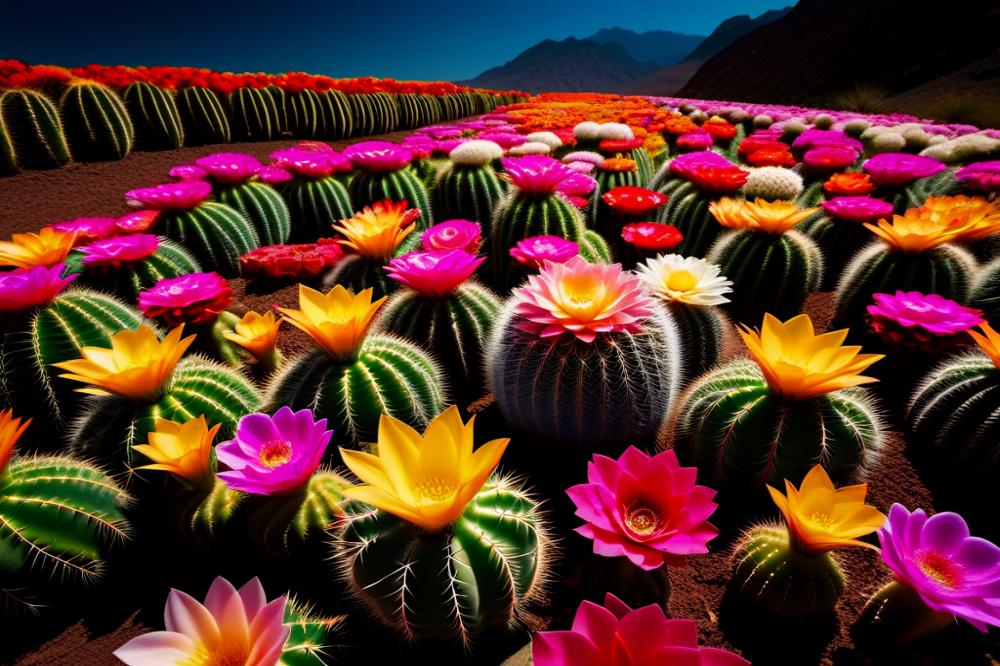
flowering cacti are a vibrant addition to any garden. Their unique blossoms bring color and beauty, making them a favorite among gardeners. However, these plants face multiple challenges from harsh weather. Understanding how to protect them is crucial for any plant enthusiast.
Cold weather can be particularly damaging to cacti that thrive in warm, dry environments. In contrast, a heat wave may cause stress, leading to wilting and even death. High humidity levels can also affect their health, hindering growth and increasing the risk of rot. Not to mention, frost can instantly kill delicate blooms, leaving your efforts in vain. Wind damage further complicates matters, potentially breaking delicate stems or causing soil erosion.
Taking care of your flowering cacti demands attention and preparation. Crafting a plan to shield them from temperature extremes and moisture is vital. For instance, providing adequate shelter can mitigate direct exposure to elements. When you think about indoor cacti, remember to place them where they won’t suffer from drafty air or scorching sun. Soil drainage is another important aspect; it helps prevent roots from sitting in water, which can worsen damage from wet conditions.
All things considered, protecting these splendid plants from weather threats should be a top priority. With the right care and knowledge, your cacti can thrive and showcase their stunning flowers for years to come.
Understanding Flowering Cacti

These plants are quite fascinating with their bright blooms and sturdy nature. They are specially adapted to survive in tougher environments. Most flowering cacti thrive in conditions where sunlight is abundant. Their needs vary slightly from other types of cacti, so it’s important to give them the right care.
Characteristics and Needs of Flowering Cacti
Flowering cacti have unique features that help them endure challenging climates. Their thick, succulent stems store water, making them drought-resistant. You might notice their vibrant flowers blooming during warmer seasons. Proper watering is essential, but extending care during cold weather can keep them healthy.
Ideal Growing Conditions: Temperature, Humidity, and Soil Drainage
Generally, these cacti enjoy warmer temperatures. They prefer a range between 70°F and 90°F during the day. When temperatures drop, protection against frost becomes crucial. High humidity levels aren’t favored, as they can lead to root rot. Always focus on ensuring excellent soil drainage for optimal growth. This is particularly important after heavy rains or watering sessions.
Common Varieties of Flowering Cacti
Several varieties are popular among plant enthusiasts. The Easter Cactus blooms in spring with lovely pink flowers. Then there’s the Christmas Cactus, which thrives in winter, showcasing bright red or white blooms. Other types, like the Barrel Cactus, can withstand heat waves but require shelter during strong winds to prevent damage. Indoor cacti are often delightful as they bring a splash of color indoors.
protection Strategies for Cold Weather

Signs of Frost Damage
When the temperatures drop, flowering cacti can suffer from frost damage. Look for discoloration on the pads or stems. This could appear as dark spots or a softening of the tissue. If you notice these signs, it may be too late for that plant. Early detection can help prevent irreversible harm. Wrinkles or a shriveled look may also indicate the effects of cold weather. Taking prompt action can save your cacti from further injury.
Providing Adequate Shelter
Caring for your cacti during a cold spell requires a strategy. Cloches can act as mini-greenhouses. They trap heat while allowing sunlight to nourish your plants. Using blankets is another effective option. Drape them over your plants at night. Just remember to remove them during the day to avoid overheating. Moving indoor cacti inside is also wise, especially if a heat wave then follows a cold snap. Treated with the right shelter, your plants can thrive through harsh conditions.
Importance of Soil Drainage
Soil drainage is crucial during cold weather. Excess water can freeze and damage roots. Therefore, ensure your pots have drainage holes. This allows water to escape and prevents rot. Utilizing appropriate soil mixes can also help maintain a suitable environment. A combination that includes gritty materials offers good drainage and air circulation. During frosty conditions, allowing the soil to dry out between watering is essential. Proper care leads to healthier plants that can withstand the elements.
Care During Heat Waves

High temperatures can be tough on flowering cacti. When the heat gets intense, cactus plants may suffer from sunburn and dehydration. These issues can lead to stunted growth and loss of blooms. Protecting them during a heat wave is essential to keep them thriving.
Solutions for Protecting Cacti from Extreme Heat
Shade becomes crucial when temperatures soar. Providing shelter from the sun can save your plants from damage. Using shade cloth or placing them in areas with afternoon shade will offer much-needed relief. You can also move indoor cacti closer to a window with filtered light. This way, they still get bright light without the harsh rays directly beating down on them.
Watering techniques also matter greatly. During extreme heat, it’s important to adjust your watering schedule. Deep watering less frequently is better than quick shallow watering. Well-draining soil is critical; this prevents water from sitting and ruining the roots. Keeping the soil damp but not soggy is a balance you need to strike.
The Role of Humidity in Care
Humidity plays an often-overlooked role in cactus care. In dry conditions, your flowering cacti may suffer. They thrive best with some humidity; this helps alleviate stress. Consider misting them lightly, but avoid excess moisture that could lead to rot. A small humidifier can also enhance the environment. Just remember that you want to keep the air somewhat moist, not overly damp.
During cold weather, be on guard against sudden temperature drops. Frost can be deadly for cacti if not prevented. A gust of wind can cause damage as well, so use windbreaks to shield them if necessary. Taking these simple steps will ensure your plants endure whatever weather comes their way.
Preventing Wind Damage
Wind can be a real threat to outdoor flowering cacti. Strong gusts may cause them to topple over or strip them of their delicate blossoms. Understanding how wind affects your plants is essential for maintaining their health and beauty.
Start by assessing your garden. Identify areas prone to wind exposure. If your cacti are located in an open space, they face greater risks. Tall barriers like fences or hedges can provide necessary shelter. Even strategic placement of larger plants can break the wind’s force.
Consider using windbreaks made from natural materials. These can be as simple as wooden pallets or fabric screens. Such solutions not only help in protecting against wind damage but also create a unique aesthetic in your garden design. Additionally, positioning them at an angle can effectively redirect winds away from sensitive plants.
Indoor Cacti Care During Stormy Weather
During severe storms, shifts in temperature can be drastic. Bring indoor cacti to a secure location away from windows or doors that may rattle during high winds. Ensuring they have plenty of light will help minimize stress. Avoid letting their pots sit in water; good soil drainage is crucial to prevent rot.
Humidity levels can also rise during a storm. Keep an eye on your indoor environment. High humidity can promote fungal diseases. Simple air circulation can help mitigate this problem. So, turning on a fan nearby may be beneficial.
In the event of a heat wave, keep indoor cacti cool. A sudden spike in temperature can be as harmful as cold weather. Ideally, you want your plants to thrive, no matter the season. With these methods in mind, you will be equipped to protect your plants from the harshest conditions.
Aftercare and Recovery
Assessing Damage After harsh weather Events
After a storm or extreme temperature changes, your flowering cacti may need immediate attention. Check for signs of frostbite after cold weather. Look for brown or mushy areas on the plant. These signs indicate a potential problem. When a heat wave strikes, look for wilting or shriveled sections. High humidity can lead to mold or mildew. Observing your cacti closely will help you spot issues before they worsen. Wind damage is another factor; some cacti may become dislodged or toppled. Proper assessment will guide the recovery process.
Steps for Nursing Flowering Cacti Back to Health
Start by trimming away any damaged parts. Use clean scissors to prevent infection. Next, provide shelter from direct sun for a while. A shady spot allows the plant to recover from shock. If root rot is suspected, repot the cacti. Use soil with excellent drainage to combat excess moisture. Water sparingly, as stressed plants require less hydration. Enhancing air circulation around the plant is beneficial. Set the cacti in a spot with good airflow to aid recovery. Monitor them closely for any signs of improvement.
Importance of Ongoing Care and Monitoring
Ongoing protection and care are vital for your plants’ restoration. Regular checks enrich your understanding of their needs. Nutrients are essential; consider using a diluted fertilizer in the growing season. Keep an eye on temperature fluctuations when moving indoor cacti back outside. Seasonal changes may require adjusting their location. Maintaining humidity levels also plays a crucial role in their health. Be proactive in managing shelter from harsh conditions. This vigilance will help ensure your cacti thrive after tough times. The journey back to health may take time, but your commitment will make all the difference.
Final Thoughts on Protecting Your Blooming Cacti
In summary, several key protective measures can help your flowering cacti thrive, even in harsh weather. Start by providing adequate shelter from extreme temperatures. Mulching can conserve moisture and moderate soil temperature. Use pots that allow for drainage, preventing rotting roots during heavy rain. Covering your plants during cold snaps will also keep them safe. Remember, proper care is essential for your plants’ overall health.
As you apply these strategies, you will notice stronger, healthier cacti. Taking these steps can mean the difference between a struggling plant and a flourishing one. Protecting your cacti from weather extremes pays off in the long run. The vibrant blooms of these fascinating plants make every effort worth it.
Ultimately, flowering cacti are known for their resilience. They can endure challenging conditions when given the right support. Embrace the responsibility of nurturing your plants, and they’ll reward you with beauty season after season. Every simple action contributes to their survival and prosperity. Let your efforts reflect in the stunning display of colors that bloom in your garden!


