
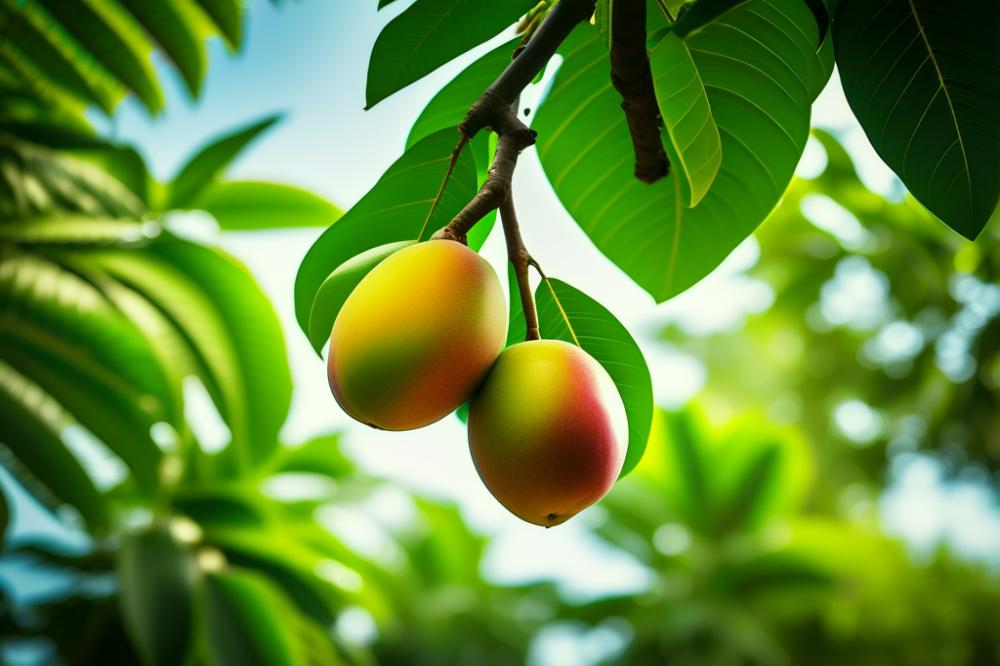
Introduction
Growing fruit and nut trees at home can be a rewarding venture. Many people find that cultivating their own plants brings joy and satisfaction. Among the various tropical plants suitable for this endeavor, mango cultivation stands out. This fruit-bearing tree is cherished for its delicious fruit and lush foliage, making it a popular choice for sunlight-needs-and-avoiding-root-rot”>Home Gardening.
Mango Trees thrive in warm climates, offering a tropical feel to gardens or even indoor spaces. With the right conditions, these trees can grow beautifully in backyards or pots, providing fruits that are enjoyed by family and friends. Feasting on fresh mangoes that you’ve nurtured yourself adds a special touch to any summer day.
This article focuses on key aspects of caring for Mango Trees. sunlight is crucial, as these trees need ample light for growth. Understanding watering needs will help maintain healthy plants. Lastly, we will cover ways to tackle pest resistance, ensuring your mango tree thrives without unwanted visitors. Get ready to dive into essential gardening tips that will make your mango experience fruitful and enjoyable!
Mango Trees: Understanding Their Growth Requirements
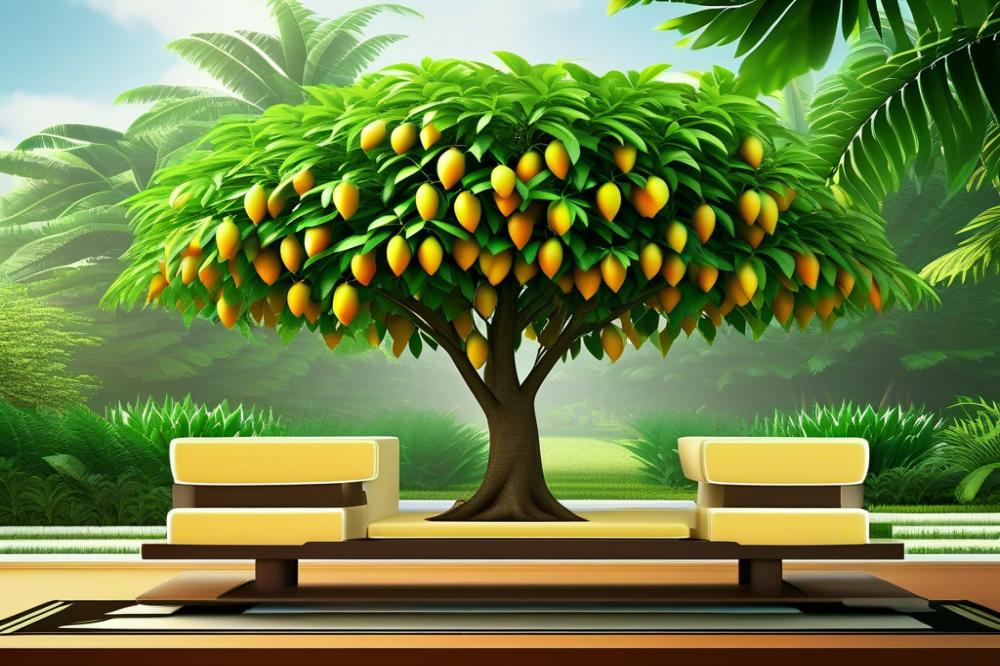
Mango trees thrive in warm climates, originally hailing from South Asia. These tropical plants flourish in regions where temperatures are consistently high. Their natural habitat is full of sunshine and warmth, which is essential for healthy growth. Understanding their needs can help indoor gardening enthusiasts cultivate these beautiful fruit-bearing trees in home settings.
Sunlight Needs: Optimal Conditions for Growth
Sunshine plays a crucial role in developing strong mango trees. They require full sunlight for at least six to eight hours daily. Insufficient light can lead to weak growth and poor fruit production. For those growing an indoor mango tree, a south-facing window is ideal to maximize exposure. By placing the tree in a bright location, gardeners can help achieve successful results.
Soil Requirements: Best Type of Soil for Mango Cultivation
The right soil is vital for thriving mango plants. Well-draining soil is necessary to prevent waterlogging, which can harm the roots. A mix of loamy and sandy soil provides an excellent foundation. Adding organic matter enhances fertility and supports healthy growth. For home gardeners, testing the pH level of the soil can also be beneficial. A slightly acidic to neutral pH range, around 6 to 7, is preferred.
Following good gardening tips will assist anyone aiming to cultivate mango trees successfully. Regularly checking soil moisture can help with proper watering needs. Overwatering can lead to root rot, while underwatering can stunt growth. Striking a balance will foster a robust tree with a higher chance of thriving.
Watering Needs for Mango Trees
Proper watering is vital for the health of fruit-bearing trees. A well-hydrated mango tree can produce abundant fruits and grow robust leaves. On the other hand, insufficient water can lead to stunted growth and fewer mangoes. Understanding the watering needs is essential for successful mango cultivation, whether indoors or outdoors.
Best Practices for Watering Mango Trees
Watering should occur thoroughly but infrequently. A deep soak encourages roots to grow strong and reach further into the soil. Aim to water the tree every week during the warm months. Keep in mind that tropical plants often need more water in summer due to increased evaporation rates. Using mulch around the base can help retain moisture. This technique is particularly useful in regions with varying humidity levels. Always check soil before watering. If the top inch feels dry, it is time to give your tree a drink.
Signs of Overwatering and Underwatering
Identifying issues related to water levels is key to healthy growth. Overwatering might show itself through yellowing leaves and soft stems. If your mango tree’s roots sit in soggy soil, they may begin to rot. On the other hand, underwatering presents its own challenges. Leaves may curl or develop brown tips. A tree with inadequate water will not thrive and produce less fruit. Regular observation is crucial, as small signs can indicate larger problems.
Following these guidelines will help maintain the right balance for mango trees. Understanding their specific watering needs contributes to successful indoor gardening and overall plant health. As you care for your tree, keep these tips in mind for optimal growth and pest resistance.
Pest Resistance in Mango Trees
Mango trees are appealing for their sweet fruit, but pests can pose a threat. Many gardeners encounter issues with common pests like aphids, spider mites, and mealybugs. These insects can damage or even kill an indoor mango tree if not managed properly.
Effective prevention methods are essential for maintaining healthy plants. Regularly inspecting your tree helps catch infestations early. Keeping the area free from fallen fruit and debris reduces the likelihood of pest problems. It is also beneficial to introduce beneficial insects like ladybugs, which help control harmful pests naturally.
Organic pest control options provide safe solutions for indoor gardening. You can mix soap and water in a spray bottle to treat minor infestations. Neem oil is another effective and eco-friendly choice. This oil disrupts the lifecycle of pests without harming the tree.
Healthy fruit-bearing trees display natural pest resistance. Ensure your plant receives adequate sunlight and meets its watering needs. Proper soil requirements also play a significant role in overall health. Stressed plants are more susceptible to insects. By focusing on good care practices, you can strengthen your mango cultivation efforts.
Growing Mango Trees Indoors
Benefits of Indoor Mango Trees
Indoor mango trees offer an exceptional solution for people who live in regions not suited for traditional gardening. Having one inside the house provides a source of fresh fruit right at your fingertips. Beyond that, these tropical plants can brighten up your living space with their lush green leaves. The aesthetic appeal of fruit-bearing trees contributes to a vibrant home environment. Moreover, caring for a mango tree can become a rewarding hobby that brings joy and satisfaction.
Best Practices for Indoor Gardening of Mango Trees
Starting with the right potting mix is critical. Ideal soil requirements will include good drainage and a slightly acidic pH level. Consider using a combination of peat moss, perlite, and sand to achieve this. Paying attention to watering needs is just as essential. Overwatering can lead to root rot, so it’s wise to let the soil dry out a bit between periods of watering. Additionally, regular pruning will help maintain the tree’s size and encourage healthy growth. Check for pests frequently, because indoor environments can attract unwanted critters.
Optimal Conditions for Indoor Mango Cultivation
Mango trees flourish under bright, direct sunlight. Make sure to place your indoor mango tree near a south-facing window if possible. This position provides the intense light that these tropical plants crave. Temperature also plays a significant role; they prefer warmth, ideally around 70 to 85 degrees Fahrenheit. Keep in mind that fluctuations can stress the tree. To enhance growth, consider rotating the pot weekly to expose all sides of the tree to sunlight. Regularly monitoring for signs of pest resistance can protect your investment. Taking these steps can lead to successful indoor gardening and healthy trees.
Gardening Tips for Successful Mango Cultivation
Growing healthy fruit-bearing trees can be a rewarding experience. Start by selecting a good variety suited for your climate. Mango trees thrive in warm, sunny environments, so choose a location that offers plenty of sunlight. Aim for at least six hours of direct sunlight daily. If you’re growing an indoor mango tree, locate it near a south-facing window to maximize light exposure.
Watering needs are crucial in the early stages of growth. Newly planted trees require consistent moisture. Avoid overwatering. Mango trees prefer well-draining soil that doesn’t retain too much water. Once established, moderate watering is sufficient. During dry spells, deep soak the tree to encourage healthy root development.
Seasonal Care Practices for Mango Trees
Each season brings its own set of tasks for tropical plants. Spring is an excellent time to fertilize. A balanced fertilizer will promote healthy growth. Summer requires careful attention to watering, especially if temperatures rise. As the weather cools in autumn, reduce watering, allowing the tree to prepare for winter.
In winter, many growers forget about their mango trees. However, indoor gardening needs regular monitoring. Keep trees in a warm spot and be mindful of potential pests. A few simple checks can lead to successful pest resistance.
Importance of Pruning and Maintenance
Pruning is essential for maintaining shape and encouraging growth. Focus on removing dead or diseased branches. This practice increases airflow and sunlight penetration. Regular maintenance also includes checking for pests or diseases. Catching issues early can save your mango tree from serious harm.
Proper soil requirements play a vital role in healthy growth. Acidic or sandy soil is best suited for mango trees. Enhance the soil with organic compost. This adjustment boosts nutrient levels and supports the tree’s development. Keep these gardening tips in mind to enjoy the sweet rewards of your mango cultivation journey.
Final Thoughts on Growing Tropical Wonders
Recapping the essentials, sunlight plays a vital role in the successful growth of fruitful trees. Proper watering needs are equally important, as too much or too little can harm your plant. Pest resistance is crucial for keeping your tree healthy and productive. Each of these factors contributes significantly to the overall vitality of your garden project.
Starting your journey with tropical plants opens up a world of delight. Growing your tree can be a rewarding experience, providing you with delicious fruit and a touch of paradise in your backyard. If you are wondering how to begin, consider your local climate and available sunlight. There are countless resources to guide you.
The joy of Home Gardening is not just in the fruits it yields but in the connection you form with nature. As you nurture these plants, you learn patience and gain a sense of accomplishment. Whether you have ample space or just a small balcony, don’t hesitate to try cultivating your own plants. A small effort today can lead to a flourishing, vibrant greenery tomorrow. Enjoy the process, and let your garden become a personal oasis.


