

Normandy’s D-Day Beaches: Honouring the Fallen Heroes
Normandy stands as a pivotal region in World War II history. The coastal landscape may seem serene now, but that tranquility belies the fierce battles fought on its shores. Each grain of sand on the beaches tells a story of bravery. For many, visiting Normandy is more than a vacation; it is a journey of remembrance and reflection.
American travelers find special meaning in this place. The D-Day Beaches are steeped in significance for those wishing to connect with their military heritage. Places like Utah Beach and Omaha Beach serve as profound reminders of the sacrifices made by allied forces during the war. These sites bear witness to the valor of soldiers who fought and fell on June 6, 1944. People come to commemorate these heroes and pay tribute to their courage.
The act of remembrance transcends mere sightseeing. It encourages deeper connections with the past. Visitors walk along Juno Beach and ponder the lives lost there. Historical sites abound, with memorials scattered along the coastline. Each monument, each artifact, contributes to the larger narrative of military history. Respect is woven into the very fabric of these locations.
Honoring fallen soldiers is a solemn undertaking. It involves understanding the cost of freedom and the price of peace. As travelers explore the beaches, they are joined by history; they feel a part of something greater. Normandy’s D-Day Beaches are not only a place of reflection but also a call for ongoing remembrance. Through this journey, the stories of bravery and sacrifice continue to inspire generations to come.
Understanding D-Day Beaches
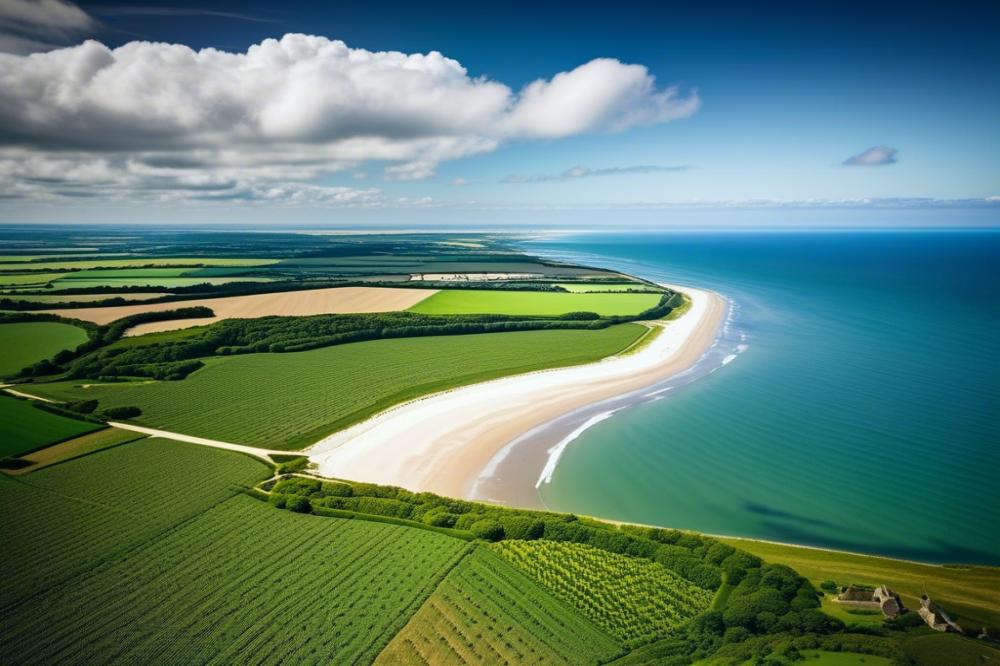
D-Day Beaches are a significant part of military history, marking the start of the liberation of Europe during World War II. On June 6, 1944, a massive operation unfolded along the coast of Normandy, where Allied forces launched one of the largest amphibious assaults in history. This day, commonly referred to as D-Day, was a turning point in the fight against Nazi Germany.
The scale of the operation was immense. More than 156,000 troops landed on five beaches, facing fierce resistance. These brave soldiers were part of a coordinated effort involving forces from the United States, the United Kingdom, Canada, and other nations. Their goal was clear: to breach German defenses and gain a foothold in Europe.
Three beaches stand out for their historical significance: Utah Beach, Omaha Beach, and Juno Beach. Utah Beach welcomed American forces with relatively lighter opposition. Troops managed to secure this area and quickly pressed inland. In contrast, Omaha Beach presented a harrowing challenge. Soldiers faced high casualties amid strong German fortifications. The heroism displayed there is forever etched in the collective memory of nations.
Juno Beach, the landing site for Canadian troops, also witnessed fierce combat. The Canadians fought valiantly, overcoming obstacles and establishing control. Each beach represents the commitment of the allied forces to liberate Europe from the grips of tyranny.
Today, these historical sites serve as places of remembrance. They honor the fallen soldiers who sacrificed everything for freedom. Visitors come to reflect on the courage required to storm these beaches. Memorials and museums dot the landscape, offering insights into the struggles faced by those who fought bravely.
Key Historical Sites
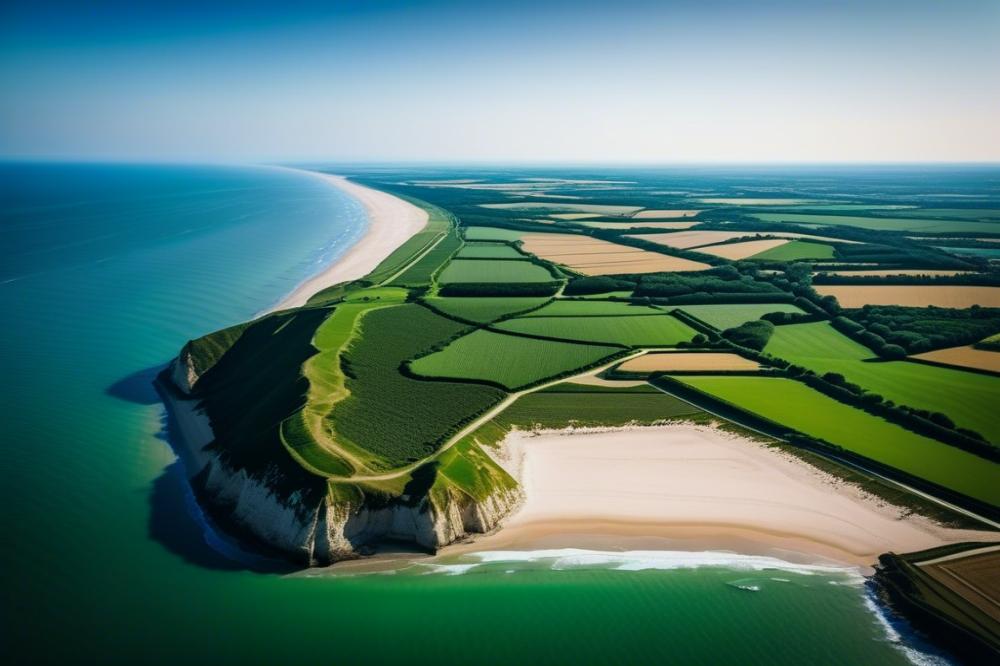
In-depth look at Utah Beach
Utah Beach played a pivotal role during World War II. This beach was one of the five landing spots for Allied forces on D-Day, June 6, 1944. American troops faced fierce resistance, yet they managed to secure the beachhead. The operation laid the groundwork for the liberation of France and ultimately Europe.
Visitors to Utah Beach can explore several attractions that honor this history. The Utah Beach Museum displays artifacts and documents from the landings. It provides an insightful glimpse into military history. Nearby, the American cementary stands as a solemn memorial to fallen soldiers. Rows of white crosses stretch across the land, honoring those who made the ultimate sacrifice.
Examination of Omaha Beach
Omaha Beach is perhaps the most famous landing site. Its historical significance is profound, marked by intense fighting and remarkable bravery. U.S. troops faced rugged terrain and heavy enemy fire. Many soldiers lost their lives during this crucial battle, leading to its reputation as one of the hardest-fought beaches.
Today, several memorials and museums stand to commemorate the bravery of those who fought there. The Normandy American Cemetery is a major landmark. It serves not only as a resting place for many fallen heroes but also as an educational site for those wishing to learn more. The nearby Overlord Museum showcases vehicles and memorabilia from the battles, allowing a deeper understanding of the challenges faced.
Exploration of Juno Beach
Juno Beach is notable for Canada’s contributions during the invasion. Canadian forces landed here on D-Day, and their efforts were critical in securing the area. The success of their mission showcased resilience and determination.
Commemorative sites are scattered around Juno Beach. The Juno Beach Centre is a particularly important location. It offers exhibitions that delve into the experiences of Canadian soldiers. Furthermore, educational opportunities exist for visitors of all ages. Guided tours help illuminate the significance of Juno Beach in the broader context of the war.
Commemoration and Remembrance
Honoring the fallen heroes of World War II is essential for acknowledging the sacrifices made by countless soldiers. Memories of those who fought on the beaches are kept alive through various commemorative acts. Each year, ceremonies occur to remember their bravery and protect the legacy of the allied forces.
Events and Ceremonies at D-Day Beaches
Annual events draw many visitors to historic locations like Utah Beach, Omaha Beach, and Juno Beach. These ceremonies often feature important speakers, military presentations, and moments of silence. Each gathering serves as a powerful reminder of the courage shown during the intense battles fought on these shores.
Visitor Experiences That Promote Learning and Reflection
People visiting these historical sites often reflect on the events of June 6, 1944. Guided tours can lead visitors through key areas where soldiers fought valiantly. This interaction helps create a meaningful connection to the past, allowing individuals to feel the weight of history.
Role of Museums and Visitor Centers in Military History Education
Museums and visitor centers play a crucial role in education about military history. They contain artifacts, photographs, and detailed exhibits that tell the story of the invasion. Engaging with these materials can deepen one’s understanding of the events and the lives of fallen soldiers. Interactive displays and knowledgeable staff further enhance the learning experience for all ages. Beyond mere facts, they present the human experiences behind the battles.
Traveling to Normandy’s D-Day Beaches
Visiting Normandy offers a powerful experience for those interested in World War II and military history. American travelers can find it enriching to explore the landscapes that witnessed significant events of that era. To make the journey easier, a few practical travel tips can be of great help.
Practical Travel Tips for American Travelers
Air travel options are varied. Most visitors arrive at major airports in Paris and take a train or rental car to Normandy. The train from Paris to Caen is efficient and relatively quick. Additionally, consider renting a car if you want flexibility in exploring various sites like Utah Beach and Omaha Beach.
Driving on the right side of the road may seem like a challenge at first, but familiarize yourself with road signs before setting off. Language can be a barrier, so learning simple French phrases can make interactions easier. Locals appreciate any effort to communicate in their native tongue.
Recommended Itineraries for Exploring the Beaches and Memorials
Planning your itinerary in advance makes all the difference. A popular route starts at the Utah Beach Memorial. Then, head toward Omaha Beach and the American Cemetery. The cemetery is a poignant site of remembrance for fallen soldiers. Proceed to Juno Beach, where Canadian forces landed. Each beach tells a story and offers unique insights into that fateful day.
Allow one full day for a comprehensive visit to these sites. Consider a guided tour to gain deeper context about the allied forces’ strategic plans. Another great option is to explore on your own, but be sure to read up about each location beforehand. Notable museums, like the Utah Beach Museum, provide rich background information.
Local Accommodations and Dining Options
Staying in Normandy is easy with various accommodations available, ranging from hotels to charming bed and breakfasts. Bayeux is a good base, offering close proximity to many historical sites. Prices can vary, so it pays to book in advance, especially during peak tourist seasons.
After a day spent exploring, finding local dining spots can enhance your experience. Many restaurants serve traditional French cuisine, providing a taste of the region. Try regional specialties, such as Camembert cheese or seafood dishes. Dining in a local establishment can also give you a sense of the culture and community.
Cultural Tips for Understanding the Historical Context
Understanding the history of these beaches requires sensitivity and respect. Each site is a place of commemoration for those who gave their lives during the war. Attend memorial services if possible, as they offer insight into local traditions of remembrance.
Take time to read plaques and descriptions at the sites. They often present moving stories of bravery and sacrifice. Engaging with local historians or guides can greatly enhance your knowledge about the events of that time. Overall, showing respect for the solemnity of these memorials is essential.
Reflecting on Sacrifice and Memory
Visiting Normandy’s beaches offers more than just scenic views; it provides a profound connection to history. These sites serve as a powerful reminder of the courage displayed during World War II. Each grain of sand carries stories of sacrifice, bravery, and resilience. Travelers have the opportunity to walk where legends once stood and to feel the weight of the past.
Engagement with military history can be both enlightening and humbling. Exploring museums, memorials, and the beaches themselves opens a window into the experiences of those who fought valiantly for freedom. Such interactions deepen our appreciation of their sacrifices. By reflecting on the bravery of these soldiers, we honor their memory and ensure their stories are not forgotten.
As we consider the legacy of this pivotal moment, we recognize the importance of remembrance. Never again should we underestimate the impact of courage amid adversity. The lessons learned from those days still resonate today. Each visitor becomes part of a larger narrative, building connections across generations.
With all this in mind, travelers are encouraged to engage with these sacred grounds. A journey to Normandy is not just a trip; it is an exploration of humanity’s capacity for courage and commitment. Reflect on the lives lost, but also aspire to carry forward their legacy through our own actions and choices.


