
Finding Expert Advice and the Best Locations for a Profitable Fish Farm
Fish Farming has seen significant growth across the United States over the past few decades. This industry has become an essential part of the food supply chain. It offers an opportunity for both large-scale operations and small family businesses. Recent data shows an increasing demand for sustainable seafood. Consequently, Aquaculture has emerged as a viable solution to meet this need while also protecting wild fish populations.
Finding expert advice is crucial for anyone interested in starting a fish farm. Knowledgeable professionals can guide you through complex areas such as water quality management and feeding strategies. Choosing the right location plays a pivotal role in your farm’s success. Factors like local regulations, access to resources, and market demand must be considered. Inadequate planning could lead to wasted resources and reduced profitability.
Profitability potential in Fish Farming is directly linked to careful financial planning and successful business models. Different fish species come with varying requirements and profit margins. Understanding these can help maximize your earnings. Additionally, a thoughtful location assessment can reveal how you might capitalize on local market trends.
Moreover, sustainability is not just a buzzword. It represents the future of responsible Aquaculture practices. Adopting sustainable methods can enhance your farm’s reputation and appeal to conscious consumers. Long-term success hinges on creating balance between profitability and responsible farming. Thus, consulting experts in this field is not merely beneficial, but essential for thriving in this competitive market.
Understanding Fish Farming
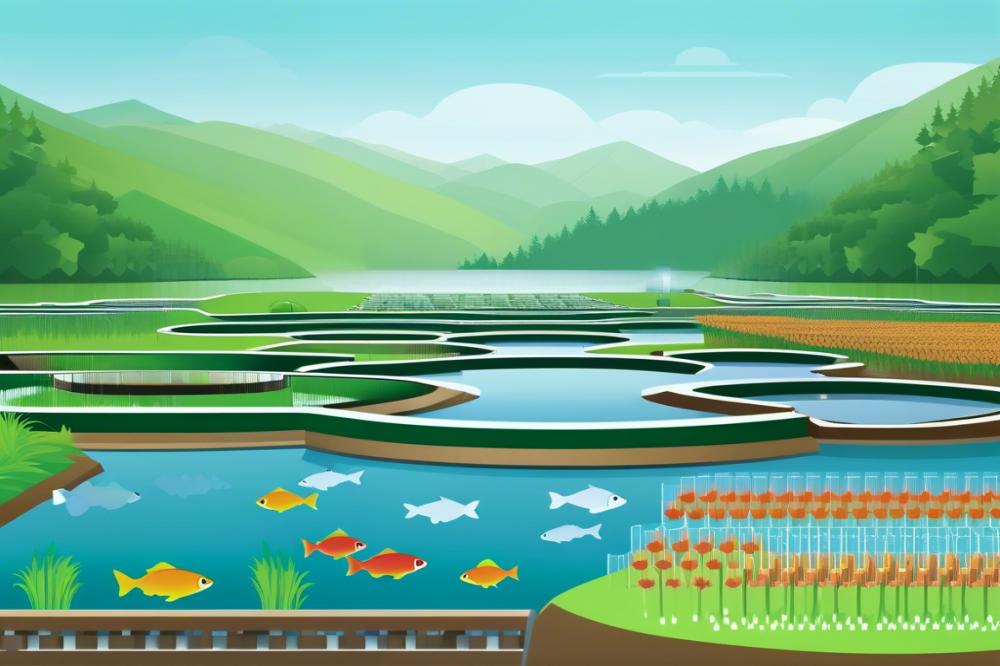
Fish farming is the practice of raising fish in controlled environments. This method plays a vital role in meeting the growing demand for seafood. With wild fish populations declining, aquaculture helps support food security. It offers a reliable source of protein for communities and economies alike.
When considering fish species for farming in the USA, several popular options come to mind. Catfish is a favorite in the Southern states due to its taste and fast growth. Tilapia is another widely farmed fish, known for its adaptability and hardiness. Salmon also enjoys a strong market, though it often requires specific water quality conditions. Trout farming is common in colder regions, where freshwater options thrive.
sustainability Practices
Amidst the growth of aquaculture, sustainability practices have become increasingly important. Fish farms should adopt feeding strategies that minimize waste and promote healthy growth. Responsible sourcing of feed ingredients helps reduce environmental impact. Maintaining high water quality is essential for the wellbeing of the fish and the ecosystem.
Local regulations often guide how farmers operate. Regulations help prevent overfishing and protect natural habitats. Engaging in expert consultation can provide insights into the best practices for sustainable farming. Financial planning is also crucial when starting a farm, as initial costs can be significant.
A thorough location assessment is necessary to find the right site for farming. Factors such as water availability, climate, and proximity to markets can impact profitability. Additionally, understanding market demand is key to selecting the species most likely to succeed. Farmers who are mindful of these aspects can enhance their profit margins while contributing positively to the environment.
The Role of Expert Consultation

Starting a fish farm can be a complex and challenging journey. It is vital for new farmers to seek expert advice. Without guidance, mistakes can lead to costly setbacks. Consulting experts helps in avoiding common pitfalls and enhances the chances of success.
Aquaculture specialists offer valuable insights into the best practices for raising fish. They have deep knowledge about various fish species and their specific needs. Their input can aid in decisions about feeding strategies and water quality. Marine biologists also play a crucial role. They focus on environmental factors affecting fish health and growth. Understanding local ecosystems is important for sustainability.
Business consultants offer another layer of support. They help new farmers with financial planning and location assessment. Knowing market demand is essential for making informed decisions about what to farm. These experts can guide new farmers in navigating local regulations that may impact operations.
Forming relationships with local aquaculture extension services provides additional resources. These services often provide ongoing support and education. Farmers can gain access to workshops, training programs, and the latest research. Engaging with local programs also builds a network with other farmers. This community can share experiences and advice specific to the region’s conditions.
Developing these connections is key to enhancing profit margins. Expert consultation can lead to improved strategies and better efficiency in operations. By learning from experienced professionals, farmers can adapt to changes in the market more easily. This kind of knowledge-sharing is invaluable in the competitive field of fish farming.
Assessing Location for Fish Farming
Choosing the right location is vital for starting a fish farm. Key factors greatly affect the success of this venture. A careful location assessment can make a big difference in profitability and sustainability.
Key Factors in Location Assessment
Accessibility is one critical element. Proximity to roads, markets, and suppliers can streamline operations. Evaluating land characteristics is also essential. Features like soil type and elevation may influence your setup. It is important to choose an area that allows for efficient feeding strategies and easy maintenance.
Importance of Water Quality
Water quality plays a crucial role in fish health. Fish species thrive only in specific conditions. Clean, oxygen-rich water promotes growth and reduces disease. Contaminants can lead to poor survival rates. Regular testing for pH, temperature, and harmful substances should be standard practice.
Evaluating Local Regulations
Local regulations and permits often shape your business’s future. Researching these laws is imperative before making decisions. Many areas have specific guidelines on how to operate fish farms. Licensing may include water use rights and environmental protections. Neglecting this aspect can lead to fines or forced closures.
Analyzing Market Demand
Understanding market demand is essential for profitability. Research local consumption trends and identify potential customers. Knowing your target audience helps in selecting suitable fish species. Consideration of seasonal variations can affect sales, too. Financial planning becomes easier with this knowledge.
In summary, assessing location involves multiple layers of analysis. Water quality and local laws are non-negotiable, while market demand should guide your choices. Effective planning today paves the way for future success.
Financial Planning for a Fish Farm
Starting a fish farm involves various costs that can add up quickly. Land acquisition can be one of the largest expenses. Water quality management is also essential, as keeping fish healthy requires proper filtration and treatment systems. Additionally, purchasing suitable fish species is a critical decision that impacts initial investments.
Maintenance costs should not be overlooked. Factors like feeding strategies, equipment repairs, and labor must also fit into a budget. Over time, operating expenses can grow due to unforeseen challenges or fluctuations in market demand. This is why financial planning holds utmost importance for anyone venturing into aquatic agriculture.
Why a Financial Plan Matters
A well-structured financial plan plays a significant role in ensuring profitability. It helps in forecasting revenues and understanding when to expect returns. By analyzing various scenarios, fish farmers can prepare for unexpected shifts in local regulations or environmental conditions. Balancing income and expenses is vital for sustainability in this industry.
Profit margins vary among different fish farming operations. Some species are market-driven and can yield higher profits, while others may require more resources to produce. Knowing the expected profit margins can guide decisions. Understanding the economics of your operation can lead to better management strategies.
Financing Your Fish Farm
Financing a fish farm may involve multiple sources. Traditional bank loans are a common choice for many. Alternatively, investors who understand the industry might offer capital in exchange for a share of the profits. To secure financial backing, it’s wise to present a comprehensive business plan that details location assessment, operational costs, and projected revenues.
Expert consultation can provide insight into the best ways to fund your venture. They can help evaluate different financing options and even connect you with potential investors. Grants and subsidies may also be available, especially if you focus on sustainable practices or community development.
In conclusion, thorough financial planning can pave the way for success. By considering all costs and financing options, new farmers can develop a strong business. With the right approach, profitability in the fish farming arena is within reach.
Optimal Feeding Strategies
Feeding strategies play a crucial role in fish farming. Choosing the right approach can make a significant difference in the success of your operation. Various methods exist, each tailored to different fish species and farming conditions. Consideration of nutrition is vital for promoting both growth and sustainability.
A balanced diet contributes to healthy fish that grow efficiently. Good nutrition also helps reduce disease, which is a common problem in aquaculture. Specific diets can improve water quality as well. This not only benefits the fish but also makes managing the farm easier.
Cost-effective feeding methods can have a big impact on profit margins. For example, using locally sourced feed materials can lower expenses. Additionally, integrating feeding strategies such as bulk feeding may further optimize costs. While this approach may require an initial investment, the return can be substantial when managed properly.
Monitoring market demand is essential. Understanding what consumers want allows farmers to adjust their production accordingly. For instance, certain fish species might be more desirable based on current trends. Thus, aligning feeding practices with market needs can enhance profitability.
Financial planning is another key element. Keeping track of expenses related to feeding helps prevent overspending. This management aspect is crucial for long-term success. If local regulations affect feed types or sourcing, staying informed is necessary to avoid potential fines.
Consultation with experts can provide deeper insights into optimal feeding strategies. These professionals can advise on the latest advancements in aquaculture nutrition. Engaging with experienced individuals can also simplify the location assessment process. When considering where to establish a fish farm, take into account the surrounding environment and available resources.
In summary, effective feeding strategies are integral to any profitable fish farm. Blending knowledge of fish species, local conditions, and cost-effective solutions will lead to sustained growth. Each detail plays a role in ensuring the overall health of the farm and its profitability.
Final Thoughts
Expert advice and location play crucial roles in the success of any fish farming venture. Knowledge from experienced professionals can guide new farmers in making informed decisions. Choosing the right site for operations cannot be overstated; the environment directly impacts growth rates and overall health of the fish species raised. Access to clean water, favorable weather conditions, and proximity to markets are just a few factors that can lead to a thriving business.
Many emerging fish farmers are aware of profitability potential within the industry. However, a balance between financial success and sustainability should not be neglected. Practices that harm the environment or deplete natural resources can undermine long-term goals. Responsible farming methods not only meet consumer demands but also protect aquatic ecosystems.
Newcomers to the field should take the time to research thoroughly. Information about regulations, market trends, and best practices is widely accessible. Engaging with local experts and networks can provide valuable insights. Planning for various challenges will prepare aspiring fish farmers for obstacles along the way. Ultimately, a well-prepared approach can lead to a rewarding and sustainable journey in aquaculture.