Introduction
fish farming has gained significant traction across the United States in recent years. Many property owners are discovering the benefits of raising fish as a viable agricultural pursuit. aquaculture offers a unique opportunity to produce food sustainably while also contributing to local economies. More individuals are considering this option, as it not only provides fresh fish but also enhances the surrounding environment.
Understanding the costs related to fish farming is essential for anyone who is thinking about this venture. Startup expenses can vary widely based on the scope of the aquaculture setup. Prospective farmers must factor in pond construction, necessary equipment, and feed costs. Each step comes with its financial considerations, and having a comprehensive view of expenses will aid in making informed decisions.
The benefits of operating a fish farm extend beyond just profit potential. They include environmental sustainability and the chance to connect more deeply with nature. It can be rewarding to manage a self-sufficient food source. Yet, operating costs and maintenance expenses can add up over time. This article aims to shed light on what to expect when setting up a fish farm on your property.
Understanding fish farm costs
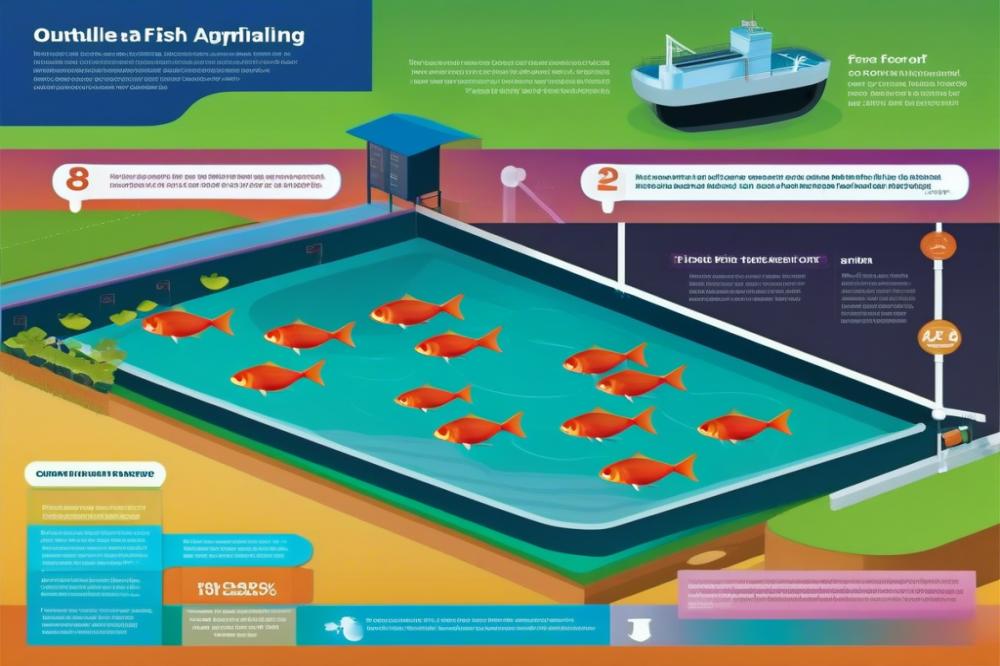
Setting up a fish farm involves various financial considerations. fish farm costs refer to all the expenses incurred in establishing and operating an aquaculture venture. Understanding these costs is crucial for anyone thinking about entering this field.
Startup Expenses
Initial investments are key when starting a fish farming operation. These startup expenses can include several elements. First, there’s pond construction. Building suitable ponds can be expensive, depending on the size and location. Next, you will need to buy fish. This involves selecting a species and purchasing fingerlings or juveniles. Equipment investment also plays a significant role. Aeration systems, nets, and filtration devices can add to the upfront costs. Additionally, consider permits and licenses that may be necessary for legal compliance.
Operating Costs
After launching, ongoing expenses will emerge regularly. Feed costs represent a major part of your budget. Fish require a balanced diet to grow, and quality feed can be pricey. Maintenance expenses are another ongoing concern. Keeping the ponds clean and systems running smoothly requires time and resources. Labor costs might also come into play, especially as your farm expands. Be aware that fluctuations in these expenses can impact overall profitability.
Importance of Budgeting
Effective budgeting is vital for success in fish farming. Careful financial planning helps to track both startup and operating costs. Doing so allows for better decision-making as you scale your operation. Understanding profit potential is essential for sustainability in aquaculture. Regularly reviewing your budget can highlight unforeseen expenses, ensuring you stay on track. To thrive in this industry, a clear financial strategy cannot be overlooked.
Estimating Startup Expenses
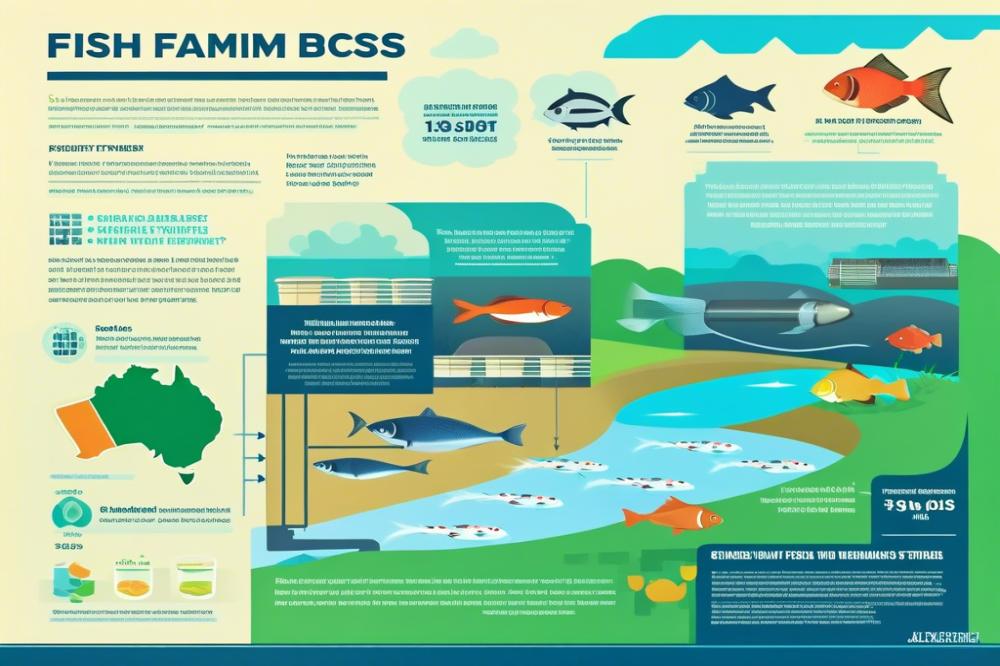
Starting a fish farm can be exciting, but costs add up quickly. One of the first expenses is pond construction or tank installation. Depending on your land, creating a pond might require excavation and water control systems. If using tanks, the size and materials will significantly affect the overall budget.
Initial investment in equipment is another vital factor. Aerators may be needed to keep the water oxygen-rich, which is important for fish health. Basic items like nets and water testing kits are also essential. These tools help monitor water quality and protect your stock.
Purchasing fingerlings or breeders is a significant cost in fish farming. Depending on the species, prices may vary. Selecting healthy, vigorous fish will support better growth rates and, eventually, higher yields.
Don’t forget about permitting and regulatory fees. Many areas require permits for aquaculture operations. These charges can sometimes surprise new farmers, so research your local regulations ahead of time.
Factors like feed costs and maintenance expenses are also ongoing considerations. Feeding your fish impacts their growth and health, influencing your potential profits. Regular maintenance of equipment and water quality is crucial for sustainability and supporting healthy operations.
When considering the overall picture, startup costs can seem daunting. However, understanding these expenses allows for better planning. With attention and care, fish farming can turn into a profitable venture.
Ongoing Operating Costs
One of the most significant ongoing expenses in fish farming is the cost of feed. Fish need the right nutrition to grow and thrive. Quality feed is essential for their health and growth, but it can also be quite expensive. Depending on the type of fish you raise, prices for feed can fluctuate greatly.
Managing water quality is another critical area that requires financial attention. Regular testing and treatments help maintain a healthy environment for fish. Expenses here can include buying water testing kits, chemicals, or even hiring specialists who know best practices in aquaculture.
Labor costs can vary considerably depending on the size of your operation. Small farms may require only a few hours of work each week. However, as ponds expand or if you increase your fish stock, hiring additional help becomes a possibility. Paying a fair wage is important for attracting skilled workers.
Maintenance expenses also play a role in ongoing costs. Equipment like pumps, filters, and aerators will need routine upkeep. Facilities such as ponds or tanks require regular attention too. Repair costs can add up, so it’s wise to budget for unexpected issues that may arise.
Fish farming offers a chance for profit potential, but careful planning for operating costs is crucial. Understanding these expenses can lead to better decision-making in aquaculture. A solid grasp of potential costs helps optimize the investment in pond construction and equipment investment.
Moreover, incorporating sustainability practices can sometimes lead to lower operating costs in the long run. Using natural feed sources, for example, can reduce reliance on commercially produced feeds. All in all, evaluating these ongoing expenses will guide you as you navigate the world of fish farming.
Profit Potential and Economic Considerations
Fish farming can be a promising venture, bringing potential rewards for those willing to invest time and resources. The primary source of income comes from selling fish. Market demand tends to fluctuate based on species, size, and local preferences. Catfish, tilapia, and trout are popular choices. Each type has its own market value, so understanding local trends is essential.
Profit margins in aquaculture are influenced by several factors. Initially, startup expenses loom large. These costs include pond construction, equipment investment, and securing a reliable water source. For example, investing in high-quality equipment may contribute to higher yields. Operating costs, including feed costs and maintenance expenses, also play a significant role. Feeding the fish properly impacts growth rates and overall health.
Successful Fish Farm Examples
Several successful cases showcase the financial aspects of fish farming. One notable example is a tilapia farm in Florida. They reported a gross revenue of $200,000 annually after five years. Efficient management of feed and minimizing waste helped them keep costs low. Another example involves a catfish operation in Mississippi, which highlighted how important it is to tap into local markets. Their success stemmed from establishing strong relationships with restaurants and grocery stores.
Sustainability is increasingly crucial in aquaculture. Farms that prioritize sustainable practices may attract more consumers. Buyers often prefer fish raised with minimal environmental impacts. Combining eco-friendly practices with traditional methods can lead to improved profitability.
Evaluating the profitability of a fish farm hinges on careful planning and financial analysis. Prospective fish farmers must assess all variables. Gathering data on local market conditions and estimating operating costs will help outline potential profit margins. Starting small allows farmers to learn the ropes without overwhelming risk. As experience grows, scaling the operation is more feasible.
Sustainability in Fish Farming
Sustainable fish farming, known as aquaculture, is gaining attention for good reasons. These practices aim to produce fish while minimizing environmental damage. Techniques like polyculture, which involves raising different species together, can help maintain a balanced ecosystem. This method can enhance the productivity of your fish farm and reduce the impact on local wildlife.
Implementing sustainable practices often comes with specific costs. Pond construction can be one of the major startup expenses to consider. Initial investments in high-quality, eco-friendly feed may exceed traditional options, but they can significantly cut feed costs over time. Equipment investment might also require extra upfront funding to support more efficient operations, such as aeration systems or water filtration devices. Maintenance expenses, while ongoing, are often lower for sustainable fish farms because healthier environments reduce disease.
Long-term profitability can be closely linked to sustainability. By investing in practices that protect local resources, farmers may find more stability in their operations. Healthy fish are less likely to succumb to illness, reducing losses and enhancing profit potential. Moreover, consumers are increasingly willing to pay a premium for sustainably raised fish, leading to better market prices.
Environmental health also benefits significantly when farms adopt responsible methods. Avoiding overuse of antibiotics and chemicals helps preserve local ecosystems. Eco-friendly farming practices can also protect water quality. Cleaner waters support not only the fish but also local wildlife, promoting biodiversity.
Fish farming is not just about immediate gains. Looking at the big picture, those who prioritize sustainability often find they foster stronger community relationships as well. People appreciate businesses that take care of the environment. Stakeholders tend to support farms that align with their values, creating a loyal customer base committed to sustainability.
Wrapping Up Your Fish Farming Journey
Recapping key points is essential. Setting up a fish farm involves various costs, such as land, equipment, and feed for the fish. It’s not just an initial investment; ongoing expenses will also affect your bottom line. Understanding these financial aspects can help you make informed decisions.
Before diving in, conducting thorough research is crucial. Speak with other fish farmers and aquaculture experts. Each farming setup is different, and learning about their experiences can provide valuable insights. Look into local regulations that might impact your fish farm. This groundwork can save you a lot of time and money down the road.
Fish farming is a potential business option with many rewards. If done correctly, it can be profitable and environmentally friendly. The demand for sustainable seafood continues to rise, making this an appealing venture. Yet, like any business, success depends on your preparation and commitment. By taking the time to understand these factors and gathering the information needed, you can turn your fish farming dreams into reality.