Overview of Fish Farming in the USA
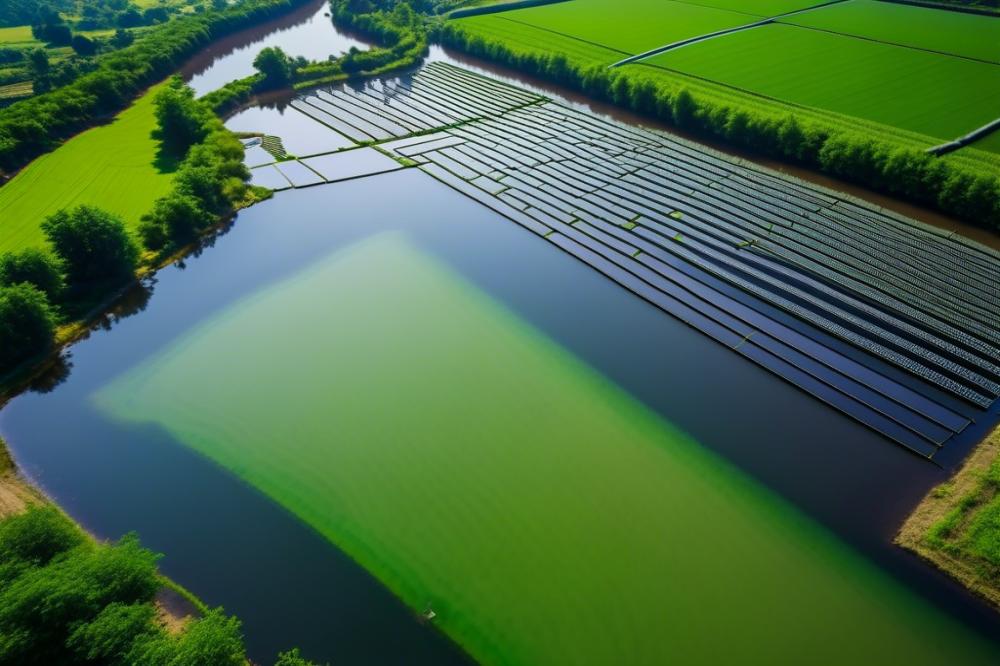
Fish farming, also known as aquaculture, plays a significant role in the United States’ food system. It provides a sustainable source of seafood to meet rising demand. In recent years, the industry has expanded rapidly, with various species being cultivated in fresh and saltwater environments. From trout to tilapia, farmers raise fish that contribute to local economies and food security. However, the growth of this sector comes with challenges.
Importance of fish disease prevention
Preventing disease in fish populations is crucial for maintaining overall health and productivity. Fish can be vulnerable to a range of pathogens, including bacteria and viruses. An outbreak can devastate a farm, leading to significant losses in stock and profit. Unlike other livestock, fish diseases can spread quickly due to their aquatic environments. Thus, biosecurity measures are essential in protecting these resources.
Impact of Diseases on Fish Health and Farm Profitability

The health of fish directly influences a farm’s success. Illness can result in poor growth, weakened immune responses, and increased mortality rates. Farmers must prioritize numerous factors, including water quality and nutrition, to keep their fish healthy. Stress management also plays a role. Overcrowding or poor handling can elevate stress levels, making fish more susceptible to diseases.
Implementing effective fish farming practices is vital. Quarantine new stock before introducing them into existing populations. Regular monitoring will help detect issues early. Vaccination has become another strategy to enhance resilience against certain diseases. With thorough pond management, farmers can mitigate risk and promote thriving aquatic life.
In conclusion, understanding and managing fish health is imperative. Successful farms rely on proactive strategies. A well-managed farm not only ensures fish remain healthy but also protects the farmer’s investment. By focusing on prevention, fish farms can continue to thrive in a competitive market.
Understanding fish disease prevention
Fish disease prevention is crucial in maintaining healthy and vibrant fish farms. It refers to the practices and strategies employed to minimize the risk of diseases in aquatic livestock. Preventing illness goes beyond just treating symptoms; it involves a holistic approach to fish management.
Types of Diseases Commonly Affecting Fish Farms
Many diseases can affect fish farms, ranging from bacterial and viral infections to parasitic infestations. Bacterial infections, such as columnaris and furunculosis, often arise in stressed populations. Viral diseases, like infectious hematopoietic necrosis, can wipe out entire stocks if not addressed promptly. Parasites, including ich and gill flukes, pose additional challenges, leading to serious health issues. Each type of disease creates unique hurdles for fish farmers, requiring tailored strategies to combat them.
Importance of Early Detection and Management
Recognizing the signs of disease early plays a significant role in safeguarding fish health. Regular monitoring of fish and their environment can help spot initial symptoms before they escalate into full-blown outbreaks. Managing water quality is equally important; poor conditions can stress fish and make them more susceptible to illness. Implementing biosecurity measures can prevent new diseases from entering a farm. Quarantine protocols are vital when introducing new fish; this keeps the existing stock safe from potential threats.
Nutrition must also be prioritized. A well-balanced diet bolsters the immune system, helping fish resist diseases. Furthermore, stress management techniques, such as providing ample space and proper handling, reduce the likelihood of outbreaks. Vaccination can offer an additional layer of protection against specific pathogens, keeping your fish healthy.
Pond management is another key aspect to consider. The quality of water in ponds directly impacts fish health. Regular testing can identify issues before they become severe. By combining these strategies, fish farms can create a proactive environment that promotes fish well-being.
Implementing Biosecurity Measures
Biosecurity refers to the set of practices designed to prevent disease in your fish farm. These measures are crucial for maintaining fish health and protecting your stock from harmful pathogens. Establishing strong biosecurity protocols helps to avoid costly disease outbreaks that can threaten the productivity of your farm.
Key Biosecurity Practices for Fish Farms
Many strategies bolster biosecurity on fish farms. First, controlling access to your facility is essential. Limiting entry points reduces the risk of introducing diseases. Signage is helpful, and requiring visitors to follow strict procedures can prevent unwanted contamination.
Water quality plays a significant role in fish health. Regular monitoring of water sources helps detect any changes that might indicate a problem. Using high-quality water for your fish is non-negotiable. This practice encourages growth and reduces stress among the stock.
Managing equipment is another critical aspect. Clean tools and gear minimize the risk of spreading pathogens. After each use, disinfecting nets, boats, and other implements should be standard practice. This maintenance step ensures that your farm remains safe and healthy.
Disinfecting Procedures and Protocols
Disinfection contains various methods, such as using bleach or specialized solutions. Each method has specific protocols to follow. Personnel should be trained on proper disinfection techniques to maximize effectiveness. Consistency in these procedures protects fish from diseases.
Regular monitoring of fish health is vital for early detection of issues. Keeping track of nutrition and stress management can preempt many health problems. A close watch on fish behavior can alert you to potential disease risks.
Establishing a quarantine procedure for new fish and those showing signs of illness is a protective measure not to overlook. This practice allows for treatment before introducing them to the main stock. Moreover, vaccination against known diseases can significantly bolster your biosecurity efforts.
Pond management also requires attention. Clean and well-maintained environments reduce stress and support fish health. Regularly removing debris and managing aquatic plants can minimize the risk of disease vectors. Adopting holistic practices helps create a robust system.
Water Quality Management
The health of fish relies heavily on the quality of their water. Clean, well-maintained water supports strong fish. It reduces stress and prevents disease outbreaks. To keep your stock thriving, monitoring key parameters is crucial.
Role of Water Quality in Fish Health
Fish need specific conditions to thrive. Poor water quality can lead to numerous health issues. This includes weak immune systems or even disease. Proper treatment of the aquatic environment can enhance growth and longevity. Attention to details matters greatly.
Parameters to Monitor
Several factors influence water quality significantly. First on the list is pH. An ideal pH level for most species is between 6.5 and 8.5. Temperature plays a critical role, too. There’s a specific range depending on the type of fish. Keep a keen eye on ammonia levels; high concentrations can be toxic. Similarly, you should monitor nitrite levels closely as they are harmful as well. Lastly, dissolved oxygen is essential for fish survival. Without enough oxygen, fish cannot breathe properly, leading to stress and health problems.
Techniques to Maintain Optimal Water Quality
Using various techniques helps keep water conditions suitable. Water filtration systems are important. These systems remove pollutants and harmful substances. Additionally, circulation systems distribute fresh water throughout the environment. Regular water changes can also promote a healthier habitat. Aim to replace a portion of the water weekly to maintain balance. This can prevent the build-up of harmful toxins.
Filtration and Circulation Systems
Advanced filtration systems provide multiple stages of cleaning. Mechanical filters catch debris, while biological filters break down ammonia, nitrite, and more. Some farms utilize UV filters for additional protection against pathogens. Circulation systems add oxygen while evenly distributing nutrient-rich water. This balance supports nutrition and helps reduce stress among fish. Adequate flow is necessary for tank or pond management. Remember, consistent maintenance of these systems ensures a healthy fish environment.
Vaccination and Health Management
Aquaculture, like any farming practice, benefits greatly from effective vaccination programs. Vaccination plays a key role in preventing diseases that can harm fish populations. Health management is not just about treating diseases, but also about promoting the overall well-being of the stock. While vaccines significantly reduce the risk of outbreaks, they must be part of a broader strategy that includes good practices.
Overview of Vaccination in Aquaculture
Fish farming relies on vaccines for several reasons. Healthy fish are more resilient to infections, which is crucial for economic success. Vaccination minimizes the use of antibiotics, thus supporting better environmental practices. Aquatic species can be susceptible to various pathogens, including bacteria and viruses. Addressing these threats with vaccination helps stabilize populations and ensures higher yields.
Types of Vaccines and Their Importance
Different vaccines target specific diseases, making it essential to choose wisely. Inactivated vaccines are common in aquaculture; they contain killed pathogens that stimulate an immune response without causing illness. Live attenuated vaccines, on the other hand, contain weakened forms of the pathogen, offering strong immunity. Understanding which diseases affect your fish is important for selecting the right vaccine. Ensuring vaccination coverage can lead to better health outcomes for all species in the farm.
Planning a Vaccination Schedule
Creating a vaccination schedule is vital for effective disease management. Timing is crucial for ensuring that fish receive vaccines at the right life stages. Farmers should consult with experts to tailor a plan suited to their specific species and conditions. Regular monitoring of fish health will indicate the effectiveness of the vaccination plan. In addition to scheduling, it’s important to maintain strong biosecurity measures to prevent any potential disease outbreak.
Complementing Vaccination with Good Nutrition
Nutrition plays an important role in the immune function of fish. High-quality feed provides essential nutrients that support growth and resilience. Stress management is equally important, as stressed fish are more likely to succumb to diseases. Well-balanced diets enhance the benefits of vaccination, resulting in stronger and healthier stocks. Additionally, consistent pond management ensures that water quality remains optimal, which complements both nutrition and vaccination efforts.
Nutrition and Feed Quality
Nutrition plays a critical role in maintaining fish health. Fish rely on a balanced diet to grow strong and fight off diseases. Choosing the right feed for different species can make a significant difference in their development. Each type of fish has specific dietary needs. Therefore, it’s essential to research the nutritional requirements of the species you raise.
Formulating a balanced diet involves understanding the right proportions of proteins, fats, vitamins, and minerals. A well-rounded diet strengthens the fish’s immune system and enhances their ability to resist illness. High-quality feed often contains essential nutrients that promote growth and wellbeing. Providing these can help prevent a disease outbreak in your farm.
Overfeeding can lead to serious issues, including poor water quality. Uneaten food decays and contaminates the pond. This situation creates stress for the fish and may even lead to problems with disease management. Regular monitoring of feeding habits is necessary. Observing how much fish consume will help in adjusting feed amounts accordingly.
Additionally, stress management is crucial in promoting fish health. Fish that are overfed may experience lethargy, which can make them vulnerable to infections. Quarantine practices and proper pond management should also complement a solid feeding strategy. Keeping an eye on the health of your stock and making adjustments can further improve outcomes.
Utilizing quality feed products can enhance overall fish health in your farm. Biosecurity measures are just as important when it comes to integrating new feed types or species. Understanding these aspects contributes to a thriving environment. With consistent effort in monitoring and nutrition, your fish can grow to their full potential.
Stress Management in Fish
Understanding stress factors is crucial in aquaculture. Stress can impact fish health and lead to disease outbreaks. Identifying common stressors helps in developing effective management practices.
Handling fish during breeding, weighing, or transportation often causes significant stress. Additionally, high stocking density can create competition for resources. These stressful conditions make fish more susceptible to illness.
Changes in environmental conditions can also trigger stress. Fluctuations in water temperature, pH, or dissolved oxygen levels affect fish behavior. Maintaining stable water quality plays an essential role in reducing panic among stocks.
Strategies to Reduce Stress and Improve Fish Welfare
Implementing biosecurity measures is a key strategy in stress management. Quarantine procedures for new arrivals protect existing fish from potential infections. Regular monitoring of fish health ensures that any issues are caught early.
Nutrition is another important aspect. Providing a balanced diet supports immune function. When fish are well-nourished, they can better withstand environmental changes and stressors.
Vaccination against common diseases can bolster fish health and resilience. Vaccinated fish are less likely to become stressed by infectious agents. With vaccines, stock owners can improve overall fish welfare.
Pond management practices must prioritize the fish’s needs. Reducing crowding can ease competitive behavior. This approach gives every fish more space and reduces aggressive interactions.
Lastly, employing stress-reduction techniques during handling can make a difference. Using nets gently and minimizing air exposure protects fish from excessive panic. Training staff on proper techniques enhances both safety and fish welfare.
Effective Pond Management Practices
Basic Principles of Pond Management
Pond management is vital for a successful fish farm. Keeping water quality stable is the foundation for fish health. Regular checks on pH, temperature, and oxygen levels will help spot any issues before they escalate. Monitoring provides insights into how the pond ecosystem functions. Additionally, maintaining a balanced food chain is critical. Promoting biodiversity among fish species can actually reduce stress and prevent disease outbreaks.
Regular Maintenance and Monitoring of Pond Ecosystems
Consistent upkeep of your pond is non-negotiable. Routine cleaning helps remove excess debris and prevents algae from blooming. You should inspect water clarity and smell regularly. These checks can reveal problems lingering beneath the surface. Incorporating biosecurity measures is essential. Quarantine new fish before introducing them to the larger population. This strategy minimizes the risk of transmitting disease to your healthy stock.
Managing Fish Populations and Biodiversity
Keeping track of your fish populations is key. An overcrowded pond can lead to stress among fish, which is an open invitation for illness. Having a diverse range of species can enhance pond resilience. Different fish types can compete less and share resources more effectively. Remember that understanding feeding habits is also important. Proper nutrition supports healthy growth, boosts immune systems, and ultimately curtails disease.
Implementing Rotational Grazing and Harvesting Systems
Rotational grazing offers unique benefits for your farm. It allows certain parts of the pond to rest while others are used. Fish can thrive in areas with less disturbance. This practice improves water quality and gives natural forage a chance to grow back. Harvesting systems should be carefully timed. Frequent, smaller harvests can be better than one large one. This way, you avoid causing undue stress to your fish population.
Quarantine Procedures for New Stock
Importance of Quarantine in Disease Prevention
Quarantine is a critical step in keeping fish healthy. Introducing new fish into your farm can expose existing stock to unknown diseases. This precaution helps prevent potential outbreaks. By isolating newcomers, you can spot health issues before they spread. A careful approach protects your entire farm and maintains fish health.
Steps to Effectively Quarantine New Fish
Begin by setting up a separate quarantine tank or pond. This space must have optimal water quality to support the new fish. Maintain the temperature and pH levels similar to your main stock. Acclimating the fish carefully reduces stress. Next, avoid introducing any equipment from the main system to prevent cross-contamination.
Monitoring is essential during the first few days. Watch for signs of disease or unusual behavior. Feed them a nutritious diet to bolster their immune systems. Vaccination may be necessary depending on the species and your local conditions. Keep records of their health and behavior throughout the period.
Monitoring Health During the Quarantine Period
Regular monitoring in the quarantine environment plays a pivotal role. Daily checks on fish behavior, feeding, and any visible signs of illness can catch problems early. Look for signs like lethargy, abnormal swimming patterns, or changes in appetite. Health checks also include examining their skin and fins for lesions or discoloration. Daily attention will help spot issues before they escalate.
Stress management is another integral part of this process. Limit handling and avoid overcrowding in the quarantine tank. Create a peaceful environment with places to hide, which can greatly reduce stress levels. Good nutrition along with proper water conditions further supports their well-being.
Integration into the Main Stock
After the quarantine period, review health records carefully. If the newcomers show no signs of illness after two weeks, they are likely ready to join the main stock. Gradually introduce them into the larger environment to prevent shock.
This integration must happen in a controlled manner to maintain biosecurity. Monitor the main stock closely once the new fish are added. Watch for any signs of stress or illness in both populations. Early detection of any problem can save your entire stock from potential disease. Proper pond management and regular monitoring are essential to sustain a healthy fish farm.
Regular Monitoring and Early Detection
Establishing a routine health monitoring program is essential to keep your fish farm thriving. Regular checks on your aquatic stock can catch signs of varying diseases before they escalate. Daily observation of fish behavior and appearance can provide invaluable insights. Keep your eyes peeled for unusual swimming patterns, lesions, or changes in color. Such signs may indicate health issues requiring immediate attention.
Recognizing symptoms early can make a significant difference in preventing disease outbreaks. Look for lethargy, loss of appetite, or abnormal gill movement in your fish. Observing these behaviors regularly can help you take proactive steps in managing your fish health. Timely intervention can often save a fish from becoming seriously ill. Avoiding haste in diagnosis, however, is vital; understanding what you’re seeing is key.
The importance of record-keeping for health assessments cannot be overstated. Developing a health log assists in tracking the wellbeing of your fish. Notes might include water quality readings, vaccination schedules, and nutritional information. This detailed documentation provides a comprehensive picture of your operations. Additionally, it can highlight trends that reveal overarching issues in pond management.
Utilizing technology for real-time monitoring is an innovative strategy worth exploring. Modern sensors can track water conditions such as temperature and ammonia levels around the clock. Advanced systems alert you to any fluctuations, allowing for immediate action. Implementing software that logs data can help interpret findings easily. Combining technology with traditional monitoring efforts enhances your biosecurity protocols significantly.
Response to Disease Outbreaks
Managing a disease outbreak on a fish farm requires a well-thought-out plan. Taking proactive steps can be pivotal in protecting the health of your stock. Begin by identifying potential risks and devising a strategy to mitigate them. This plan should include both immediate responses and long-term prevention measures.
Isolation and Treatment Protocols
When a disease outbreak occurs, isolation is critical. Quarantine affected fish in separate tanks to prevent further spread. Treatment options can vary based on the specific disease. Having a list of effective medications at hand can simplify the response process. Regular monitoring of the health status of your fish will help in assessing the effectiveness of treatments.
Communication with Veterinary Experts
Engaging with veterinary professionals is essential during an outbreak. These experts can provide valuable insights into fish health and treatment options. Establish a solid line of communication before an outbreak arises. That way, you can rapidly consult with them when issues occur. Their expertise can guide you in making informed decisions.
Lessons Learned and Adjustments to Management Practices
Every outbreak offers lessons that can improve your management practices. Analyze what went wrong and what worked during previous incidents. Adjustments to pond management and nutrition protocols might be necessary. Pay attention to stress management, as it can significantly impact fish immunity. By learning from each experience, you can enhance your biosecurity measures and water quality management.
Plan for the unexpected. Regularly review and update your disease management plans to address any emerging threats. Vaccination can also be a valuable tool against certain diseases, so consider it for high-risk species. Always be attentive to your fish’s behavior and physical condition. Early detection can lead to swift action, which is crucial in controlling outbreaks.
Final Thoughts on Disease Prevention in Fish Farming
To recap, attention to detail is essential in fish farming. Effective management practices can significantly reduce the risk of disease. Start by monitoring water quality regularly. Clean water promotes healthy fish and helps them thrive. Additionally, proper nutrition cannot be overlooked. Providing a balanced diet strengthens the immune system of fish, making them more resistant to illness. You should also practice routine inspections. Early detection of signs of trouble allows for swift action, which is crucial for a healthy stock.
Implementing a system of biosecurity measures is vital. These practices help protect your fish from external threats and potential diseases. Reducing stress in fish is another key factor. Proper handling, adequate space, and good environmental conditions significantly lower stress levels, leading to better health overall. Using appropriate equipment is equally important. Keeping nets and tanks clean prevents the spread of contaminants.
The long-term benefits of maintaining a robust and healthy fish population are vast. A thriving stock can lead to increased yields and better profitability. Healthy fish not only grow faster but are also less likely to require medical intervention. This aspect can save costs and improve marketability. Consistent adherence to best practices will pay off in the long run. Each measure you put in place contributes to a more sustainable and successful fish farm.
We encourage all fish farmers to adopt these strategies. Every effort counts towards fostering a resilient and productive farming environment. Prioritizing fish health today will lead to a rewarding future tomorrow. By taking these steps, you can create a sustainable operation that benefits both your fish and your business.