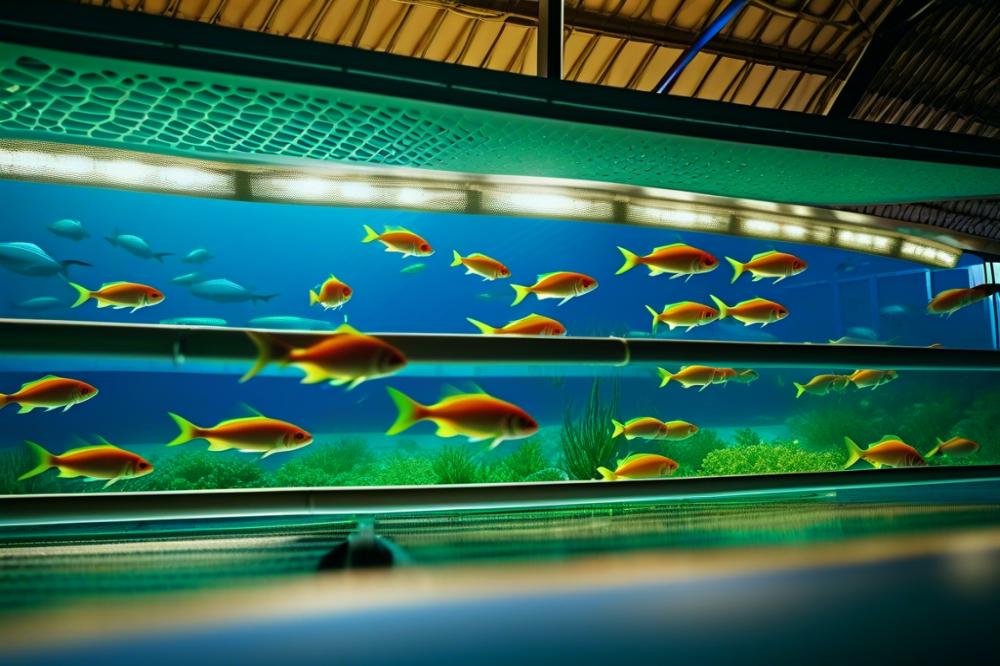
Protecting Your Fish from Predators and Theft: Security Solutions for Aquaculture
Fish farming has become a vital source of food and income for many communities around the world. With a rising demand for seafood, the importance of aquaculture security cannot be overstated. Farmers must not only focus on production but also on safeguarding their investments. Protecting fish from predators and theft is essential for sustainability and profitability.
Many factors can threaten fish farms. Predators like birds, raccoons, and even otters pose a significant risk to aquatic life. Theft also remains a pressing concern. Fish farmers lose thousands of dollars to criminal activity every year. Implementing effective theft deterrence strategies is crucial to avoid these losses.
A range of security measures is available to enhance fish protection. This includes various fencing options that deter unwanted entry into farm areas. Strong netting solutions can physically block predators while maintaining a healthy environment for fish. Investing in surveillance systems enables constant monitoring of fish farms, providing peace of mind.
Water quality monitoring is another critical area. Healthy fish require specific conditions to thrive. Ensuring optimal water conditions helps to maintain a robust fish population while contributing to overall farm health. Habitat enhancement practices can create a safer environment for fish while simultaneously deterring potential threats.
The world of aquaculture technology offers innovative biosecurity measures that are tailored to meet these challenges. From advanced monitoring systems to automated fencing, options are more effective than ever. Farmers can leverage these tools to create a secure environment for their fish. Each step taken toward enhanced security can lead to greater success in the aquaculture industry.
Understanding aquaculture security
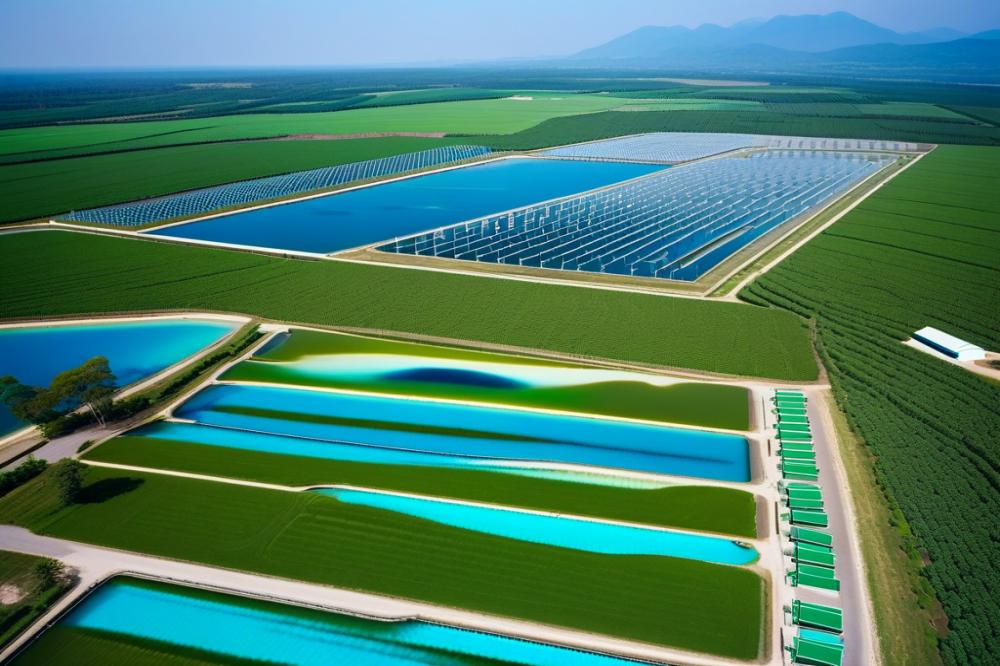
Aquaculture security involves safeguarding fish farms from various threats. This includes protecting against both natural predators and human theft. Victims of theft often suffer significant financial losses, potentially jeopardizing their operations. Security is crucial for the success of any fish farming venture. Healthy fish contribute to profit, and that requires protection.
Numerous threats can undermine the success of aquaculture farms. Predators like birds, otters, and raccoons are always on the lookout for an easy meal. The impact of such losses can be devastating. Additionally, theft poses a major concern. Losing fish to poachers not only affects profits, but also disrupts the entire farming process.
Addressing these risks is vital for sustainable aquaculture. Implementing effective predator prevention measures, such as netting solutions, can keep fish safe. Surveillance systems enhance fish farm security by monitoring activities around the farm. Fencing options can also deter both animals and thieves from encroaching on the property.
Water quality monitoring plays a role in overall farm performance. Good water conditions lead to healthy fish, making them less vulnerable and more desirable. Habitat enhancement strategies can also support natural behaviors that further protect fish. Incorporating biosecurity measures ensures that diseases do not spread, which can also help in maintaining a strong population.
In summary, understanding the concept of aquaculture security involves recognizing the threats present. Protecting fish requires a combination of technology, vigilance, and proactive measures. The right strategies can lead to a thriving and secure fish farming operation.
predator prevention Strategies
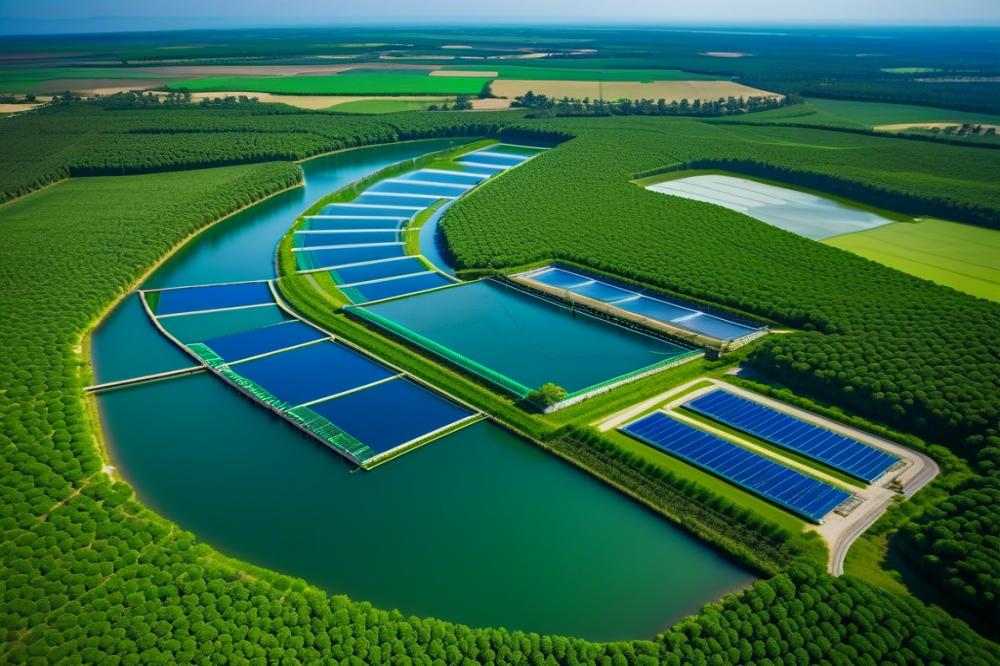
Aquaculture faces threats from various predators, including animals both in and out of the water. Fish farms often contend with birds, raccoons, otters, and even larger fish species. Each of these can cause significant damage to fish populations if left unchecked. Understanding these threats is vital for any aquaculture operation.
Using effective predator prevention techniques is essential for protecting your investment. One common approach is to employ netting solutions around ponds or tanks. This creates a physical barrier that deters birds and larger aquatic predators from accessing the fish. While netting may require some initial setup costs and maintenance, it often pays for itself by reducing losses.
Fencing options also bolster fish farm security. Around the perimeter of a fish farm, sturdy fencing can block land-based predators like raccoons and foxes. Choosing the right type of fence, such as chain-link or barbed wire, can make a big difference in preventing trespassers.
Habitat Enhancement Practices
Improving water quality monitoring is another way to minimize risks from predators. Healthy fish are more resilient and can escape from threats more easily. Proper aeration and filtration systems can promote a thriving ecosystem, which contributes to the overall health of the fish. Healthy habitats make fish harder to catch, directly impacting predator success.
Furthermore, integrating natural deterrents into aquaculture can be beneficial. Creating habitats that support nesting of predatory birds in less accessible areas can redirect their attention away from fish. Planting vegetation around ponds can also help make the environment less inviting to potential predators.
Lastly, employing surveillance systems can enhance safety and prevent theft. With cameras placed strategically around the fish farm, operators can monitor activities and identify any suspicious behavior. This technology not only deters would-be thieves but also helps keep track of wildlife that might pose a threat.
Theft Deterrence Measures
The security of fish farms is crucial in today’s world. Protecting these valuable resources from theft is as important as safeguarding them against predators. Theft can result in not only financial loss but also a loss of trust in the business. Therefore, it’s vital to address this risk seriously.
Several factors can contribute to theft in aquaculture. Location plays a major role; isolated farms often become targets simply due to their remoteness. Easy access points, such as unsecured gates and poorly lit areas, also invite trouble. Understanding these risks allows farm owners to proactively develop effective theft deterrence strategies.
Fencing Options for Physical Security
Implementing robust fencing systems can significantly improve fish farm security. Strong fences act as a physical barrier against potential thieves. Various materials are available, including chain-link, electric, and wooden fences. Choosing the right option depends on the specific needs and budget of the farm. Additionally, fences should be regularly inspected for damage or weakness.
Implementing Security Signage and Deterrent Measures
Another layer of protection involves the use of security signage. Placing clear signs that indicate surveillance systems are in use can discourage potential thieves. Employing deterrent measures, such as mock cameras, can also help give a farm a visible security presence. Even simple measures like locking gates can enhance protection.
Building Community Relationships to Prevent Theft
Forging strong relationships with the local community is key in theft prevention. Neighbors can act as watchful eyes, providing an extra layer of security. Organizing local meetings can raise awareness about the value of fish farms and the importance of their protection. When the community is involved, the risk of theft diminishes, creating a united front against crime.
Monitoring water quality is also important in maintaining a healthy fish population. Healthy fish can foster positive community relations, as locals may be more inclined to support security efforts. Habitat enhancement can attract beneficial wildlife, deter predators, and create a sense of pride among locals.
Utilizing aquaculture technology can streamline security measures. Advanced surveillance systems can provide real-time monitoring, allowing for quick response to suspicious activities. These systems can be integrated with alarms and alert local authorities in case of a breach. When attackers see modern security solutions in place, they may think twice before attempting theft.
Lastly, it is vital to remain informed about biosecurity measures to safeguard both fish health and property. Sharing knowledge and best practices with other fish farmers can create a network of support. The stronger the bond between farm owners and their communities, the better protected everyone will feel.
Surveillance Systems and Technology
Modern aquaculture relies heavily on technology for security and protection. Various tools help farm owners safeguard their investments from threats like predators and theft. Surveillance systems play a critical role in this aspect.
Different types of surveillance systems are available to enhance fish farm security. Cameras are among the most common. These devices can capture images and videos in real-time, enabling farmers to monitor their operations closely. Motion sensors act as an alert system. These sensors can trigger alarms when unwanted movement occurs, notifying the owner instantly. Alarms serve a dual purpose; they deter potential thieves while alerting the owner to unexpected activities.
Integrating smart technology takes security to the next level. Smart cameras can provide alerts directly to smartphones, creating a seamless connection between the farm and the owner. Real-time monitoring allows for immediate responses to any situation. Whether it’s a predator invasion or a theft attempt, having instant information is crucial. This capability empowers farm operators to act quickly and effectively.
On top of surveillance, water quality monitoring adds another layer of security. Maintaining optimal water conditions is vital for fish health. Poor water quality can attract predators, including birds and other animals searching for easy prey. Monitoring devices help track parameters like pH, temperature, and oxygen levels. Keeping water conditions stable not only supports fish growth but also aids in predator prevention.
Habitat enhancement can be a preventative measure as well. Creating environments that encourage fish to thrive makes them less vulnerable to threats. Strong biosecurity measures also play a significant role. Fencing options and netting solutions can create physical barriers against both wildlife and theft. Using a combination of these technologies ensures a more secure aquaculture operation. This multifaceted approach to aquaculture technology allows farmers to focus on breeding healthy fish, knowing that their investments are protected.
Comprehensive Biosecurity Measures
Understanding biosecurity is crucial in aquaculture. It involves taking steps to preserve the health of fish and prevent disease. When fish farms implement biosecurity measures, they can effectively reduce the risk of contamination. Healthy fish are vital for productivity and profitability. Thus, preventing disease first helps fish thrive.
One key practice involves monitoring water quality regularly. Fish require clean water to survive and grow. Regular checks help detect harmful substances or pathogens that can reduce fish health. Additionally, habitat enhancement can also promote a healthier, more resilient aquatic environment. Providing fish with the right surroundings can limit stress and encourage natural behaviors.
Implementing fencing options around ponds or hatcheries adds another layer of fish farm security. Good fencing can restrict access to unwanted wildlife and potential thieves. In parallel, netting solutions can keep fish safe from aerial predators. This is especially important for farms located in areas where birds or other animals might pose a risk.
Investing in surveillance systems is another effective way to provide theft deterrence. Cameras and motion sensors act as a visual reminder to would-be intruders. These technologies offer peace of mind and can alert farm operators to any unusual activity. Precautionary measures like these protect both the fish and the investment in the farm.
Biosecurity measures create synergy between preventing predators and deterring theft. When fish are healthy and well-cared for, they are less susceptible to infections. Additionally, a secure environment reduces the chances of theft or poaching. By combining efforts in both areas, aquaculture operations can achieve greater overall success.
Embracing aquaculture technology can also enhance biosecurity strategies. Innovations offered by the industry provide operators with advanced tools for monitoring and prevention. Solutions may include automated systems that track fish health and alert farmers to potential issues. Combining these advances with traditional practices results in a robust approach to fish care.
Final Thoughts on Protecting Your Aquaculture
Aquaculture security is vital for safeguarding both fish populations and farming investments. Fish farmers face a constant threat from predators and the risk of theft. Protecting your aquatic life goes beyond simple observation. It requires a strategic approach that incorporates various tools and techniques.
Implementing a comprehensive security strategy can make a real difference. This approach should not only focus on preventing predators but also address the possibility of theft. By taking proactive measures, farmers can create a safe environment for their fish. Technology plays a key role in modern solutions. For example, surveillance cameras and protective barriers can act as effective theft deterrence. Such methods not only minimize risks but also provide peace of mind.
Fish farmers should feel encouraged to adopt innovative solutions for predator prevention. From netting to automated monitoring systems, there are numerous options available. Exploring these modern technologies could vastly improve overall security. Finding the right balance between traditional methods and new advancements is crucial.
Prioritizing security measures may seem daunting, but the effort is worthwhile. Protecting your fish not only preserves your livelihood but also contributes to sustainable aquaculture practices. Every farmer has a responsibility to maintain the integrity of their operations. With careful planning and the right tools, a secure environment can be achieved. Take action now and invest in the security of your aquaculture. Your fish and your future depend on it.