
Introduction
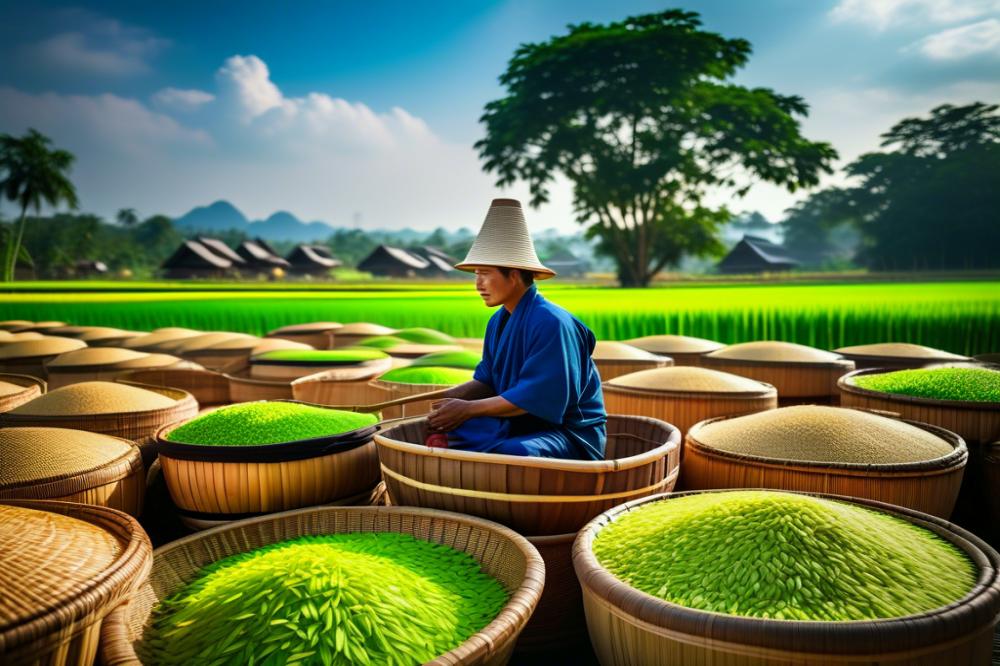
Thai rice wine production is a fascinating craft deeply rooted in the culture of Isan. This alcoholic beverage offers a glimpse into the region’s traditions and culinary practices. People have produced rice wine for centuries, using local ingredients and traditional methods that vary from one community to another. Crafting this drink involves fermentation, a process that transforms simple rice into a beloved beverage cherished during festivals and gatherings.
Culinary education plays an important role in preserving these artisan skills. Culinary courses across Asia help locals and visitors alike appreciate the rich tapestry of flavors and techniques within various cultures. In places like Isan, community workshops focus on teaching participants about food and beverage production. These gatherings provide hands-on experience while also celebrating cultural heritage.
Isan villages hold a special significance in Thai culture. They reflect the heart and soul of rural life, where food and drink often bring people together. Local events frequently feature rice wine tasting, allowing guests to indulge in unique flavors crafted from age-old recipes passed down through generations. These experiences offer not just a taste of Isan’s offerings, but also a deeper understanding of its vibrant spirit.
The emphasis on sustainable practices in these communities further enriches their cultural significance. By using local resources, villagers can maintain their traditions while supporting the environment. Engaging in Thai rice wine production courses fosters a sense of connection among attendees. Each person learns about the delicate balance of nature and artisan craftsmanship, ensuring that these vital skills continue to thrive. As culinary enthusiasts explore Isan’s offerings, they participate in a journey of heritage and community.
Understanding Thai Rice Wine Production
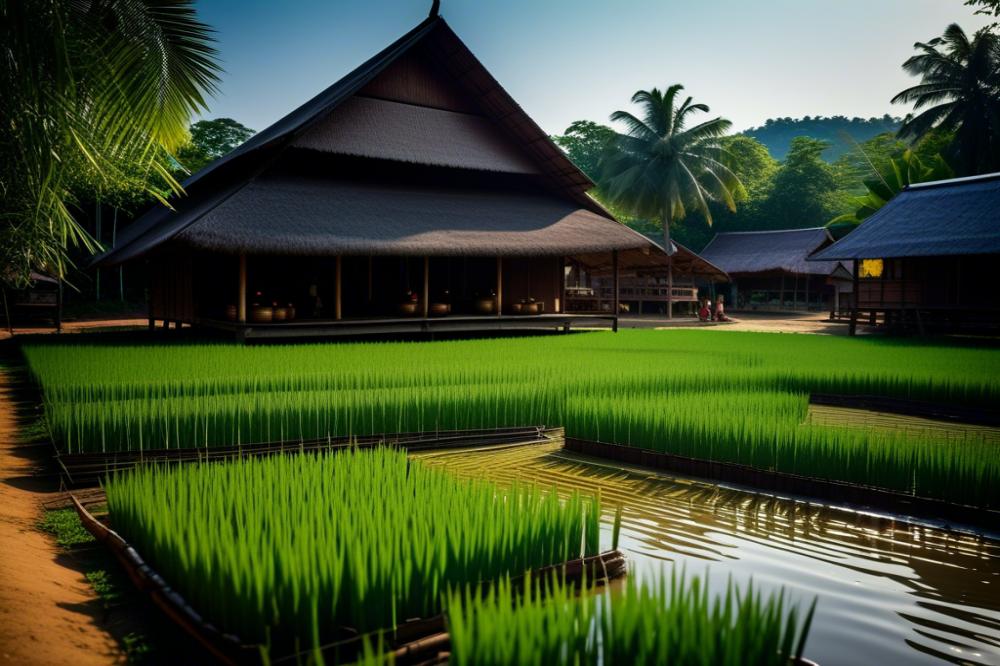
The process of rice wine fermentation in Isan villages carries rich traditions. Local farmers and artisans often use varieties of sticky rice. Special techniques have been passed down through generations, shaping the unique flavors of the final product. Widely recognized for its distinctiveness, this beverage reflects the heart of Isan culture.
Fermentation starts with washing and soaking the rice. Once soaked, the grains are steamed until they reach the right softness. After that, local ingredients like yeast and herbs are mixed in. Each artisan has a special recipe, contributing to the diverse profiles of rice wine.
The role of local ingredients cannot be overlooked. Villagers often gather what they need from nearby fields and markets. This practice promotes sustainability and strengthens community ties. Each ingredient is chosen not only for taste but also for its historical significance.
Crafting rice wine is about more than just making a drink. It’s an expression of cultural heritage that tells stories from the past. Community workshops allow people to learn these artisan skills firsthand. During these gatherings, participants often enjoy rice wine tasting, sharing laughter and stories while they sip.
Food and beverage play significant roles in these workshops. Sharing a rice wine beverage adds to the sense of companionship. This connection to Isan culture fosters a deeper understanding of traditions. By passing on these artisan skills, the community continues to thrive. Each bottle of rice wine produced holds a slice of history and pride.
Courses Offered in Isan Villages
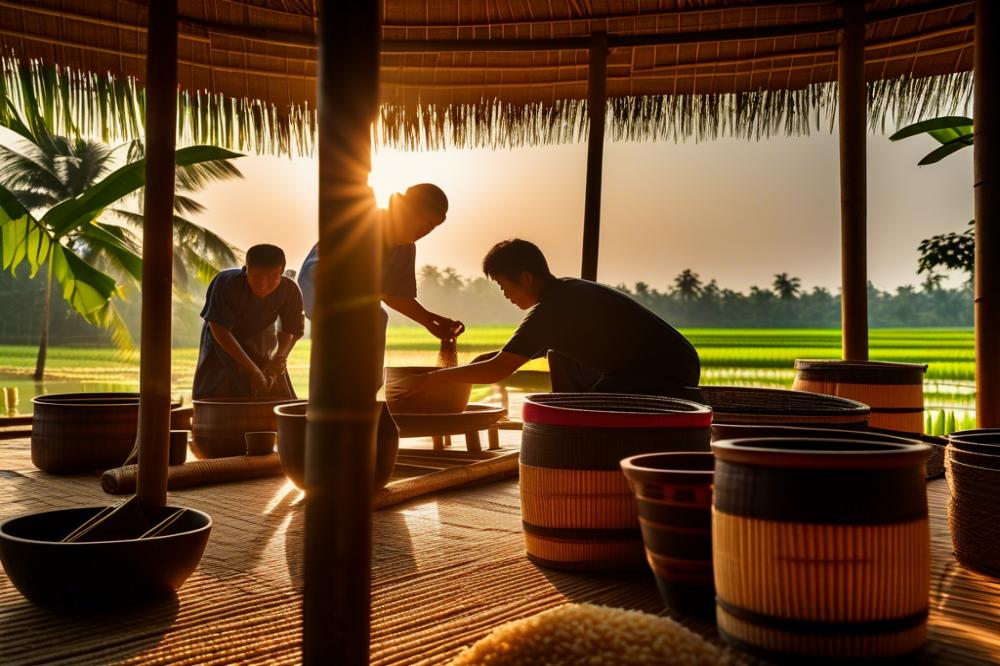
Community workshops focused on rice wine production are growing in popularity across Isan. Local artisans share their knowledge with anyone interested. Participants gain insights into traditional methods that have been passed down through generations. Each session aims to connect people with the region’s cultural heritage.
Hands-on experiences provide a practical look at fermentation techniques. Attendees learn how to select local ingredients, which are essential for crafting this beloved beverage. Through careful instruction, participants discover the art of brewing rice wine. These sessions foster a deep appreciation for the artisan skills involved in the process.
Rice wine tasting events are a highlight for many. Participants have the chance to sample different varieties produced during the workshop. Guides teach them how to evaluate flavors and aromas. This interaction creates a shared experience that brings people together. Engagement with Isan culture is truly at the heart of these activities.
Workshops often emphasize sustainable practices. The goal is to encourage the use of environmentally friendly methods. Participants leave with enthusiasm to explore further. Programs adapt to varying skill levels, making them accessible to everyone. Enthusiasts of food and beverage learn not only about production but also the significance of community traditions.
Cultural Heritage and Sustainability
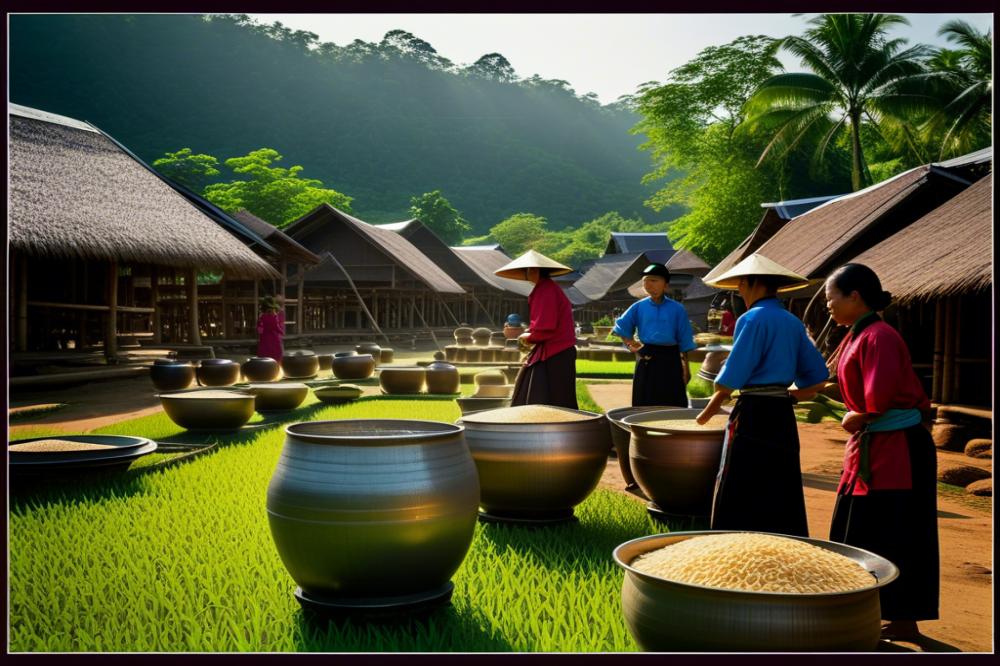
Thai rice wine is more than just a beverage; it’s a reflection of the rich traditions in Isan culture. Its production engages local communities, highlighting their unique identity. Fermentation is essential in this process, allowing artisans to create distinct flavors. Rice wine tasting sessions attract both locals and tourists, fostering a communal atmosphere.
Courses on rice wine production play a vital role in preserving cultural heritage. Community workshops teach participants about traditional methods that have been passed down through generations. Learning these artisan skills helps keep history alive. Through hands-on experience, individuals feel a deeper connection to Isan culture.
Sustainable practices are increasingly integrated into the production methods of rice wine. Local ingredients are sourced carefully to minimize environmental impact. Farmers often share knowledge about eco-friendly farming, ensuring future generations can enjoy these resources. This focus on sustainability strengthens the community and promotes conscious consumption of food and beverage products.
As participants engage in these educational programs, they not only learn about fermentation but also the importance of community ties. Each step in the process emphasizes respect for the land. By embracing traditional techniques, these courses support both cultural preservation and ecological responsibility.
Benefits of Participation in the Courses
Skills and Knowledge Gained from Attending Rice Wine Production Courses
Taking part in these courses offers invaluable skills. Participants learn about fermentation and traditional methods that have been passed down through generations. Hands-on workshops allow students to work directly with local ingredients. This process not only builds confidence but also sharpens artisan skills. Understanding the intricacies of rice wine production can lead to better appreciation for the craft.
Impact on Local Communities and Economies
The courses have a significant effect on local economies. They create job opportunities in rural areas, boosting livelihoods for many families. By promoting sustainable practices, communities can benefit from eco-friendly production methods. Increased interest in Isan culture means more tourism, which adds to the local economy. As more people engage with the craft, the importance of community workshops becomes clear.
Unique Opportunity for Food and Beverage Enthusiasts
For food and beverage lovers, these courses are a special chance to dive deeper into Thai flavors. Participants can indulge in rice wine tasting and learn the art of pairing with local dishes. Engaging with the cultural heritage of Isan adds depth to their culinary experiences. Foodies will discover exciting insights about traditional beverages that are often overshadowed by more popular drinks. This journey through the traditions and tastes of the region offers a rewarding experience that is hard to find elsewhere.
Final Thoughts
Thai rice wine production courses in Isan villages hold significant value for both locals and visitors. These workshops offer a window into the rich cultural heritage of the region. Learning about the fermentation process allows participants to appreciate the craft and skill involved in creating this cherished beverage. Furthermore, engagement with traditional methods helps preserve communal knowledge that has been passed down through generations.
Many people find that exploring Isan culture through these hands-on experiences deepens their connection to the region. It is not just about making rice wine; it’s about understanding the stories and traditions that come with it. Each session provides insights into local customs, flavors, and the essence of community life. Observing how local people interact with their environment can be truly enlightening.
However, these courses also bridge the gap between tradition and modernity. They show that age-old practices can coexist with contemporary life. Students often leave with a newfound appreciation for artisanal crafts. Engaging in such activities can spark creativity and inspire individuals to incorporate what they’ve learned into their own lives.
Every bottle produced tells a story, echoing the heart and soul of Isan’s vibrant culture. Encouragement is given to anyone interested to join a workshop. Not only will you gain skills, but you will also cultivate meaningful connections with the community. Embracing traditional practices can enhance our understanding of the world, serving both personal growth and cultural enrichment.


