
Introduction
In today’s construction landscape, the use of sustainable materials has gained significant attention. Builders and architects increasingly seek options that are not only durable but also eco-friendly. As concerns over climate change continue to rise, the importance of incorporating renewable resources into building practices has never been clearer. These materials provide a pathway towards reducing environmental impacts while still meeting the demands of modern society.
Among various sustainable options, the Cork oak tree stands out. Its bark can be harvested without harming the tree, allowing it to continue growing for years or even decades. This process is an excellent example of carbon sequestration, where the tree absorbs carbon dioxide from the atmosphere, helping to mitigate climate change. Using natural materials like Cork in construction contributes to both sustainability and beauty.
When considering flooring and insulation, many people overlook alternatives that offer both functionality and aesthetic appeal. Cork is an ideal choice due to its impressive acoustic properties and thermal insulation. Not only does it create comfortable living spaces, but it also supports a healthier planet.
In conclusion, the shift towards utilizing sustainability“>Renewable Building Materials reflects a broader commitment to sustainability in construction. Integrating materials like cork can play a crucial role in shaping environmentally responsible practices. This commitment helps protect natural resources, fosters sustainable development, and ultimately benefits everyone.
The Sustainability of Cork

Cork as a Renewable Resource
Cork is one of the best examples of a renewable resource. It can be harvested without harming the tree itself. The process involves stripping the bark from the cork oak. Each tree can be harvested roughly every nine years. This method makes it possible to use the same tree for many years. Consequently, it reduces the need to destroy forests for new materials. Using cork helps promote a sustainable approach to building and remodeling.
Cork Oak Tree and Its Growth Cycle
The cork oak tree thrives in Mediterranean climates. These trees have a unique ability to regenerate their bark. When harvested correctly, they continue to grow and sequester carbon. A mature cork oak can live for over 200 years. That long lifespan contributes to carbon storage over time. This growth cycle is crucial for healthy ecosystems. Through responsible management, forests remain vibrant and rich in biodiversity.
Impact of Cork Harvesting on the Environment
Harvesting cork does not impact the surroundings negatively. In fact, it often benefits local wildlife. Many animals, like birds and insects, find homes within cork oak forests. These activities promote a thriving ecosystem. As sustainable practices become more common, the environmental impact lessens even further. Land conversion for other types of agriculture decreases, retaining natural habitats.
Carbon Sequestration Benefits of Cork
Cork trees play a vital role in carbon sequestration. They absorb carbon dioxide from the atmosphere as they grow. This helps combat climate change by reducing greenhouse gases. The act of harvesting allows these trees to store even more carbon. Healthy forests continue to offset carbon footprints associated with construction. Using natural materials like cork adds to a building’s eco-friendly profile, aiding the fight against global warming. Additionally, cork’s natural insulation properties improve energy efficiency in buildings, further supporting sustainability efforts.
Cork’s Eco-Friendly Qualities

The natural properties of cork make it an excellent choice for environmentally conscious building projects. Harvested from the bark of the cork oak tree, this material regrows without damaging the tree. This renewable resource plays a significant role in sustainability efforts. As trees mature, they absorb carbon dioxide from the atmosphere, contributing to carbon sequestration. In turn, this helps combat climate change.
Another important aspect is that cork is biodegradable and recyclable. Once it has served its purpose in construction, it can break down without leaving harmful residues behind. Alternatively, it can be repurposed or reused in new building projects. The ability to recycle supports the idea of a circular economy, which promotes the responsible use of materials.
In addition to being eco-friendly, cork provides excellent insulation properties. It keeps buildings warm in winter and cool in summer. This effectiveness can lead to lower energy costs and reduced reliance on heating or cooling systems. Flooring made from this material not only offers comfort underfoot but also enhances acoustic properties. It reduces noise, creating a more serene indoor environment.
When compared to traditional building materials, cork often stands out for its lower environmental impact. Conventional options like concrete or plastic contribute more to greenhouse gas emissions during manufacturing and use. The lifecycle of cork, from harvesting to end-of-life disposal, typically leaves a much smaller carbon footprint in the construction industry. Using natural materials like this aligns building practices with eco-conscious values.
Insulation and Acoustics

Many people appreciate the thermal insulation properties of cork. It offers excellent resistance to temperature fluctuations. Homes and offices benefit from using this material as it can help keep buildings warm in winter and cool during summer. This reduces the need for heating and cooling systems, which can consume a lot of energy.
People often look for energy efficiency when planning construction projects. Selecting this natural material can lead to significant savings on energy bills. Properly installed flooring made from this material contributes to lower energy consumption. Using such renewable resources means that buildings become more eco-friendly.
Besides thermal benefits, the acoustic properties of this material are also noteworthy. It absorbs sound rather than allowing it to bounce around. This quality makes spaces quieter and more comfortable. Offices can benefit greatly, as it provides a calmer atmosphere for employees, free from distractions.
Residential applications vary from flooring to wall panels. The versatility of this natural product means it fits well in different designs. Commercial spaces also utilize it for soundproofing. Restaurants and cafes use it to enhance customer experiences by minimizing noise levels.
A bonus of using the cork oak is its role in carbon sequestration. As it grows, it captures carbon dioxide from the atmosphere. Therefore, integrating it into construction helps combat climate change. This multi-functional aspect underscores the benefits of using sustainable, eco-friendly materials in today’s building practices.
Cork in Flooring and Other Applications
Cork as a Flooring Material
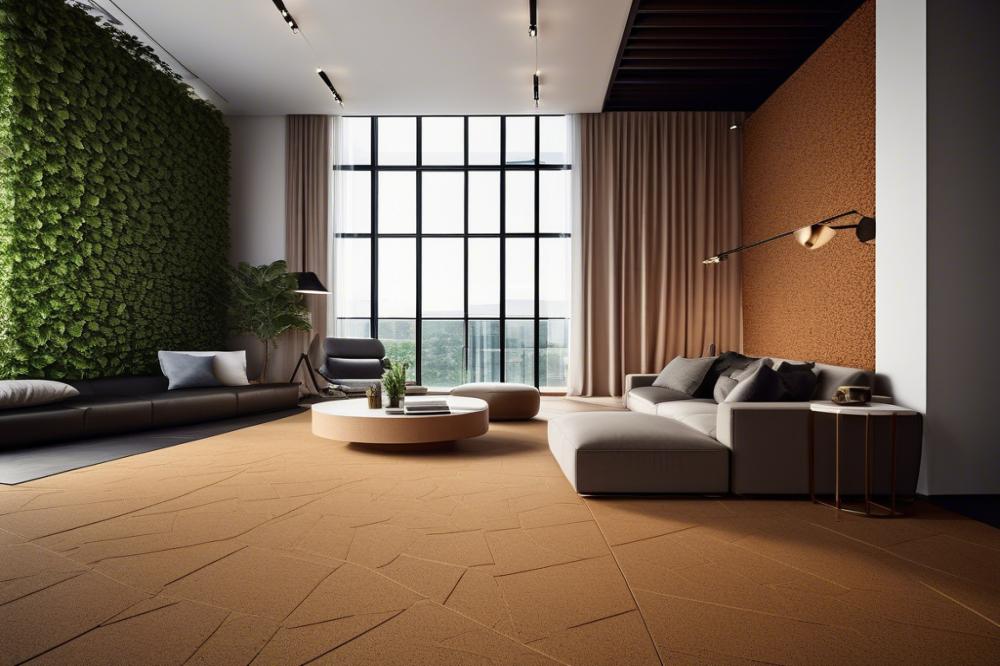
Cork offers an attractive and practical option for flooring. Many homeowners appreciate its stylish look and warm feel. The material comes from the bark of the cork oak tree. This makes it a sustainable choice because the tree can be harvested without cutting it down. Using renewable resources is essential for eco-friendly building practices.
Durability and Resilience of Cork Flooring
Floors made from cork are known for their durability. They can handle heavy foot traffic while maintaining their charm. Additionally, the natural properties of cork provide excellent insulation. This helps keep homes warm in winter and cool in summer. Homeowners enjoy reduced energy costs due to better temperature regulation. With proper care, cork flooring can last for many years.
Use of Cork in Wall Coverings and Furniture
Beyond flooring, cork is versatile for wall coverings and furniture. It can add texture and warmth to interior spaces. Designers favor it for its unique appearance and sound-absorbing properties. This allows for quiet, comfortable living environments. Furniture makers also appreciate its lightweight nature, making it easy to move. Using natural materials in various applications enhances the overall aesthetic of a home.
Innovative Uses in the Construction Industry
The construction industry is discovering new ways to use cork. In addition to flooring and wall coverings, it works well in insulation. Builders are finding that cork helps reduce noise pollution. Its acoustic properties benefit both residential and commercial projects. Developers also value the material for its role in carbon sequestration. By using this resource, they can make a positive environmental impact. The potential applications keep expanding as more people seek eco-friendly options.
The Future of Cork in Sustainable Construction
As sustainability becomes increasingly important in building practices, many architects and designers are turning to eco-friendly materials. Trends are shifting toward the use of cork in green building initiatives because it provides renewable resources that help the environment. This natural material is not just trendy; it offers real benefits. From flooring to insulation, it plays an essential role in modern sustainable construction.
Modern architecture is embracing this versatile option. Designers appreciate how well cork can fit into various design styles. Its unique characteristics make it suitable for many applications, including walls and ceilings. Moreover, the material’s natural insulation properties help reduce energy costs in homes and commercial spaces. When used in buildings, the cork oak tree’s bark can be harvested without harming the tree, ensuring continued growth for future generations.
Challenges and Opportunities in Utilization
While cork presents many opportunities, challenges also exist. Some builders hesitate due to misconceptions about durability and maintenance. Yet, studies show that when properly treated, it can withstand wear and tear like many conventional materials. There is a demand for awareness regarding its benefits. Proper education can help dispel doubts about its effectiveness in construction.
In addition, cork’s acoustic properties can improve indoor environments. Noise reduction is a crucial consideration in urban design, making cork an attractive choice for those developing residential and commercial spaces. As cities grow and populations increase, the need for soundproofing becomes more pressing.
Carbon sequestration is another critical factor. This process helps absorb greenhouse gases, contributing to a more sustainable future. The more we use cork in our buildings, the more we support global efforts to combat climate change. These aspects make cork not only appealing but necessary in today’s construction landscape.
The potential for cork in various building projects is vast. As innovation continues, we can expect new techniques that enhance its properties and applications. Architects are exploring creative uses that combine style with functionality. Collaborations between engineers and natural material experts may lead to pioneering methods that transform how we think about construction.
Final Thoughts on Using Cork in Building Projects
Recap of the Benefits
Cork offers a range of advantages that highlight its appeal as a Renewable Building Material. This substance is lightweight yet offers excellent insulation. It is naturally fire-resistant, making it safe for use in various environments. The ability to absorb sound makes it perfect for creating quieter spaces. Moreover, its natural resilience allows designers to use it in diverse applications, from flooring to wall coverings.
Promoting Sustainable Practices
Incorporating cork into construction projects promotes sustainability. It helps reduce reliance on non-renewable resources. Furthermore, its production causes minimal environmental disturbance. Harvesting cork involves stripping bark from trees without harming them. This process allows trees to continue growing and producing more cork. Utilizing such practices is vital in the fight against climate change.
Consideration for Future Projects
For upcoming building endeavors, think about choosing this eco-friendly material. Countless designs can benefit from its distinct features. Many architects and builders are increasingly looking for sustainable options. By opting for cork, you not only enhance your project but also contribute to a greener future. Ensuring the use of renewable resources in construction can inspire others to follow suit. Going forward, let’s push the boundaries of what sustainable building materials can achieve.


